
Raphael AI Logo Generator: The Artistic Specialist
Powered by the RAPHAEL MoE architecture, this model excels at interpreting complex, artistic prompts to generate logos with superior aesthetic appeal and style fidelity.
The MoE Advantage: Mastering Complex Prompts and Styles
 Superior Prompt Fidelity: Built with a Mixture-of-Experts (MoE) diffusion architecture, Raphael accurately interprets text prompts containing multiple nouns, adjectives, and verbs—crucial for defining complex logo ideas.
- Seamless Style Switching: Effortlessly generate the same logo concept in diverse styles, from Cyberpunk neon glow to classical Ink Illustration or high-fidelity Realism.
- High Aesthetic Quality: Consistently delivers images with high aesthetic scores, making it perfect for concept art and designs where visual impact is paramount.
- Concept Visualization: Ideal for taking highly imaginative or fantastical logo descriptions and translating them into visually stunning, cohesive images.

Get Inspired: A Gallery of Artistic Versatility
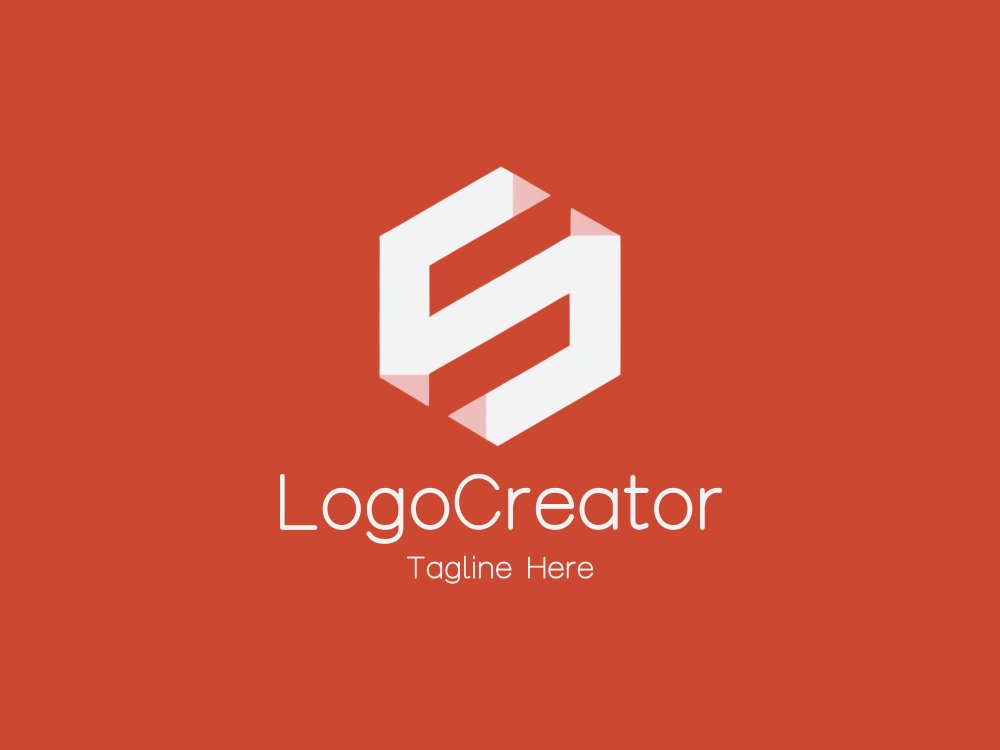

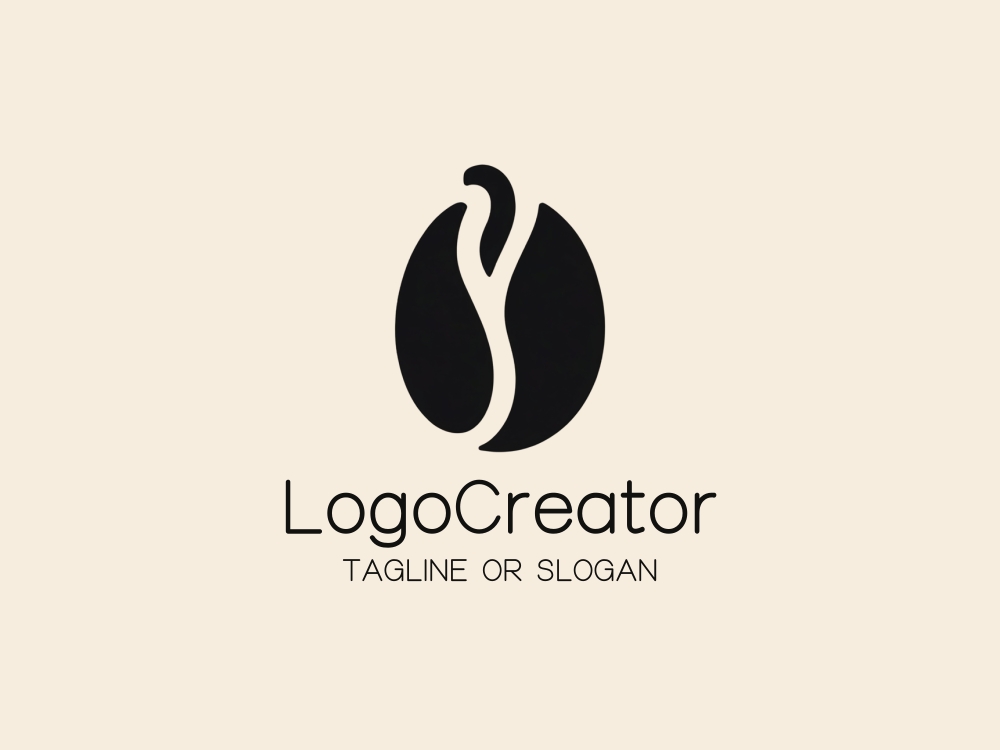
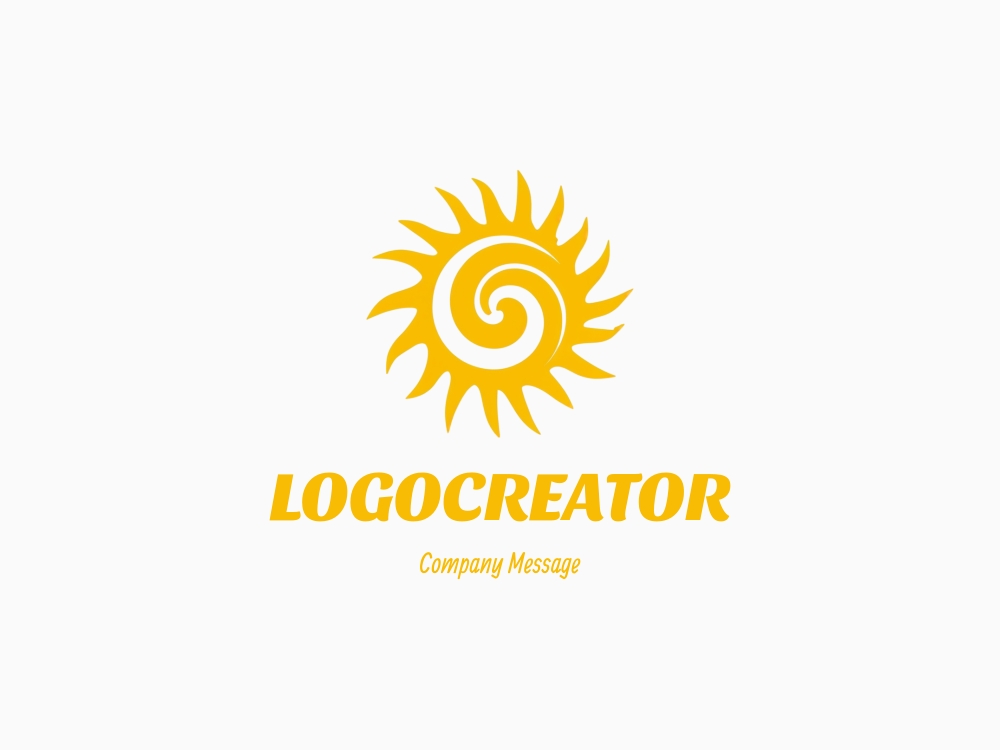
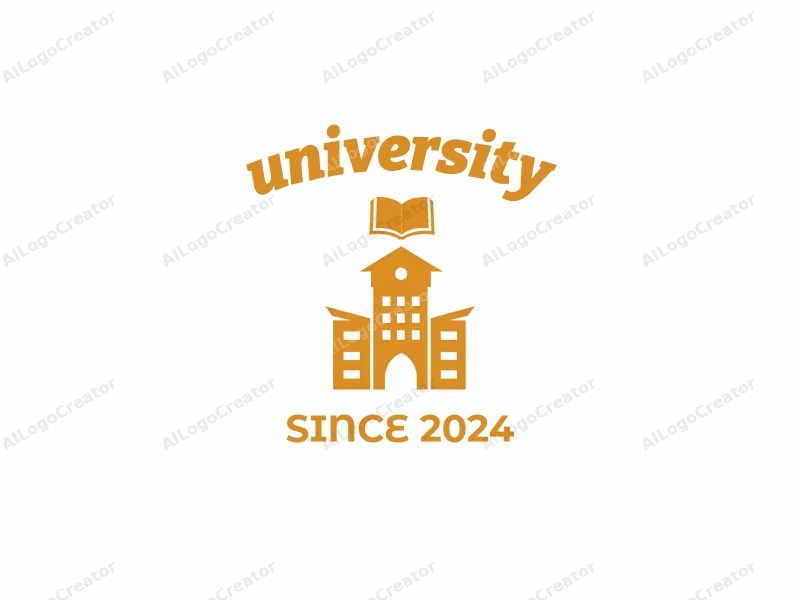
How to Create a High-Art Logo with Raphael AI
- Step 1Define Your ConceptWrite a prompt that includes the subject (noun)、 (adjective) (verb),“A mysterious fox spirit leaping through a surreal forest.”
- Step 2Specify Artistic StyleExplicitly add the style to the prompt (e.g., , V-Ray render, beautiful lighting, mixed media expressionism).
- Step 3Refine AdherenceAdjust the 'Prompt Adherence Intensity' slider to tell the model how strictly to follow your detailed artistic commands.
- Step 4Download and InspireUse the 'Export the high-resolution artistic render, ready to serve as the foundation for your final vector logo design.

Ideal Use Cases for the Raphael Model
Concept Artists & Illustrators
When the focus is on generating a highly aesthetic and visually impactful design or concept illustration before final vectorization.
Marketing & Advertising
Creating pitch visuals for campaigns that require a very specific, niche artistic look (e.g., using a prompt like 'in the style of [Famous Artist]').
Game/Film Industry
Rapidly generating logo and concept art for IP where diverse, high-quality style exploration is needed.
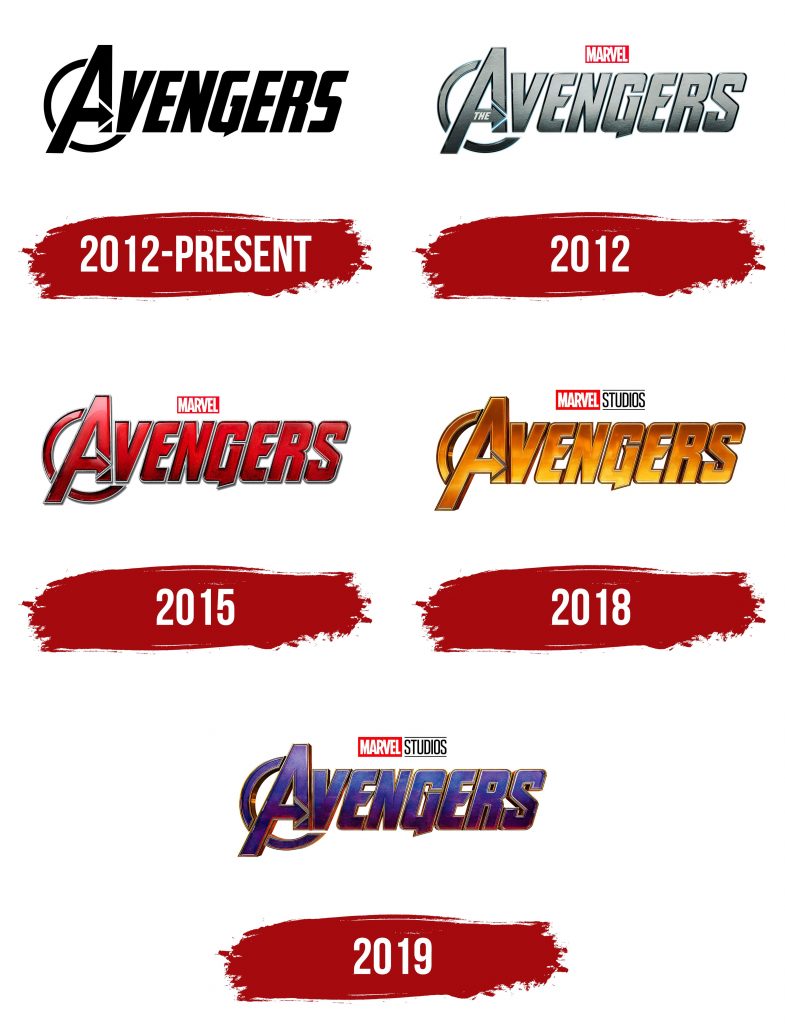
The Evolution of the Avengers Logo: Design, Meaning, and Impact
The Avengers first appeared in Marvel Comics in 1963, a creation of the legendary duo, Stan Lee and Jack Kirby. Conceptualized during a period marked by fierce competition with DC Comics, the Avengers were imagined as Marvel’s answer to the Justice League, combining several of its popular standalone characters into one formidable team. At the time, notable superheroes such as Iron Man, Thor, Hulk, Ant-Man, and Wasp were already capturing the public’s imagination, each with distinct powers and storylines. Bringing them together not only heightened the sense of their individual capabilities but underscored a profound narrative of collaboration and unity that transcended mere individual heroics. This approach was novel, marking the Avengers as not just a roster of powerful beings but a family-like unit, bound by shared purpose rather than genetic ties.
Instagram’s Iconic Logo Redesign: What Brands Can Learn
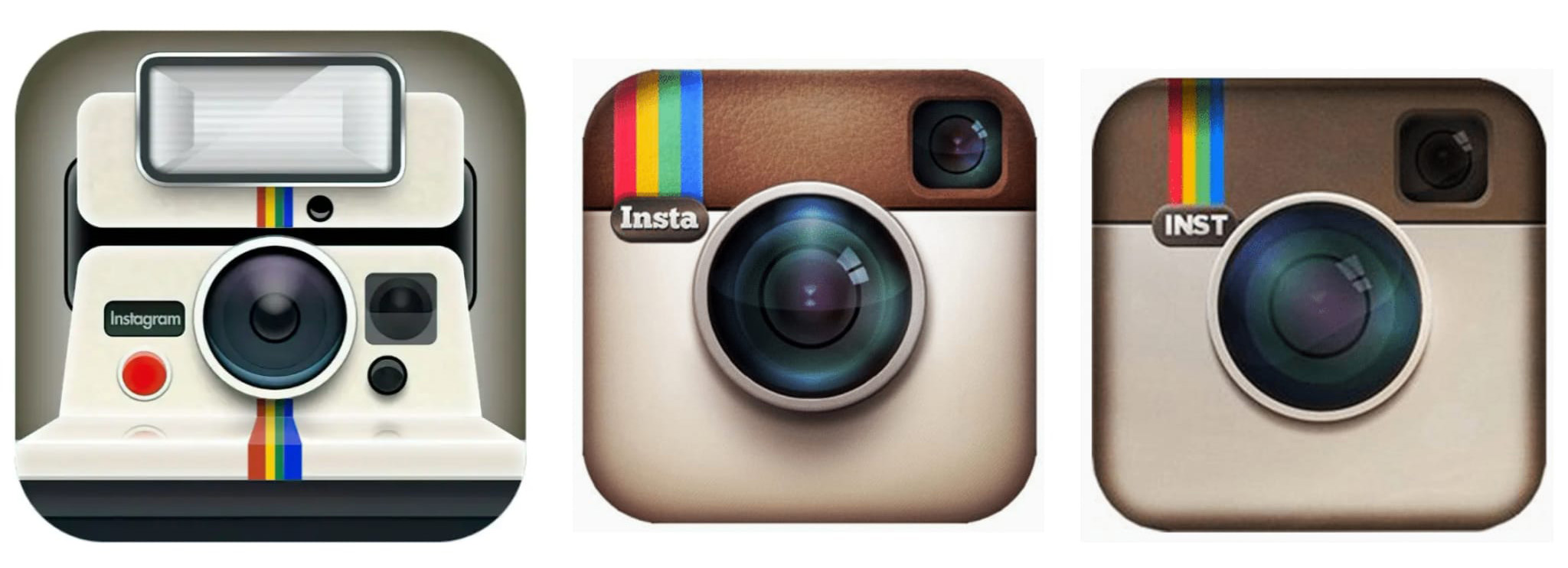
Can you imagine an app with 430 million monthly active users suddenly deciding to change its logo? Instagram did precisely that and successfully pulled it off. It wasn’t a one-time event, as the platform has continually evolved its branding to stay relevant. They made drastic changes to their memorable Polaroid camera in the past, eventually ending up with a flat icon.
From A to Z: The Story Behind Amazon's Logo and its Impact
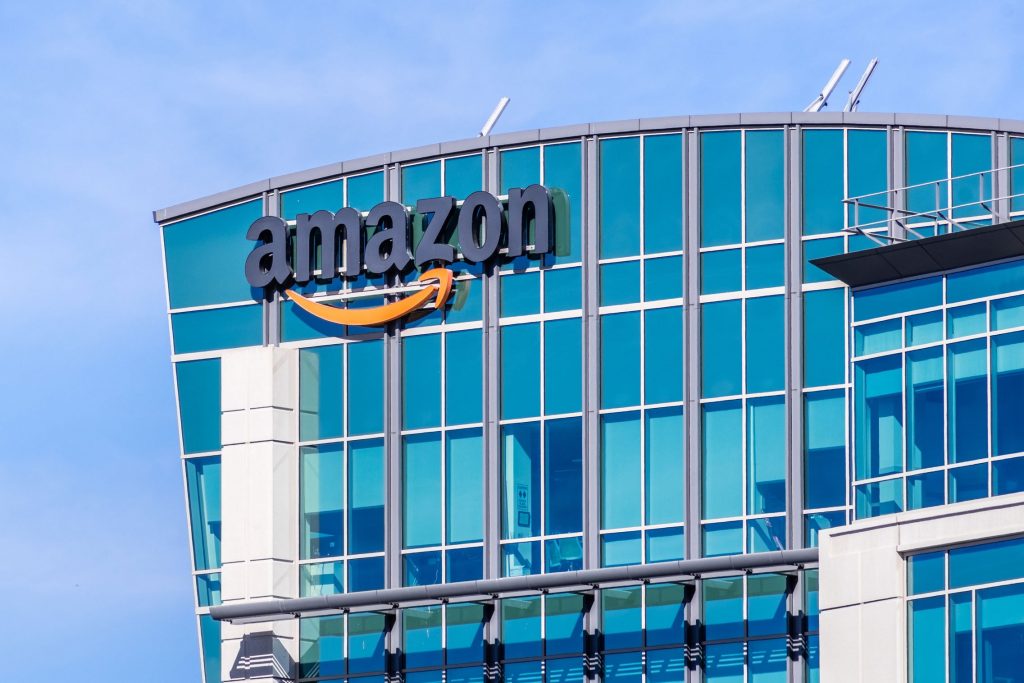
Amazon, one of the world’s most influential companies, has redefined the retail and technology landscapes. Founded in 1994 by Jeff Bezos, Amazon began as a humble online bookstore but quickly evolved into a global conglomerate, offering everything from cloud computing to entertainment services. Integral to this monumental growth is Amazon’s strategic use of branding, particularly its iconic logo. The Amazon logo is more than just a visual symbol; it represents the company’s ethos and plays a crucial role in brand recognition and consumer trust.
Not the Style You Want? Explore Our Other AI Models
Frequently Asked Questions (FAQ)
What is the key capability of the Raphael AI model?
The Raphael model is typically categorized as a specialized artistic model focused on high-quality aesthetic generation and style replication. It aims to produce images with the texture, brushwork, and composition quality associated with classic master artists.Is Raphael suitable for corporate design or logos?
While it can generate beautiful images, Raphael is primarily optimized for complex artistic imagery, illustrations, and digital painting. For clean, minimalist corporate logos, other text-rendering-focused models might be more suitable.How is it different from general models?
Models named after artists (like Raphael) are usually trained on vast artistic datasets, giving them a superior ability to interpret and execute prompts related to artistic medium, period, and style complexity.