
Streamlining a corporate identity into a single, decisive symbol allows a company to communicate absolute confidence in its service quality without saying a word. If you are a consumer prioritizing consistent connectivity, understanding the psychological cues in a logo can reveal a brand’s dedication to performance and stability. For decades, the Verizon visual identity has leveraged a simple red checkmark to embody the concept of “getting things done,” setting a high standard for how brand minimalism supports claims of network reliability.
- The red checkmark triggers a universal psychological response of verification and correctness.
- Minimalist design signals a confident, transparent approach to wireless connectivity.
- Visual consistency reinforces long-term claims regarding 5G Ultra Wideband performance.
- Simplifying a brand logo helps eliminate consumer confusion in a crowded market.
The Psychology of the Red Checkmark
I have always found the checkmark to be one of the most powerful symbols in human communication. It is not just a shape; it is a verdict. In the context of Verizon’s branding, the checkmark serves as a constant visual affirmation. When you see it, your brain instantly registers “correct,” “complete,” or “verified.”
According to design experts at Pentagram, who worked on the brand’s evolution, the checkmark is the universally understood symbol for getting things done. This is a brilliant strategic move for a utility provider. We don’t want our wireless service to be “creative” or “complex”; we want it to work. By adopting a symbol that represents a completed task, the brand subconsciously assures customers that their call will connect and their data will load.
Industry analysis suggests that simple symbols convey powerful meanings because they reduce cognitive load. When I look at a complex logo, I have to decipher it. When I see a red checkmark, I know exactly what the status is: System Normal.
Minimalism as a Power Move
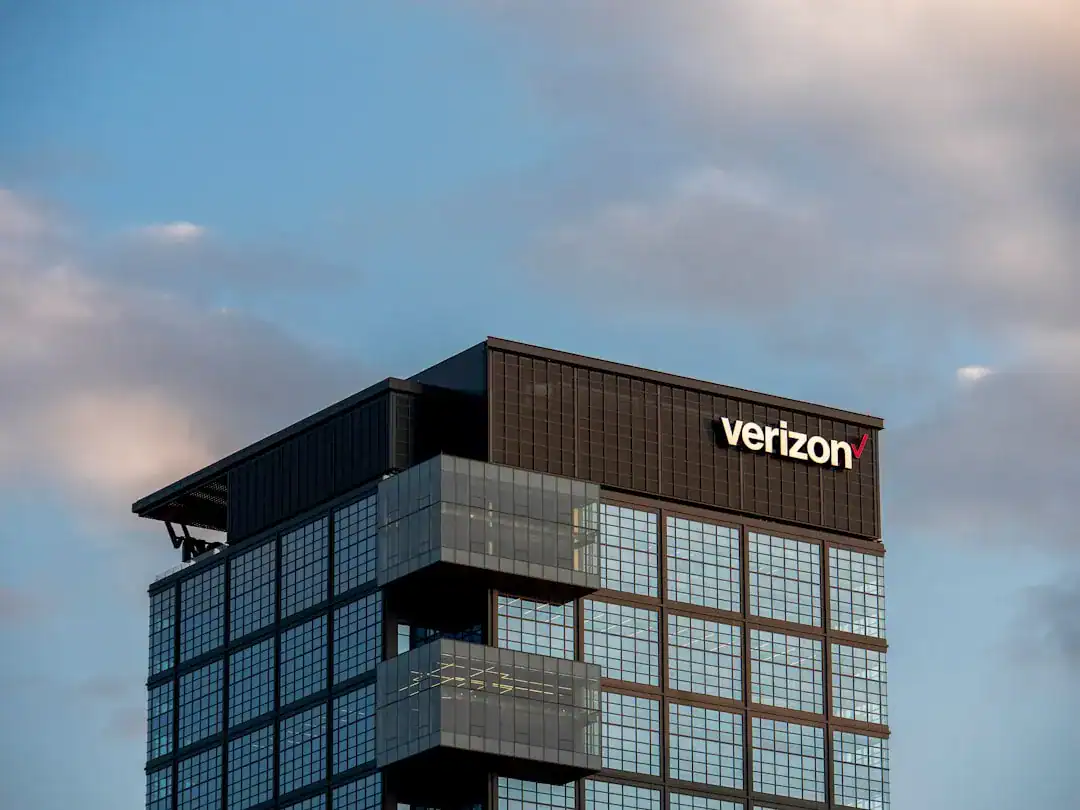
There is a misconception that minimalism is lazy. I argue the opposite: minimalism is brave. It takes immense confidence to strip away gradients, shadows, and extra text, leaving only the essentials. In the history of Verizon visual identity, the shift from the italicized, gradient-heavy logo of the early 2000s to the clean, stark branding we see today reflects a maturation of the company.
A “busy” logo often tries to compensate for a lack of identity. By removing the noise, a brand says, “We don’t need to shout to be heard.” This aligns perfectly with the concept of network reliability. A reliable network is invisible; it just works. Therefore, the logo should be equally clean and functional.
If you are a business owner or creator looking to emulate this level of confident simplicity, tools like Ailogocreator provide an efficient way to experiment with minimalist designs that convey trust without clutter. The lesson here is that you don’t need complexity to show value.
Visual Identity Meets Network Performance
The genius of the red checkmark lies in how it pairs with the company’s core value proposition. You cannot separate the logo from the claim of being the “Most Reliable Network.”
Market reports indicate that Verizon has been recognized 35 consecutive times for network quality by major customer satisfaction ratings. The visual identity acts as a seal of approval on these statistics. Every time a consumer sees an advertisement for 5G Ultra Wideband, the accompanying checkmark acts as a signature guaranteeing the speed.
If the logo were chaotic or constantly changing its core shape, it would subtly undermine the message of stability. Instead, the rigid, consistent use of the red checkmark (and later the red “V”) reinforces the idea that the infrastructure is solid. It creates a “visual anchor” for the consumer. In an industry where dropped calls are the enemy, a logo that looks unstable is a liability.
Evolving for the 5G Era
As wireless connectivity evolved from 3G to 5G Ultra Wideband, the brand needed to ensure its minimalism didn’t feel stagnant. The challenge is to remain recognizable while signaling the future.
Recent updates to the brand identity have further simplified the “check” into a glowing “V” or a sharper red accent. This evolution is necessary. 5G is about speed and low latency. A heavy, static logo doesn’t feel “fast.” By sharpening the angles and brightening the red, the visual identity mimics the energy and speed of modern data transfer.
I see this as a necessary adaptation. The “invisible” nature of 5G needs a visible representation. The new iterations maintain the heritage of the checkmark—the promise of reliability—while injecting a sense of digital vibrancy. It tells me that while the technology changes, the reliability remains the same.
The Business Impact of Consistent Branding
Why does this matter to the bottom line? Research on brand logos and firm performance indicates that visual symbols do more than just identify a company; they strengthen customer commitment. A consistent, reliable logo builds a “trust bank” with the consumer.
When a customer walks into a store or visits a website, that red checkmark cuts through the noise of competitors. It reminds them of past positive experiences. If the branding were to shift drastically every two years, that trust would reset. By maintaining the core elements of the red checkmark and minimalism, the brand leverages decades of equity.
This consistency allows the company to focus its marketing on new products like home internet or streaming bundles, knowing the core brand trust is already established. The logo does the heavy lifting of saying “We are safe,” allowing the copy to say “We are fast.”
FAQ
Why did Verizon choose a checkmark for its logo?
The checkmark is a universal symbol for verification, correctness, and task completion. It visually communicates the brand’s promise of reliability and getting things done for the customer.
How does brand minimalism affect consumer trust?
Minimalism suggests transparency and confidence. By removing visual clutter, a brand signals that it has nothing to hide and focuses entirely on the quality of its service.
Does a logo really impact perceptions of network speed?
Yes, indirectly. A sharp, modern, and clean logo creates a psychological association with efficiency and high-tech performance, whereas a dated or cluttered logo might suggest sluggishness.
What is the significance of the color red in this visual identity?
Red is a high-energy color that grabs attention and signifies action. In this specific context, it is used to represent vitality and the strength of the signal, distinguishing it from the blue tones often used by other legacy carriers.
Conclusion and Actionable Suggestions
The story of the red checkmark is a lesson in the power of restraint. By aligning a simple visual symbol with a massive operational promise, a brand can create an identity that feels as reliable as the utility it provides. For consumers and business leaders alike, there is value in recognizing that the loudest design isn’t always the strongest.
- Trust Simplicity: When evaluating services, look for brands that communicate clearly. Over-complicated visuals often mask operational inefficiencies.
- Value Consistency: A company that keeps its visual identity stable is often more likely to offer stable service.
- Look for the “Seal”: Treat the logo as a stamp of quality. If the branding aligns with the user reviews and data, you can move forward with confidence.
CommentsTake the first comment