
Mastering the subtle art of visual cues can transform a customer’s perception from “fast food” to “fresh fuel” in seconds. If you are a restaurant owner, brand strategist, or designer, understanding how global giants manipulate space and color is essential for your own success. This analysis breaks down the psychological triggers behind the Subway brand identity, exploring how food color psychology and spatial layout work together to build a convincing health narrative.
- Color Psychology: How green and yellow trigger specific hunger and health signals.
- Logo Mechanics: The hidden meaning behind the directional arrows in the Subway logo.
- Spatial Transparency: Why the “assembly line” layout builds trust.
- Visual Merchandising: Techniques that force the “freshness” perspective.
The Strategic Palette: Why Green and Yellow Work
I have always found the “ketchup and mustard” theory of fast food branding—where red and yellow trigger urgency and hunger—to be fascinating, but Subway completely disrupts this standard. Instead of inducing panic-eating, their palette uses specific food color psychology to prime the brain for nutrition. The brand relies heavily on a specific shade of green to signal freshness, vitality, and natural ingredients, while the yellow provides a necessary counter-balance of optimism and energy.
According to industry analysis on brand refreshes, this combination is not accidental. The green acts as a visual promise of vegetables and health, distancing the brand from the greasy connotations of fried food competitors. Meanwhile, the yellow prevents the brand from feeling too clinical or medicinal, adding a layer of warmth and accessibility. If they had used only green, it might feel like a pharmacy; only yellow, and it becomes a discount store. The balance is what sells the sandwich.
Core Color Functions:
- Subway Green: Represents crunchy vegetables, earthiness, and the “Eat Fresh” promise.
- Subway Yellow: Triggers feelings of joy, speed, and appetite without the aggression of red.
- White Space: Often used in packaging to suggest cleanliness and transparency.
Actionable Suggestion:
When defining your brand’s visual identity, do not just pick colors you like. select colors that solve a specific psychological problem. If your product is healthy but boring, add a high-energy accent color like yellow or orange to increase excitement.
The Arrow Effect: Visualizing Movement and Customization
The Subway logo meaning goes deeper than just a name tag; it is a diagram of the customer experience. The iconic arrows on the “S” and “Y” have survived decades of redesigns for a reason. They represent movement—entering the store, making your choices, and exiting with a custom product. I believe this directional design is one of the most successful implementations of kinetic typography in the food industry because it subliminally reinforces the concept of “fast” without sacrificing “custom.”
Design experts note that the 2017 “Fresh Forward” redesign simplified these arrows, removing the heavy dark borders to make the symbol feel lighter and more agile. This evolution aligns with a modern digital-first approach, where logos need to be legible on tiny mobile screens. The arrows also symbolize the “made-your-way” philosophy, implying that the direction of the meal is entirely up to the customer. It is a visual metaphor for control.
Evolution of the Directional Identity:
- 1968: Introduction of the arrows to symbolize travel and speed (originally “Pete’s Submarines”).
- 2002: Italics added to suggest forward momentum and speed.
- 2017: Flattened design to convey modern simplicity and digital readiness.
Actionable Suggestion:
Ensure your logo communicates what your business does, not just who you are. For entrepreneurs looking to test how directional elements impact their brand perception, platforms like Ailogocreator allow you to experiment with different iconographies and layouts rapidly.
Transparency as a Design Feature: The Make-Line Layout
The Subway store layout is arguably its strongest marketing tool. Unlike traditional fast-food chains where the kitchen is hidden behind a wall (the “black box” model), Subway puts the entire production process front and center. This visual merchandising technique creates a “transparency halo.” You watch the sandwich artist slice the bread and place the tomatoes. Even if the ingredients are standard industrial produce, the act of assembling them in front of you increases the perceived freshness.
Market research indicates that this layout affects consumer behavior by creating a “commitment tunnel.” Once a customer steps into the line, they are visually engaged with the ingredients. The glass barrier acts as a stage. I have noticed that this layout also creates social pressure; you are less likely to order unhealthy options when you have to verbally request them in front of others, though the “health halo” often leads people to underestimate the calorie count of sauces and breads.
Key Layout Mechanics:
- The Scent Trap: Baking bread smells are vented into the customer area, not outside, to trigger hunger immediately upon entry.
- The Glass Shield: Protects food but offers zero visual obstruction, implying “nothing to hide.”
- Linear Progression: The customer moves physically alongside their food, creating a sense of ownership before payment.
Actionable Suggestion:
If you sell a physical product, expose the process. Remove walls between the customer and the creation mechanism. Seeing the work happen builds value and trust more effectively than any advertising claim.
Fresh Forward: Evolving the Spatial Narrative
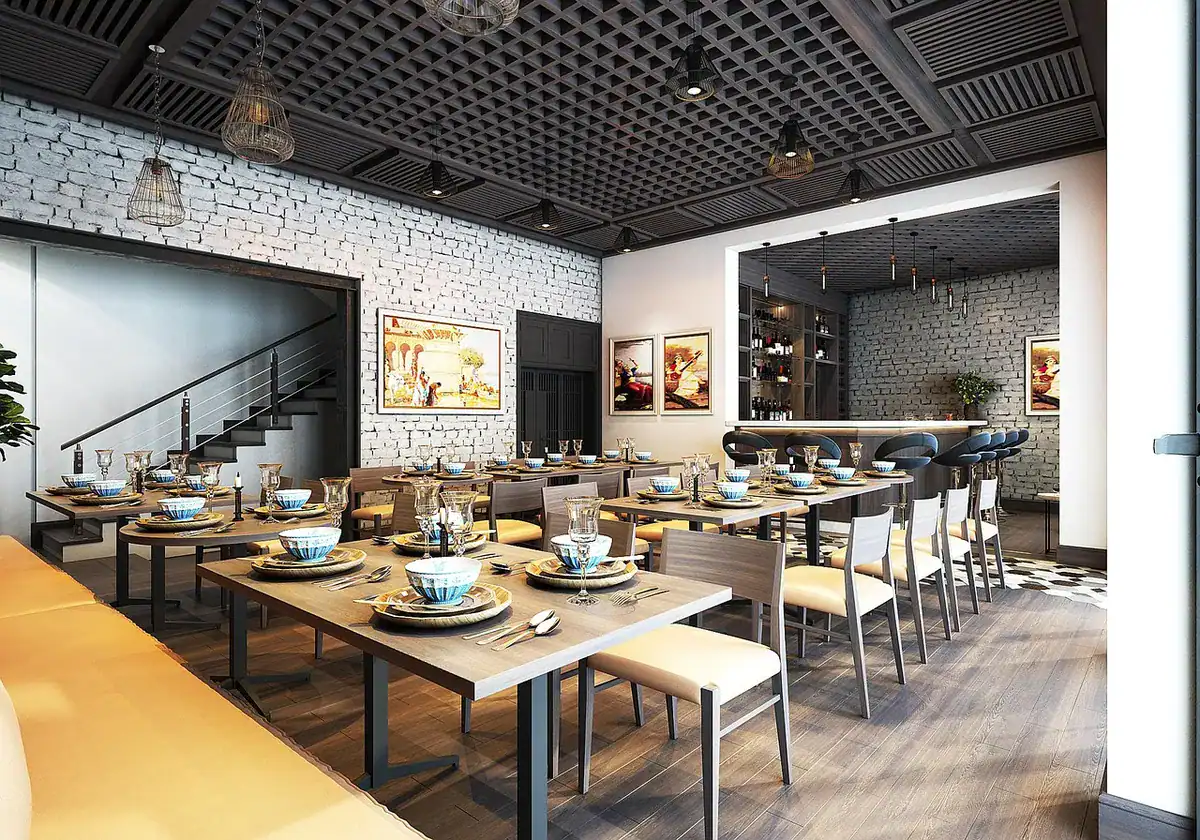
In recent years, the Subway visual identity has shifted towards what they call the “Fresh Forward” design. This is a direct response to the “fast casual” revolution led by brands offering higher-quality environments. The old subway map wallpapers and dark benches are gone, replaced by wood tones, better lighting, and digital kiosks. This shift is critical because the definition of “healthy” has evolved. It is no longer just about low calories; it is about the quality of the environment.
Reports on the 2024 “Fresh Forward 2.0” update highlight the introduction of vibrant decor elements and “bold wall graphics” that emphasize local messaging. The move to warmer wood tones and elevated lighting is designed to make the space feel less like a cafeteria and more like a dining room. It encourages dwell time, which contradicts the old “churn and burn” model of fast food. This suggests that Subway is trying to capture the remote worker or the casual diner who wants a “real” meal experience.
Features of the Fresh Forward Design:
- Digital Integration: Self-order kiosks to reduce anxiety and speed up throughput.
- Materiality: Shift from plastic laminates to wood textures and stone-inspired surfaces.
- Lighting: Focused track lighting on food displays to enhance color saturation of vegetables.
Actionable Suggestion:
Audit your physical or digital storefront. Does it look like it was built in 2010? “Freshness” is a temporal concept. If your design looks dated, customers will assume your product is too. Invest in lighting—it is the cheapest way to upgrade a space’s perceived value.
The Health Halo Effect in Spatial Design
The healthy fast food branding strategy relies heavily on the “health halo”—a cognitive bias where one positive attribute (fresh veggies) makes the entire product seem healthier than it is. Subway’s spatial design reinforces this. By placing the vegetable station at the most prominent visual point of the counter (often the middle or end, right before payment), they visually weight the transaction with “greenness,” even if the customer just bought a meatball sub.
Academic studies on restaurant environments suggest that viewing nutritional information and seeing fresh ingredients can influence purchase intentions, though the actual calorie reduction varies. Subway’s strategy is to make the environment feel healthy through bright lighting and clean lines. When the store feels clean and organized, the food feels “cleaner.” I find this fascinating because it shifts the burden of health from the actual nutritional content to the feeling of the brand experience.
Components of the Health Narrative:
- Visual Priming: Pictures of crisp vegetables on the walls.
- Color Temperature: Cool white lighting (4000K-5000K) makes greens look greener (warm light makes them look yellow/wilted).
- Auditory Cues: The sound of chopping or fresh prep (even if minimal) reinforces the narrative.
Actionable Suggestion:
Curate your focal points. What is the first thing a customer sees? Ensure it is your highest-value, most “virtuous” product. Use lighting temperatures that flatter your specific product (cool for veggies, warm for bakery items).
FAQ
Q: Why does Subway use green and yellow in their logo?
A: Green represents freshness, health, and natural ingredients, aligning with their “Eat Fresh” slogan. Yellow symbolizes optimism, joy, and speed. Together, they create a brand identity that feels energetic and nutritious without being aggressive like red-based competitors.
Q: What is the meaning behind the arrows in the Subway logo?
A: The arrows on the “S” and “Y” symbolize movement, direction, and choice. They represent the customer’s journey into the store, through the customization line, and out with a meal made exactly to their specifications.
Q: How does Subway’s store layout influence consumer behavior?
A: The linear “assembly line” layout forces customers to participate in the creation of their food. This transparency builds trust and perceived freshness. It also allows customers to see all options, often prompting impulse additions like cookies or chips at the register.
Q: What is the “Fresh Forward” design strategy?
A: It is Subway’s modernization initiative aimed at shedding the “fast food” image for a “fast casual” feel. It includes digital ordering kiosks, warmer wood tones, better lighting to highlight food quality, and a simplified, cleaner visual identity.
Q: How does visual merchandising affect the perception of health at Subway?
A: By placing fresh vegetables behind clear glass and using bright, cool lighting, Subway enhances the colors of the food, making it look fresher. This visual dominance of vegetables creates a “health halo” over the entire menu, even for higher-calorie items.
Conclusion and Actionable Suggestions
Subway’s dominance is not just about sandwiches; it is a triumph of directional design and color psychology. They have successfully convinced the world that “fast” does not have to mean “unhealthy” by strictly controlling the visual narrative from the logo to the light fixtures.
To apply these principles to your own brand strategy:
- Leverage Transparency: If your process adds value, show it. Do not hide the “making of” behind a wall.
- Audit Your Colors: Ensure your palette triggers the right emotional response. Use green for health, but balance it with warm tones to avoid sterility.
- Direct the Eye: Use directional cues (like arrows or linear layouts) to guide the customer journey and reduce decision fatigue.
- Modernize Materials: Texture matters. Replacing plastic finishes with natural textures (wood, stone) instantly elevates brand perception.
- Lighting is Key: Match your lighting temperature to your product. Use 4000K+ for fresh produce to make colors pop.
CommentsTake the first comment