
Mastering the strategic use of color is not merely an artistic choice but a business imperative that can elevate brand recognition by up to 80%. If you are a business owner or brand strategist aiming to capture market share, you must understand that every hue in your logo transmits a specific psychological signal to your audience. This article breaks down the complex interplay of Color psychology in branding, Cultural color symbolism, and Emotional branding to help you make decisions that resonate on a subconscious level.
- First Impressions Matter: Up to 90% of snap judgments about products are based on color alone.
- Cultural Context: A color that signifies trust in one region might signify mourning in another.
- Status Signaling: Black and white logos often convey higher status and “coolness” than colorful counterparts.
- Consistency is Key: Using standards like the Pantone color system ensures your emotional message remains intact across platforms.
The Silent Language of Brand Identity Design
I have often seen entrepreneurs choose logo colors simply because “it looks nice” or “it’s my favorite color.” This is a fundamental error. Brand identity design is not about personal preference; it is about communication. Research clearly indicates that color is the primary visual component people remember, often overriding shapes or text.
When a potential customer sees your logo, their brain processes the color before they even read the company name. Industry analysis suggests that color triggers a specific neural response that aligns—or clashes—with the brand’s intended message. For instance, if you are launching a finance app but choose a chaotic mix of neon yellow and pink, you are subconsciously signaling instability.
The stakes are high. A mismatch between your Logo color meanings and your business sector can create cognitive dissonance. Consumers expect certain palettes for specific industries—blue for finance, green for health—and deviating from this requires a calculated strategy, not a random guess.

Decoding Logo Color Meanings: Beyond the Basics
We often hear simplified rules like “red means passion” or “blue means trust.” However, the reality of Logo color meanings is far more nuanced.
Red: The Double-Edged Sword
While red is indeed associated with energy and excitement, recent studies on consumer emotion show that its impact depends heavily on context. For established brands, red signals authority and competence. However, for new players, it can sometimes be perceived as aggressive. I advise using red when you need to create a sense of urgency—think of clearance sales or fast-food chains stimulating appetite—but be wary of its potential to overwhelm.
Blue: The Safe Harbor
Blue is the overwhelming favorite for corporate America. It evokes feelings of confidence, success, and reliability. This is why it dominates the tech and financial sectors. But here is the catch: because it is so safe, it is also crowded. If you choose blue, you risk blending into a sea of competitors. You need to leverage distinct shades or unique pairings to stand out.
Green: Not Just for Nature
We automatically link green with Eco-friendly initiatives and sustainability. Yet, interesting data reveals that green also triggers perceptions of “toughness” and “durability.” This makes it an excellent, underutilized choice for outdoor equipment or construction brands, not just organic food companies.
Cultural Color Symbolism: A Global Minefield
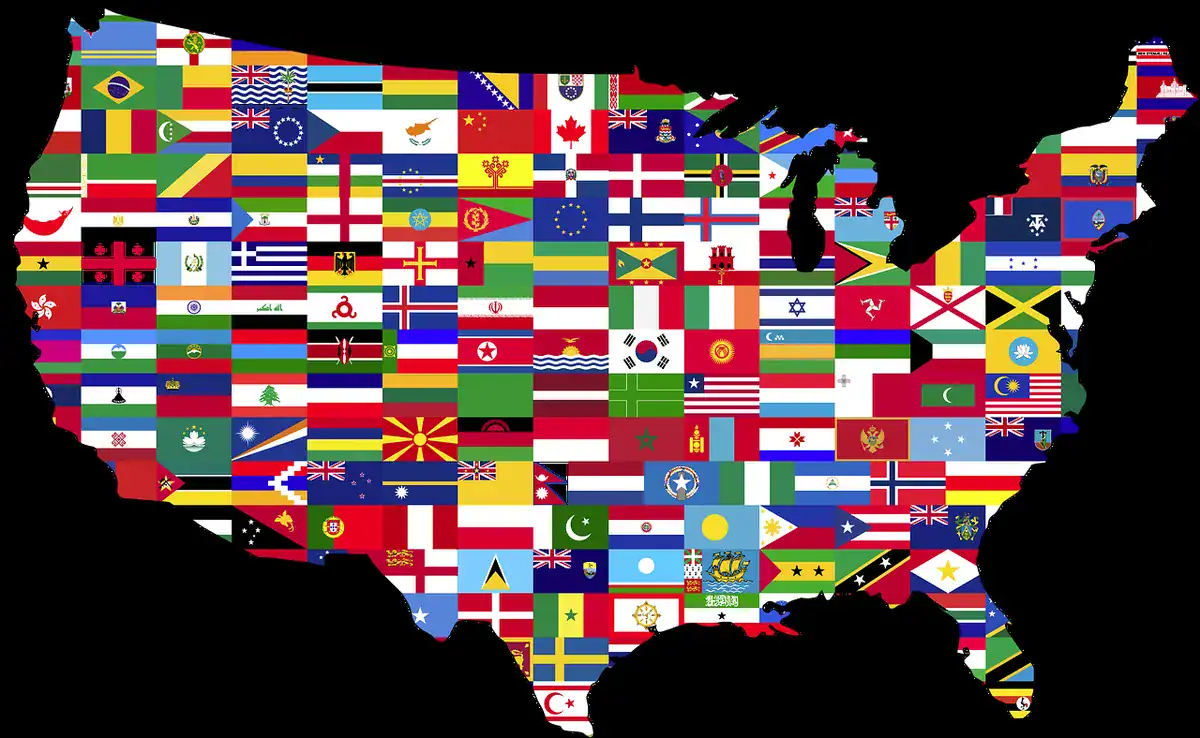
If you plan to scale your business globally, you cannot ignore Cultural color symbolism. What works in New York might fail spectacularly in Hong Kong.
I recall a case where a western brand struggled in an eastern market simply because they leaned too heavily on white, which is associated with death and mourning in some Asian cultures, whereas it symbolizes purity and cleanliness in the West. Similarly, while purple is linked to royalty and luxury in many Western contexts, it can have different, sometimes negative, associations in parts of Europe and South America.
Cross-cultural brand identity strategies demand that you research the local connotations of your chosen palette. You are not just designing for a global village; you are designing for distinct neighborhoods with deep-rooted traditions.
The “Coolness” Factor: When Less Color Means More Status
There is a fascinating trend in Brand identity design regarding the use of black, white, and grayscale. While bright colors attract attention, a lack of color often signals dominance.
Recent academic research on brand status perceptions indicates that black-and-white logos are frequently perceived as “cooler” and more luxurious than their multicolored counterparts. This absence of chromatic noise suggests that the brand is confident enough to let its product speak for itself. Think of high-end fashion houses or premium technology hardware; they rarely use rainbow palettes. They use monochrome to establish a hierarchy of taste.
If your goal is to position your brand as a premium or exclusive entity, stripping away color might be your most powerful move. It focuses the consumer’s attention on the form and the name, reducing visual clutter.

Leveraging Technology for Emotional Alignment
Understanding the theory is one thing; applying it requires iteration. In the past, testing different color combinations took days of back-and-forth with designers. Today, the landscape has shifted.
Efficiency is critical. When defining the Emotional branding of a new project, I recommend using advanced tools to visualize options rapidly. Platforms like Ailogocreator allow you to generate and compare multiple color variations instantly, helping you see how different palettes alter the emotional weight of your logo. This kind of rapid prototyping is essential for finding that “perfect match” between your brand’s values and its visual representation without burning through your budget.
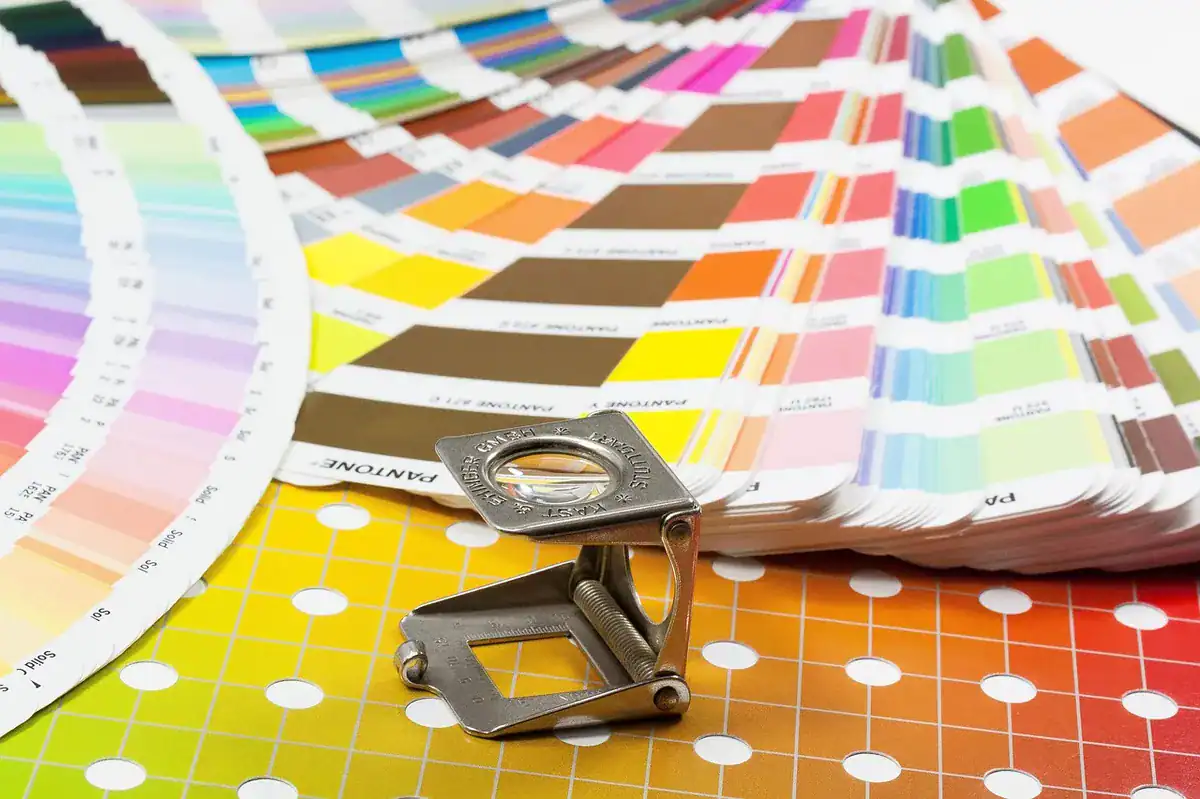
Precision Through the Pantone Color System
Once you have selected your colors, consistency becomes your next challenge. A color that looks like “trustworthy blue” on your screen might print as “depressing grey” on a business card.
This is where the Pantone color system becomes non-negotiable for professional branding. It provides a universal language for color. By defining your brand colors with specific Pantone codes, you ensure that whether your logo is on a billboard, a website, or a fabric tote bag, the emotional trigger remains consistent.
Inconsistency dilutes trust. If your red looks pink on a brochure, you look amateur. Professional brands lock down their color specifications early to protect their identity across all touchpoints.
FAQ
Q: Can I use multiple colors in my logo?
A: Yes, multi-colored logos (like Google or eBay) suggest diversity, openness, and playfulness. However, they are harder to execute well. Ensure the colors have the same tonal intensity to avoid visual chaos.
Q: How often should I update my brand colors?
A: Rarely. Color builds memory. Changing it frequently breaks the mental link consumers have with your brand. Only rebrand if your current colors actively harm your positioning or if the market has shifted drastically.
Q: Is blue really the best color for trust?
A: Statistically, yes. It is the safest bet for conveying reliability. However, “safe” doesn’t always mean “best” for your specific strategy. Sometimes, a warm earth tone can convey a more personal, human type of trust than a cold corporate blue.
Q: Does color psychology affect men and women differently?
A: There are slight variances—some studies suggest women prefer softer tints while men prefer brighter shades—but these are generalizations. It is more effective to design for the psychographics (values/interests) of your audience rather than just their gender.
Conclusion and Actionable Suggestions
Your logo’s color is always speaking, even when you are not. It whispers promises of reliability, screams urgency, or signals exclusive status. To harness this power effectively, you must move beyond personal taste and treat color as a strategic asset.
Here is how you can apply these insights immediately:
- Audit Your Competitors: Map out the colors used by your top 5 competitors. Identify the gap. If everyone is using blue, look at teal or purple to stand out while keeping the “cool” temperature.
- Define Your Emotional Goal: Write down the top three emotions you want your customers to feel (e.g., safe, energized, sophisticated). Match these strictly to Color psychology in branding principles.
- Check Cultural Safety: If you have international ambitions, screen your chosen colors against the cultural norms of your target regions to avoid embarrassing taboos.
- Test Variations: Don’t settle on the first draft. Use modern tools to generate 10-20 variations and test them with a small segment of your target audience.
- Standardize Immediately: Once decided, lock your colors down with Pantone color system codes and strictly enforce them in your brand guidelines.
CommentsTake the first comment