
A successful rebrand should amplify a company’s core promise, not dismantle the very language its users speak. If you are a brand strategist, designer, or entrepreneur, understanding the abrupt shift from Twitter to X offers a masterclass in high-stakes identity gambling. The move discarded over a decade of emotional connection, a topic often dissected in resources like The Inspiration Handbook: Deconstructing the Logic Behind 20+ Top Logos.
Here are the critical dimensions of this transformation:
- The stark contrast between the friendly “Larry the Bird” and the aggressive, monochromatic “X”.
- The financial impact of erasing a verb (“tweet”) from the global lexicon.
- The legal and trademark complications of choosing a generic Unicode character.
- The strategic pivot toward an “everything app” and the user alienation that followed.
The Visual Shift: From Organic Connection to Industrial Coldness
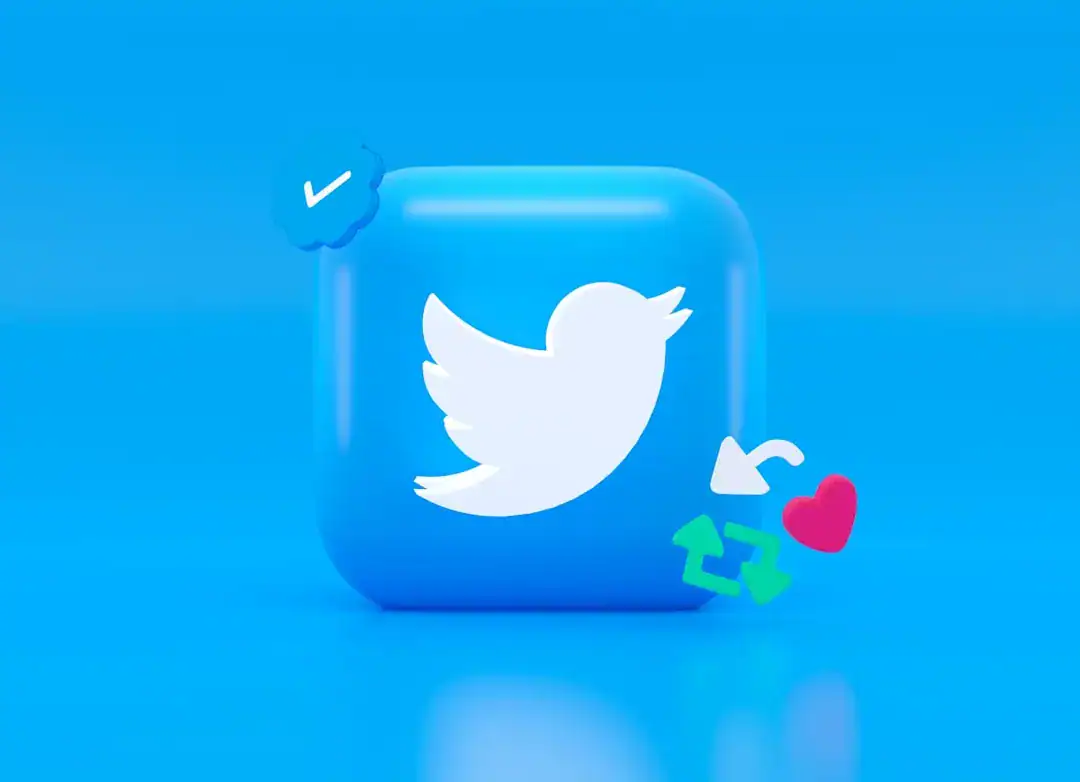
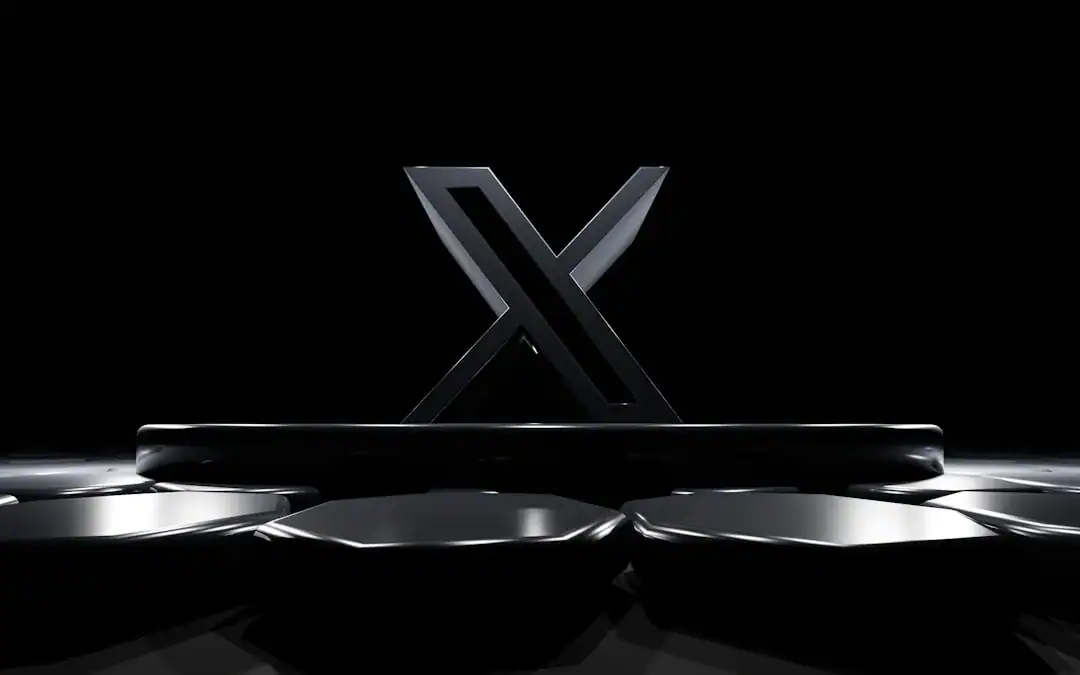
The most immediate shock in this rebranding effort was the visual language. For years, Twitter’s blue bird was a symbol of optimism, chatter, and connectivity. It was organic, rounded, and distinctive. In contrast, the X logo feels industrial, cold, and surprisingly generic.
I find the execution incredibly lazy. The logo is essentially a Unicode character, lacking the bespoke craftsmanship usually associated with tech giants. According to design critiques, the bird had personality—it even had strict guidelines forbidding users from giving it a “ledge” to perch on, preserving its flight. The X, however, has been described by some designers as looking like a “wrapper for a condom” or a warning sign.
Key Design Differences:
- Color Palette: Shifted from a trusting, calm blue to an aggressive, mysterious black and white.
- Shape Language: Moved from soft curves and circles to sharp angles and intersecting lines.
- Emotional Resonance: Transitioned from “community square” to “exclusive club” or “restricted area.”
Actionable Suggestion:
When refreshing a visual identity, never abandon your brand’s emotional anchors unless you are completely changing your business model. Test your new assets against “warmth” and “trust” metrics before launch.
Brand Equity Destruction: The Cost of Killing a Verb
Twitter possessed what marketers call the “Holy Grail” of branding: its name became a verb. People “tweeted.” They didn’t “post on Twitter.” Changing the name to X instantly evaporated this linguistic dominance. Industry analysts estimate this single decision wiped out between $4 billion and $20 billion in brand value.
From my perspective, this wasn’t just a rebrand; it was an asset demolition. Musk’s vision is to create an “everything app” similar to WeChat, covering payments, media, and messaging. However, by severing ties with the “Twitter” name, he forced a cold start on a mature platform. The user base, already wary of platform changes, found themselves disoriented.
Impact on Market Position:
- Loss of Distinctiveness: “X” is a variable, not a name. It requires context to be understood.
- Competitor Advantage: The chaos gave rivals like Threads an opening to capture the “text-based conversation” market.
- Ad Revenue: Advertisers hesitated, unsure of the new brand’s safety and stability.
Actionable Suggestion:
If your brand name has become a category descriptor (like Google or Xerox), treat it as a sacred asset. If you must expand, consider a “house of brands” architecture (like Meta owning Facebook) rather than overwriting your primary product.

The Trademark Nightmare of a Single Letter
Choosing “X” is perhaps the most legally perilous move a global company could make. Trademark law relies on distinctiveness, and “X” is one of the most common letters used in branding.
Legal experts note that hundreds of trademarks for “X” already exist, owned by entities ranging from Microsoft (Xbox) to Meta and various smaller tech firms. This makes defending the brand nearly impossible and invites a deluge of litigation. A distinct logo is a fortress; a generic letter is an open field.
This lack of foresight creates a weak foundation for a global empire. A brand must own its visual territory. By picking a symbol that anyone can type on a keyboard, X Corp surrendered its visual sovereignty.
Actionable Suggestion:
Always conduct a comprehensive trademark search before falling in love with a name. Avoid single letters or common dictionary words if you want a defensible IP moat.
User Alienation and the “Everything App” Ambition
The transition was not just cosmetic; it was a signal of a hostile cultural shift. The “X” rebrand felt imposed rather than introduced. Trust is the currency of social networks, and the sudden, erratic changes eroded it.
I believe modern branding requires a “user-first” approach. Users felt the platform they helped build was being taken away. The dark, angular aesthetic of X appeals to a specific, perhaps edgier demographic, but it alienates the broader public and advertisers who prefer “brand-safe” environments.
In this context, using intelligent tools to generate brand assets can be a smarter path for emerging companies. Platforms like Ailogocreator exemplify how technology can produce unique, scalable logos that balance modern aesthetics with distinctiveness, avoiding the trap of generic symbols that X fell into.
Actionable Suggestion:
Communicate the “why” before the “what.” If you are pivoting to a new functionality (like payments), show users the value first. Don’t change the sign on the door while the shop is still selling the old merchandise.
FAQ
Why did Twitter rebrand to X?
Elon Musk envisions X as an “everything app” integrating audio, video, messaging, and banking. The rebrand signals a move away from being just a “public square” for short text (tweets) to a broader utility platform.
How much brand value was lost during the transition?
Financial and branding experts estimate that abandoning the Twitter name and bird logo destroyed between $4 billion and $20 billion in brand equity, largely due to the loss of the verb “tweet” and global recognition.
Is the X logo unique?
No, the X logo is widely considered generic. It closely resembles a standard Unicode character and is similar to Monotype’s “Special Alphabets 4” font. This lack of uniqueness makes it difficult to trademark and protect.
What are the legal risks of the name X?
Since “X” is commonly used in trademarks (e.g., by Meta and Microsoft), the company faces high risks of trademark infringement lawsuits and may struggle to register and defend its identity globally.
Conclusion and Actionable Suggestions
The transformation from Twitter to X serves as a stark warning about the dangers of ignoring brand heritage. While the ambition to build a super-app is valid, the execution disregarded the emotional and financial value of the existing brand. It was a leap of faith that landed on shaky ground.
For your own brand strategy, consider these steps:
- Audit Your Assets: Before rebranding, calculate the dollar value of your current awareness and terminology.
- Respect the User: Change is hard. Validate your new visual identity with your core community to avoid unnecessary alienation.
- Secure Your IP: Ensure your new name and logo are distinct enough to be legally protected.
- Bridge the Gap: If you must pivot, create a transition plan that connects the old identity to the new vision, rather than severing the link overnight.
- Study the Greats: Use resources like The Inspiration Handbook: Deconstructing the Logic Behind 20+ Top Logos to understand why certain symbols endure while others fade.
CommentsTake the first comment