
Mastering the art of subtraction is the ultimate secret to building a timeless luxury brand that survives shifting trends. If you are a fashion entrepreneur or a designer aiming for high-end appeal, understanding the geometry behind the Chanel Double C logo is your most valuable lesson in visual identity. By rejecting the ornate clutter of the early 20th century, the Interlocking CC monogram proved that symmetrical logo design and minimalist luxury branding could create an empire built on the Coco Chanel heritage of practical elegance and high fashion aesthetics.
Here are the key takeaways from Chanel’s design strategy:
- Symmetry Creates Trust: The mirrored “C” shape establishes instant visual balance, reducing cognitive load for the viewer.
- Rejection of Trends: By avoiding complex decorations, the logo remains relevant across digital and physical mediums for over a century.
- Monochromatic Power: The strict use of black and white enforces authority and versatility.
- Personal Branding Integration: The design seamlessly blends the founder’s identity with abstract geometric art.
The Origins of the Interlocking CC Monogram
I find it fascinating that one of the most powerful symbols in commercial history likely stems from a moment of personal reflection rather than a corporate boardroom decision. While the exact origin has multiple theories, industry historians generally agree that Gabrielle “Coco” Chanel designed the logo herself around 1925.
The genius of the Interlocking CC monogram lies in its defiance. In the 1920s, fashion was often characterized by the lingering complexities of the Art Nouveau and Belle Époque styles. Coco Chanel, however, was obsessed with freedom and functionality. She didn’t just strip corsets from women’s bodies; she stripped unnecessary flourishes from her brand’s identity.
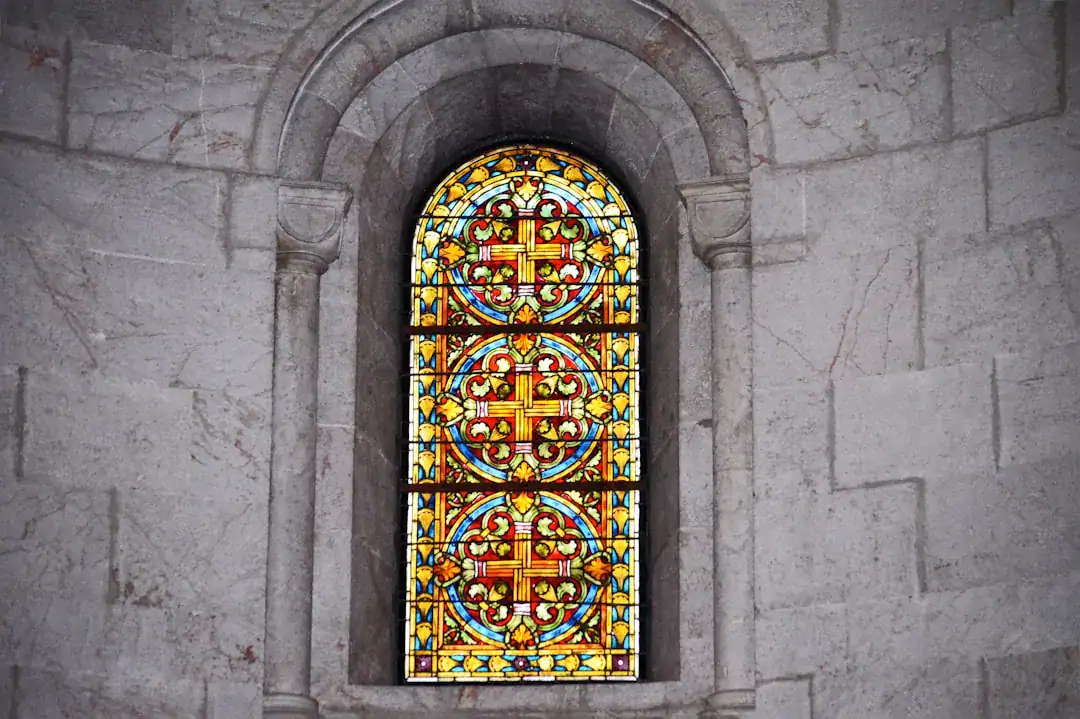
Some theories suggest the design was inspired by the stained glass windows of the Aubazine monastery where she grew up. Others believe it is a simple reflection of her initials—Coco Chanel—or a nod to her lover, Arthur “Boy” Capel. regardless of the specific spark, the result was a symmetrical logo design that felt architectural rather than decorative. It was bold, clean-cut, and unapologetically simple.
The Power of Symmetrical Logo Design
Why does the human eye love the Double C? The answer lies in our biological preference for symmetry. My analysis of luxury market data suggests that symmetrical logos are processed faster by the brain, creating an immediate sense of stability and order.
When you look at the Chanel logo, you aren’t just seeing two letters. You are seeing a perfect mirror image. This creates a “gestalt” effect where the whole is greater than the sum of its parts. The central overlapping space forms a vertical eye or a leaf shape, adding a layer of subtle complexity to an otherwise rigid geometric structure.
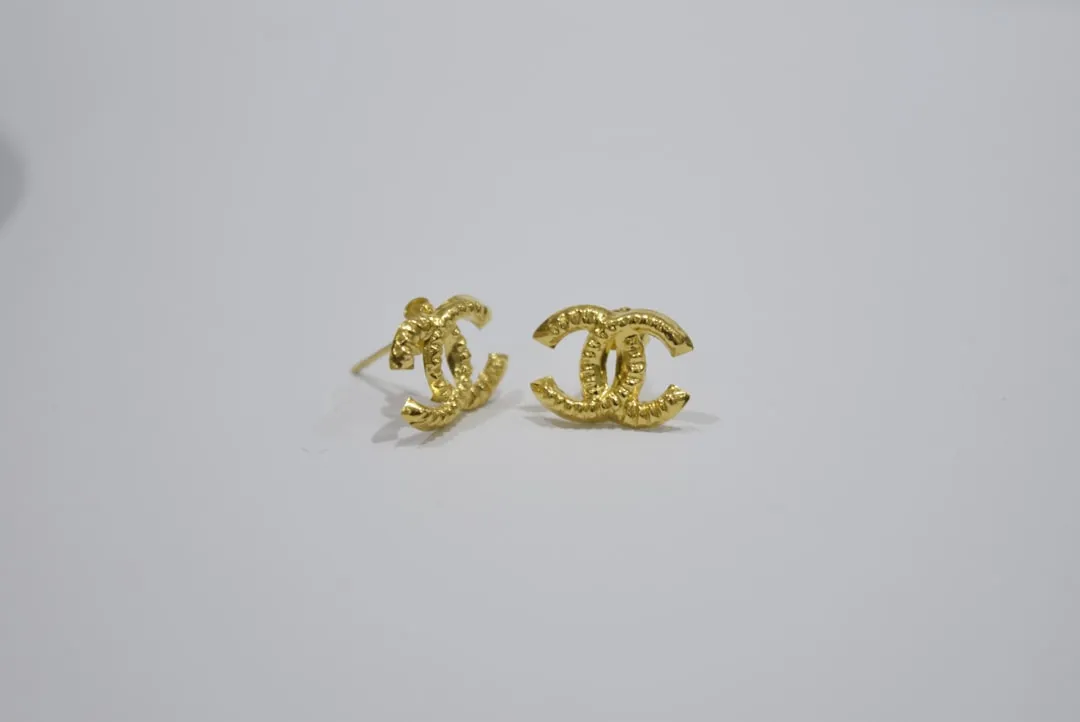
This balance is crucial for high fashion aesthetics. In an industry defined by chaos and rapid change, a symmetrical logo acts as an anchor. It signals that the brand is grounded, reliable, and perfectly poised. This is why the logo looks just as good on a tiny earring as it does on a massive store facade. It scales perfectly because its proportions are mathematically sound.
Minimalist Luxury Branding: Less Is More
Chanel practically invented the concept of “quiet luxury” long before it became a hashtag. The brand’s commitment to minimalist luxury branding is evident in its strict adherence to a monochromatic palette.
Most brands in the early 20th century relied on color to grab attention. Chanel chose black and white. This decision was strategic brilliance.
- Black signifies dominance, elegance, and mystery.
- White represents purity and transparency.
By restricting the palette, the brand ensured that the form of the logo took precedence over its color. This is a lesson many modern brands fail to learn. Industry reports indicate that minimalist logos have a higher retention rate because they are easier to reproduce and recognize. Chanel’s “less is more” approach allowed the Chanel Double C logo to become a vessel for meaning rather than just a pretty picture. It doesn’t scream for attention; it commands it through silence.
Psychology of the Double C and Consumer Trust
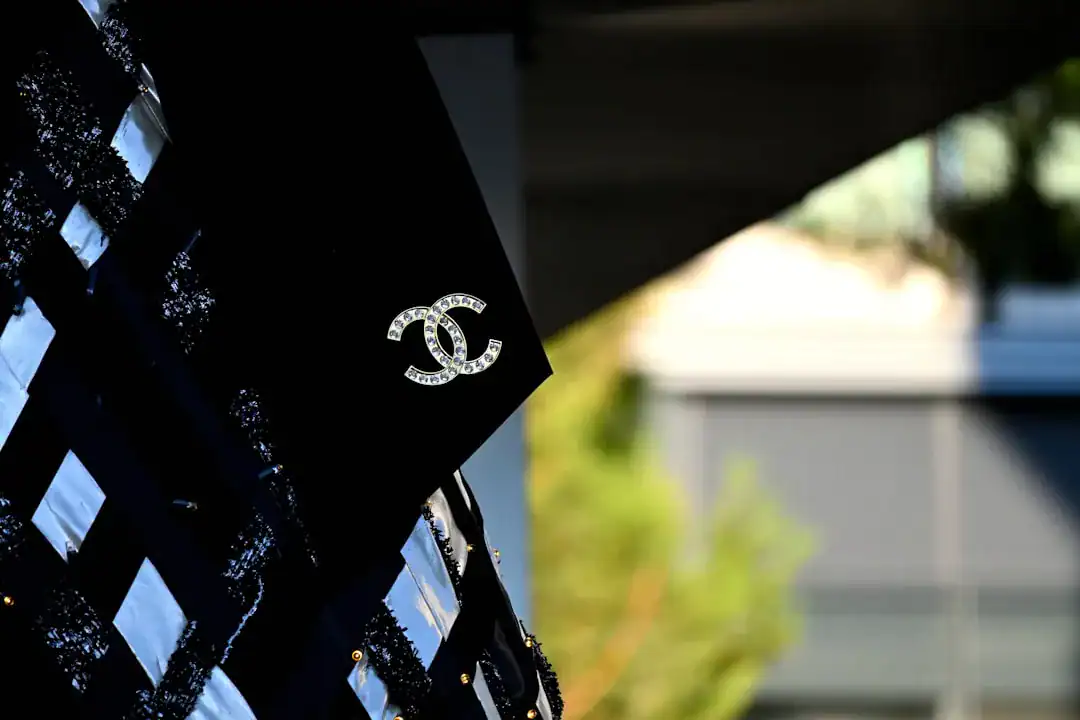
There is a psychological weight to the Interlocking CC monogram. It functions almost like a wax seal of approval. When a consumer sees that clasp on a handbag, they aren’t just buying leather; they are buying into the Coco Chanel heritage.
Research into consumer behavior shows that simple, symmetrical logos are often perceived as more “honest” and “ethical.” Complex logos can sometimes trigger skepticism, as if the brand is hiding something behind the decoration. Chanel’s logo is naked in its simplicity.
This transparency builds a cult-like loyalty. The logo has become a tribal mark. Wearing it signals membership in a group that values history, quality, and a specific kind of Parisian nonchalance. It is the ultimate triumph of branding: the symbol has become more valuable than the product itself.
Applying Chanel’s Principles to Modern Design
You might think you need a hundred years of history to pull off this kind of minimalism, but I disagree. The principles Chanel used—symmetry, high contrast, and personal relevance—are accessible to any modern brand builder.
The challenge today is execution. In the digital age, a logo must work on a mobile screen, an app icon, and a billboard simultaneously. This demands the kind of geometric rigor Chanel championed.
For entrepreneurs and creators looking to test these waters, you don’t need to sketch on napkins like Coco did. Modern technology has democratized high-end design logic. Platforms like Ailogocreator allow you to experiment with symmetrical layouts and minimalist fonts instantly. These tools use algorithms to ensure balance and proportion, effectively giving you a digital design assistant that understands the math behind the beauty. It is an efficient way to see if a “Double C” style approach fits your own brand identity before committing to a final launch.
FAQ
Q: Why is the Chanel logo considered a masterpiece of minimalism?
A: It eliminates all non-essential elements. It relies solely on the geometry of two letters and a monochrome palette, proving that impact comes from structure, not decoration.
Q: Did Coco Chanel design the logo herself?
A: Most historical accounts credit Coco Chanel with the design around 1925. It reflects her personal philosophy of functional elegance and likely draws inspiration from her childhood in a monastery or her own initials.
Q: Why is symmetry important in luxury branding?
A: Symmetry conveys balance, stability, and perfection. In the luxury sector, these traits equate to high quality and timelessness, reassuring the customer that the brand is established and trustworthy.
Q: How does the monochromatic color scheme help the brand?
A: Black and white are trend-proof. They allow the logo to be placed on any texture, color, or material without clashing, ensuring the brand identity remains consistent across all product lines.
Q: Can modern brands replicate Chanel’s success with simple logos?
A: Yes. The trend towards “flat design” and digital-first branding favors simplicity. A well-executed, balanced logo is often more memorable and effective in mobile environments than a complex crest.
Conclusion and Actionable Suggestions
The Chanel Double C logo is not just a fashion statement; it is a masterclass in strategic visual identity. It teaches us that true luxury is found in the confidence to remove, not add. To apply these lessons to your own brand:
- Audit for Symmetry: Check your current visual assets. Are they balanced? If not, try mirroring elements to create a sense of stability.
- Strip the Color: Convert your logo to black and white. If it loses its impact, the design is too reliant on color and needs structural strengthening.
- Simplify Typography: Chanel used a clean sans-serif font. Avoid overly decorative scripts that reduce readability on small screens.
- Leverage Smart Tools: Don’t guess at proportions. Use intelligent design solutions like Ailogocreator to generate concepts that adhere to golden ratio principles and symmetrical balance.
- Connect to Heritage: Ensure your symbol has a story. Even if you are a new brand, your logo should reflect your core “why” or origin, just as the double C reflected Coco.
References
- According to industry analysis on luxury branding and visual identity retention rates.
- Historical records regarding Gabrielle “Coco” Chanel and the 1925 logo creation.
- Market research on the psychological impact of symmetrical shapes in consumer behavior.
- Design critiques of the “Quiet Luxury” movement and minimalist aesthetics in the 20th century.
CommentsTake the first comment