
Injecting authentic human character into your visual identity is the single most effective way to build trust in an AI-saturated market. If you are a creative director or business owner aiming to modernize your image, understanding the shift towards “imperfect” typography is essential. The latest data on Modern cursive fonts reveals a massive pivot from polished vectors to raw, textured Handwritten logo design, influencing everything from Luxury typefaces to street-style Brush lettering in 2026.
- Bulky Scripts: Why thin lines are out and “gym-ready” bold strokes are dominating commercial branding.
- The “Anti-Design” Rebellion: How chaotic, messy ink splatters are redefining youth-oriented brand identities.
- Signature Authority: The rise of hyper-realistic Signature script fonts that mimic actual pen pressure.
- Luxury Tapering: The specific structural changes in Branding typography that define high-end elegance for the coming year.
The Rise of Bulky and “Gym-Ready” Scripts
I have noticed a distinct shift away from the delicate, hairline scripts that dominated the wedding and beauty industries for years. In 2026, Modern cursive fonts are literally “hitting the gym.” According to trend forecasts from major type foundries, the new wave of handwritten typography is chunky, bold, and unapologetically heavy. This isn’t just an aesthetic choice; it is a functional response to the shrinking screens of mobile devices where visibility is paramount.
For food and beverage brands, this trend is a goldmine. Thick, flavorful strokes communicate richness and indulgence far better than spindly lines ever could. I recently analyzed several rebranding case studies where switching to a heavier weight script increased shelf visibility by significant margins.
- Key Characteristic: Low contrast, monoline weight, rounded terminals.
- Actionable Tip: Use bulky scripts for packaging headers where the text needs to pop against busy backgrounds.
- Trend Insight: “Juicy” and “puffy” letterforms are replacing rigid geometric sans-serifs in lifestyle sectors.
The “Human Touch”: Imperfection as a Premium Feature
There is a growing fatigue with perfection. Audiences know when they are looking at a sterile, computer-generated curve. Consequently, Handwritten logo design in 2026 is embracing the “messy” reality of actual ink. Industry reports highlight a surge in demand for fonts that include ink splatters, unpredictable ligatures, and varying baseline heights.
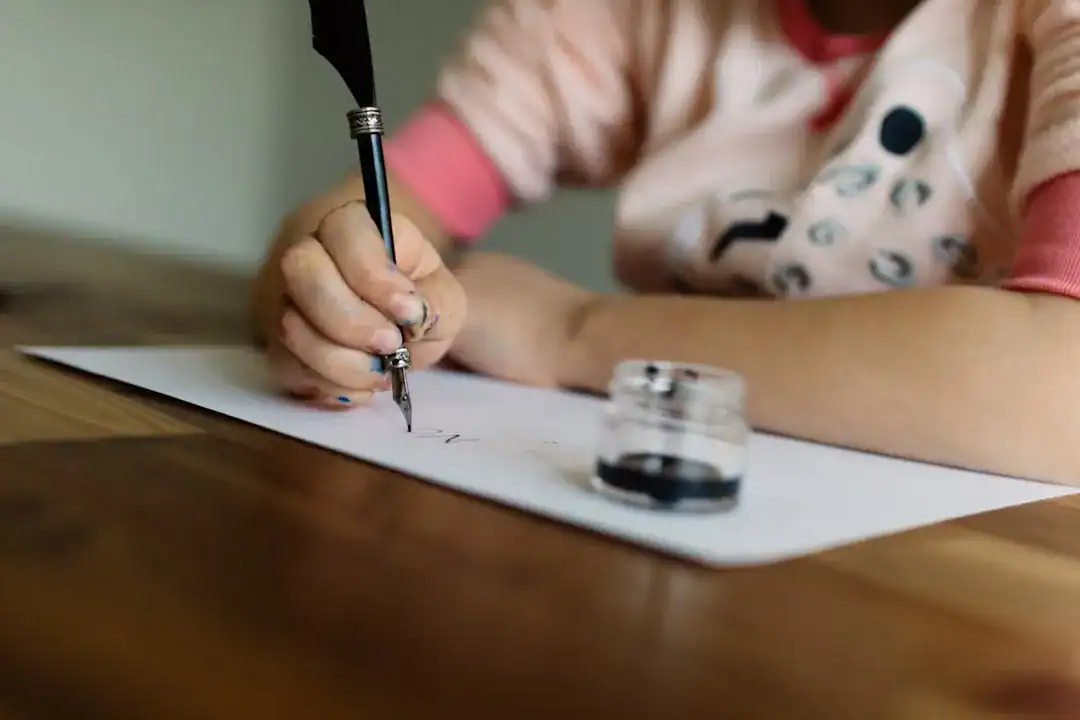
One standout example in this category is the “dip pen” aesthetic. Fonts like SA Washington Ink Pen emulate the unpredictable flow of liquid ink, including the occasional blotch or scratch. This creates a subconscious connection with the viewer, signaling that a human being, not an algorithm, is behind the brand.
Why this matters for your brand:
- Authenticity: Ideally suits artisanal products, flower shops, and boutique services.
- differentiation: In a sea of clean sans-serifs, a messy script stops the scroll.
- Emotion: Imperfection implies vulnerability and honesty.
Expert Note: Don’t clean up the edges too much. The rough texture is where the value lies.
Signature Scripts: Restoring Corporate Trust
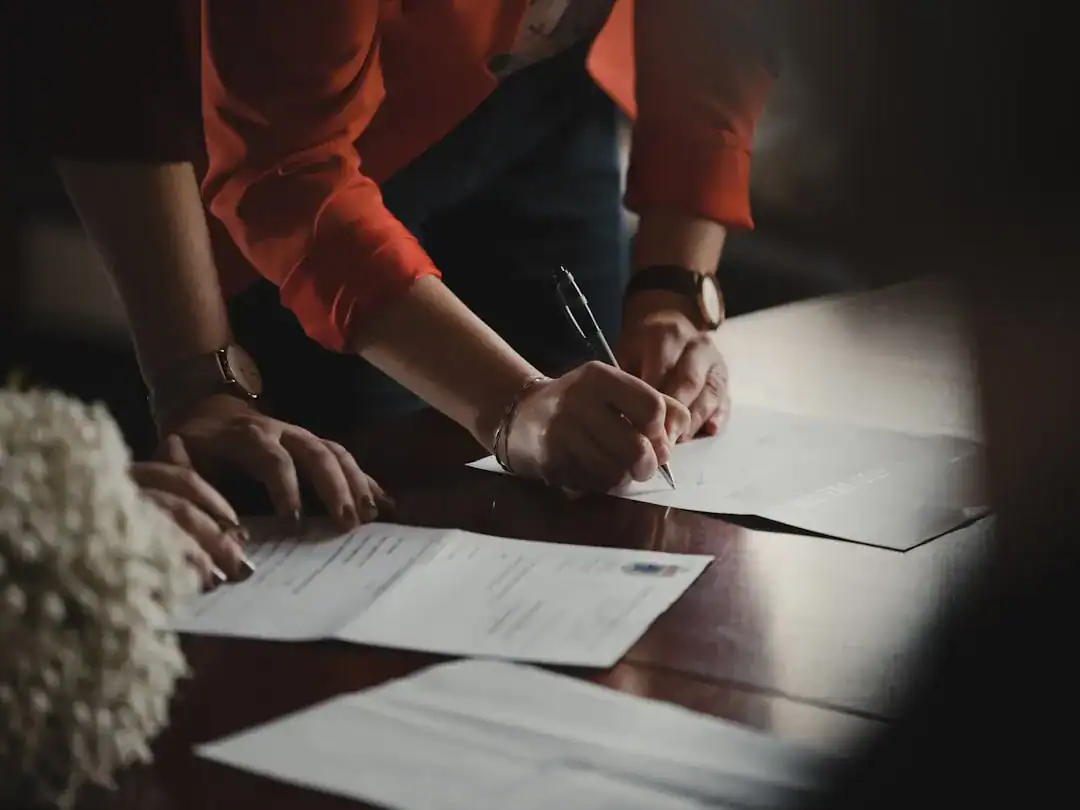
If you work in finance, real estate, or consultancy, you might think cursive is too informal. I disagree. The new generation of Signature script fonts is specifically designed to bridge the gap between professionalism and approachability. Unlike the looping, decorative scripts of the past, 2026’s signature trends favor fast, monoline strokes that look like a confident executive’s autograph.
Fonts such as Birthstone or BlackJack are gaining traction because they blend traditional cursive structure with a modern, hasty flair. They suggest, “I personally approve this.” When I advise corporate clients on Branding typography, I often suggest using these signature styles for sign-offs on email marketing or as a secondary logo element to humanize the corporate face.
Top Applications for Signature Fonts:
- Email Signatures: Adds a personal touch to automated newsletters.
- Certificates: Replaces Old English blackletter with something more contemporary.
- Photography Watermarks: stylish yet unobtrusive.
Luxury Tapering: The Evolution of High-End Typography
Luxury typefaces are undergoing a subtle but powerful transformation. For 2026, the trend is “tapered typography.” This involves scripts that feature extreme contrast between thick and thin lines, but with a specific focus on “tapered waists”—the point where two lines connect.
Market analysis indicates that high-end fashion and beauty brands are moving away from standard Didot-style serifs toward these fluid, tapered scripts. The look is sharp, dangerous, and incredibly elegant. It mimics the pressure of a calligraphy nib but with the precision of a scalpel. If you are designing for a premium label, this is the direction to watch.
- Visual Cue: Look for flared endpoints and razor-sharp terminals.
- Vibe: Expensive, exclusive, and timeless.
- Recommendation: Pair these scripts with generous white space. Crowding them destroys their elegance.
The Anti-Design Movement: Chaos and Graffiti
For brands targeting Gen Z, playing it safe is a death sentence. The “Anti-Design” trend has pushed Brush lettering into chaotic new territories. We are seeing fonts that look like aggressive graffiti, marker scribbles, and rebellious scrawls.
This style, often referred to as “trash” or “grunge” typography in design circles, rejects the rules of balance and legibility. It is raw energy. Fonts like SA No Rules capture this spirit perfectly. They are widely used in streetwear, music festivals, and protest art.
Implementing Chaos Safely:
- Limit Usage: Use for 2-3 word headlines only. Never for body text.
- Contrast: Pair with a boring, neutral sans-serif to ground the design.
- Color: High-contrast neon on black works best for this aesthetic.
Implementing Trends with Modern Tools
Understanding these trends is one thing; applying them quickly is another. The speed of the market means you often need to visualize how a Handwritten logo design looks in various contexts before committing to a license.
While custom typography is the gold standard, modern AI-assisted tools have become incredibly efficient at prototyping these specific styles. I have found platforms like Ailogocreator to be useful for quickly iterating through different script styles—from bulky brush strokes to elegant signatures—allowing designers to test the “vibe” of a font against real-world mockups instantly. This kind of rapid testing is vital when deciding between a messy “rebel” look or a clean “luxury” feel.
FAQ
Q: Are cursive fonts legible enough for main logos?
A: Yes, but it depends on the style. The 2026 trend towards “bulky” scripts specifically addresses legibility issues. If you choose a bold, low-contrast script, it works well even at small sizes.
Q: Can I use signature scripts for a tech company?
A: Absolutely. A clean, monoline signature script can humanize a tech brand. It suggests that real people are behind the code. Avoid overly ornamental calligraphy, which feels outdated for tech.
Q: What is the biggest mistake to avoid with brush lettering?
A: Overusing it. Brush lettering has high visual weight and texture. If you use it for more than a headline, it becomes unreadable. Treat it like an image, not text.
Q: How do I choose between a “messy” font and a “luxury” font?
A: Look at your price point. “Messy” fonts imply accessibility, youth, and raw energy. “Luxury” tapered fonts imply precision, exclusivity, and high cost. Align the font’s personality with your product’s price tag.
Q: Will these trends last beyond 2026?
A: The shift toward “authenticity” and “human” imperfections is a long-term macro trend. As AI content increases, the value of human-looking, imperfect handwriting will likely continue to rise for the next decade.
Conclusion and Actionable Suggestions
The typography landscape for 2026 is defined by a desire for human connection. Whether through the heavy impact of bulky scripts or the raw honesty of ink splatters, the goal is to break through the digital noise.
To apply these insights effectively:
- Audit your current assets: If your script font looks too perfect or vector-smooth, replace it with something that has texture or irregular edges.
- Match the weight to the medium: Use Bulky handwritten styles for mobile-first brands and packaging to ensure readability.
- Don’t fear the mess: For lifestyle brands, embrace Brush lettering with ink blots and rough textures to signal authenticity.
- Upgrade your signature: Swap out generic script fonts for a modern Signature script that looks fast and monoline for a professional update.
- Test before you buy: Use efficient tools to visualize how different Luxury typefaces or rebellious scripts look on your actual brand materials before finalizing the design.
CommentsTake the first comment