
Mastering the art of negative space allows you to embed subconscious brand values that stick with consumers for decades without adding visual clutter. If you are a business owner or designer aiming for a timeless visual identity, understanding the psychology behind hidden symbols is a non-negotiable skill. The famous FedEx logo arrow, designed by Lindon Leader, stands as the ultimate case study in using Gestalt principles and subliminal branding to communicate speed and precision.
- The Power of Discovery: Why “hidden bonuses” create stronger customer loyalty than obvious icons.
- Psychological Hooks: How the brain processes figure-ground relationships to form permanent memories.
- Design Efficiency: Achieving maximum communication impact with minimal visual elements.
- Modern Application: Leveraging AI tools to replicate this level of sophistication in seconds.
The “Happy Accident” That Defined a Global Brand
I often find it fascinating that one of the world’s most deliberate corporate symbols began as a moment of serendipity. In 1994, Lindon Leader was tasked with rebranding “Federal Express” to the punchier “FedEx.” The goal was to shed the bureaucratic weight of the word “Federal” and communicate the speed of modern logistics. He didn’t start with the intention of hiding an arrow.
During the design process, Leader experimented with two fonts, Univers 67 and Futura Bold. He noticed that by tightening the tracking (the space between letters), the uppercase “E” and the lowercase “x” naturally formed a vague arrow shape. It wasn’t perfect. He had to manipulate the letterforms meticulously, blending the two fonts to straighten the lines and refine the geometry.
Key Elements of the Discovery:
- Reduction: Shortening the name focused attention on the typography.
- Iteration: Over 200 concepts were reviewed before this “hidden” gem was polished.
- Restraint: Leader resisted the urge to make the arrow a different color, keeping it subtle.
According to design interviews, Leader stated that the power of the arrow lies in it being a “hidden bonus.” If you see it, great; if not, the logo still works. However, once a consumer spots it, they never unsee it. This creates a permanent cognitive imprint.
Actionable Suggestion: When designing your brand, look for shapes naturally created by your company name’s letters. Don’t force an icon; let the typography guide the solution.
Gestalt Principles: Why Your Brain Loves a Puzzle
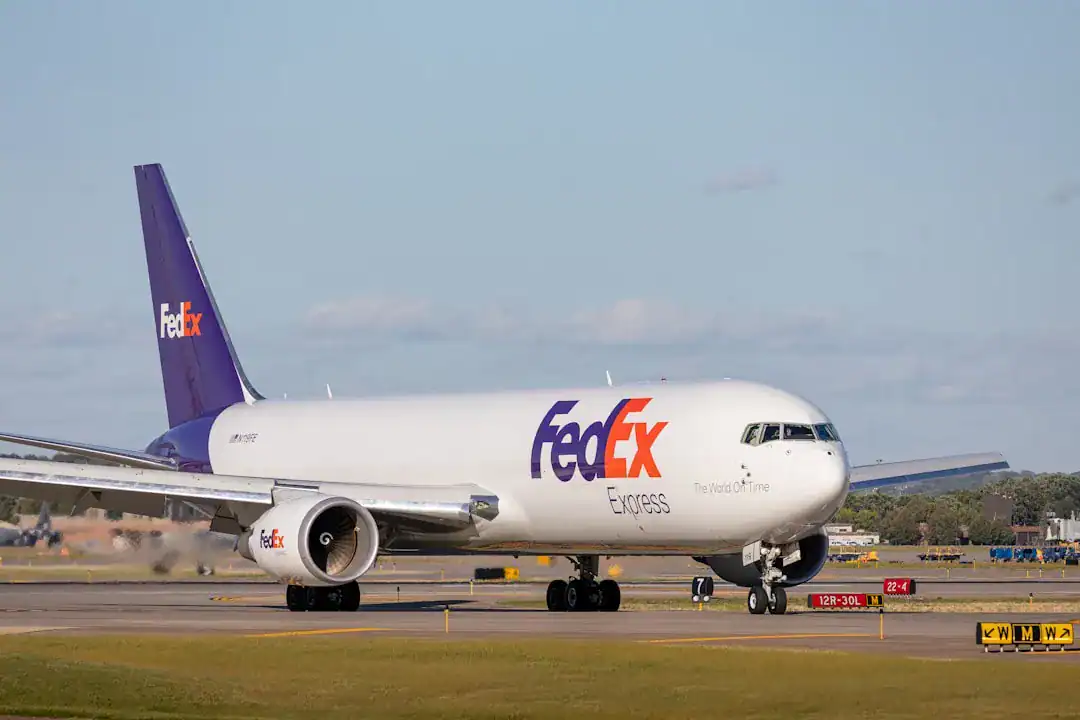
The scientific reason the FedEx logo works so well lies in the Gestalt principle of “Figure-Ground.” This psychological concept explains how our brains distinguish between an object (the figure) and its background (the ground). In most designs, the background is passive. In the FedEx logo, the background is active.
I believe the brilliance here is the engagement it demands from the viewer. The brain enjoys resolving visual ambiguity. When the mind flips the switch and recognizes the white space as an arrow, it releases a small amount of dopamine. It’s the satisfaction of solving a puzzle. This chemical reaction physically reinforces the memory of the brand.
Why the Brain Engages:
- Closure: The mind fills in gaps to create a complete image.
- Simplicity: The brain prefers simple, recognizable forms (like an arrow) over complex noise.
- Reward: Discovering a hidden layer creates a feeling of being an “insider.”
Industry analysis suggests that less than 20% of people notice the arrow initially without being told. Yet, this “secret” aspect drives word-of-mouth marketing. People love pointing it out to friends, effectively becoming brand ambassadors just to show off their knowledge.
Actionable Suggestion: Use high contrast in your visual identity. Ensure your negative space is as deliberate as your positive space to trigger this figure-ground effect.
Subliminal Branding and the Value of “Aha!” Moments
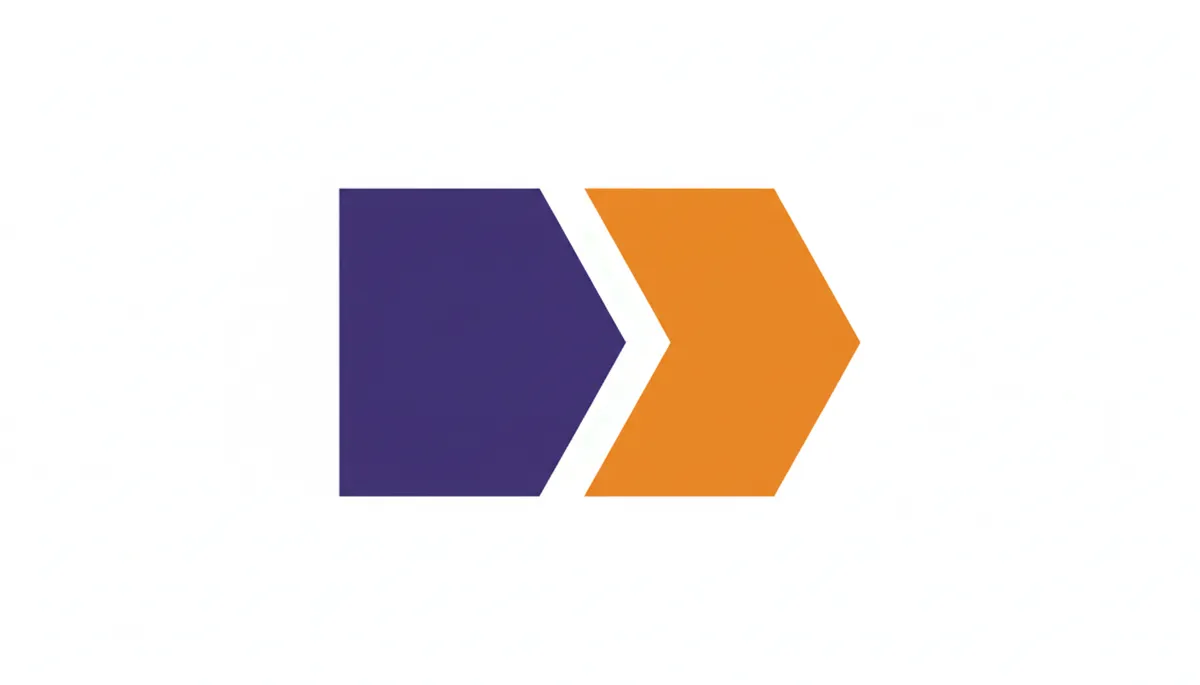
Subliminal branding is often misunderstood as some dark art of manipulation, but in reality, it is about alignment. The FedEx arrow isn’t just a cool trick; it creates a subliminal association with the company’s core value proposition. An arrow moves forward. It hits a target. It implies direction and speed.
If the logo had a cartoon delivery truck, it would feel dated within five years. Symbols like arrows are primal and universal. By hiding it, FedEx communicates that speed and precision are intrinsic to their DNA, not just a marketing sticker they slapped on the side of a box.
Brand Values Communicated:
- Forward Momentum: The arrow points right, indicating the future and progress.
- Precision: The tight fit of the letters implies exactness—essential for logistics.
- Reliability: The sturdy, blocky font suggests stability.
Market research indicates that brands with “Easter eggs” or hidden meanings enjoy higher engagement rates. It transforms a static logo into a conversation piece. I have seen countless brands try to mimic this, but they often fail because the hidden symbol doesn’t relate to the business. A hidden bear in a chocolate logo (like Toblerone) works because of the city’s heritage; a hidden shape in a tech logo must relate to the product.
Actionable Suggestion: Ensure your hidden message aligns with your service. If you are in finance, stability is key; if you are in tech, innovation is the goal. Don’t hide a symbol just for the sake of it.

From Manual Genius to AI Precision
Lindon Leader spent months and hundreds of iterations to find that perfect spatial relationship. It was a labor of love and obsession. Today, the landscape of design has shifted dramatically. We now have access to intelligent tools that can simulate these design iterations at lightning speed.
I have observed that modern platforms like Ailogocreator are democratizing this level of sophistication. These tools can analyze typography and geometric relations faster than a human eye, suggesting negative space opportunities that might otherwise be missed. While Leader had to manually tweak the “E” and “x” pixel by pixel, AI algorithms can instantly test thousands of font combinations to see where natural shapes emerge.
How Modern Tools Enhance Design:
- Rapid Prototyping: Generate 50 variations of letter spacing in seconds.
- Geometric Analysis: Algorithms ensure the “negative” shape is mathematically balanced.
- Objectivity: AI doesn’t get “tunnel vision”; it presents options purely based on visual data.
This doesn’t replace the designer’s taste, but it amplifies their ability to find those “happy accidents.” Using a high-quality generation tool allows startups to achieve a polished, thoughtful look that previously required a six-figure agency budget.
Actionable Suggestion: Use AI tools to generate the initial volume of ideas. Look specifically for layouts where letters touch or overlap, as these are the gold mines for negative space opportunities.
Economic Efficiency: Doing More with Less Ink
There is a practical, financial side to negative space that I think gets overlooked. The FedEx logo is incredibly cost-effective. It uses two colors (purple and orange). The arrow costs zero dollars to print because it is just the absence of ink.
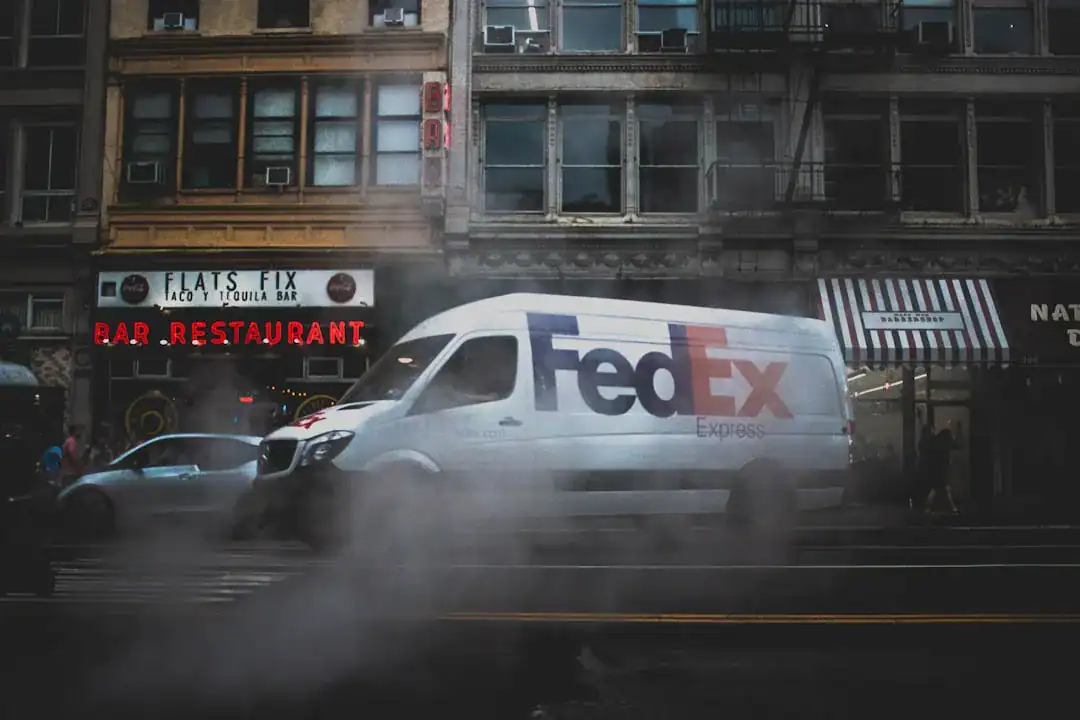
In a world where logos must appear on everything from the tail of a massive cargo plane to a 16-pixel favicon on a smartphone, simplicity is king. Complex logos turn into mud when shrunk down. The FedEx logo remains crisp at any size.
The ROI of Negative Space:
- Scalability: legible on a business card or a billboard.
- Reproduction Costs: Fewer colors and simpler shapes mean cheaper printing.
- Visual Latency: The brain processes simple shapes faster, essential for vehicles moving at high speeds.
According to global design rankings, this efficiency is why the logo remains untouched since 1994. It is a masterclass in economic design. Every pixel justifies its existence.
Actionable Suggestion: Audit your current visual assets. Remove every element that isn’t absolutely necessary. If the meaning remains clear, keep deleting.
FAQ
Q: Did the designer plan the arrow from the beginning?
A: No, it was not the initial goal. Lindon Leader discovered the potential for an arrow while experimenting with the spacing between the “E” and “x” in different fonts. It was a result of iterative exploration.
Q: Why is the FedEx logo considered subliminal branding?
A: It is considered subliminal because the arrow communicates values like speed and direction without being explicitly drawn. It works on a subconscious level for those who don’t immediately notice it.
Q: What fonts were used to create the FedEx logo?
A: The design is a custom blend of Univers 67 (Bold Condensed) and Futura Bold. The designer had to modify the letterforms manually to create the perfect negative space for the arrow.
Q: Can I use AI to create a negative space logo?
A: Yes. Advanced tools like Ailogocreator can help identify typographic combinations and geometric alignments that favor negative space designs, significantly speeding up the creative process.
Q: Why do some people not see the arrow?
A: This is due to the Figure-Ground principle. The brain naturally prioritizes the letters (the figure) over the white space (the ground). Seeing the arrow requires a cognitive shift to treat the white space as the figure.
Conclusion and Actionable Suggestions
The FedEx logo teaches us that the most powerful marketing messages are often the ones whispered, not shouted. By mastering negative space, you respect your audience’s intelligence and invite them to participate in your brand story. This engagement builds a bond that money can’t buy.
To apply this wisdom to your own brand:
- Tighten Your Tracking: Experiment with reducing the space between letters in your logo to see what shapes naturally form.
- Focus on Function: Ensure any hidden symbol relates directly to what you do (e.g., speed, growth, security).
- Prioritize Contrast: Use bold fonts and high-contrast colors to define the boundaries of your negative space clearly.
- Leverage Technology: Don’t rely solely on manual sketching; use AI tools to explore geometric possibilities you might miss.
- Keep it Simple: If you have to explain the hidden meaning, it’s too complex. The best negative space designs are self-evident once discovered.
CommentsTake the first comment