
Understanding the geometric precision behind Kobe Bryant’s logo offers a masterclass in how visual identity can immortalize a philosophy. If you are a designer, athlete, or entrepreneur looking to build a brand that outlasts trends, this analysis is for you. We often see athlete logos as mere merchandise stamps, but the “Sheath” is a calculated intersection of raw talent, life experience, and the Black Mamba symbol.
- How six geometric shapes form a narrative of talent versus experience.
- The role of abstract symmetry in creating a timeless personal brand.
- Why the “Mamba Mentality” required a logo that felt like a weapon.
- Actionable lessons for creating logos that embody personal philosophy.
The Geometry of the Sheath: More Than Just a Symbol
When I look at the Kobe Bryant logo, I don’t just see a cool graphic; I see a weapon. Officially known as “The Sheath,” the design is a triumph of geometric logo design because it refuses to be literal. Unlike the silhouette logos of the 90s, this emblem uses abstract forms to convey intensity. The design is composed of six distinct geometric shapes that come together to form the hilt of a sword. It is sharp, segmented, and aggressive, mirroring the way Kobe dissected defenses on the court.
The genius here lies in the negative space and symmetry. Eric Avar, the legendary Nike designer who worked closely with Kobe, didn’t just draw a snake. He used geometry to build a totem. Industry analysis suggests that the logo’s strict symmetry allows it to remain “sharp and serious” whether it is 2D, 3D, or embossed on the sole of a sneaker. It looks futuristic today, nearly two decades after its creation, because math doesn’t age.
Key Geometric Elements:
- Triangular Segments: Suggest upward motion and structural stability.
- Negative Space: Creates an internal channel, often interpreted as the “sword” within.
- Symmetry: Represents balance and focus, core tenets of the Mamba Mentality.
Expert Insight: Design historians note that the abstract nature of the logo allows it to be interpreted in multiple ways—some see a sword sheath, others see the head of a venomous snake, and some even spot a stylized number “8” in the negative space.
Actionable Suggestion: When designing a personal brand, do not just draw what you do (e.g., a basketball). Draw how you do it. Use sharp angles for aggression or soft curves for fluidity to communicate your temperament through geometry.
Visualizing the Intangible: Talent vs. Experience
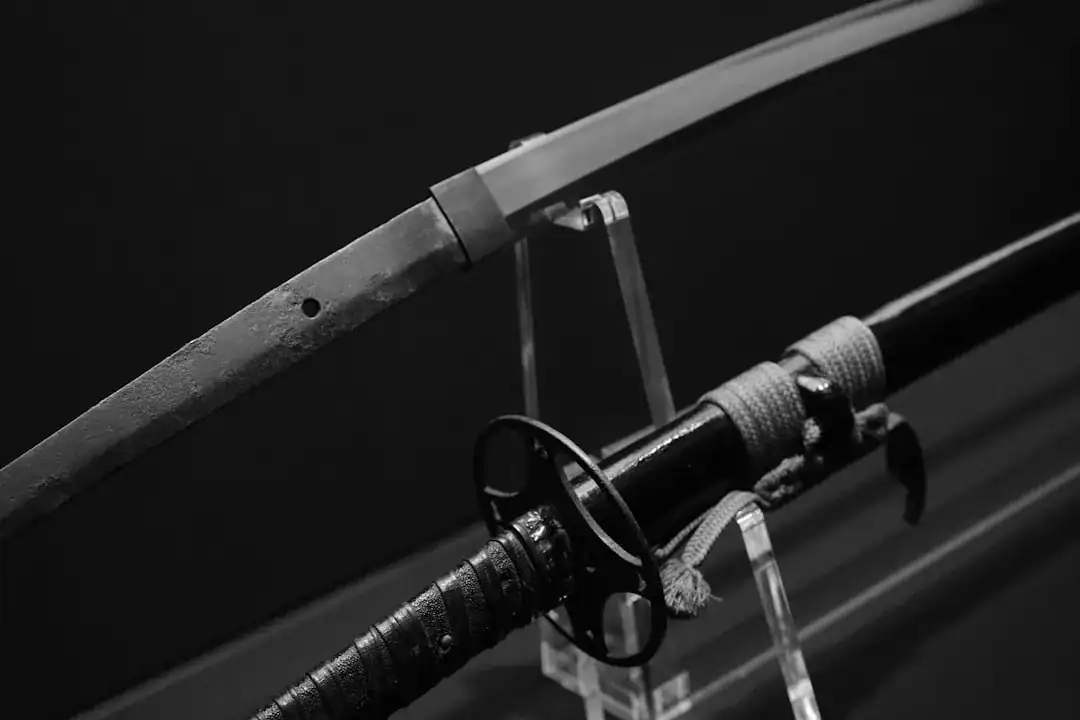
How do you design “relentless effort”? This is the question Kobe and Nike answered with The Sheath. I find the backstory of this logo fascinating because it is deeply philosophical. Kobe famously explained in an interview with Esquire that the sword represents “raw talent,” while the sheath represents the “shell” formed by life experiences, calluses, and hard work. The logo is not just a picture; it is a container for his struggle.
This duality is what makes the Mamba Mentality tangible. The Black Mamba symbol is not just about a snake; it is about shedding skin and evolving. The logo captures this by looking like armor. It feels impenetrable. Many fans also draw parallels to the Kill Bill film, where the protagonist (codenamed Black Mamba) wields a sword, further deepening the lore. This layering of pop culture, personal philosophy, and visual design creates a brand that feels heavy with meaning.
Core Meanings of the Design:
- The Sword: Innate ability and god-given gifts.
- The Sheath: The discipline, baggage, and training that protects the talent.
- The Totem: A unified symbol of the “Mamba” persona.
Market Observation: Branding experts argue that logos with a “discovery” element—where the meaning is revealed through storytelling—create stronger emotional bonds with consumers than logos that are immediately obvious.
Actionable Suggestion: create a “lore” for your logo. Write down the three words that define your work ethic, and find shapes that represent those concepts metaphorically rather than literally.
The Evolution of Athlete Personal Branding
I believe Kobe’s logo marked a pivotal shift in how athletes brand themselves. Before The Sheath, the gold standard was Michael Jordan’s “Jumpman”—a literal silhouette of the player. While iconic, a silhouette is tied to a specific person and a specific moment in time. Kobe’s geometric approach moved the needle toward abstraction. You do not need to know what Kobe looks like to feel the power of The Sheath. It stands on its own as a symbol of excellence.
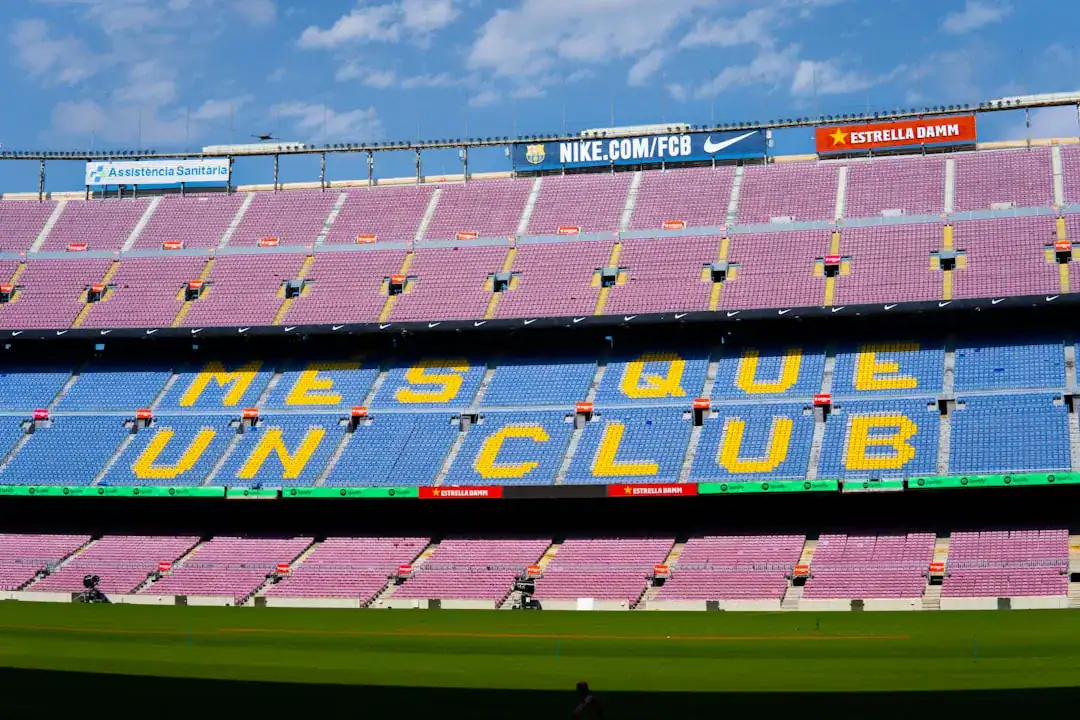
This shift allows the brand to scale beyond basketball. We see this strategy in action with the recent FC Barcelona collaborations, where the Mamba logo replaces the Nike swoosh on kits. A silhouette of a basketball player might look out of place on a soccer jersey, but an abstract geometric crest looks like a warrior’s badge. This versatility is crucial for modern personal branding.
Comparison of Branding Styles:
- Literal (Silhouette): deeply personal, but hard to scale to other categories (e.g., Jordan, Shaq).
- Typographic (Initials): Clean, but often lacks emotional punch (e.g., KD, LeBron’s early logos).
- Abstract (The Sheath): Universal, scalable, and embodies a mindset rather than a person.
Data Point: Marketing reports on the 2025-26 FC Barcelona away kit indicate that the inclusion of the Mamba logo transforms the jersey from mere sportswear into a tribute piece, significantly increasing its cultural value.
Actionable Suggestion: If you want your personal brand to expand into new industries (tech, fashion, coaching), avoid literal imagery. Aim for a symbol that represents your values, not your face.
Leveraging Technology for Geometric Design
In the early 2000s, creating a logo like The Sheath required a team of Nike’s top designers and months of iteration. Today, the barrier to entry has collapsed. I see a massive surge in solopreneurs and creators using intelligent tools to generate geometric, minimalist designs that rival professional agencies. The logic of geometry—balance, ratio, symmetry—is something modern algorithms handle exceptionally well.
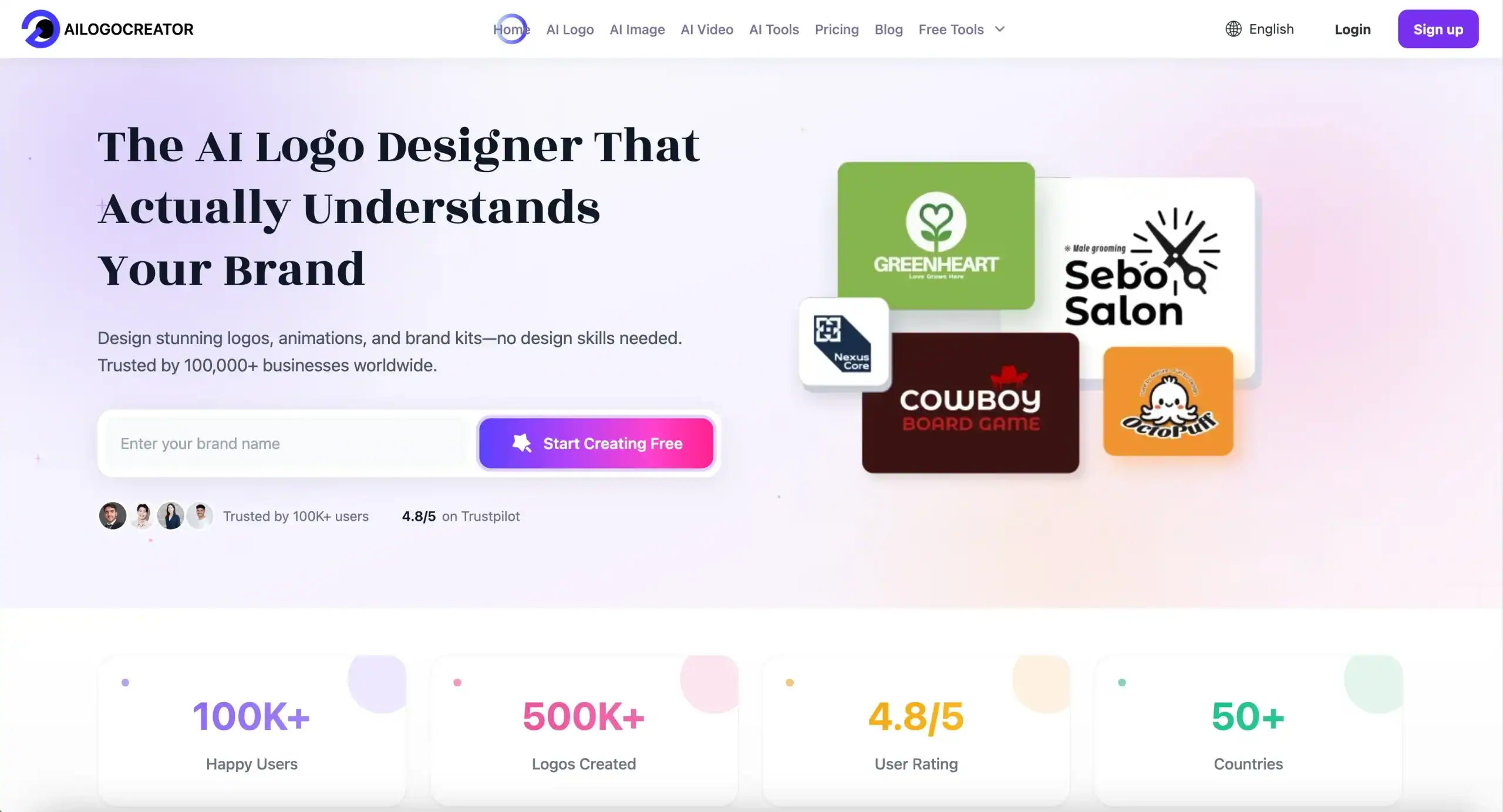
If you are trying to capture that “Mamba” aesthetic—sharp, precise, and symbolic—you don’t need to sketch by hand. Platforms like Ailogocreator are efficient solutions for rapidly prototyping abstract concepts. You can input keywords related to your philosophy, such as “resilience” or “precision,” and generate geometric variations that act as a starting point for your own “Sheath.”
Why Modern Tools Work for Abstract Branding:
- Rapid Iteration: You can see 50 variations of a “triangle-based totem” in minutes.
- Mathematical Perfection: Algorithms ensure perfect symmetry, which is essential for that “sharp” look.
- Cost-Efficiency: High-end branding is no longer reserved for NBA superstars.
Industry Trend: Data shows that “geometric minimalist” is one of the most requested styles in logo generation today, as individuals seek to create personal brands that look institutional and trustworthy.
Actionable Suggestion: Use tools like Ailogocreator to experiment with negative space. Try generating logos that combine two shapes (like a sword and a shield) to see if you can create a unique totem for your business.
Conclusion and Actionable Suggestions
The Kobe Bryant logo is more than a marketing asset; it is a lesson in how to visualize a mindset. By using geometry to represent the balance between talent and experience, Kobe and Nike created a symbol that is as relentless as the man himself. It teaches us that personal branding is not about vanity—it is about signaling your values to the world without saying a word.
To apply the “Mamba Mentality” to your own visual identity, consider these steps:
- Audit Your Shapes: Ensure your logo’s geometry matches your industry. Use sharp angles for disruption and performance, or circles for community and safety.
- Embed a Dual Meaning: Like the sword and the sheath, try to have a surface meaning and a deeper, hidden meaning in your design.
- Test for Monochromacy: Your logo must look powerful in black and white. If it relies on color to work, the geometry is too weak.
- Prioritize Abstraction: If you plan to scale, choose symbols over portraits. They age better and travel further.
- Iterate Relentlessly: Use modern AI tools to generate hundreds of geometric variations until you find the one that feels like “armor.”
FAQ
What is the meaning behind Kobe Bryant’s logo?
The logo, known as “The Sheath,” represents a sword stored inside a scabbard. Kobe explained that the sword symbolizes raw talent, while the sheath represents the life experience and effort that encases and protects that talent.
Why does the logo look like a snake?
While the primary inspiration is a sword sheath, the design is abstract enough to resemble the head of a snake, aligning with Kobe’s “Black Mamba” nickname. This visual double entendre was likely intentional to add depth to the brand.
Is Kobe’s logo better than the Jumpman?
“Better” is subjective, but they serve different purposes. The Jumpman is a literal representation of Michael Jordan, while The Sheath is a symbolic representation of a mindset. This makes Kobe’s logo more versatile for things outside of basketball, like mental focus or general performance.
How can I design a logo with similar geometric precision?
Focus on symmetry and negative space. You can use graph paper to sketch perfectly balanced shapes or utilize AI-powered design tools to generate symmetrical, abstract icons based on your core values.
Did Kobe design the logo himself?
Kobe collaborated closely with Nike designer Eric Avar. While Avar executed the visual design, the concept and the philosophical meaning behind the “sword and sheath” came directly from Kobe’s vision of himself.
CommentsTake the first comment