
By mastering these seven design principles, you can transform a generic graphic into a powerful brand asset that commands trust and recognition instantly. If you are a business owner or a designer aiming to refine your brand identity, understanding the mechanics behind professional logos is non-negotiable. I often see businesses struggle not because their product is weak, but because their visual communication lacks the clarity of minimalist design and the strategic depth of color psychology.
- Strategic Simplicity: Why removing clutter increases brand recall.
- Color Psychology: How specific hues manipulate consumer emotion and behavior.
- Scalability: The technical necessity of vector graphics for multi-platform dominance.
- Timelessness: Avoiding trends to ensure your logo lasts for decades.
- Relevance: Aligning visual elements strictly with industry expectations.
1. Simplicity is the Ultimate Sophistication
I believe the most fatal mistake in modern branding is over-designing. A logo is not an illustration; it is an identification mark. Leonardo da Vinci famously noted that simplicity is the ultimate sophistication, and this holds true for corporate identity. When you strip away unnecessary elements, you leave behind a bold, distinctive shape that the human brain can process in milliseconds.
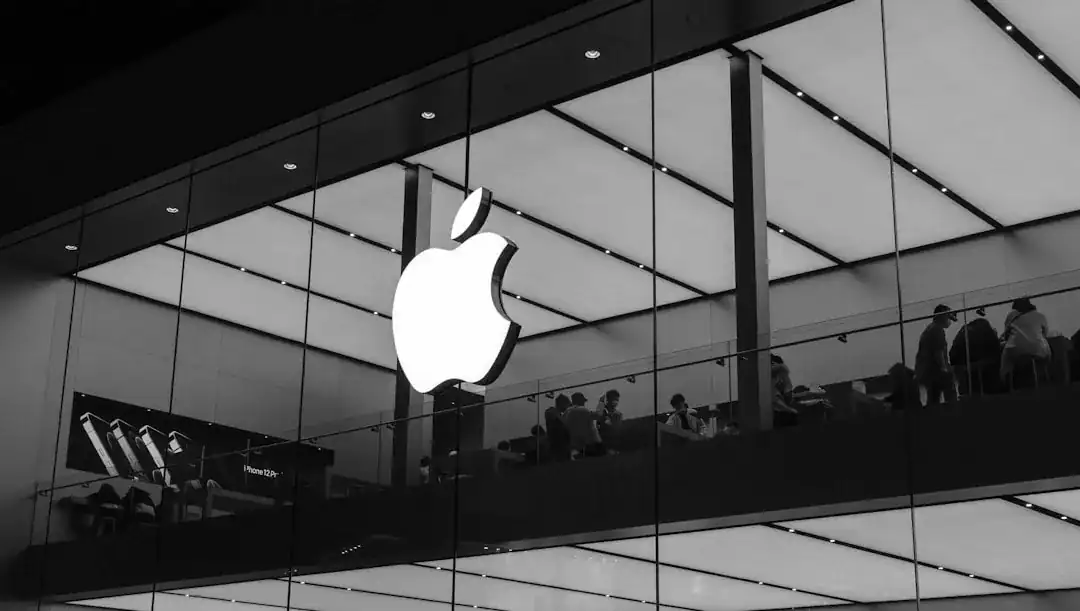
Market analysis indicates that the most successful global brands rely on one or two visual elements at most. Think of the “swoosh” or the “bitten apple.” These icons work because they are minimalist. They do not force the viewer to decode complex imagery. If your design relies on intricate details to tell a story, it will fail when shrunk down to a mobile screen or a favicon.
2. The Science of Color Psychology
Color is never an accidental choice in professional design; it is a calculated trigger for emotional response. Industry data suggests that up to 90% of snap judgments about products are based on color alone. You need to understand what your palette says before you print it on a business card.
- Red: Creates urgency and stimulates appetite. It is aggressive and energetic, often used by fast-food chains like McDonald’s to grab attention.
- Blue: The color of trust and stability. Financial institutions and tech giants favor blue to communicate security and professionalism.
- Yellow: evokes optimism and playfulness but can be fatiguing to the eye if overused. It works best for youth-focused or discount brands.
- Black: Represents luxury, power, and authority. High-end fashion labels use black to signal exclusivity.
I have found that saturation levels also matter immensely. Bright, saturated colors scream energy, while muted pastels whisper sophistication. A neon pink logo for a serious insurance firm would be a catastrophic misalignment of brand identity.
3. Versatility and Scalability
A professional logo must perform equally well on a billboard and a ballpoint pen. This is where the technical aspect of vector graphics comes into play. Unlike raster images (JPEGs or PNGs) made of pixels, vectors use mathematical equations to maintain crisp lines at any size.
If your logo loses quality when enlarged or becomes a smudge when reduced, it is professionally useless. You must test your design in black and white first. If the design collapses without color, the structure is weak. In my experience, starting the design process in monochrome ensures that the concept relies on shape and form rather than being propped up by a fancy color gradient.
For those who find the technical barrier of vector software like Adobe Illustrator too high, modern technology offers viable alternatives. Advanced tools like Ailogocreator are setting a new benchmark, allowing users to generate professional-grade, scalable vector logos that automatically adhere to these structural principles without manual drafting.
4. Relevance to the Industry
Your logo must be appropriate for the business it identifies. This doesn’t mean a shoe company needs a picture of a shoe, but the “vibe” must match the sector. A funeral home should not use a whimsical font, and a children’s daycare should not look like a corporate law firm.
Designers often fall into the trap of being “too creative” at the expense of clarity. Relevance builds immediate trust because it meets the consumer’s subconscious expectations. If I see a tech company with a rustic, hand-drawn floral logo, I instinctively doubt their technical capability. The font choice, icon style, and layout must signal your industry instantly.
5. Memorability Through Distinction
Being memorable is about being distinctive, not complicated. The goal is to own a shape in the customer’s mind. A distinctive outline allows a logo to be recognized even when seen in a peripheral glance.
To achieve this, avoid generic clichés. Industry reports show that generic symbols—like globes for international business or lightbulbs for ideas—are so overused that they become invisible “white noise” to consumers. A memorable logo often features a unique twist or a clever use of negative space that rewards the viewer for looking closer. It needs to be unique enough to legally protect and visually own.
6. Timelessness Over Trends
I always advise clients to ignore “logo trends” lists. Gradients, 3D effects, and specific font styles come and go every few years. If you chase a trend, your brand will look outdated the moment the fad passes.
A professional logo is built to last for decades, not months. The most enduring logos effectively ignore the “current craze” in favor of solid design fundamentals. Ask yourself: “Will this look effective in 10 or 20 years?” If the answer is no, strip it back. A timeless design is usually neutral and focuses on the core essence of the brand rather than the stylistic flavor of the month.
7. Balance and Proportion
The human eye loves symmetry and balance. Even if a logo is asymmetrical, it must have a visual weight that feels stable. Professional designers use grids and geometric guides to ensure that curves are consistent and spacing is mathematical.
Unbalanced logos feel “off” and amateurish, even if the viewer can’t explain why. Proper proportion ensures that the icon doesn’t overpower the text and that the negative space is distributed evenly. This technical precision is what separates a quick sketch from a corporate identity system.

FAQ
Q: Why is vector format critical for logo design?
A: Vector files (like SVG or EPS) allow the logo to be scaled infinitely without pixelation. This ensures your brand looks sharp on everything from a business card to a building wrap.
Q: Can I use multiple colors in my logo?
A: You can, but it is risky. Most experts recommend limiting your palette to 2-3 colors to maintain clarity and reduce printing costs. A simple palette is easier to reproduce across different media.
Q: How do I know if my logo is “timeless”?
A: Test it against logos from 20 years ago. If your design relies on heavy effects, shadows, or complex gradients that are currently popular, it likely won’t age well. Flat, simple designs tend to have the best longevity.
Q: Should my logo literally show what I sell?
A: No. A logo is for identification, not explanation. Apple doesn’t sell fruit, and Mercedes doesn’t sell stars. Focus on conveying the feeling and quality of your brand rather than a literal depiction of your product.
Conclusion and Actionable Suggestions
Creating a professional logo is a discipline that balances art with strategic function. It requires you to be ruthless in removing the unnecessary and precise in your execution. To elevate your current or future designs, follow these steps:
- Audit for Simplicity: Remove at least one element from your current design. If it still works, keep removing until it breaks.
- Test in Monochrome: Convert your logo to pure black and white. If it loses its meaning, redesign the shape.
- Check Scalability: Shrink your logo to 16 pixels wide. If it turns into an unrecognizable blob, simplify the lines.
- Verify Color Meanings: Ensure your color choices align with the psychological emotions you want to evoke (e.g., Blue for trust, not Red for relaxation).
- Use Vector Tools: Ensure your final master file is a vector. Never settle for a raster JPEG as your primary brand asset.
CommentsTake the first comment