
Stop wasting valuable engineering and marketing time fixing design inconsistencies and start building brand equity that investors actually respect. If you are a founder or product lead struggling to align your growing team on how to present your company, this analysis is for you. While a logo is the starting point, a comprehensive startup branding strategy relies on a robust visual identity system and a clear brand style guide to ensure brand consistency across every channel.
- Trust Mechanics: Why consistency is the single biggest driver of consumer confidence.
- Operational Speed: How a design system reduces technical debt and speeds up product iterations.
- MVP Branding: The “Less, But Better” approach for early-stage companies.
- Real-world Lessons: Critical takeaways from analyzing brand guidelines examples of 15 successful unicorns.
The “North Star” Effect: Why Guidelines Beat Individual Assets
A common mistake I see founders make is treating branding as a checklist: get a logo, pick a color, and move on. However, analysis of top startups reveals that their “brand” is actually a set of rules, not just a folder of assets. A well-defined brand style guide acts as a roadmap, ensuring that your company does not look like different businesses on your website versus your LinkedIn profile.
When you look at successful brand guidelines examples, you notice they function as an instruction manual. They dictate how the company looks, sounds, and behaves. Without this “North Star,” you risk diluting your message. Every time a junior designer guesses a font size or a social media manager picks a random shade of blue, your brand value drops slightly.
Core components of a “North Star” guide:
- Logo Usage: Clear rules on spacing, minimum size, and forbidden alterations (e.g., “don’t stretch the logo”).
- Color Hierarchy: Primary, secondary, and accent colors with exact hex codes to prevent visual clutter.
- Typography: Specific font families for headers and body text to ensure readability and recognition.
Industry Insight: According to recent market research, 77% of consumers prefer to buy from brands they share values with and trust. Inconsistency breeds doubt; guidelines breed trust.
Actionable Suggestion: Create a one-page “Cheat Sheet” today. It doesn’t need to be a 50-page book yet. Just list your hex codes, two main fonts, and three rules for using your logo.
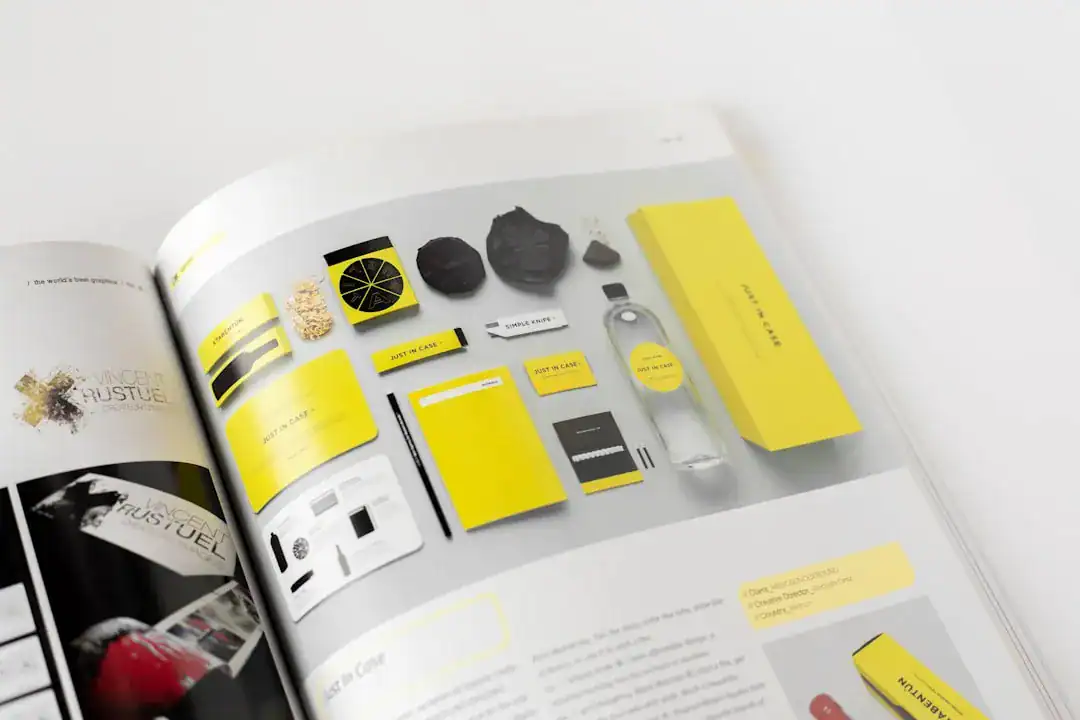
Speed of Execution: How Design Systems Reduce Technical Debt
Many early-stage startups view a design system as a luxury for later stages. I argue the opposite: it is an efficiency engine. When you have pre-built components and a unified visual identity system, your developers and designers stop reinventing the wheel for every new landing page.
In the analysis of 15 high-growth startups, a recurring theme is that design systems are used to onboard new talent faster. Instead of explaining the “vibe” to a new hire for three days, you hand them the documentation. This is crucial for startup branding strategy because speed is your only advantage against incumbents. If your team spends hours debating button border radiuses, you are losing.
Efficiency gains from a system:
- Reusability: Code components once, use them everywhere.
- Scalability: Update a color in one place, and it propagates across the product.
- Onboarding: Reduces the ramp-up time for contractors and agencies.
Data Point: Market analysis indicates that startups investing in coherent branding strategies see up to 20% higher revenue growth compared to those with inconsistent identities.
Actionable Suggestion: Audit your current digital presence. Identify the three most inconsistent elements (usually buttons, font sizes, or icon styles) and standardize them immediately.

The “Less is More” Approach for Early-Stage Startups
There is a trap in trying to copy the massive design systems of Google or Apple too early. For a Series A or Seed startup, a “full-blown” system is often expensive overhead. The lesson from agile startups is to embrace the “Less, But Better” philosophy. You need a Minimum Viable Brand (MVB).
Your goal is to look professional without stalling iteration. This is where modern tools bridge the gap. For instance, using efficient platforms like Ailogocreator allows founders to generate professional, scalable logo assets that form the foundation of this MVB. By securing a high-quality visual core quickly, you can focus on product-market fit rather than obsessing over pixel-perfect theory.
What to include in an MVB:
- Core Logomark: A versatile symbol that works in an app icon and a billboard.
- Primary Palette: One dominant color and neutrals (white, black, gray).
- One Typeface: A workhorse font that looks good in bold and regular weights.
Expert Opinion: Design veterans emphasize that early-stage startups should focus on “just enough” design to signal competence. Over-engineering a system before you have customers is a waste of runway.
Actionable Suggestion: Limit your brand colors to exactly three for the first year. Constraint breeds creativity and makes consistency automatic.

Preventing the “Frankenstein Brand” Syndrome
We have all seen it: a startup where the marketing copy sounds like a meme, the sales deck reads like a legal contract, and the product interface looks like a sci-fi movie. This is the “Frankenstein Brand.” It happens when visual and verbal identities are disconnected.
Lessons from top cases show that brand consistency is not just visual; it is verbal. Your brand style guide must include tone of voice. Are you authoritative or playful? If your visual identity is sleek and minimalist, but your copy is cluttered and chaotic, the user experiences cognitive dissonance. This friction kills conversion rates.
Symptoms of a Frankenstein Brand:
- Disjointed Visuals: Marketing uses illustrations, but the product uses stock photos.
- Tone Shifts: Friendly emails vs. aggressive error messages in the app.
- Platform Gap: The mobile app looks 5 years newer than the website.
Research Finding: Companies with consistent brand presentation across all platforms see revenue increase by up to 23%. Consistency implies reliability.
Actionable Suggestion: Review your last 5 social media posts and your “About Us” page. Do they sound like they were written by the same person? If not, define three adjectives that describe your brand voice (e.g., “Helpful, Direct, Smart”) and stick to them.

Lessons from Analyzing 15 Top Startup Brand Books
After reviewing over 15 distinct brand guidelines examples favored by industry experts, several patterns emerge that separate the winners from the noise. The most successful guides are not static PDFs; they are living, digital tools. They prioritize accessibility and practical application over abstract philosophy.
The best startups treat their brand guidelines as a product. They include downloadable assets, code snippets for developers, and “Dos and Don’ts” that are visual, not just text-based. They understand that the user of the guide is likely a stressed developer or a rushed marketer, so clarity is king.
Key features of top-tier guidelines:
- Digital-First: Hosted online for easy access and updates, not buried in a Dropbox folder.
- Accessibility Standards: Rules for contrast ratios and alt-text to ensure the brand is inclusive.
- Contextual Examples: Showing how the logo looks on a dark background vs. a light background, or on a tote bag vs. a website header.
Actionable Suggestion: Move your guidelines to a shared web page or a collaborative workspace tool (like Notion or Figma) rather than a static file. This ensures everyone always has the latest version.
FAQ
Q: When is the right time to create a brand style guide?
A: You should have a basic guide (1-2 pages) as soon as you have a logo. As you hire your first employee or contractor, expand it. Waiting until you are “big enough” usually results in costly re-branding later.
Q: What is the difference between a brand guide and a design system?
A: A brand guide focuses on the “identity” (logo, voice, mood). A design system is a library of reusable technical components (buttons, forms, code) used to build the product. For startups, they often overlap.
Q: Do I need to hire an expensive agency for this?
A: Not necessarily. For early-stage startups, using AI tools and creating a simple internal document is often sufficient. The key is brand consistency, not the price tag of the agency.
Q: How often should we update our visual identity system?
A: Treat it as a living document. distinct “updates” might happen yearly, but minor tweaks should occur as you launch new features. A major rebrand is usually only needed when your business model or target audience shifts significantly.
Q: Can a design system really save money?
A: Yes. It reduces the time designers spend creating basic elements and the time developers spend coding them. It eliminates the “interpretation gap” between design and code, which is a major source of wasted budget.
Conclusion and Actionable Suggestions
Building a recognizable brand is an operational discipline, not just a creative exercise. By establishing clear guidelines, you protect your startup’s reputation and accelerate your team’s output. The market does not reward the most creative logo; it rewards the most consistent and trustworthy presence.
- Centralize Your Assets: Ensure all team members have access to the same logos, fonts, and color codes in a single cloud location.
- Define Your “No-Go” Zones: explicit list of what not to do (e.g., “Never use red text on blue backgrounds”) is often more useful than a list of what to do.
- Leverage Smart Tools: Use platforms like Ailogocreator to establish your visual foundation quickly, then build your guidelines around those core assets.
- Audit Quarterly: Set a recurring calendar event to review your website, app, and social channels for visual alignment.
- Educate the Team: Spend 30 minutes during onboarding to explain why the brand guidelines exist. A team that understands the “why” will follow the rules.
CommentsTake the first comment