
Mastering the art of color selection allows you to instantly elevate your brand’s market value and secure customer trust without saying a word. If you are a startup founder, a freelance designer, or a business owner planning a rebrand, this guide will help you navigate the complex world of visual identity design to avoid costly aesthetic mistakes. We will explore how professional branding relies on specific logo color combinations and brand color psychology to create emotional connections, ensuring your visual identity is both beautiful and strategic.
- Psychological Impact: Understand why 85% of consumer purchasing decisions are influenced by color alone.
- Industry Standards: Access curated lists of hex color codes tailored for tech, luxury, wellness, and retail sectors.
- Error Prevention: Learn to identify and avoid low-contrast or vibrating color pairs that damage readability.
- Practical Application: Discover how to test and validate your aesthetic color palettes across different media formats.
The Financial Reality of Color Psychology
I often see entrepreneurs choose logo colors based simply on what they “like,” which is a fundamental error in professional branding. The market does not care about your favorite color; it cares about the subconscious message that color conveys. Industry analysis indicates that 85% of customers identify color as a primary reason for choosing one brand over another. This means your palette is a functional business asset, not just decoration.
When you select a palette, you are defining the emotional territory of your business. For instance, red creates urgency and hunger (think fast food), while blue establishes stability and trust (think banks). Getting this wrong creates a disconnect between your service and your visual identity design. If a financial consultant uses hot pink and neon green, the subconscious signal is “risk” rather than “security,” driving potential clients away before they even read the pitch.
Key Emotional Triggers by Color:
- Blue: Trust, Security, Calm (PayPal, IBM).
- Red: Energy, Urgency, Passion (Coca-Cola, Netflix).
- Yellow: Optimism, Clarity, Caution (McDonald’s, Best Buy).
- Green: Health, Growth, Money (Whole Foods, Android).
- Black: Luxury, Exclusivity, Authority (Chanel, Apple).
Actionable Suggestion: Before looking at a color wheel, write down the top three emotions you want your customers to feel. Match your primary color to these emotions using standard brand color psychology principles.
The “Trust & Authority” Collection: Blue and Gold Variations
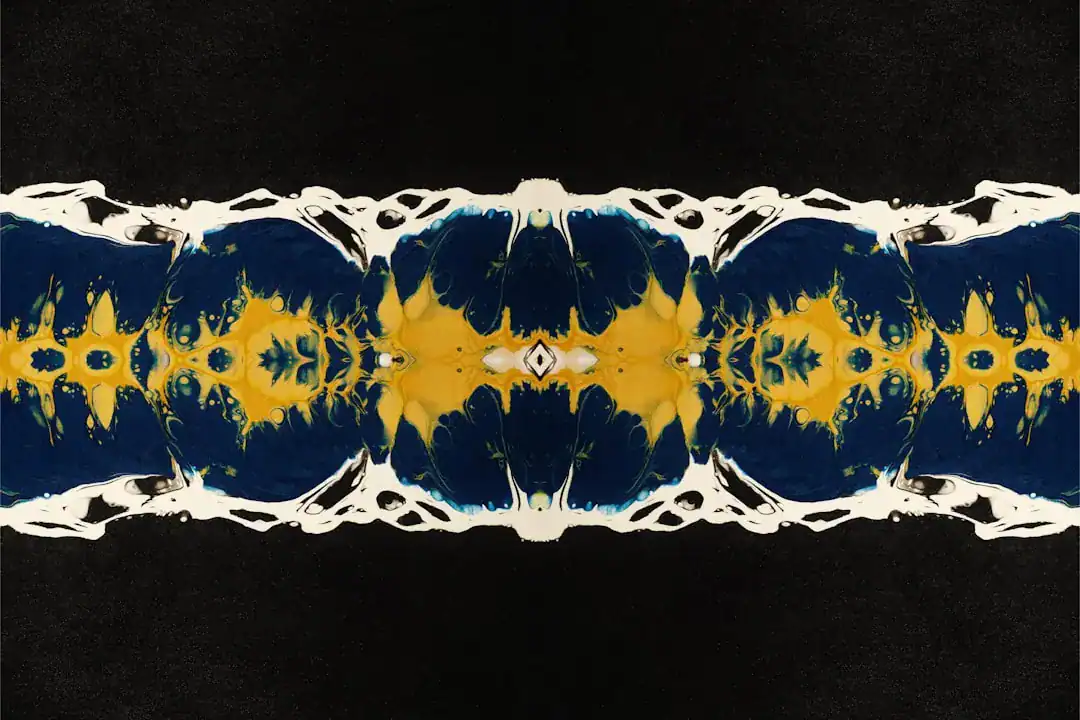
For businesses in finance, technology, or consulting, the goal is often to project competence and reliability. I have found that blue remains the dominant force here, but pairing it correctly is what separates a generic logo from a memorable one. A classic Navy Blue combined with Mustard Yellow or Gold strikes a balance between traditional stability and modern optimism.
According to design experts, the combination of Navy Blue and Gold works because it utilizes complementary colors—opposites on the color wheel that create high contrast without visual tension. This specific pairing signals “premium service” and “established history.” It is a safe, error-free choice for B2B companies looking to build immediate credibility.
Market-Proven “Trust” Palettes (Hex Codes):
- Classic Corporate: Navy Blue (
#000080) + Gold (#FFD700) + White (#FFFFFF). - Modern Tech: Electric Blue (
#007BFF) + Silver Grey (#C0C0C0) + Charcoal (#333333). - Approachable Finance: Sky Blue (
#87CEEB) + Soft Navy (#2C3E50) + Cream (#F5F5DC). - Creative Agency: Teal (
#008080) + Coral (#FF7F50) + Off-White (#FAF9F6).
Actionable Suggestion: If you operate in a conservative industry, use the “60-30-10” rule. Use Navy Blue for 60% of the design, White for 30%, and Gold for the final 10% as an accent to guide the eye.
The “Quiet Luxury” Collection: Minimalist Monochromes
Luxury branding operates on a different set of rules. Here, less is significantly more. High-end brands like Apple or Gucci utilize black, white, and subtle metallics to convey sophistication. The psychology here is “exclusivity”—the brand is confident enough that it doesn’t need to scream for attention with bright colors.
My analysis of the luxury market shows that effective aesthetic color palettes often rely on high contrast between black and white to create a clean, timeless look. This “Isolation Effect” ensures the logo stands out in any environment, from a digital screen to a stamped leather bag. When color is used, it is often a deep, rich tone like burgundy or forest green, paired with a neutral cream or beige to maintain elegance.
Sophisticated “Luxury” Palettes (Hex Codes):
- The Gold Standard: Rich Black (
#000000) + White (#FFFFFF) + Metallic Gold (#D4AF37). - Organic Premium: Warm Brown (
#A86A24) + Cream (#FEFAE0) + Charcoal (#151C0D). - Modern Chic: Rose Gold (
#B76E79) + Champagne (#F7E7CE) + Slate Grey (#708090). - High Fashion: Deep Burgundy (
#800020) + Pale Blush (#FFE4E1) + Black (#000000).
Actionable Suggestion: For luxury brands, avoid pure digital blue (
#0000FF) or standard red (#FF0000). These colors often look “default” or “cheap.” Opt for complex, mixed shades like charcoal or crimson.
The “High Energy” Collection: Bold and Playful Schemes
If you are targeting a younger demographic or selling a consumer product, safety might be your enemy. You need energy. This is where high-contrast pairings like Teal & Orange or Yellow & Black come into play. These combinations are scientifically proven to grab attention because they stimulate the visual cortex more intensely than analogous colors (colors next to each other on the wheel).
Teal and Orange is a favorite in the film and media industry because teal offers a cool, modern backdrop while orange provides an energetic “pop.” Similarly, Yellow and Black is the highest contrast combination possible, used by brands like Nikon and Bumble to signal speed, alertness, and innovation. However, I advise caution: these palettes must be balanced carefully to avoid looking like a warning sign.
Dynamic “Energy” Palettes (Hex Codes):
- The Cinematic Duo: Teal (
#008080) + Bright Orange (#FFA500) + White (#FFFFFF). - Urban Contrast: Yellow (
#FFFF00) + Black (#000000) + Dark Grey (#333333). - Playful Tech: Purple (
#800080) + Cyan (#00FFFF) + White (#FFFFFF). - Bold Retail: Red (
#FF0000) + White (#FFFFFF) + Navy (#000080).
Actionable Suggestion: Use these palettes for call-to-action buttons or logo icons, but keep your typography neutral (black or white) to ensure legibility.

The “Organic & Wellness” Collection: Earth Tones
The wellness, food, and sustainability sectors require palettes that evoke nature. Here, we move away from neon and stark blacks toward softer, desaturated tones. Brown, green, and beige are the staples of this category. Research suggests that green is intrinsically linked to health and tranquility in the consumer’s mind, making it the safest bet for organic brands.
A rising trend I have observed is the “Sage Green and Peach” combination. It feels modern, feminine, and approachable without being overly childish. Another strong contender is “Forest Green and Tan,” which provides a rugged, outdoor aesthetic suitable for adventure brands or organic coffee shops.
Natural “Organic” Palettes (Hex Codes):
- Forest Vibes: Forest Green (
#228B22) + Tan (#D2B48C) + Off-White (#FAF9F6). - Soft Wellness: Sage Green (
#9DC183) + Peach (#FFDAB9) + Warm Grey (#808080). - Earthy Warmth: Terracotta (
#E2725B) + Olive (#808000) + Cream (#FFFDD0). - Fresh & Clean: Mint (
#98FF98) + Lavender (#E6E6FA) + White (#FFFFFF).
Actionable Suggestion: Avoid pairing green with bright red unless it is Christmas. For a complementary color to green, try a muted pink or terracotta to keep the “organic” feel.

Leveraging Technology for Flawless Execution
Selecting the right colors is only half the battle; visualizing them in a real-world context is where many stumble. It is difficult to predict how a specific Hex code will look on a business card versus a website header without seeing it rendered. This is where modern efficiency tools come into play.
Using an advanced generation tool allows you to instantly apply these theoretical color schemes to actual logo designs. Platforms like Ailogocreator are valuable because they don’t just pick random colors; they use algorithms based on the professional branding principles we have discussed. You can cycle through hundreds of “market-proven” variations in minutes, seeing exactly how a Navy Blue acts against a Mustard Yellow in a finished logo format. This rapid iteration helps you spot low-contrast errors before you commit to a final design.
Why Visualization Matters:
- Contrast Check: Ensure text is readable against the background.
- Tone Consistency: Verify that the “calm” blue doesn’t look “depressing” on a large screen.
- Format Adaptability: See how the logo looks in black and white (essential for printing).
Actionable Suggestion: Always generate a “negative” version of your logo (white logo on colored background) to ensure your palette works in reverse.
FAQ
Q: How many colors should my logo have?
A: I recommend sticking to two or three colors maximum. A primary color (60%), a secondary color (30%), and an accent color (10%). Using more than three often leads to a cluttered, unprofessional look and increases printing costs.
Q: Can I use gradient colors in my logo?
A: Yes, gradients are popular in tech (like Instagram), but they can be risky for printing. Ensure your logo has a solid, flat-color version available for embroidery or single-color stamping.
Q: What is the safest color for a new business?
A: Blue is statistically the “safest” color as it is universally liked and represents trust. However, because it is safe, it is also crowded. If you choose blue, pick a specific shade (like Electric Blue or Teal) to differentiate yourself.
Q: How do I find the Hex code of a color I like?
A: You can use digital color picker tools or browser extensions. If you are using a design generator, the Hex codes (like #FF5733) are usually provided automatically alongside the palette.
Conclusion and Actionable Suggestions
Choosing an aesthetic color palette is not a guessing game; it is a strategic decision that directly impacts your brand’s perception and bottom line. By adhering to market-proven combinations and understanding the psychology behind them, you can build a visual identity that is both beautiful and effective.
To ensure your branding is error-free, follow these final steps:
- Define the Emotion: Explicitly state the top three feelings your brand should evoke.
- Select the Category: Choose from the Trust, Luxury, Energy, or Organic collections above based on your industry.
- Verify Contrast: Ensure your primary and secondary colors have enough contrast to be readable by everyone.
- Test in Context: Use tools like Ailogocreator to visualize your chosen Hex codes on actual logo designs, ensuring they work in the real world.
- Stick to the Codes: Once you pick your Hex codes, never deviate. Consistency is the key to building a recognizable brand.
CommentsTake the first comment