
A strong personal logo does more than just look good; it acts as a visual anchor that instantly communicates your expertise and reliability to clients. If you are a freelancer, consultant, or content creator looking to stand out in a crowded digital market, establishing a distinct visual presence is non-negotiable. I have seen too many professionals ignore the power of Personal logo inspiration, failing to realize that a cohesive Visual identity is what separates hobbyists from industry leaders. To help you navigate this, I will break down effective design strategies ranging from Monogram logo design to complete Personal branding kits.
Here are the core elements we will analyze to elevate your brand:
- The strategic advantage of using initials in Monogram logo design.
- How Signature logos create an immediate sense of authenticity and trust.
- The importance of a comprehensive Visual identity system beyond just the icon.
- Leveraging modern tools like the Canva logo maker versus AI alternatives for efficiency.
- Actionable steps to build your own Personal branding kit.
The Timeless Appeal of Monogram Logo Design
Monograms are arguably the most sophisticated choice for personal branding because they turn your name into a recognizable symbol. Historically, we see this in luxury fashion houses like Louis Vuitton or Gucci, where initials signify high value and heritage. For a solo professional, a monogram acts similarly by condensing your reputation into a compact graphic. I often recommend this style because it balances professionalism with personal identity, ensuring your name is always front and center without feeling cluttered.
Why Monograms Work:
- Scalability: They look clear on a business card or a tiny Instagram profile picture.
- Authority: Interlocking initials subconsciously suggest stability and tradition.
- Versatility: They function well across different industries, from law to photography.
According to design history analysis, monograms have been used for centuries to signify artistry and ownership, a tradition that carries significant weight in today’s digital economy. When you use a Monogram logo design, you are essentially borrowing this established language of trust. However, the challenge lies in execution; a poorly designed monogram can look like a jumbled mess of lines.
Actionable Suggestion: Start by sketching your initials. Look for natural connection points between letters—like sharing a vertical stroke between an ‘H’ and a ‘P’—to create a seamless, custom mark.
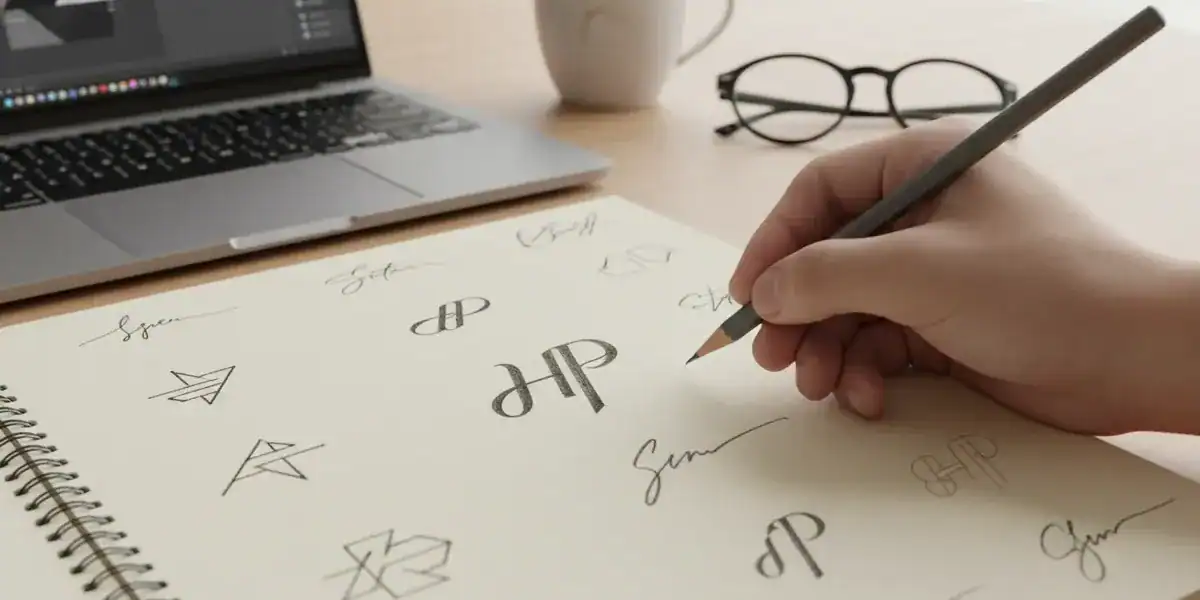
Signature Logos: Adding a Personal Touch
If your business relies heavily on your unique personality—such as coaching, art, or public speaking—a Signature logo might be your best bet. These logos mimic a handwritten signature, offering a human touch that geometric icons often lack. I find that signature styles bridge the gap between a corporate entity and a human being, making the brand feel more accessible and authentic.
Key Characteristics of Signature Logos:
- Uniqueness: No two signatures are identical, guaranteeing a one-of-a-kind look.
- Elegance: Script fonts often convey creativity, luxury, or approachability.
- Directness: It literally puts your name on the work, signaling accountability.
Industry observations indicate that brands using handwritten elements often see higher engagement in creative sectors because the audience feels a personal connection to the creator. However, a common pitfall is legibility. If potential clients cannot read your name within a split second, the logo has failed its primary purpose.
Actionable Suggestion: When choosing a script style, prioritize readability over flourish. Test your signature design at small sizes (like a favicon) to ensure it doesn’t disappear into a smudge.
Visual Identity Beyond the Logo
A logo is just the tip of the iceberg; your Visual identity is the massive structure beneath it that supports your brand. I frequently see people obsess over a logo symbol while neglecting their color palette, typography, and imagery style. A true Personal branding kit ensures that whether a client sees your website, your invoice, or your LinkedIn banner, they instantly recognize it as yours.
Components of a Strong System:
- Color Palette: 2-3 primary colors that evoke the right emotion (e.g., blue for trust, yellow for energy).
- Typography: A set of fonts (one for headers, one for body text) used consistently.
- Imagery: A defined style for photos and graphics (e.g., black and white, vibrant, or muted).
Research shows that humans remember 80% of what they see, meaning visual consistency is critical for retention. Companies like Spotify maintain a humanistic feel through subtle design choices, such as crooked lines or specific color treatments, which can be adapted for personal brands. If your emails look different from your website, you break the trust you are trying to build.
Actionable Suggestion: Create a simple one-page brand guideline document. List your hex color codes and font names so you never guess or drift away from your established identity.
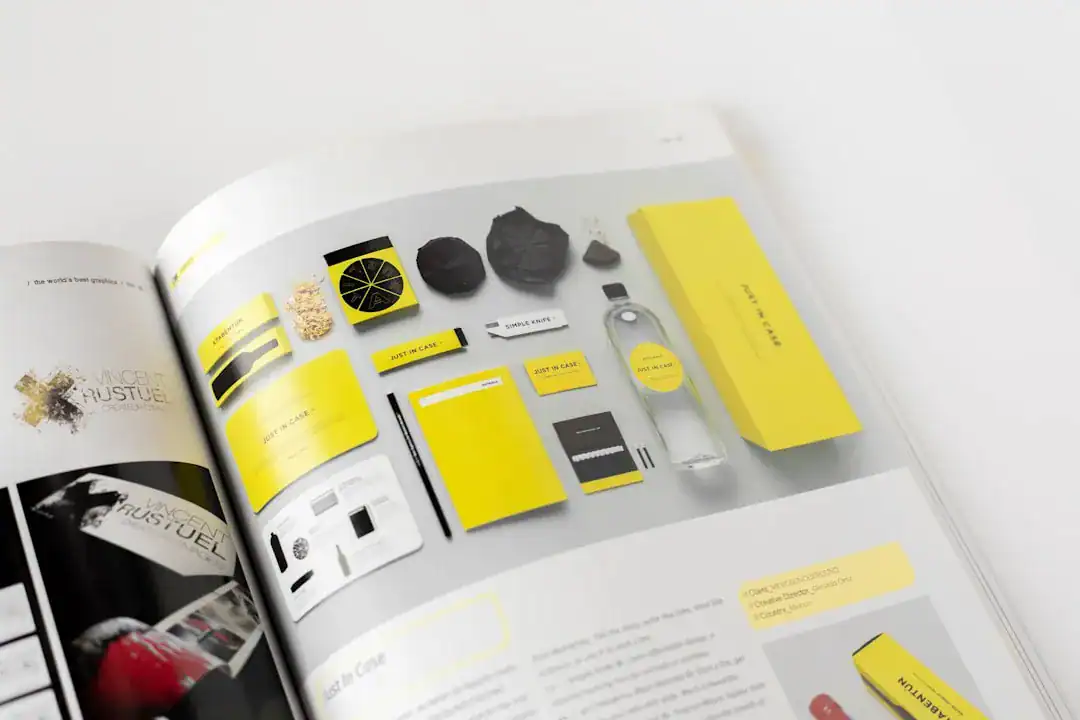
Modern Tools for Rapid Creation
The barrier to entry for design has never been lower, thanks to tools like the Canva logo maker and advanced AI generators. While traditional software requires a steep learning curve, these platforms allow non-designers to experiment with layouts and fonts instantly. I believe that for many entrepreneurs, speed is just as important as perfection. Getting a “good enough” logo out the door allows you to start business immediately rather than waiting weeks for a custom agency design.
Comparison of Design Routes:
- Template-Based (Canva): Great for beginners, but high risk of looking generic.
- AI Generators: Offers unique variations based on specific prompts, balancing speed and originality.
- Custom Designer: Highest quality and cost, best for established brands with a budget.
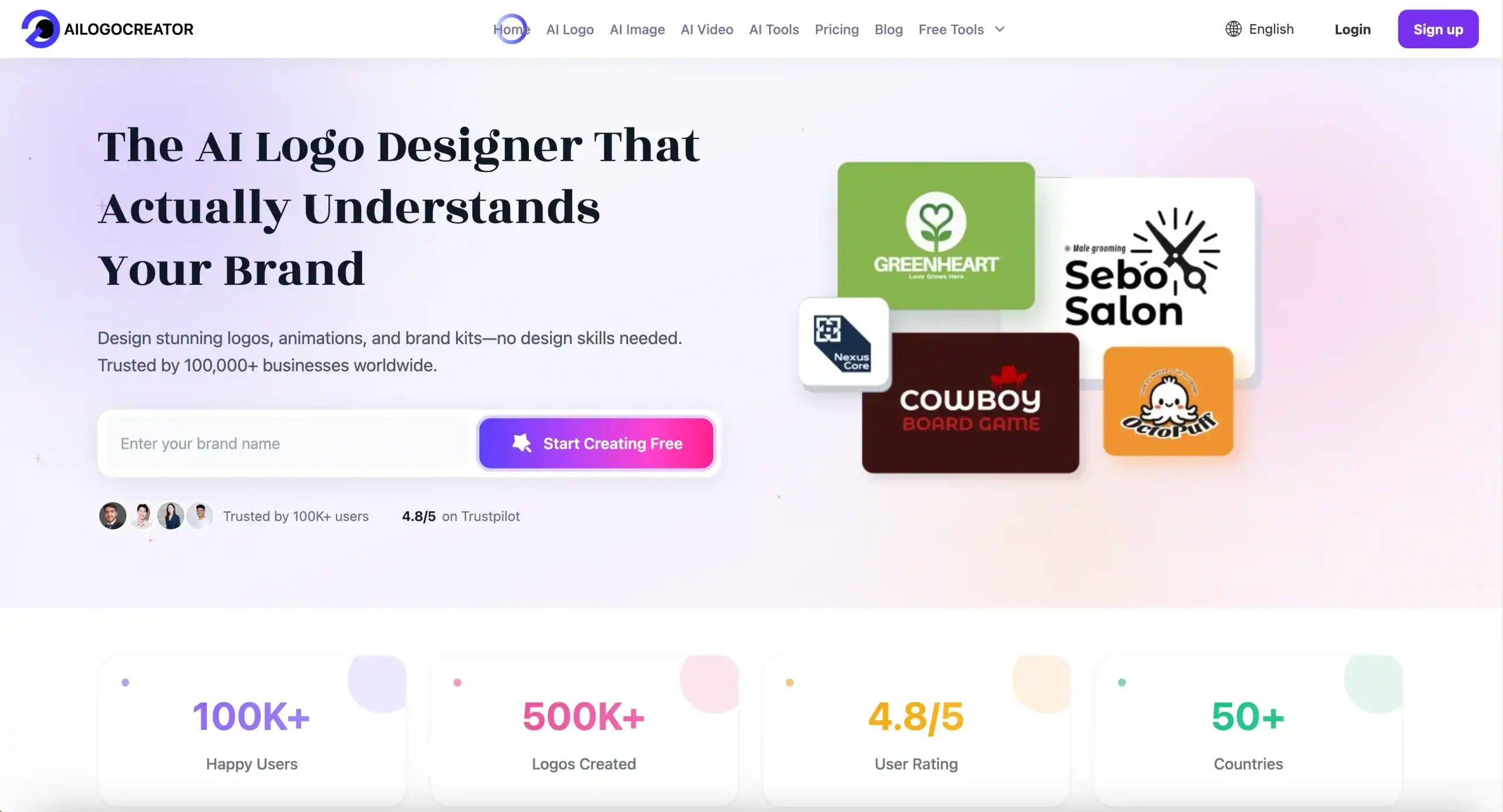
Market data suggests that utilizing templates can help define your personality archetype quickly, but you must customize them to avoid looking like a clone. This is where AI tools shine—they can iterate through hundreds of Personal logo inspiration ideas in minutes. For those seeking a balance between AI efficiency and professional aesthetics, Ailogocreator offers a streamlined solution to generate distinct logos that don’t feel “templated.”
Actionable Suggestion: Do not just stick to the first template you see. Modify colors and fonts significantly to ensure your final output is distinct from others using the same platform.
Minimalism in Personal Branding Kits
In recent years, the trend has shifted aggressively towards minimalism. Complex crests and detailed illustrations are disappearing in favor of clean lines and negative space. I strongly advocate for this approach because digital real estate is shrinking—mobile screens and smartwatches require logos to be legible at microscopic sizes. A minimalist design within your Personal branding kit ensures you look future-proof.
Benefits of Minimalist Design:
- Load Speed: Simpler graphics are smaller files, loading faster on websites.
- Adaptability: Easy to print on merchandise, from pens to t-shirts.
- Clarity: communicating your message without distraction.
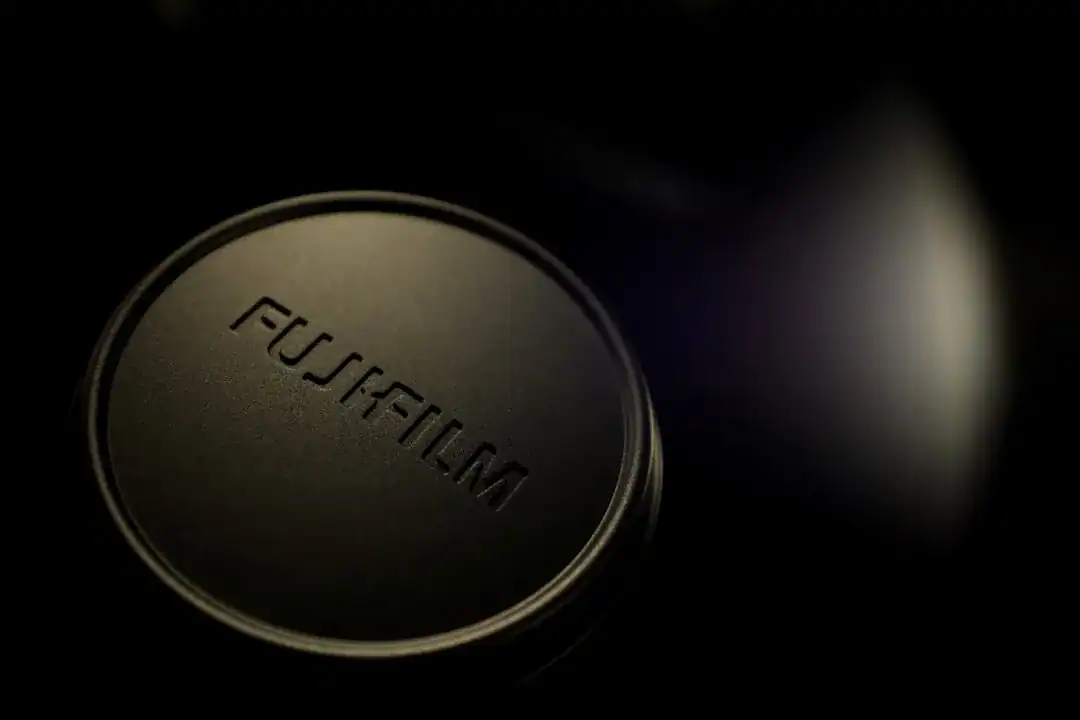
Design experts note that successful minimalist logos often utilize negative space or a single clever twist to remain memorable. For example, a photographer might subtly incorporate a lens shape into their initial. This “aha” moment creates a lasting impression without clutter.
Actionable Suggestion: Audit your current logo. Remove any element that isn’t absolutely necessary. If it works in black and white, it will work anywhere.
FAQ
What is the best file format for my personal logo?
You absolutely need a vector file (SVG or EPS) and a transparent PNG. Vector files allow you to scale the logo to any size without losing quality, which is essential for printing on banners or business cards.
How often should I update my personal brand logo?
Avoid changing it too frequently. A refresh every 5-7 years is standard to stay modern, but a complete overhaul should only happen if your business focus shifts drastically. Consistency builds recognition over time.
Can I use a photo as my logo?
While a professional headshot is part of your brand, it should not replace a logo. A logo is a symbol used for watermarks, headers, and merchandise where a photo would be impractical or illegible.
Do I need a tagline in my logo?
Generally, no. Taglines often become unreadable at small sizes (like social media avatars). Keep the tagline separate in your visual identity system, using it in headers or footers instead of locking it into the logo mark.
Conclusion and Actionable Suggestions
Building a personal brand logo is a strategic exercise in self-definition. It requires stripping away the noise to find the visual essence of your professional promise. Whether you choose a classic monogram or a modern signature, the goal remains the same: to be remembered.
- Define your archetype: Decide if you are the “Creative,” the “Authority,” or the “Innovator” before drawing a single line.
- Sketch first: Use paper to brainstorm Monogram logo design ideas to explore connections between letters naturally.
- Check scalability: Always test your design at 20 pixels wide to ensure it remains legible on mobile devices.
- Secure your assets: Export your final design in multiple formats (SVG, PNG, JPG) and store them in a cloud folder for easy access.
- Use efficient tools: Don’t waste days if you lack design skills; leverage platforms like Ailogocreator to generate professional options quickly.
CommentsTake the first comment