
A compelling logo acts as the silent ambassador of your mission, capable of sparking immediate emotional connection and donor trust before a single word is read. If you are a nonprofit leader or volunteer tasked with establishing a visual identity, understanding the mechanics of design is just as critical as your cause itself. Effective nonprofit branding relies heavily on charity logo design, color psychology, and visual storytelling to cut through the noise and secure the funding needed to make a difference.
Here are the core elements effective nonprofit logos share:
- Emotional Resonance: The design connects instantly with the values of the donor.
- Scalability: The logo looks sharp on both a pen and a billboard.
- Simplicity: It avoids clutter to ensure memorable impact.
- Authenticity: The visual story aligns truthfully with the organization’s mission.
- Action-Oriented: The imagery subtly encourages engagement and support.
The Role of Visual Storytelling in Mission Impact
I have seen too many nonprofits pour their hearts into mission statements while neglecting their visual presence. This is a critical mistake. Industry research indicates that the human brain processes images 60,000 times faster than text. When a potential donor lands on your page, your logo is the first chapter of your story. It isn’t just a pretty graphic; it is a tool for visual storytelling that anchors your entire narrative.
A logo must do the heavy lifting of “showing” rather than “telling.” If your organization focuses on clean water, the design needs to evoke purity and flow without necessarily using a literal drop of water. The goal is to bridge the gap between complex social issues and immediate human empathy. When you get this right, the logo serves as a flag that supporters are proud to wave. It validates their contribution and makes them feel part of a larger movement.
Color Psychology and Emotional Connection
You cannot choose colors simply because they look nice. In charity logo design, every hue carries weight. Color psychology directly influences how trustworthy or urgent your cause feels to an outsider. For instance, blue often signals stability and trust, which is why it is a favorite among medical and international aid organizations. Green naturally connects to growth, environmental causes, and renewal.
However, I often advise organizations to look at contrast and visibility. A logo needs to stand out in a crowded feed. High-contrast combinations, like black and white or deep blue and gold, create a sense of authority. Warm colors like red or orange can evoke urgency and passion, often used by disaster relief agencies to prompt immediate action. The key is consistency; once you pick a palette, it becomes the uniform of your brand. Changing it frequently dilutes the trust you have worked so hard to build.
Technical Essentials: Vector Graphics and Scalability
Nothing screams “amateur” louder than a pixelated logo on a fundraising banner. This is where the technical side of branding becomes non-negotiable. Your logo must be designed as a vector graphic. Unlike standard images (JPEGs or PNGs) that get blurry when stretched, vectors use mathematical equations to remain crisp at any size.
Think about the variety of places your logo will live: a tiny Instagram profile picture, a donor email footer, a volunteer t-shirt, or a large event backdrop. A professional nonprofit logo must be scalable. If you design with complex gradients or too many fine lines, they will disappear when the logo is shrunk down for a mobile screen. I always recommend testing your design in black and white first. If the shape is recognizable without color, you have a solid foundation. If it relies entirely on color to make sense, you need to go back to the drawing board.
Leveraging Modern Tools for Efficient Design
In the past, securing a professional logo meant hiring an expensive agency, which is often out of reach for smaller charities. Today, the landscape has shifted. We see entities like Canva for Nonprofits offering accessible design templates that help democratize branding. These platforms allow teams to maintain visual consistency without needing a degree in graphic design.
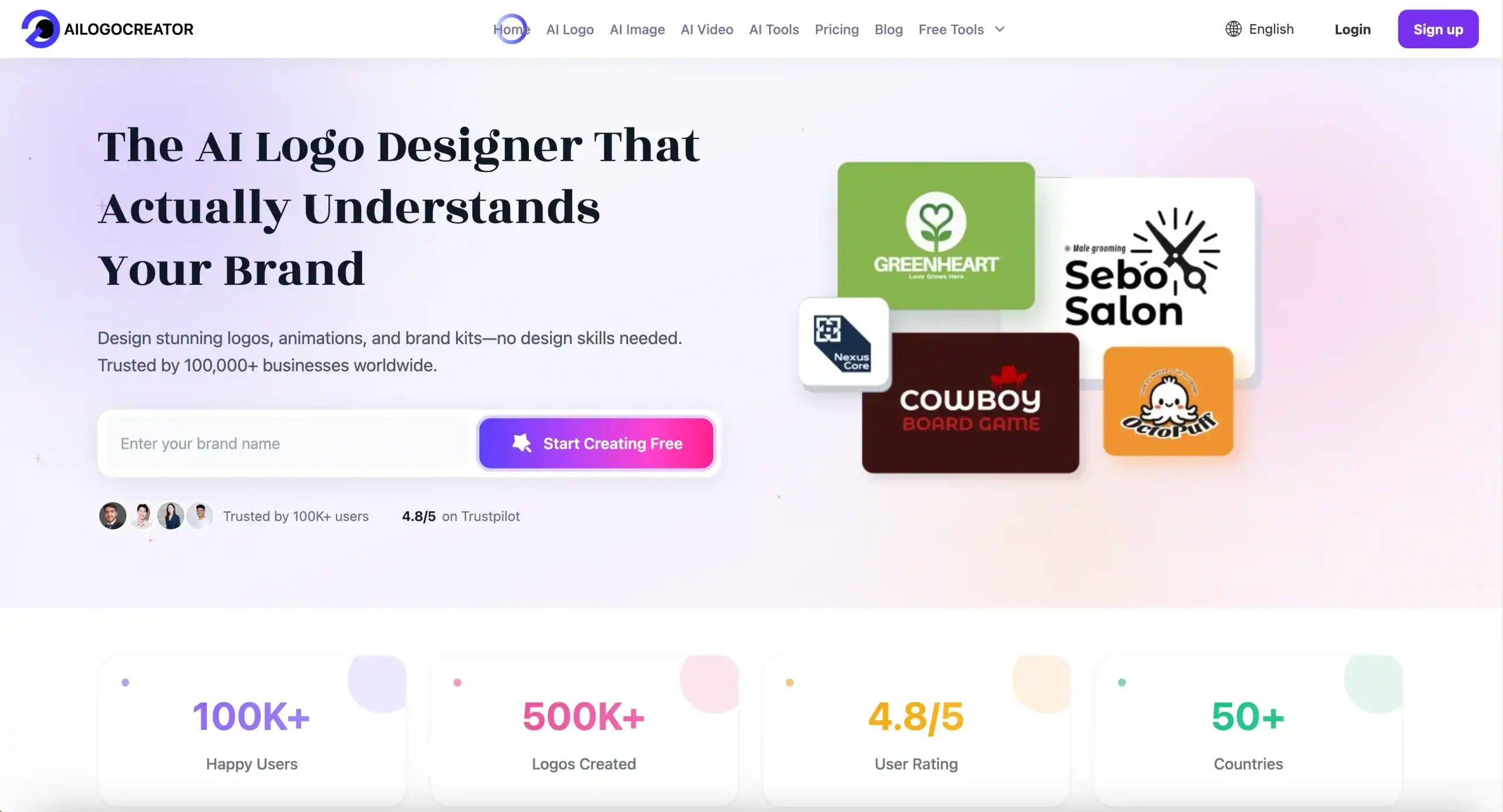
For those starting from scratch or needing a rapid, professional refresh, AI-driven solutions have become a game-changer. These tools can analyze your mission keywords and generate concepts that align with industry standards instantly. For example, using a specialized tool like Ailogocreator allows you to experiment with hundreds of variations based on specific nonprofit parameters, saving weeks of back-and-forth drafting. This efficiency lets you focus your limited resources on what matters most: your programs and beneficiaries.
Ethical Branding and Authenticity
We need to talk about ethics in design. There is a fine line between evoking emotion and exploiting a subject. Nonprofit branding must be rooted in dignity. I strongly believe that “poverty porn” or overly tragic imagery in logos and branding materials can backfire, creating distance rather than connection.
Ethical visual storytelling means your logo should represent hope and solution, not just the problem. It should reflect the strength of the community you serve. When a logo feels authentic, it builds a deeper, more sustainable type of trust. Donors today are savvy; they can smell inauthenticity from a mile away. Your visual identity is a promise. If your logo suggests transparency and hope, your operations must deliver on that. This alignment is what turns a one-time donor into a lifelong advocate.
FAQ
Why is vector format important for nonprofit logos?
Vector files allow your logo to be resized infinitely without losing quality. This ensures your branding looks professional on everything from small business cards to large fundraising banners.
How does color psychology affect donations?
Colors evoke specific emotions; blue builds trust, while red can create a sense of urgency. Choosing the right color ensures your logo subconsciously aligns with the feelings you want your donors to experience.
Can I use AI tools for charity logo design?
Yes, AI tools are excellent for generating high-quality, professional ideas quickly and cost-effectively. They help nonprofits with limited budgets achieve a polished look that rivals expensive agencies.
What is the “show, don’t tell” rule in logo design?
It means your logo should visually communicate your mission’s essence without relying on text. The imagery itself should trigger an understanding of what your organization does and stands for.
Conclusion and Actionable Suggestions
Your nonprofit’s logo is the cornerstone of your public identity. It is not just art; it is a strategic asset that influences donor behavior and community perception. By combining psychological insight with technical precision, you can create a symbol that rallies people to your cause.
- Audit Your Current Visuals: Check if your current logo is a vector file and if it scales well to small screens.
- Define Your Emotional Hook: Decide on the one primary emotion (trust, urgency, hope) you want your brand to convey and select colors accordingly.
- Prioritize Simplicity: Remove unnecessary details. A simple icon is more memorable than a complex illustration.
- Test for Authenticity: Ensure your design represents the dignity of those you serve, avoiding stereotypes.
- Use Efficient Tools: Don’t let budget stop you. Leverage modern platforms to create professional assets without the agency price tag.
CommentsTake the first comment