
Building a brand identity that survives for decades is difficult, but creating a logo that transcends its original industry to become a global fashion staple is a rare phenomenon we should all study. If you are a fashion retailer, a brand strategist, or an entrepreneur looking to understand the mechanics of cultural loyalty, the evolution of these two sports giants offers a masterclass in visual psychology. We often see the NY Yankees fitted hat and Chicago Bulls streetwear worn by teenagers in Paris or businessmen in Tokyo who have never watched an inning or a quarter, proving that effective sports logo branding can evolve into global cultural icons that define athleisure fashion and street style.
- Visual Simplicity: How minimalist designs allow for versatile fashion applications.
- Cultural Association: The role of hip-hop and celebrity influence in shifting perception.
- Consistency: The power of refusing to change a logo for over half a century.
- City Identity: How a team logo becomes a proxy for the city itself.
The Design Psychology: Why the Interlocking “NY” and Angry Bull Work
I believe the foundation of any global icon lies in its raw design elements. Before marketing budgets or celebrity endorsements come into play, the image itself must be compelling. The New York Yankees logo is a prime example of accidental brilliance. Historical records reveal that the famous interlocking “NY” was not originally created for a baseball jersey. It was designed by Tiffany & Co. in 1877 for a medal of valor awarded to a police officer shot in the line of duty. It was adopted by the team later, in 1909.
This origin story matters because the design carries an inherent weight of prestige and authority. It is not cartoonish; it is elegant. The navy blue and white color scheme is high-contrast yet neutral, allowing it to pair with a suit or a tracksuit. It is arguably the most recognized monogram in the world, rivaling luxury fashion houses.
On the other hand, the Chicago Bulls logo relies on emotional intensity. It is the only team logo in the NBA that has never changed since the team’s inception in 1966. The design features a bold, angry bull with red, black, and white colors—a palette that psychologists link to power, aggression, and dominance. While the Yankees logo whispers tradition, the Bulls logo screams energy. This visual consistency has built immense trust; fans and fashion consumers know exactly what they are getting.
The Hip-Hop Catalyst and the New Era 59FIFTY
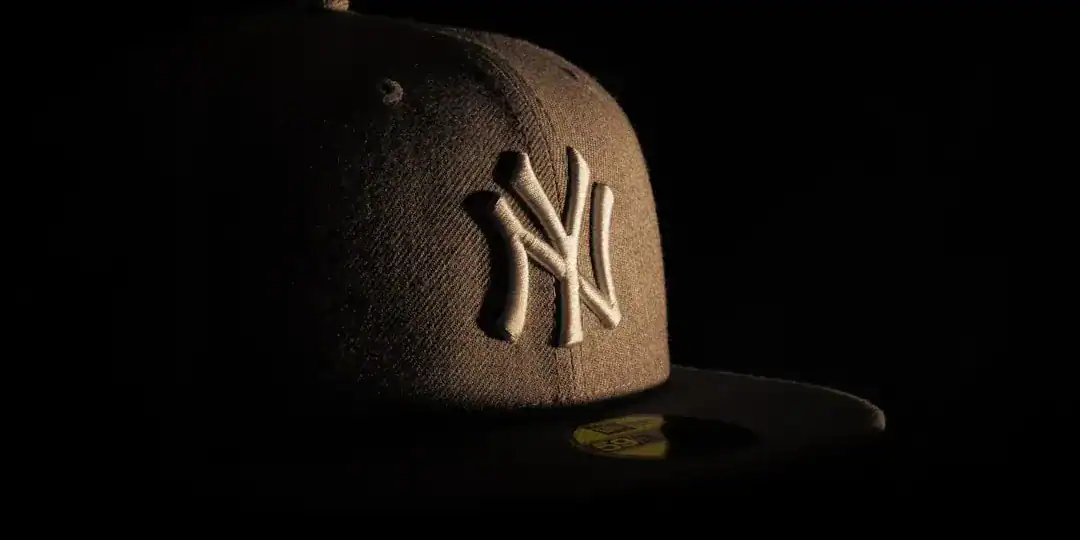
Design alone does not create a cultural movement; you need a vehicle to carry the message. For the Yankees, that vehicle was the New Era 59FIFTY fitted cap and the explosion of hip-hop culture in the 1990s.
I remember seeing Spike Lee requesting a red Yankees cap in 1996, a moment that broke the tradition of only wearing team colors. This opened the floodgates. Suddenly, the hat wasn’t just about supporting a team; it was about color coordination and self-expression. Jay-Z made the Yankee hat more than a piece of merchandise; he made it a crown for New York City. Lyrics and music videos cemented the logo as a symbol of “making it” in America.
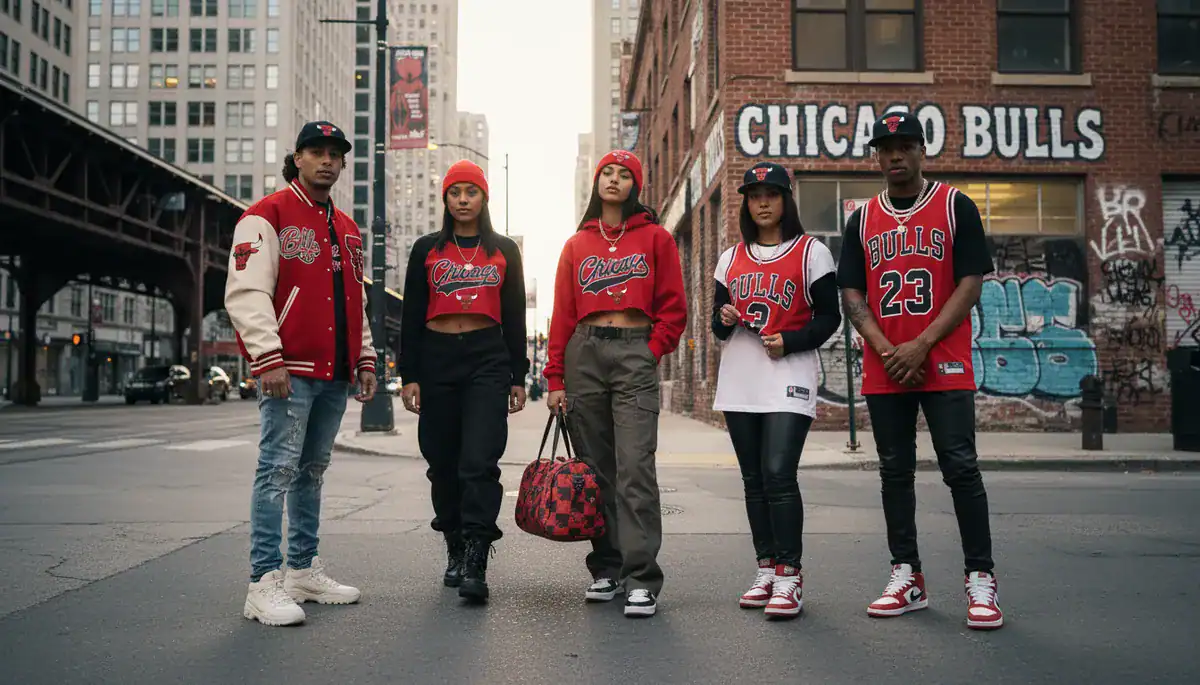
Similarly, the Chicago Bulls became synonymous with the greatest basketball player of all time, Michael Jordan. However, the fashion transition happened because the red and black colorway matched perfectly with the burgeoning sneaker culture, specifically the Air Jordan line. The “Bulls” brand became a proxy for excellence. In the 90s, wearing a Bulls jersey was a statement that you aligned yourself with winners. Today, Chicago Bulls streetwear retains that aura of vintage cool, even when the team is not performing well.
Geography as a Status Symbol
One aspect often overlooked is that these logos allow people to “wear” a city. The NY Yankees fitted hat is the most affordable way to own a piece of the New York dream. In Europe and Asia, wearing the “NY” logo is often less about baseball and more about an affinity for American culture, specifically the grit and glamour of New York City. It functions similarly to an “I Love NY” t-shirt but with significantly more style and street credibility.
The Bulls logo functions similarly for Chicago but carries a different specific weight. It represents the toughness of the Midwest and the golden era of 90s pop culture. Industry analysis suggests that in markets like China, the Bulls logo is one of the most recognized American symbols, largely due to the global export of NBA games during the Jordan era. The logo has become detached from the current roster of players. It stands alone as a symbol of American sports heritage.
The Rise of Athleisure and Logo Adaptability
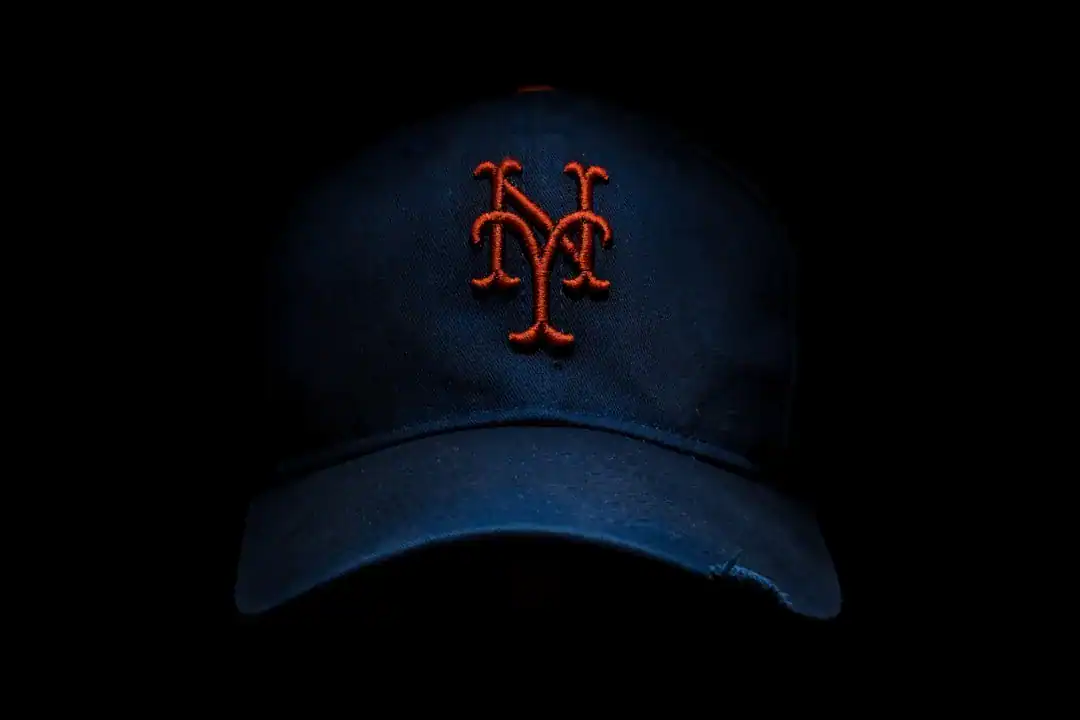
The shift toward athleisure fashion has been the perfect environment for these logos to thrive. Modern consumers value comfort mixed with status. A generic hoodie is just clothing, but a hoodie with a Yankees or Bulls logo is a statement piece.
The genius lies in the adaptability of these logos. The Yankees mark, being a monogram, can be embroidered small on a polo shirt (like luxury wear) or printed massive on a bomber jacket (like streetwear). The Bulls logo is complex but graphic, working well on t-shirts and basketball shorts.
Because they are not constantly rebranding, they have built “brand equity” that new companies struggle to replicate. However, for modern digital entrepreneurs and creators, understanding this consistency is vital. You do not need 100 years of history to start building a recognizable mark. Advanced tools like Ailogocreator are now available to help businesses generate professional, distinct logos that capture this kind of visual clarity without the need for expensive design agencies, setting the stage for future brand recognition.
FAQ
Why is the NY Yankees logo so popular in fashion?
The logo is popular because of its clean, minimalist design and its strong association with New York City culture, hip-hop history, and luxury. It allows wearers to project an image of urban style and prestige regardless of their interest in baseball.
Did the Chicago Bulls ever change their logo?
No, the Chicago Bulls are the only NBA team that has never changed their logo since their founding in 1966. This consistency has helped cement the logo as a timeless icon in sports logo branding.
What is the significance of the New Era 59FIFTY cap?
The New Era 59FIFTY introduced a structured, high-crown fitted hat that became a perfect canvas for team logos. Its rigid shape kept it looking fresh and “crisp,” which became a central aesthetic requirement in streetwear culture.
Who designed the original New York Yankees logo?
The famous interlocking “NY” was originally designed by Tiffany & Co. in 1877 for a police medal of valor. The Yankees franchise adopted it for their uniforms in 1909.
Why do people wear Bulls gear if they aren’t basketball fans?
The Bulls logo represents the “Gold Standard” of 90s excellence and pop culture, largely due to Michael Jordan. It is worn as a vintage fashion statement and a symbol of toughness, rather than just team support.
Conclusion and Actionable Suggestions
The journey of the Yankees and Bulls logos from sports equipment to global fashion runways proves that a brand is defined by what it represents, not just what it sells. For business owners and brand managers, the lessons here are clear and applicable.
- Prioritize Simplicity: The Yankees’ monogram works because it is legible at any size. Ensure your visual identity is clean enough to work on a business card or a billboard.
- Commit to Consistency: The Bulls never chased design trends. They stuck to their original identity. Avoid frequent rebranding; let your audience build a memory with your logo.
- Leverage Cultural Context: Your brand should tell a story. Connect your visual identity to values like “excellence,” “heritage,” or “innovation” so it stands for something beyond the product.
- Use Efficient Tools: You don’t need a Tiffany & Co. budget to start. Utilize intelligent platforms like Ailogocreator to establish a strong visual foundation early in your business journey.
- Think Beyond the Product: Design your branding to look good as a lifestyle choice. Ask yourself, “Would someone wear this logo on a hat even if they didn’t buy my main product?”
CommentsTake the first comment