
Mastering the subtle art of visual psychology can significantly increase user retention and elevate your brand’s perceived value on digital platforms. If you are a UI/UX designer or a brand strategist aiming to create a more engaging visual language, understanding the mechanics behind top-tier streaming interfaces is essential. Many digital brands fail to translate the physical feeling of an experience into a flat interface, yet Netflix’s strategic use of the Cinema Curve and Immersive Red successfully bridges this gap.
- The architectural logic behind the “Cinema Curve” and how it mimics physical screens.
- How specific hex codes like #E50914 trigger psychological urgency and focus.
- The evolution of the “N” ribbon as a motion-first asset for mobile constraints.
- Actionable steps to apply these immersive design principles to your own projects.
The Cinema Curve: Engineering a Physical Metaphor
The subtle arc at the bottom of the Netflix wordmark is not merely a stylistic choice; it is a calculated reference to the physical world of cinema. Traditional flat logos often feel static on a digital screen, failing to evoke the grandeur of the content they represent. By arching the base of the typography, the design mimics the shape of a Cinemascope screen or the curvature of classic theater seating. This simple geometric adjustment instantly signals “premium entertainment” to the brain before the user even presses play.
This design choice solves a critical problem in digital branding: the lack of depth. On a flat phone or laptop screen, every pixel competes for attention on the same plane. The curve introduces a sense of dimension and horizon. It creates a visual anchor that draws the eye upward and outward, much like looking up at a massive screen in a darkened room. This connects the digital interface back to the physical experience of going to the movies, grounding the user in a familiar, nostalgic context.
According to design analysis from Artlandish Gallery, this curvature is specifically intended to replicate the immersive feel of cinema upholstery and the wide-angle viewing experience. It moves the brand away from being just a “tech company” and firmly positions it as an entertainment powerhouse.
Key Elements of the Curve Strategy:
- Vertical Arching: Lifts the center of gravity in the logo.
- Screen Mimicry: References the aspect ratio of wide-screen film.
- Visual Anchoring: Prevents the text from “floating” aimlessly in negative space.
Actionable Suggestion:
Review your brand’s typography for opportunities to introduce subtle geometric distortions that relate to your product’s physical utility. A slight arch or perspective shift can break the monotony of flat design.
Immersive Red: The Science of “Cinematic Night”
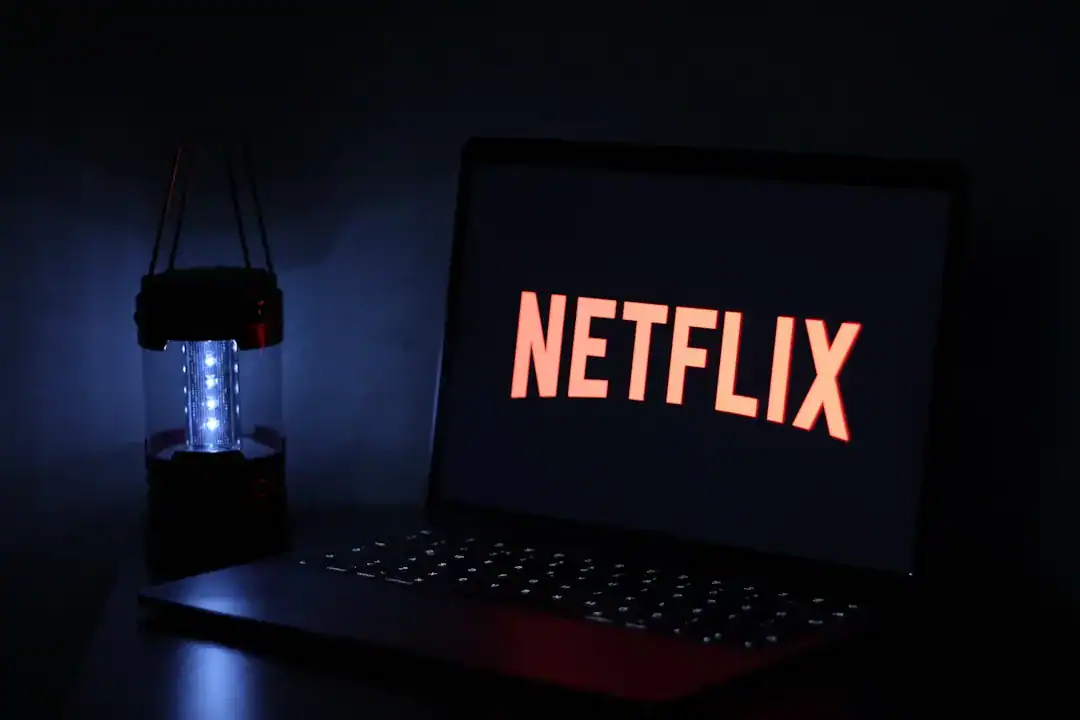
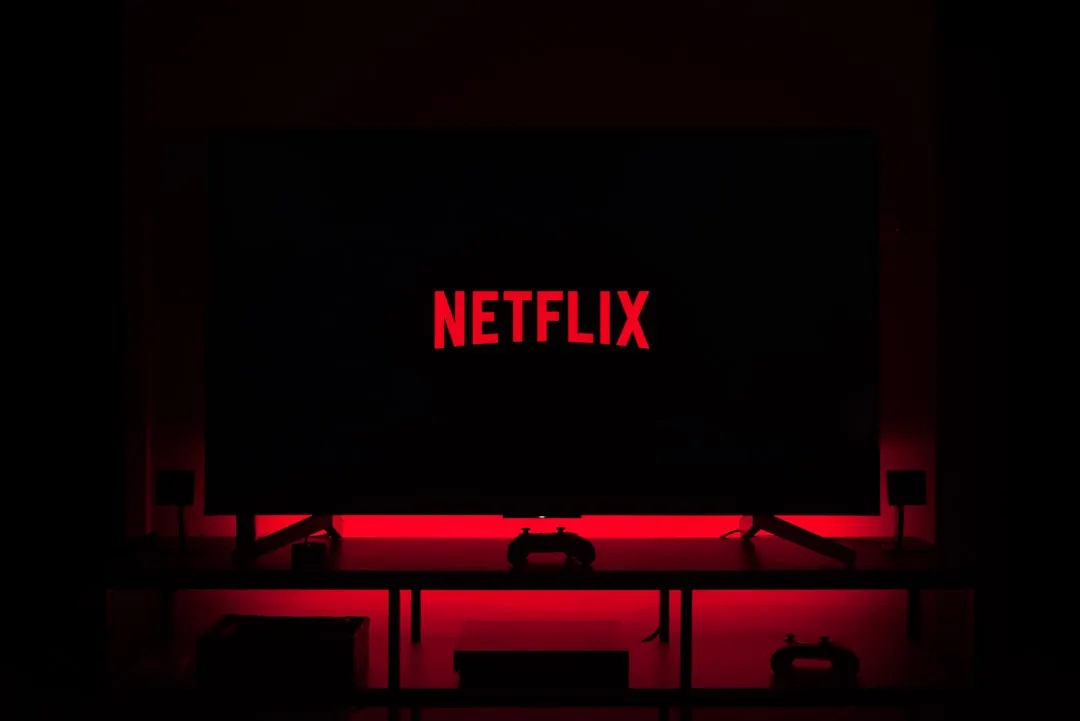
Color is the primary driver of emotional context in a user interface. The transition from Netflix’s early white-and-purple palette to the current high-contrast Black and Red was a strategic pivot toward immersion. The primary color, often identified as “Netflix Red” (#E50914), is paired with a deep “Symbol Dark Red” (#B20710) and a “Cinematic Night” black background. This combination is not accidental; it simulates the lighting conditions of a movie theater where the only light source is the screen itself.
The use of red against black creates a high-contrast environment that reduces eye strain while heightening alertness. Red is physically stimulating—it raises the heart rate slightly and creates a sense of urgency. When a user opens the app, this color palette acts as a visual “hush,” dimming the surrounding digital noise and focusing attention entirely on the content thumbnails. It creates a “dark mode” default that feels native to the content consumption experience rather than just a UI setting.
Industry data on color psychology indicates that this specific shade of red creates a “bold and confident” visual identity that stands out against the cooler blues and whites typical of tech platforms. It turns the interface into a stage rather than a spreadsheet.
Psychological Impacts of Immersive Red:
- Focus: Black backgrounds eliminate peripheral distractions.
- Urgency: Bright red buttons and logos encourage immediate clicking.
- Identity: Distinct separation from the “corporate blue” of standard tech tools.
Actionable Suggestion:
Audit your UI’s dark mode implementation. Don’t just invert colors; choose a specific background shade (like rich charcoal or deep midnight) that complements your primary accent color to create a specific mood, not just a dimmer screen.
The ‘N’ Ribbon: Motion-First Identity for Mobile
As screens shrank, the full curved wordmark became illegible on mobile notifications and app icons. The solution was the “N” symbol, which is not just a letter but a folded ribbon. This design introduces the concept of “Z-depth” to the visual identity. The ribbon looks like it folds over itself, creating shadows and depth that imply it is a tangible object, not a flat graphic. This “materiality” is crucial for touch interfaces, where users interact with objects on the screen.
The “N” is built for motion. It isn’t static; it unfolds. When the app launches, the ribbon expands into a spectrum of vertical light bars, resembling a barcode. This animation is a direct visualization of the platform’s catalog—each strip of light represents a thumbnail of a show or movie. This “motion expansion” turns the logo into a narrative device that tells the story of infinite content variety.
Motion graphics experts note that this “barcode” visualization allows the brand to live in a state of constant movement, aligning with the “Tudum” sound signature. It transforms the logo from a stamp into a living entry point for the experience.
Why the Ribbon Works:
- Scalability: Reads clearly at 16×16 pixels or on a billboard.
- Dimensionality: Drop shadows and folds imply a 3D object.
- Kinetic Potential: Designed to be animated, not just displayed.
Actionable Suggestion:
When developing brand assets, ensure you have a “micro-identity” symbol that works independently of your full name. For rapid prototyping of these scalable assets, tools like Ailogocreator provide an efficient way to test how different symbols maintain integrity across various resolutions.
Responsive Consistency Across Ecosystems
The true power of this visual identity lies in its rigorous consistency. Whether on a 60-inch smart TV or a 5-inch smartphone, the relationship between the curve, the red, and the black background remains absolute. The design system uses strict breakpoints and grid layouts to ensure that while the layout changes, the brand feel does not.
This component-based approach allows the brand to deploy updates globally without breaking the user experience. The “Immersive Red” serves as the unifying thread. A user pausing a movie on their TV and resuming it on their phone experiences no visual friction because the color values and spatial relationships are identical. This builds trust. The interface disappears, leaving only the brand authority and the content.
Market analysis shows that cross-device consistency is a primary factor in user retention. Users do not see “mobile Netflix” and “TV Netflix” as different apps; the visual identity forces them to see a single, continuous service.
Systematic Success Factors:
- Unified Palette: Hex codes remain constant across all endpoints.
- Adaptive Layouts: Grids shift, but branding elements stay anchored.
- Performance: Simple vector shapes load instantly on any connection speed.
Actionable Suggestion:
Adopt a component-based design system early. Define your core visual “constants” (color, key shapes) and allow your “variables” (layout, sizing) to float around them.
Conclusion and Actionable Suggestions
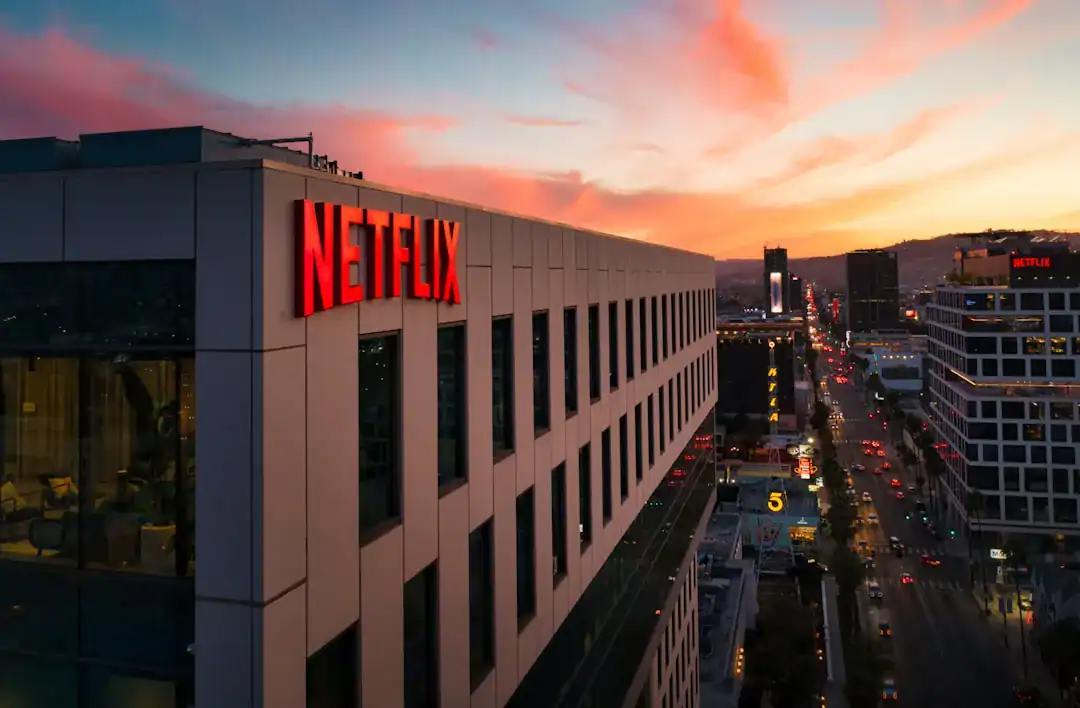
The success of Netflix’s visual identity isn’t magic; it’s a rigorous application of psychology and responsive design principles. By grounding digital assets in physical metaphors like the cinema screen and using color to control user focus, they have built an interface that feels both exciting and invisible.
To apply these insights to your own work:
- Mimic the Physical: Look for shapes in the real world that represent your industry (e.g., an arch, a block, a wave) and subtly incorporate them into your typography.
- Own the Dark Mode: Don’t treat dark backgrounds as an afterthought. Use deep greys or blacks to make your primary brand color pop and focus user attention.
- Plan for Motion: Design your logo with animation in mind. How does it enter the screen? How does it react to a click?
- Scale Down First: Ensure your primary identifier works as a 1cm square. If it loses impact, simplify the geometry until it works.
- Enforce Consistency: Use a strict design system to ensure your visual “feel” is identical across web, mobile, and print.
FAQ
Why does the Netflix logo curve at the bottom?
The curve mimics the shape of a classic CinemaScope movie screen and the seating arrangement in a theater. This subtle geometric distortion creates a subconscious link to the premium experience of watching a film in a cinema.
What is the specific red color used by Netflix?
The primary brand color is known as “Netflix Red,” with the hex code #E50914. It is often paired with a darker shade, #B20710, to add depth and shadow to symbols like the “N” ribbon.
What does the “N” logo represent?
The “N” is a folded red ribbon that represents the connection between stories and members. Its animation, which turns into a spectrum of light, symbolizes the infinite variety of content and thumbnails available on the platform.
How does Netflix maintain visual consistency?
They use a component-based design system that adapts layouts for different screens (TV, mobile, web) while keeping core elements like the red palette, typography, and motion behaviors strictly uniform.
Why did Netflix switch to a black background?
The switch to a dark background (or “Cinematic Night”) reduces eye strain and mimics the lighting of a darkened theater. This focuses the user’s attention entirely on the artwork and content, rather than the interface itself.
CommentsTake the first comment