
By understanding the blocky visual language of sandbox environments, creators can unlock powerful methods for organic community engagement and brand loyalty. If you are a digital marketer or community manager looking to deepen user connection, analyzing how players build identity through voxel art is essential. The distinct Minecraft aesthetics have shifted how we perceive virtual branding, moving away from polished corporate logos to raw, user-generated content. This evolution in sandbox games proves that community building relies more on shared creativity than high-fidelity graphics.
- Voxel art democratizes design, allowing anyone to shape the visual narrative of a community without advanced technical skills.
- User-generated content creates a profound sense of ownership that traditional, top-down marketing narratives cannot replicate.
- Virtual branding in sandbox environments requires flexibility and participation, turning passive consumers into active co-creators.
- The collaborative nature of these games strengthens social cohesion, as shared building projects act as a glue for collective identity.
The Power of Voxel Art in Shaping Digital Identity
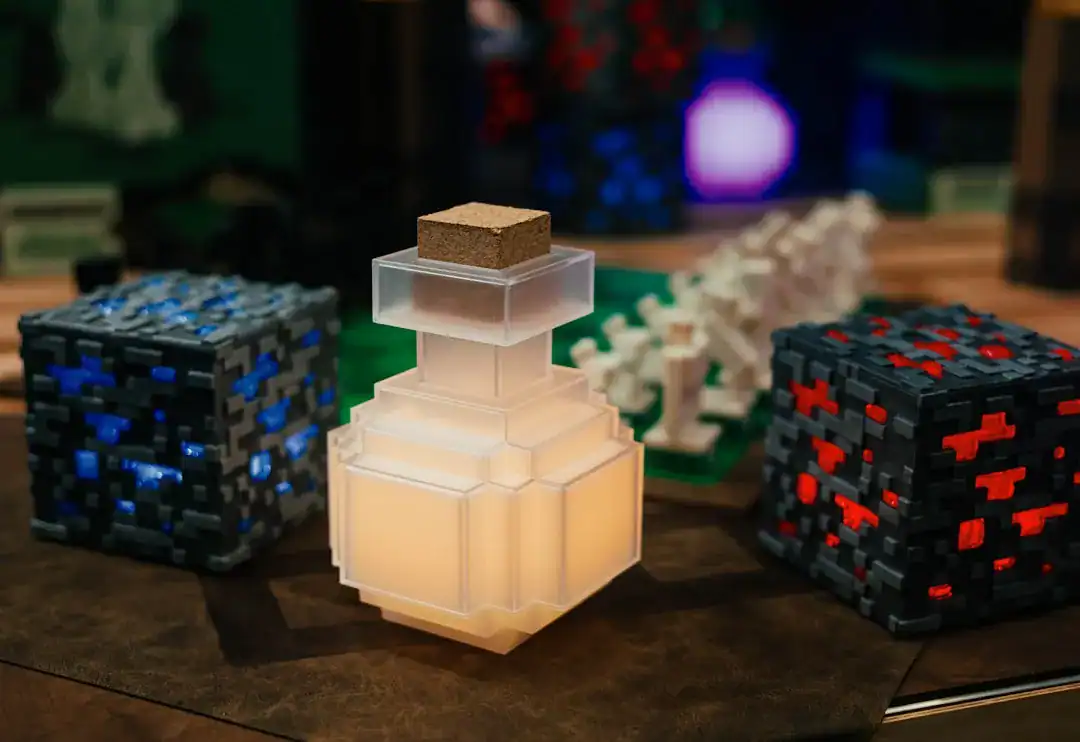
I have often observed that the simplest tools yield the most complex results. The genius of Minecraft aesthetics lies in its limitation. By restricting the world to a grid of cubes, the game removes the intimidation factor associated with high-fidelity 3D modeling. Industry researchers describe this as a “digital Lego” effect, where the barrier to entry is virtually non-existent. This accessibility allows players to project their identity onto the game world immediately.
When I look at how communities form online, visual coherence is usually the first step. In voxel art, every player speaks the same visual language. A dirt block is a dirt block, whether placed by a novice or a master builder. This shared aesthetic creates an instant visual equalizer. Unlike hyper-realistic games where “skins” or paid assets distinguish the elite from the newcomers, the core building blocks here remain democratic. This uniformity is not a weakness; it is the foundation of a cohesive digital identity.
Data from educational studies suggests that this specific visual style actually boosts creative production. When the brain isn’t bogged down by the technical nuances of rendering curves or lighting, it focuses entirely on structure and concept. For brands and communities, this means the aesthetic itself encourages participation rather than just observation.
User-Generated Content as the Engine of Community Ownership
We need to stop viewing user-generated content (UGC) as just “free content” and start seeing it as autobiographical expression. Industry analysis indicates that players in sandbox games are not just playing; they are writing their own histories into the landscape. When a player builds a structure, they are investing labor and creativity, which creates a psychological psychological bond that no advertisement can buy.
I believe this shift represents a crisis for traditional marketing but a massive opportunity for community builders. In the past, a brand would dictate the story. In sandbox games, the brand provides the canvas, and the community paints the picture. Theories on audience engagement highlight that this shift allows players to become creators, sustaining the game’s appeal for over a decade. The “emergent arc” of a server—where a simple shelter evolves into a sprawling city—is a narrative authored entirely by the community.
This dynamic creates a fierce loyalty. When users feel they own a piece of the world, they defend it. They nurture it. This is why “griefing” (destroying others’ work) is such a cardinal sin in these spaces; it is not just property damage, it is an attack on someone’s digital identity. For anyone trying to build a community, the lesson is clear: give your members the tools to build the environment, and they will never leave.
Virtual Branding: From Passive Consumption to Active Participation
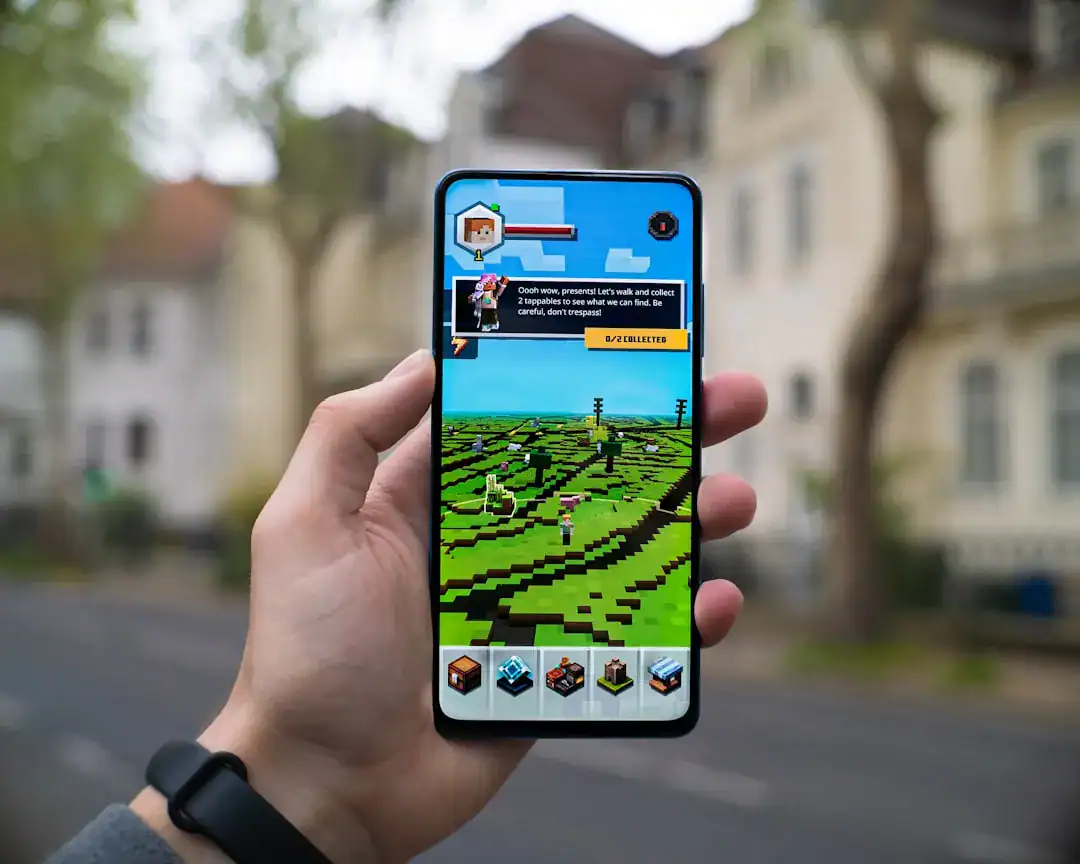
The concept of a logo or a brand image changes drastically when it enters a 3D, interactive space. In a sandbox environment, a brand is not a static image on a screen; it is a location, a structure, or an experience. I have seen major shifts in how digital identity is constructed, moving from rigid guidelines to flexible, modular systems.
To succeed here, visual identity must be adaptable. This is where modern design philosophy aligns with sandbox mechanics. Tools that simplify the creation process are vital in this ecosystem. For instance, platforms like Ailogocreator demonstrate how intelligent systems can streamline the transition from abstract concepts to concrete visual assets, acting as an efficient solution for those needing quick, professional identity markers. Just as Minecraft simplifies architecture into blocks, these modern tools simplify branding into accessible steps, proving that efficiency does not require sacrificing quality.
In my view, the most successful virtual branding allows for “remixing.” If a brand enters a sandbox game, it should encourage players to take its assets and rebuild them. This might seem risky to a traditional brand manager who wants to control every pixel. However, the reward is relevance. When a community reinterprets a brand’s symbols through voxel art, they integrate that brand into their social fabric.
Social Cohesion and the Mechanics of Shared Creativity
Community building in sandbox games is fundamentally different from social media. On Twitter or Instagram, interaction is often performative. In Minecraft, interaction is collaborative. Research into “social cures” suggests that working together on a shared goal—like building a castle or a railway system—enhances mental well-being and resilience.
I have tracked how reputation systems evolve in these spaces. Trust is not abstract; it is proven through action. If a player contributes materials to a communal project, they gain social capital. This mechanic of “scaffolding” social capacity is particularly powerful for younger demographics or neurodivergent individuals who might find face-to-face social cues difficult. The game provides a structured environment where social rules are clear and cooperation is tangible.
This creates a “tribe” mentality. The shared struggle of survival or the shared joy of creation binds people together. I argue that this is the purest form of community. It is not held together by algorithms feeding you content, but by the literal blocks you placed next to your neighbor’s. This physical proximity in a virtual space creates a sense of neighborhood that is rare in the digital age.
The Psychology of Control and Safety
Why do we find these blocky worlds so comforting? I think it comes down to control. The real world is chaotic and high-resolution; it is overwhelming. A voxel world is understandable. Everything fits on a grid. This orderliness provides a psychological safety net.
Academic sources note that these environments allow for “scaffolding,” where players can take risks in a safe setting. For a brand or community leader, this means your space must be a sanctuary. The aesthetic simplicity contributes to this. It lowers the cognitive load, allowing users to relax and open up.
When people feel safe and in control, they are more likely to express their true selves. This authenticity is the gold standard for community identity. You are not getting a curated persona; you are getting the raw creativity of the user. Recognizing this psychological need for order and agency is crucial for anyone engaging with sandbox communities.
Conclusion and Actionable Suggestions
The transition from pixels to brand is not about slapping a logo on a wall; it is about understanding the deep connection between creation and identity. Sandbox aesthetics prove that engagement comes from agency, not graphical fidelity. To leverage this in your own community building or marketing efforts, you must be willing to let go of control and hand the blocks over to the users.
Here are my actionable suggestions for applying these insights:
- Prioritize Modularity: Create brand assets or community symbols that can be easily deconstructed and remixed by your audience.
- Encourage Co-Creation: Instead of launching a finished campaign, launch a framework and ask your community to build the rest.
- Lower Barriers to Entry: Use accessible design languages. If your visual identity requires a degree in art to understand or replicate, it will not survive in a sandbox environment.
- Reward Collaboration: Implement systems that recognize and reward users who contribute to shared projects, reinforcing the “social capital” of your community.
FAQ
Q: How does voxel art influence brand identity?
A: Voxel art strips away complexity, forcing brands to focus on core colors and shapes. This makes the identity more recognizable and easier for the community to replicate and integrate into their own creations.
Q: Why is user-generated content crucial for sandbox communities?
A: UGC transforms players from passive consumers into active stakeholders. When users build the world, they feel a sense of ownership and loyalty that keeps the community alive and active for years.
Q: Can traditional brands succeed in sandbox games?
A: Yes, but only if they adapt. Brands that try to enforce rigid, non-interactive ads usually fail. Those that provide tools, skins, or challenges that invite the community to play with the brand succeed.
Q: What is the role of aesthetics in community building?
A: Shared aesthetics act as a uniform language. When everyone has access to the same visual tools (like blocks), it levels the playing field and fosters a more inclusive and collaborative environment.
Q: Is the low-resolution look of Minecraft a disadvantage for modern branding?
A: I believe it is actually an advantage. The “low-res” look signals accessibility and authenticity, which resonates more with younger, digital-native audiences than overly polished, corporate imagery.
References & Sources
- Crafting minds and communities with Minecraft – PMC – NIH (pmc.ncbi.nlm.nih.gov)
- Therapeutically applied Minecraft groups with neurodivergent youth (pmc.ncbi.nlm.nih.gov)
- [PDF] Minecraft in education benefits learning and social engagement (strathprints.strath.ac.uk)
- [PDF] Minecraft As a Platform For Co-Creation Of Urban Space (research-api.cbs.dk)
- [PDF] Minecraft and Playful Public Participation in Urban Design (pdfs.semanticscholar.org)
- [PDF] The Discovery of Minecraft’s Invisible Digital Economy (eprints.nottingham.ac.uk)
- [PDF] Through the Nether: A Critical Examination of Minecraft as a Social … (openrepository.aut.ac.nz)
CommentsTake the first comment