
Understanding the deep symbolism behind German luxury car emblems offers a masterclass in brand identity that can elevate your own business image and strategic thinking. If you are a design enthusiast, automotive historian, or an entrepreneur building a premium brand, this analysis reveals how heritage and minimalism create timeless value. German automotive design focuses on precision, and the Mercedes-Benz logo evolution, BMW roundel meaning, and Audi four rings history perfectly illustrate how car emblem symbolism shapes luxury brand identity.
- The Mercedes-Benz star symbolizes a grand ambition to dominate transportation across land, air, and sea.
- The BMW roundel is a tribute to Bavarian heritage, correcting the long-standing aviation propeller myth.
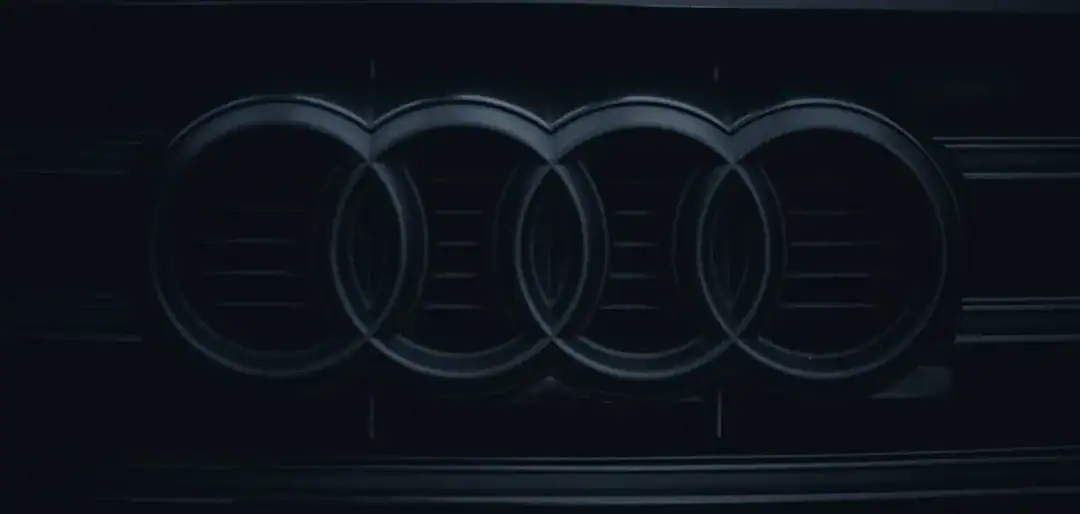
- Audi’s four rings represent the historic merger and unity of four independent Saxon manufacturers.
- German design philosophy prioritizes geometric simplicity, ensuring logos remain timeless across decades.
Mercedes-Benz: The Three-Pointed Star of Ambition
The Mercedes-Benz logo evolution is a testament to the power of aspirational branding. Originally, the three-pointed star was not just a design element but a declaration of intent. Paul and Adolf Daimler, sons of the company founder Gottlieb Daimler, adapted the star from a symbol their father had used to mark his home on a postcard.
From Family Postcard to Global Icon
According to historical archives, the board of Daimler-Motoren-Gesellschaft (DMG) registered the three-pointed star as a trademark in June 1909. The three points explicitly represented the company’s drive for universal motorization: on land, on water, and in the air. This ambitious narrative gave the brand a clear direction before it even dominated the market.

The Merger and the Circle
The logo we recognize today began to take shape in 1926. This was when DMG merged with Benz & Cie. to form Daimler-Benz AG. The star of Daimler was combined with the laurel wreath of Benz, which later evolved into the sleek silver circle. This evolution signifies how German automotive design balances heritage with modernization, stripping away complex details to leave a clean, geometric form.
Summary: The Mercedes-Benz emblem evolved from a personal family symbol into a global representation of dominance in mobility, combining the star of ambition with the circle of unity.
BMW: Bavarian Heritage Beyond the Propeller Myth
The BMW roundel meaning is perhaps one of the most debated topics in automotive history. For decades, a romanticized story suggested that the blue and white quarters represented a spinning airplane propeller against a blue sky. While this narrative fits the company’s history as an aircraft engine manufacturer, it is not the true origin.
Debunking the Propeller Myth
Industry records indicate that the “propeller” interpretation actually originated from a 1929 advertisement that featured the logo on a rotating plane propeller. However, the logo existed before this ad. The true design philosophy is rooted in regional pride.
The Colors of Bavaria
The blue and white quadrants in the BMW logo are a direct reference to the state colors of Bavaria. However, due to trademark laws at the time which prohibited using state coats of arms for commercial logos, the colors were arranged in an inverse order. This commitment to regional identity highlights a key aspect of luxury brand identity: authenticity creates a lasting connection with the audience.
Summary: Contrary to popular belief, the BMW logo celebrates the company’s Bavarian roots rather than aviation, proving that authentic local heritage can become a global symbol of precision.

Audi: The Four Rings of Unity and Strength
The Audi four rings history provides a fascinating look at corporate consolidation and survival. Unlike other logos that represent a single entity, the Audi emblem is a symbol of a complex merger. It tells the story of the Auto Union, formed during the economic pressure of the 1930s.
The Formation of Auto Union
In 1932, four German automobile manufacturers—Audi, DKW, Horch, and Wanderer—merged to form Auto Union AG. This move was essential to survive the Great Depression. The four interlocking rings were designed to symbolize the inseparable unity of these four founding companies.
A Latin Twist on a German Name
The name “Audi” itself is a clever play on words. The founder, August Horch, could not use his own last name for his new company due to trademark disputes. “Horch” in German means “listen.” He translated this into Latin, resulting in “Audi.” The rings endure as a powerful example of car emblem symbolism, representing how distinct entities can come together to form a stronger whole.
Summary: The Audi logo is a graphic representation of the 1932 merger of four distinct brands, symbolizing the strength found in unity and the resilience of the German automotive industry.
The Core of German Design Philosophy: Precision and Minimalism
The success of these logos lies in their adherence to German automotive design principles: precision, functionality, and minimalism. Unlike brands that drastically change their image every decade, BBA (Benz, BMW, Audi) logos have undergone only subtle refinements.
Evolution Over Revolution
German design favors evolution. The basic geometry of the star, the roundel, and the rings has remained consistent for nearly a century. This consistency builds trust. When a consumer sees these symbols, they associate them with decades of engineering excellence rather than fleeting fashion trends.
Modern Flat Design
In recent years, all three brands have simplified their logos further for the digital age, moving from 3D chrome effects to flat, 2D designs. This shift ensures the logos remain crisp and legible on everything from a car grille to a smartphone screen. It reflects a forward-thinking approach where adaptability is key to maintaining luxury brand identity.
Summary: German design philosophy relies on geometric simplicity and consistent evolution, ensuring that brand symbols remain recognizable and relevant across different eras and mediums.

Applying These Principles to Modern Logo Design
For modern entrepreneurs and creators, the lessons from Mercedes, BMW, and Audi are clear: simplicity and meaning are paramount. You do not need a complex image to convey a powerful message.
meaningful Geometry
Start with a core shape that represents your values. Just as the three points of the star represent land, air, and sea, your design elements should have a reason for existing. Avoid clutter. If an element does not add meaning, remove it.
Tools for Precision
Achieving this level of geometric balance used to require expensive design firms. Today, technology has democratized access to professional branding. Advanced tools can now analyze design trends to help you generate logos that adhere to these principles of balance and minimalism. For instance, Ailogocreator utilizes intelligent algorithms to suggest designs that embody the clean, professional aesthetic seen in top-tier brands, allowing anyone to start with a strong visual identity.
Summary: Modern branding should focus on meaningful geometry and simplicity, and utilizing intelligent design tools can help achieve professional, precision-based results efficiently.
FAQ
Q: What is the true meaning of the BMW logo?
A: The BMW logo represents the state colors of Bavaria, white and blue. The common belief that it represents a spinning airplane propeller is a myth derived from a 1929 advertisement, but it is not the original intent of the design.
Q: Why does the Audi logo have four rings?
A: The four interlocking rings symbolize the merger of four independent automobile manufacturers in 1932: Audi, DKW, Horch, and Wanderer. They united to form the Auto Union, and the rings represent their solidarity.
Q: What do the three points on the Mercedes-Benz star represent?
A: The three points on the Mercedes-Benz star symbolize the company’s original ambition to achieve universal motorization. Specifically, they represent dominance in transportation on land, on water, and in the air.
Q: How has German design philosophy influenced these logos?
A: German design philosophy emphasizes minimalism, functionality, and geometric precision. This influence is seen in the clean lines, symmetry, and lack of unnecessary decoration in the logos of Mercedes, BMW, and Audi, allowing them to remain timeless.

Conclusion and Actionable Suggestions
The logos of Mercedes-Benz, BMW, and Audi are not just trademarks; they are historical narratives distilled into geometric forms. They teach us that a great logo requires a blend of personal history, regional pride, and a commitment to simplicity. By understanding the Mercedes-Benz logo evolution, BMW roundel meaning, and Audi four rings history, we gain insight into how to build a brand that stands the test of time.
To apply these insights to your own brand strategy:
- Define Your “Three Points”: Identify the core missions of your business (like land, air, sea) and see if they can be represented geometrically.
- Honor Your Roots: Like BMW, consider using colors or symbols that authentically represent your origin or local heritage.
- Simplify for Longevity: Review your current branding. If it looks cluttered, strip it back to its essential elements to ensure it remains timeless.
- Leverage Modern Tools: Use efficient solutions like Ailogocreator to experiment with minimalist designs that convey professional precision.
- Tell a Story: Ensure your logo has a backstory. Whether it is a merger or a family postcard, a narrative adds depth and value to the image.
CommentsTake the first comment