
Understanding the hidden history behind iconic car badges allows you to appreciate the machine’s soul before you even turn the key. If you are a branding professional or an automotive aficionado, decoding these symbols is essential for mastering the visual language of speed and power. These emblems are not mere decorations; they are narrative devices that encapsulate the heritage of the Ferrari Prancing Horse, the aggression of the Lamborghini Raging Bull, and the freedom of the Ford Mustang emblem, defining the very essence of Automotive brand identity.
- Historical Roots: Discover how a WWI fighter pilot inspired Ferrari’s legendary crest.
- Design Philosophy: Analyze why the Mustang gallops left while race horses run right.
- Symbolic Rivalry: Understand the psychological clash between the Bull and the Horse.
- Brand Impact: Learn how Animal car logos dictate consumer perception and market positioning.
The Prancing Horse: From WWI Heroism to Racing Royalty
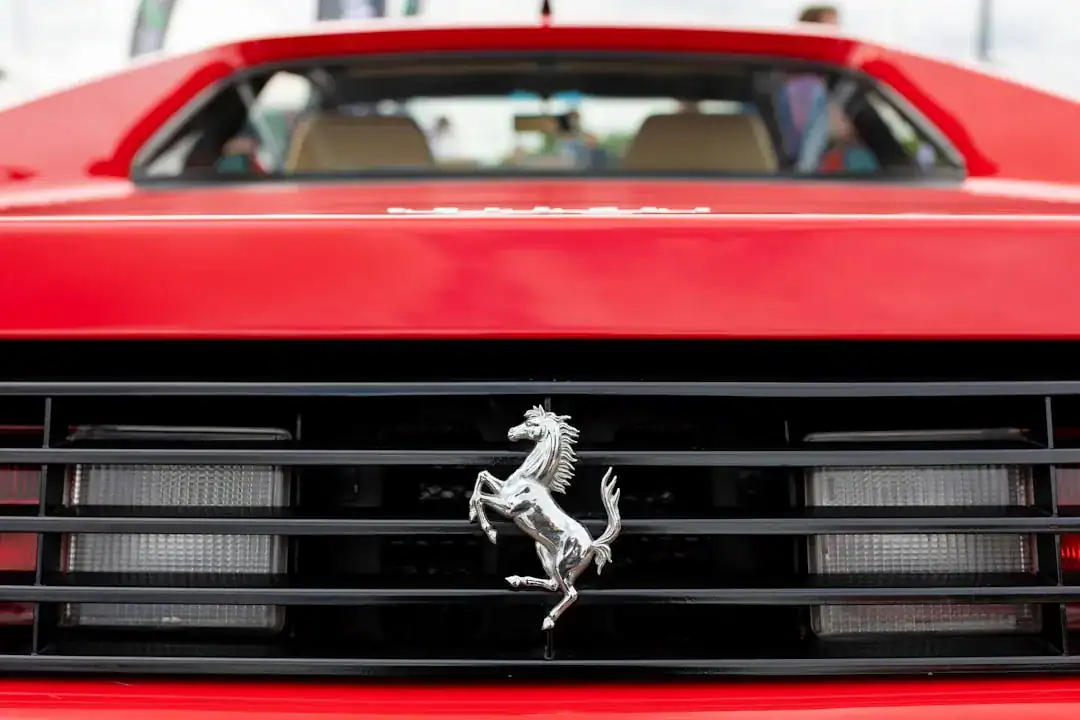
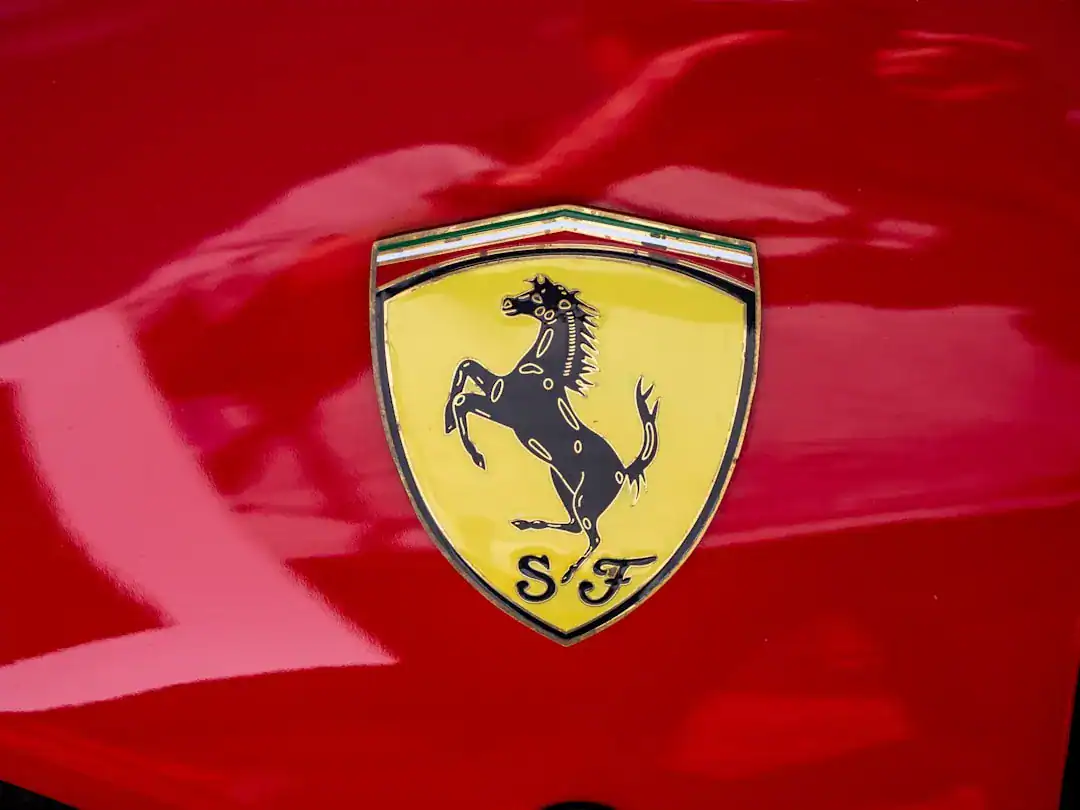
The Ferrari Prancing Horse (Cavallino Rampante) is arguably the most recognizable symbol in motorsport history, yet its origins lie in the skies, not on the track. Historical records indicate that the black stallion was originally the personal emblem of Count Francesco Baracca, Italy’s top fighter ace during World War I. Baracca painted the horse on his biplane for luck and courage.
The transition to automotive legend happened in 1923. After winning a race at the Savio circuit, a young Enzo Ferrari met Baracca’s parents. Countess Paolina suggested Enzo use her son’s prancing horse on his cars for good luck. Enzo accepted, but with a crucial modification: he placed the black horse against a canary yellow background, the representative color of his hometown, Modena.
This emblem transcends mere branding; it represents a lineage of victory. Unlike other manufacturers who might change logos with design trends, the Ferrari badge has remained remarkably consistent. It signals exclusivity and elite performance. When you see that shield on a Ferrari 296 GTB, you aren’t just looking at a car; you are looking at a century of Italian resilience.
Summary: The Ferrari logo was born from the legacy of a fallen war hero, adapted by Enzo Ferrari with local pride (Modena yellow) to symbolize an unbroken tradition of racing dominance.
The Galloping Pony: American Freedom and the Wild West
While Ferrari’s horse rears up in a display of aristocratic power, the Ford Mustang emblem runs wild across the grille. This distinction is vital for understanding Car logo symbolism. The Mustang logo was designed in the early 1960s, with contributions from designers like Phil Clark and Waino Kangas. Their goal was to capture the spirit of the American frontier—expansion, freedom, and youthful energy.
A specific detail sets this logo apart: the horse gallops to the left. In equestrian tradition, trained racehorses are typically depicted running to the right (towards the finish line of a spectator). By orienting the Mustang to the left, the designers emphasized that this is a wild horse, untamed and free roaming. This aligns perfectly with the “Pony car” segment the Mustang created—affordable, stylish, and rebellious.
It is also important to note the hierarchy. For Ferrari, the horse is the company logo. For Ford, the Blue Oval is the company logo, while the Galloping Horse is specific to the Mustang model family. This allows the Mustang to maintain a unique sub-brand identity that feels distinct from a standard family sedan.
Summary: The Mustang’s left-facing gallop symbolizes an untamed American spirit, distinguishing it as a specific model identity focused on freedom rather than the corporate identity of Ford.
The Raging Bull: A Zodiac Sign and a Challenge
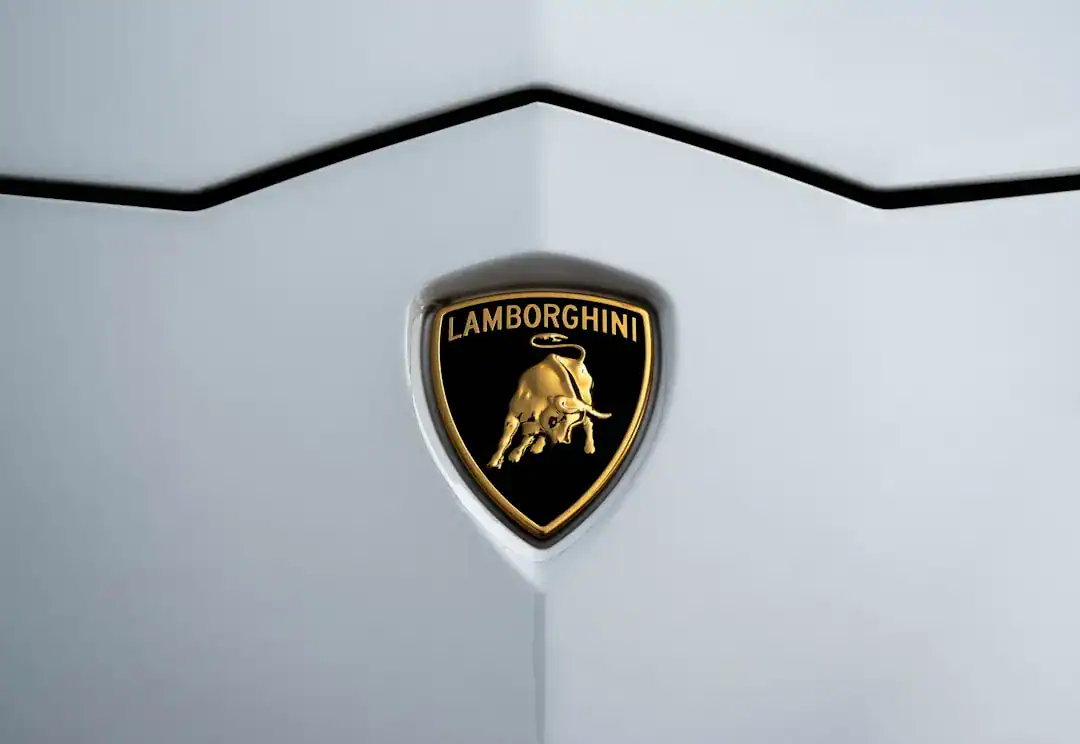
If the horse represents elegance and speed, the Lamborghini Raging Bull stands for raw, uncompromising force. Ferruccio Lamborghini, the company’s founder, was born under the zodiac sign of Taurus. He also held a deep fascination for Spanish bullfighting. This personal connection birthed a logo that was a direct, aggressive counterpoint to Ferrari.
The psychology here is fascinating. A bull is grounded, heavy, and incredibly powerful. It charges head-on. This reflected Ferruccio’s vision of building grand touring cars that were more robust and refined than the “noisy” race cars of his rival, Enzo Ferrari. The rivalry is legendary, and the choice of animal was a deliberate challenge.
Many Lamborghini models, such as the Miura and Aventador, are named after famous fighting bulls. This cohesive naming strategy reinforces the brand’s identity as aggressive and potent. It appeals to a different kind of driver—one who values brute force and bold presence over track-bred heritage.
Summary: The Lamborghini Bull is a reflection of the founder’s zodiac sign and a deliberate stylistic antagonist to Ferrari, symbolizing grounded power and aggressive luxury.
Designing Identity: The Psychology of Animal Totems
Why do Animal car logos resonate so deeply? Animals bypass language barriers. They tap into primal associations. A horse universally implies speed and grace; a bull implies strength; a jaguar implies stealth. For a brand, adopting an animal totem is a shortcut to establishing an emotional connection with the customer.
In the digital age, creating such a potent visual identity requires a blend of creativity and data. Brands today must ensure their logos are scalable, from a massive grille badge to a tiny app icon. For designers and startups looking to emulate this level of symbolic depth, tools like Ailogocreator offer an efficient way to explore animal iconography. These advanced platforms analyze design trends to generate logos that carry the necessary visual weight and distinctiveness.
The success of these brands proves that a logo is more than a graphic. It is a promise of performance. Whether it is the agility of the Ferrari Prancing Horse or the wild freedom of the Mustang, the animal sets the expectation for the driving experience.
Summary: Animal logos succeed by triggering primal emotional responses, and modern design tools assist in crafting these powerful visual narratives to meet contemporary digital needs.
FAQ
Q: What is the main difference between the Ferrari and Mustang horse logos?
A: The Ferrari horse (Prancing Horse) rears up on its hind legs and represents the entire brand’s racing heritage. The Mustang horse gallops to the left and is a model-specific badge symbolizing American freedom and the wild west.
Q: Why is the background of the Ferrari logo yellow?
A: The canary yellow background represents the city of Modena, Italy, which is the birthplace of Enzo Ferrari. It was added to the original black horse design to honor his local roots.
Q: Did Lamborghini choose the bull just to annoy Ferrari?
A: While the rivalry was real, the choice was primarily because the founder, Ferruccio Lamborghini, was a Taurus (zodiac sign) and had a passion for bullfighting. However, the bull’s image of raw power served as a perfect contrast to Ferrari’s sophisticated horse.
Q: Are there other famous animal car logos?
A: Yes, many brands use animals to convey specific traits. Jaguar (speed and agility), Peugeot (lion for strength), and RAM (ram for ruggedness) are prominent examples of Animal car logos in the industry.
Q: Why does the Mustang horse run to the left?
A: The Mustang runs to the left to symbolize that it is a wild horse, not a domesticated racehorse (which is usually shown running right on tracks). This emphasizes the car’s spirit of rebellion and freedom.
Conclusion and Actionable Suggestions
The “Totems of Speed” are more than just metal badges; they are the result of history, personal belief, and strategic psychology. Whether it is the Ferrari Prancing Horse honoring a fallen hero or the Lamborghini Raging Bull challenging the status quo, these symbols define the machines they adorn.
- Analyze the Origin: When building a brand, look for authentic stories (like Baracca’s plane) rather than just aesthetic appeal.
- Define the Direction: Details matter. The direction an animal faces (like the Mustang’s leftward gallop) can completely change the narrative from “sport” to “wild.”
- Leverage Psychology: Choose symbols that evoke the specific emotion you want your product to deliver (e.g., agility vs. brute force).
- Use Modern Tools: Don’t rely solely on manual sketching; utilize efficient solutions like Ailogocreator to iterate through design concepts rapidly.
- Consistency is Key: Like Ferrari, maintain your core visual identity over decades to build lasting brand equity.
CommentsTake the first comment