
Mastering the art of visual identity allows a brand to transcend its original industry and become a global cultural icon. If you are a fashion enthusiast, brand strategist, or vintage collector, understanding the evolution of these symbols offers a blueprint for building lasting legacy. The NY Yankees fitted hat and Chicago Bulls streetwear have moved far beyond the diamond and the court, reshaping how we view iconic sports logos through the lens of vintage sportswear and hip-hop culture.
- Cultural Crossover: How sports team identities morphed into universal symbols of status and style.
- Design Mechanics: The specific visual elements that make the Yankees and Bulls logos timeless.
- Nostalgia Economy: The role of vintage sportswear in keeping 90s aesthetics relevant today.
- Merchandising Evolution: How sports merchandising strategies shifted from fan gear to lifestyle branding.
The Cultural Shift: From Stadium Seats to Streetwear Staples
The transformation of sports logos into fashion statements represents a fundamental shift in consumer psychology. It is no longer strictly about supporting a team; it is about adopting an attitude and an aesthetic. Iconic sports logos now serve as shorthand for specific cultural vibes—urban grit in the case of New York, and dominant excellence in the case of Chicago.
This evolution was driven by the streets, not the boardrooms. When communities adopted these symbols as part of their daily uniform, the meaning detached from the win-loss record of the season. The logos became canvases for personal expression, allowing individuals to project strength and loyalty without ever watching a game.
Summary: The transition of sports logos into fashion occurred when the symbols began representing cultural values and personal identity rather than just athletic fandom.

The New York Yankees: A Symbol of Urban Identity
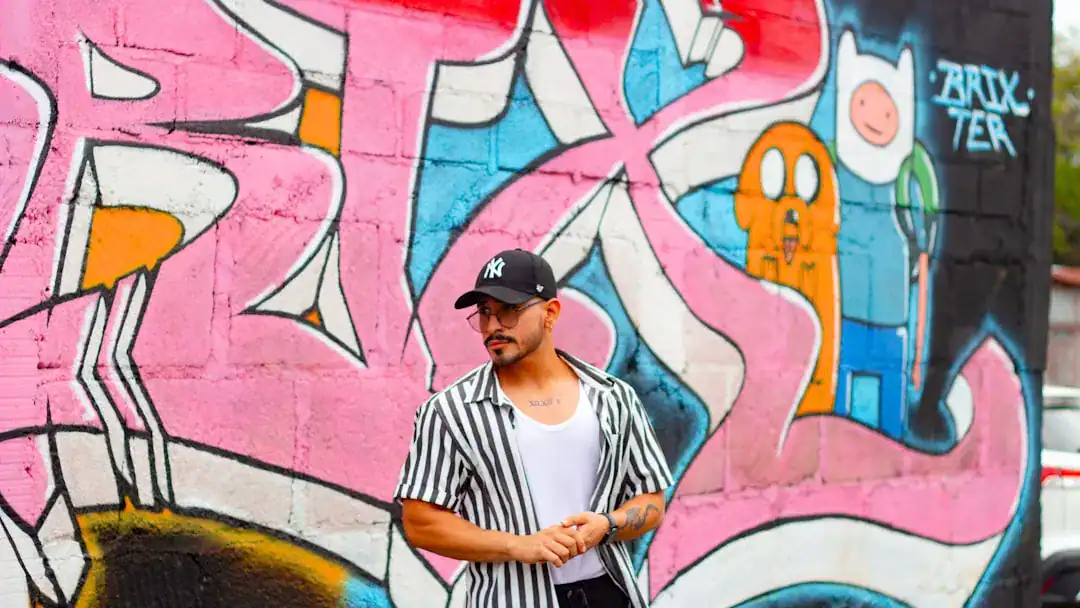
The NY Yankees fitted hat, particularly the New Era 59FIFTY, is arguably the most recognizable piece of headwear on the planet. Its journey to global ubiquity is deeply intertwined with the rise of hip-hop culture in the 1990s. For many, the interlocking “NY” does not just represent a baseball team; it represents the hustle and resilience of New York City itself.
Music icons and celebrities adopted the navy blue cap as a crown, exporting the image to corners of the world where baseball rules are unknown. The clean, minimalist design allows it to pair with almost any outfit, making it a versatile staple in wardrobes from Tokyo to London. It signifies a connection to American pop culture’s epicenter.
Summary: The New Era 59FIFTY Yankees cap succeeded by becoming a synonym for New York City culture, leveraged by hip-hop influence to achieve global recognition.
The Chicago Bulls: 90s Nostalgia and Global Dominance
While the Yankees logo signifies a place, the Chicago Bulls streetwear aesthetic signifies an era. The 1990s Bulls dynasty, led by global superstars, coincided with the explosion of the NBA’s international popularity. The angry, red bull logo became the face of a “golden age” of basketball, representing invincibility and swagger.
According to fashion retrospectives, vintage sportswear featuring the Bulls logo commands high value because it taps into deep nostalgia. The bold red, black, and white color palette fits perfectly with modern streetwear trends that favor high-contrast graphics. Documentaries like The Last Dance have further solidified the logo’s status as a symbol of excellence that transcends the sport.
Summary: The Chicago Bulls logo leverages the nostalgia of the 1990s and a bold color scheme to remain a dominant force in sports merchandising, symbolizing a legacy of greatness.

The Mechanics of Iconic Design: Why These Logos Work
From a design perspective, both the Yankees and Bulls logos share a crucial trait: radical simplicity. They are easily reproducible across various mediums, from embroidery on a cap to prints on a jersey. This scalability is essential for effective sports merchandising, allowing the brand to maintain visual integrity whether on a keychain or a billboard.
For modern entrepreneurs and creators, the lesson here is that a logo must be distinct yet adaptable. Achieving this balance is challenging but vital for longevity. Utilizing advanced design tools is often the first step in this process. For instance, platforms like Ailogocreator provide intelligent solutions for generating logos that embody the principles of simplicity and memorability found in these giants.
Summary: The enduring success of these logos stems from their visual simplicity and adaptability, serving as a benchmark for modern brand identity creation.
Sports Merchandising as a Lifestyle Economy
The commercial success of these teams proves that sports merchandising is no longer just a revenue stream; it is a lifestyle economy. Industry analysis indicates that player-first branding and retro nostalgia are the current axes of growth. Fans are buying into a narrative.
This shift has forced brands to treat their logos as fashion assets. Merchandise is now released in “drops” similar to high-end fashion labels, creating scarcity and hype. The NY Yankees fitted hat is frequently the subject of limited-edition collaborations, keeping the classic design fresh for new generations of consumers.
Summary: Modern merchandising strategies treat team logos as lifestyle brands, utilizing limited releases and fashion collaborations to maintain relevance and drive revenue.
FAQ
Q: Why do people wear Yankees or Bulls gear if they don’t watch sports?
A: These logos have evolved into symbols of culture, fashion, and status. Wearing them is often about appreciating the aesthetic or the cultural association (like NYC hip-hop or 90s nostalgia) rather than supporting the specific athletic team.
Q: What makes the New Era 59FIFTY so significant in fashion?
A: The New Era 59FIFTY is the authentic on-field cap of MLB, known for its structured fit and flat brim. Its association with street culture and music icons transformed it from athletic gear into a mandatory accessory for streetwear enthusiasts.
Q: How has vintage sportswear influenced modern trends?
A: Vintage sportswear, particularly from the 90s, emphasizes bold logos, oversized fits, and strong primary colors. Current fashion trends have cycled back to this aesthetic, making original pieces from that era highly collectible and influencing modern designs.
Q: Can a new brand replicate the success of these historic logos?
A: While the history cannot be replicated, the design principles can. Creating a simple, versatile, and bold visual identity is the first step. Consistent brand storytelling and cultural integration are what eventually build the legacy.
Conclusion and Actionable Suggestions
The journey of the NY Yankees and Chicago Bulls logos demonstrates that a brand’s visual identity can become its most valuable asset. By transcending their original purpose, these symbols have secured a permanent place in the global fashion lexicon. For brand builders and designers, their success offers a clear roadmap.
- Prioritize Simplicity: Ensure your logo is clean, scalable, and recognizable in black and white before adding color.
- Leverage Nostalgia: Use design elements that evoke emotion or connect to a specific, positive cultural era.
- Build a Narrative: Attach your visual identity to values beyond the product, such as resilience, excellence, or community.
- Diversify Merchandise: Move beyond standard items and think about how your brand fits into a lifestyle context.
- Collaborate Strategically: Partner with influencers or other brands that align with the cultural vibe you wish to project.
CommentsTake the first comment