
A distinct, emotionally resonant visual identity is the single most effective lever for commanding premium prices in today’s saturated jewelry market. If you are a boutique owner, artisan goldsmith, or emerging designer seeking to elevate your business, this analysis provides the strategic clarity needed to refine your brand. We will examine how elements like a luxury jewelry logo, minimalist brand identity, and gold foil applications combine to create a narrative that captivates the modern consumer.
- Identity Shift: Modern luxury values individuality and “edge” over traditional status symbols.
- Visual Strategy: Minimalism now requires emotional storytelling to avoid feeling sterile.
- Tactile Branding: Gold foil packaging is not just a finish; it is the first moment of brand interaction.
- Typography: The choice between elegant serif fonts and bold sans-serifs defines your brand’s voice.
The Shift to “Luxury with an Edge”
The definition of luxury has fundamentally changed. Historically, a luxury jewelry logo relied on crests, heavy ornamentation, and symbols of inherited wealth. However, industry analysis indicates that Gen Z and Millennial buyers are dismantling these conventions. They do not buy jewelry solely for status; they buy it for self-expression and identity.
I find that the most successful modern brands are those that inject “edge” into their elegance. According to market observations, the new generation seeks intentionality. They want pieces—and branding—that disrupt expectations. If your logo looks too much like a heritage brand from the 1900s, you risk appearing outdated rather than established.
Adapting to the New Consumer
To appeal to this demographic, your logo design must balance refinement with boldness. It is no longer enough to just be “pretty.” The design needs to communicate a point of view. For instance, instead of a standard symmetrical crown, a brand might use jagged, organic lines to represent the raw nature of gemstones. This approach signals that the brand understands the “perfectly imperfect” aesthetic that younger luxury buyers crave.

Minimalism in Boutique Jewelry Branding
There is a misconception that minimalist brand identity means “simple” or “plain.” In reality, true minimalism in jewelry branding is about restraint and focus. It strips away the noise to let the product—the jewelry—shine. However, as the market becomes crowded with clean lines and sans-serif fonts, the challenge is to maintain “brand soul.”
The Role of Narrative in Minimalism
A minimalist logo must carry a heavy load of storytelling with very few elements. Market data suggests that while clean designs remain fashionable, brands that fail to inject visual storytelling into their minimalism struggle to differentiate themselves.
For boutique jewelry branding, this often means using negative space cleverly or choosing a font that has a slight idiosyncrasy. This is where modern tools can be surprisingly effective. Platforms like Ailogocreator have become valuable for artisans to test how subtle shifts in spacing or icon placement can transform a generic minimalist design into something that feels bespoke and professional. By experimenting with these variables, you can find a balance between modern simplicity and the emotional warmth required for jewelry.
Typography: Elegant Serif Fonts vs. Modern Sans
The typeface you choose acts as the voice of your brand. In the jewelry sector, the divide between serif and sans-serif fonts helps categorize the brand’s personality instantly.
The Case for Elegant Serifs
Elegant serif fonts are experiencing a resurgence, particularly for brands emphasizing craftsmanship and heritage. A high-contrast serif (where the difference between thick and thin lines is extreme) evokes a sense of fragility and high fashion. It suggests that the jewelry is delicate, expensive, and timeless. If your collection focuses on bridal or high-end diamonds, a serif font often provides the necessary gravitas.
The Power of Geometric Sans
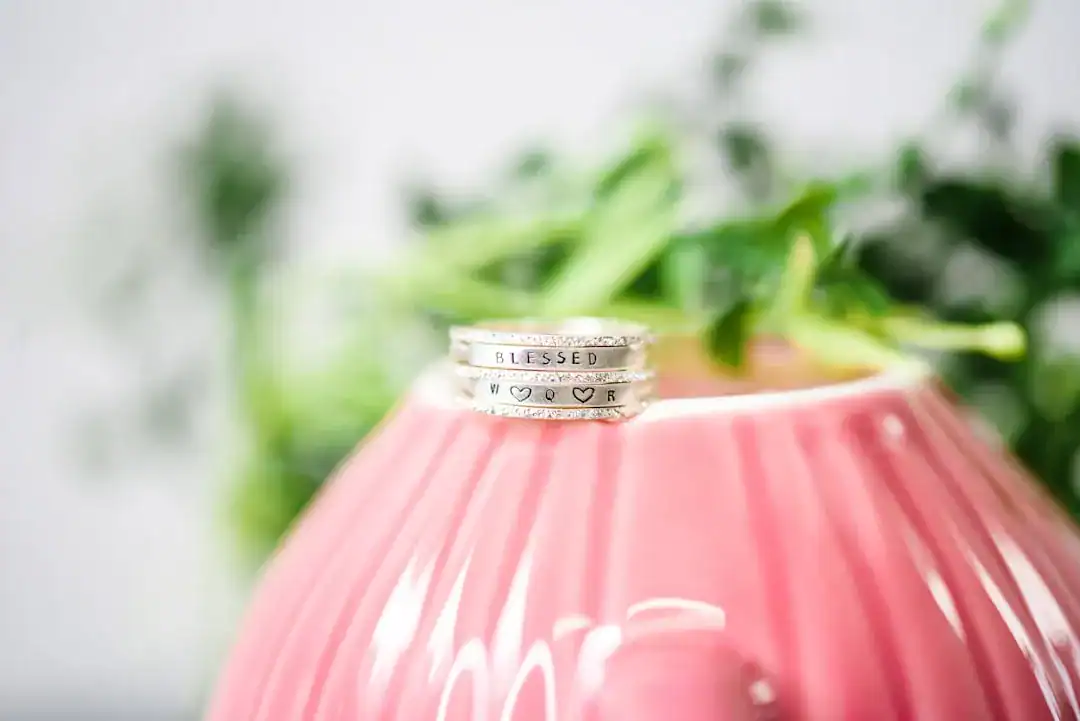
Conversely, geometric sans-serif fonts signal modernity and accessibility. They work exceptionally well for “stackable” jewelry brands or companies focusing on everyday luxury. The lack of decorative feet (serifs) on the letters creates a clean, industrial look that pairs well with architectural jewelry designs.
Gold Foil Logo and Packaging Experience
In the digital age, the physical unboxing experience is the only tactile touchpoint a customer has with your brand before touching the product. A gold foil logo on packaging is not merely a decoration; it is a signal of quality.
Why Foil Stamping Matters
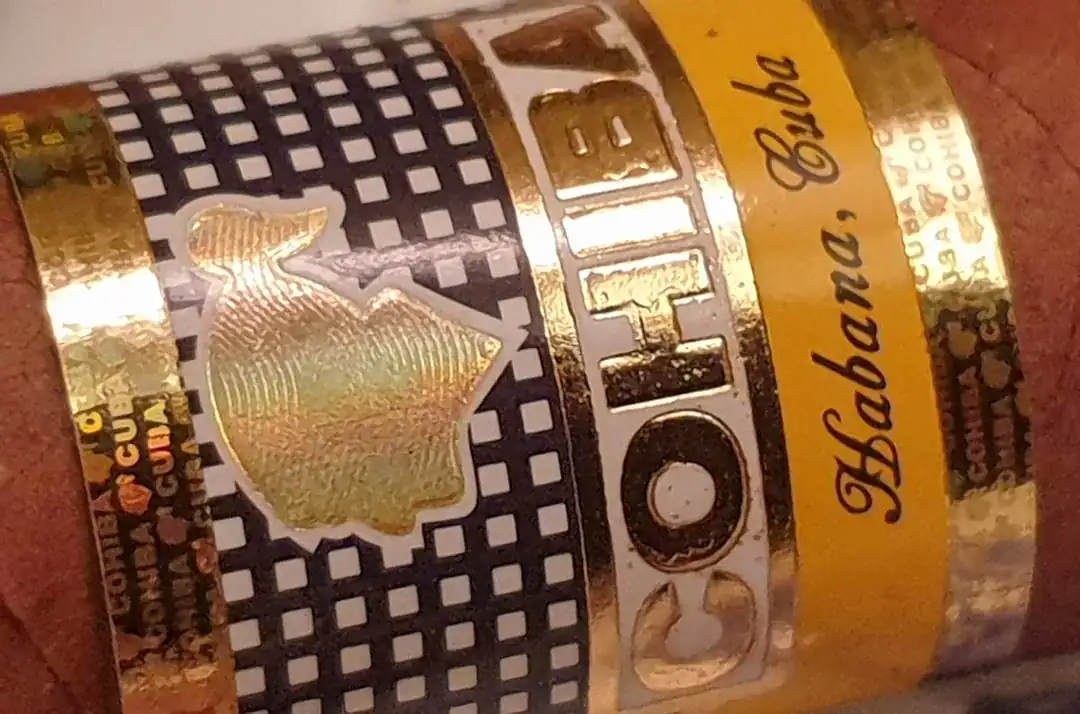
Industry experts note that gold foiling offers practical benefits beyond aesthetics. Unlike ink, which can fade or smudge over time, metallic foil is durable and creates a permanent bond with the paper material. This longevity implies that the contents inside are equally lasting.
From a psychological perspective, the reflective quality of gold foil mimics the jewelry itself. When a customer sees a gold foil logo catching the light on a matte black or textured green box, their brain anticipates the shine of the metal inside.
Packaging as Brand Extension
You should view your packaging as a canvas. Current trends show a move towards “blind embossing” paired with gold foil—where the logo is raised and metallic, while a pattern is pressed into the paper without ink. This creates a multi-sensory experience (sight and touch) that reinforces the premium nature of the purchase.
Gemstone Logo Design and Iconography
Using a diamond shape in a jewelry logo is the oldest cliché in the book. To stand out, you need to approach gemstone logo design with more creativity.
Abstracting the Form
Instead of a literal illustration of a brilliant-cut diamond, consider abstracting the geometry. High-end brands often focus on specific cuts or unique angles. For example, a logo might trace the top-down view of an emerald cut, creating a rectangular geometric pattern that looks like an architectural blueprint. This appeals to the “design-conscious” buyer.
Floral and Organic Motifs
Another strong direction is organic imagery. Historical luxury houses often use specific flowers (like the Camellia) to represent their identity without showing a single piece of jewelry. Adopting a botanical element—perhaps a flower native to your region or relevant to your brand story—can create a softer, more romantic brand image. This works particularly well for artisan goldsmiths whose work features natural, flowing lines.
FAQ
Q: Is a minimalist logo better for a new jewelry business?
A: Generally, yes. A minimalist brand identity is more versatile across digital platforms (like Instagram avatars) and physical stamping on small jewelry tags. Complex crests often become illegible when scaled down to the size of a ring stamp.
Q: How important is color in jewelry branding?
A: Color is critical for setting the mood. While black and white are classic, deep greens, navy blues, and soft nudes are currently trending. These colors provide a rich background that makes a gold foil logo pop.
Q: Can I use a symbol instead of my brand name?
A: For a new brand, it is risky to rely solely on a symbol. A “wordmark” (your name in a specific font) combined with a small icon is the safest strategy. Over time, as brand recognition grows, you can start using the icon independently.
Q: What is the biggest mistake in luxury jewelry logo design?
A: The most common error is using thin, spindly fonts that disappear when printed on small boxes or viewed on mobile screens. Your logo must be legible at 50 pixels wide and 50 centimeters wide.
Conclusion and Actionable Suggestions
Creating a jewelry brand that resonates requires moving beyond generic aesthetics and making distinct, strategic choices. The market rewards brands that combine visual discipline with emotional storytelling.
To apply these insights to your business:
- Audit Your Competitors: Look at five brands you admire. Note if they use serif or sans-serif fonts and identify the one unique element in their logo.
- Define Your “Edge”: Decide what makes your jewelry different (e.g., sustainability, geometric design, organic forms) and ensure your logo reflects this trait, not just “luxury.”
- Prioritize Legibility: Test your logo concept at very small sizes (e.g., on a ring tag) to ensure the lines remain distinct.
- Invest in Tactile Packaging: Budget for at least one premium finish, such as gold foil stamping or embossing, to elevate the unboxing experience.
- Maintain Consistency: Once you choose a font and color palette, stick to them across your website, social media, and physical packaging to build trust.
CommentsTake the first comment