
A strong visual identity acts as the silent ambassador of your clothing line, instantly communicating quality and style to potential customers before they even touch the fabric. If you are launching a new label or rebranding an existing store, getting the visual mark right is the first step toward building a loyal following. Many founders struggle to navigate the vast ocean of aesthetic choices, from luxury fashion logos and streetwear brand design to minimalist clothing logos, often leaving them paralyzed by indecision. This guide breaks down effective boutique logo inspiration and monogram typography strategies to help you craft a cohesive apparel brand identity.
- Minimalism works best for brands that want their clothes to speak louder than their label.
- Streetwear identities thrive on bold, rebellious typography and cultural storytelling.
- Luxury branding often relies on interlocking monograms to convey heritage and exclusivity.
- Boutique logos should prioritize personality and unique handwritten elements to connect with local shoppers.
The Power of Minimalism in Apparel Brand Identity
I have noticed a significant shift in the fashion industry where “loud” branding is being replaced by quiet confidence. Minimalist clothing logos are not just a trend; they are a practical necessity for modern fashion. When you strip away unnecessary gradients and complex illustrations, you are left with a mark that looks just as good on a tiny neck label as it does on a massive storefront billboard.
Industry experts point out that minimalism allows customers to project their own identity onto the brand. If your logo is too specific or cluttered, it boxes your audience into a single category. By using clean lines, geometric shapes, and negative space, you create a versatile symbol. Think about the most successful modern brands; they often use a simple sans-serif typeface or a singular abstract icon. This approach suggests that the quality of the material is the real star, not the graphic design.
However, minimalism does not mean boring. It means being intentional. A common mistake I see is founders choosing a generic font and calling it a day. That is not design; that is laziness. To make minimalism work, you must focus on the subtle details—kerning (spacing between letters), line weight, and balance. A slight tweak in the curvature of a letter can turn a standard font into a custom, ownable asset.
Defining Luxury Through Monogram Typography
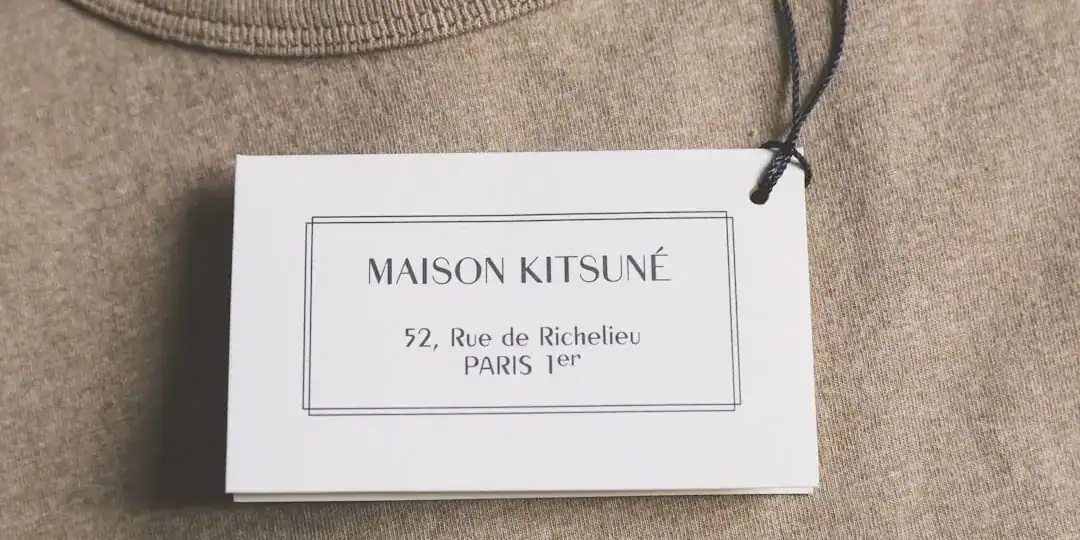
If your price point is high, your logo needs to justify it immediately. Luxury fashion logos operate on a different set of rules compared to fast fashion. They rarely use cute icons or trendy graphics. Instead, they rely heavily on monogram typography—the art of combining initials into a single, cohesive symbol.
Historically, monograms represented a signature or a seal of approval from the artisan. Today, they signal heritage and exclusivity. When I look at high-end branding, I see a pattern of interlocking letters (like a “C” hooking into an “H”) or mirrored initials. This technique creates a sense of stability and timelessness. It tells the customer, “This brand is established; it isn’t going anywhere.”
For a new brand aiming for that “old money” aesthetic, I recommend experimenting with serif fonts. Serifs (the small feet at the ends of letters) naturally evoke tradition and elegance. But be careful not to make it look dated. The trick is to pair a classic serif font with a modern layout. Avoid over-complicating the interlock; if people cannot read the letters, you have failed. The goal is a symbol that can be embroidered on a handbag or printed on a silk scarf without losing clarity.
Capturing Urban Energy: Streetwear Brand Design
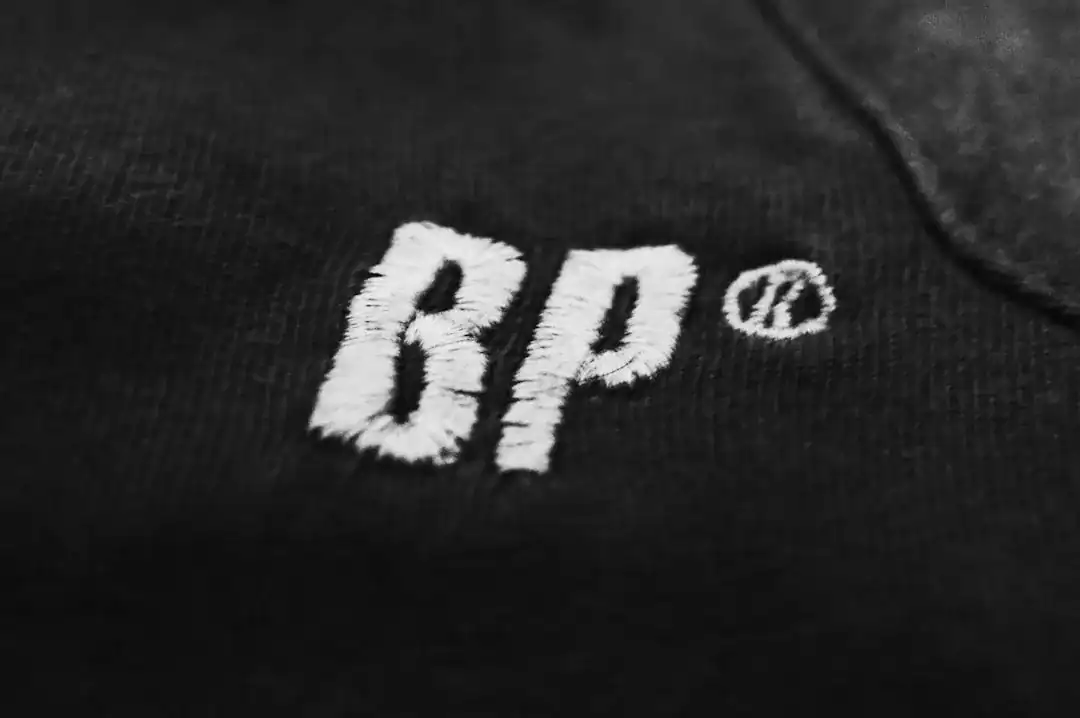
Streetwear brand design is where you can break the rules. This sector is driven by culture, music, and attitude. Unlike the polished world of luxury, streetwear logos need to feel raw and authentic. They often draw inspiration from graffiti, industrial design, and pop culture.
Market analysis shows that streetwear consumers buy into a “tribe” or a lifestyle more than just a garment. Your logo acts as the flag for that tribe. I often see successful streetwear brands using bold, heavy typography that demands attention. They aren’t afraid of clashing colors or distressed textures. The “box logo” concept is a staple here—enclosing bold text in a simple rectangle. It creates a stamp-like effect that looks incredible on hoodies and caps.
Another effective angle is the “subversive” aesthetic. This involves taking familiar imagery or classic fonts and twisting them—adding a glitch effect, melting the text, or using ironic spacing. It signals to the audience that your brand goes against the grain. However, readability still matters. You want people to recognize the brand from across the street. If your graffiti-style font is illegible, you lose that free advertising.
Boutique Logo Inspiration: Standing Out Locally
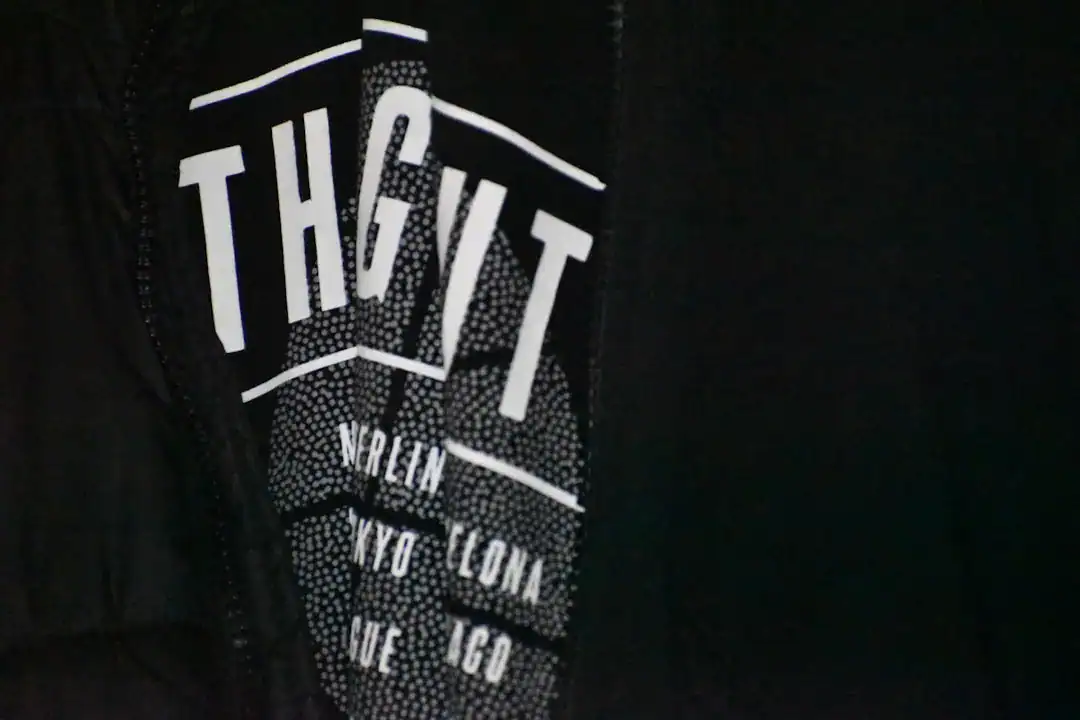
For independent store owners, the goal is often warmth and connection rather than global domination. Boutique logo inspiration usually leans towards the personal and the handcrafted. You want your customers to feel like they are entering a curated space, not a warehouse.
Handwritten scripts and watercolor textures are incredibly effective here. They imply a human touch, suggesting that real people picked out the inventory. I’ve seen many successful boutiques use floral elements, hangers, or stylized silhouettes integrated with the store name. For example, replacing the letter “I” with a needle and thread is a classic, albeit slightly overused, trope. To stand out, try to be more abstract. Instead of a literal dress icon, maybe use a flowing line that suggests the movement of fabric.
Color plays a massive role in boutique branding. While luxury leans on black and white, and streetwear loves red and bold primaries, boutiques often thrive with soft pastels, gold foils, and earthy tones. These palettes evoke calmness and approachability. But remember, your logo must work in black and white first. If it relies entirely on a watercolor effect to be understood, it will fail when you try to print it on a monochrome receipt or a stamp.
From Concept to Icon: Practical Design Steps
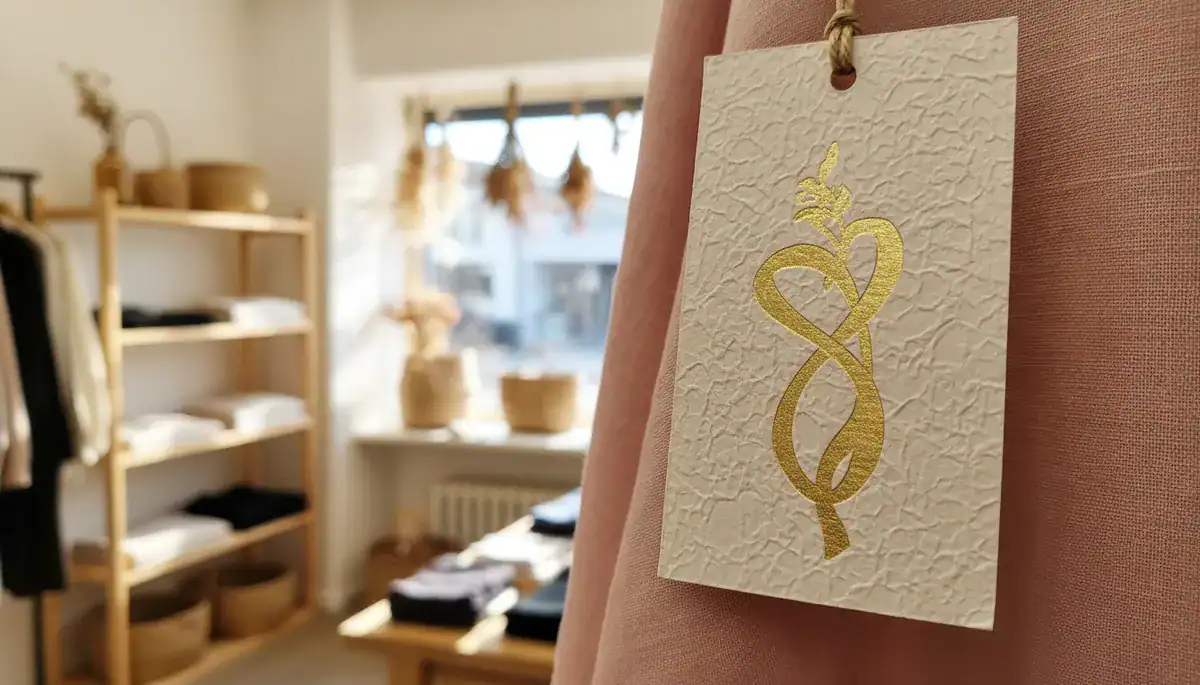
Designing a logo used to require hiring an expensive agency or struggling with complex vector software. Today, the barrier to entry is much lower, but the need for a good eye remains. You don’t need to be a professional artist, but you do need to understand your brand’s core message before you start generating ideas.
Start by sketching rough ideas on paper. Don’t worry about quality; just focus on shapes. Do you want a symbol (icon-based) or just text (wordmark)? Once you have a direction, you need to digitize and refine it. This is where modern technology bridges the gap. Advanced tools now allow you to generate professional-grade variations in seconds.
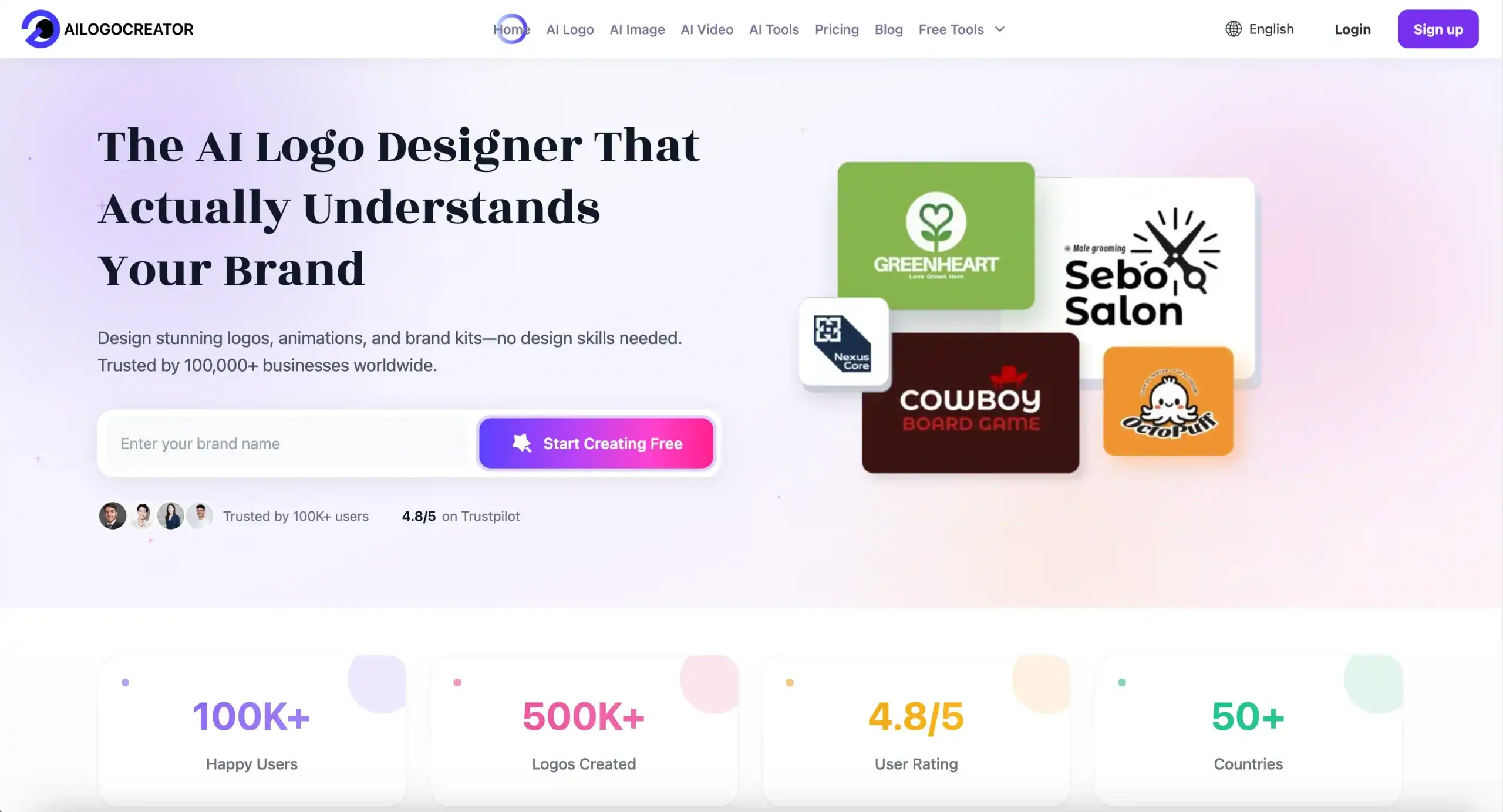
For instance, platforms like Ailogocreator have become efficient solutions for founders who need high-quality results without the agency price tag. These tools analyze design patterns—like the pairing of fonts and icons—to offer suggestions that align with current industry standards. It allows you to test how a minimalist font looks against a streetwear icon instantly. By using such efficient resources, you can focus on the creative direction rather than the technical execution of drawing vector paths.
FAQ
1. How many colors should my fashion logo have?
Keep it simple. I recommend sticking to 1-3 colors maximum. Most fashion brands rely on a monochrome (black and white) version for labels and tags, using color only for marketing materials or specific collections.
2. Should I include a symbol or just use text?
It depends on your niche. Luxury fashion logos often use just a wordmark or a monogram. Streetwear brand design frequently benefits from a strong independent icon (symbol) that can be used on t-shirts without the brand name.
3. How do I know if my logo is scalable?
Test it. Shrink your logo down to 1 inch (2.5 cm) wide. If the lines disappear or the text becomes unreadable, it is not scalable. Your logo needs to look clear on a clothing tag, which is often the smallest application.
4. Can I change my logo later?
Yes, but it is risky. Rebranding confuses customers. It is better to spend time getting the apparel brand identity right at the beginning. If you must change, try a “refresh” (slight adjustments) rather than a total overhaul.
Conclusion and Actionable Suggestions
Building a fashion brand is about selling a dream, and your logo is the gateway to that dream. Whether you are aiming for the exclusivity of high fashion or the grit of the street, your visual identity must be intentional, scalable, and distinct. Don’t settle for a generic placeholder; your logo is the one asset that will appear on every single product you sell.
- Define your niche first: Decide if you are luxury (monograms), streetwear (bold/graphic), or boutique (personal/handwritten) before opening any design tool.
- Prioritize versatility: Ensure your design works in strictly black and white before adding any color.
- Test on product: Mock up your logo on a t-shirt, a woven neck label, and a hang tag to see if it holds up in real-world applications.
- Use efficient tools: Don’t let a lack of technical skills stop you; utilize smart platforms to generate and refine your ideas quickly.
- Keep it simple: In fashion, the clothing should be the focus. Let the logo be a strong, quiet signature rather than a distracting noise.
CommentsTake the first comment