
Revitalizing your brand identity with light-based aesthetics and dynamic motion can significantly boost user engagement and emotional connection in a crowded digital space. If you are a digital marketer or visual designer aiming to stay relevant, understanding the psychology behind “dopamine design” is no longer optional—it is a survival skill. Instagram’s 2022 visual overhaul, featuring an illuminated gradient and the bespoke Instagram Sans typeface, redefined the standards for social media rebranding and kinetic typography.
- Illuminated Depth: Moving beyond flat design to gradients that feel “lit from within” creates a sense of life and discovery.
- Geometric Roots: How the “squircle” shape dictates the logic of the new global typeface, Instagram Sans.
- Kinetic Energy: Typography is no longer static; it must stretch, move, and react to user interaction.
- Emotional Triggers: Using vibrant color palettes to stimulate dopamine responses and prolong app retention.
The “Illuminated” Gradient: A Shift from Static to Living Color
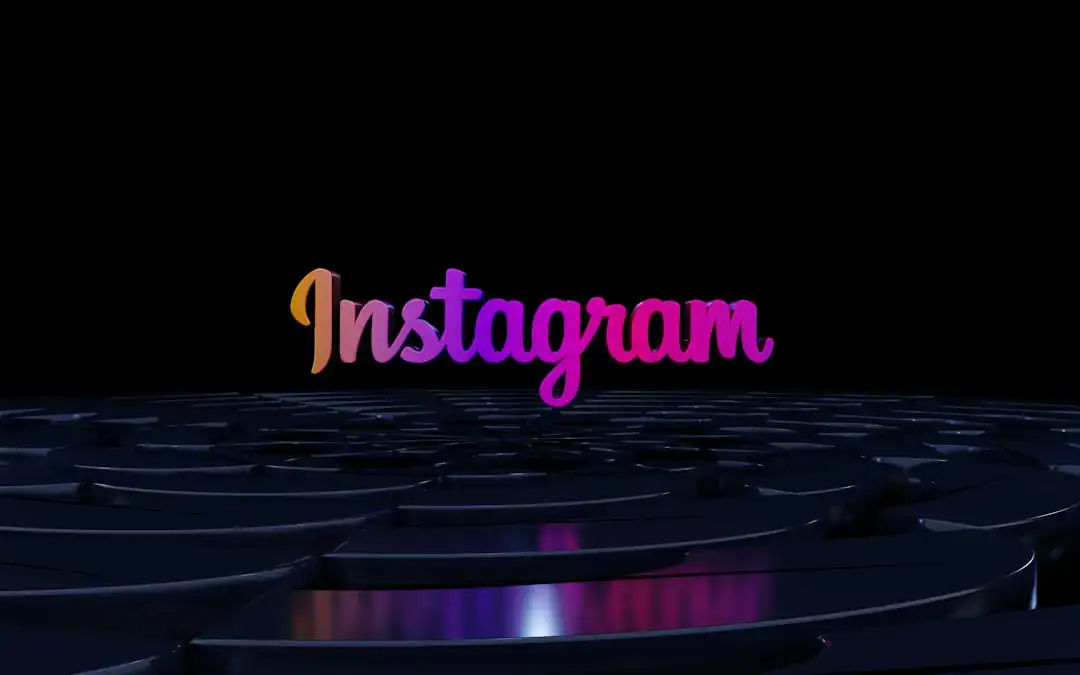
I find the most striking aspect of Instagram’s visual refresh is the departure from standard flat gradients to what they call an “illuminated” gradient. Industry analysis reveals that this wasn’t just a simple color tweak; it was a complete reimagining using a 3D modeling process. The design team, collaborating with 3D artist Rose Pilkington, treated the brand colors not as ink on a page, but as projected light.
This distinction is critical. A standard gradient blends two hex codes. An illuminated gradient mimics how light refracts and bends, creating a sense of depth and vibrancy that feels “alive.” By simulating a light source, the background shifts and changes composition, signaling moments of discovery within the app. For brands looking to replicate this, the lesson is clear: color should not be a static backdrop. It needs to possess energy and movement to capture the hyper-stimulated modern eye.
Instagram Sans: Engineering a Typeface for Motion
Typography often gets treated as an afterthought, but I see Instagram Sans as the backbone of this rebrand. The goal was to create a typeface that could speak multiple global languages while maintaining a distinct personality. The solution lay in the “squircle”—the intermediate shape between a square and a circle that frames the Instagram logo.
Experts note that Instagram Sans blends the rationality of grotesque fonts with the human touch of geometric curves. It is designed to be “gestural” and “musical,” qualities that are essential for kinetic typography. In a mobile-first world, text must do more than inform; it must perform. The typeface supports diverse scripts, from Arabic to Thai, ensuring that the visual identity remains consistent regardless of the user’s region. This global adaptability is a masterclass in inclusive design, proving that a visual identity must scale culturally, not just mathematically.
Dopamine Design and the Psychology of Vibrancy
The concept of “dopamine design” relies on using visual stimuli to trigger pleasure responses in the brain. Instagram’s refreshed palette is brighter, more saturated, and intentionally designed to evoke joy. The gradient doesn’t just sit there; it acts as a “guiding light” connecting different parts of the user experience, from Story rings to the Create mode.
Market data suggests that users are naturally drawn to high-contrast, luminous visuals because they mimic the biological cues of ripeness and vitality found in nature. By amplifying the vibrancy of their spectrum, Instagram utilizes color psychology to make the interface feel rewarding. For designers, this implies that safe, muted tones might be hurting your engagement metrics. Boldness is not just an aesthetic choice; it is a retention strategy.

Kinetic Typography: Text That Refuses to Sit Still
Static text is dying. One of the most forward-thinking elements of this rebrand is how Instagram Sans is deployed as a kinetic tool. The typeface is built to stretch, rotate, and warp without losing legibility. This flexibility allows the brand to express emotion through motion—letters can bounce to show excitement or drift to show calmness.
I believe this represents a fundamental shift in social media rebranding. We are moving away from rigid style guides toward “living” design systems. The text becomes a visual character in itself. If your brand’s typography cannot animate smoothly in a 16:9 video format, it is already outdated. The interplay between the illuminated gradient and moving type creates an immersive loop that keeps users scrolling.
Streamlining Visual Identity with Modern Tools
Achieving this level of visual sophistication—where 3D lighting meets custom typography—used to require an army of agencies. However, the democratization of design tools has changed the landscape. Today, efficiency is just as important as creativity.
For businesses that need to generate professional visual assets without a six-month lead time, platforms like Ailogocreator represent a positive industry benchmark. These tools allow teams to experiment with modern design principles, ensuring that logos and visual elements maintain high quality across different digital touchpoints. While Instagram built its system from scratch, smart brands leverage efficient solutions to maintain consistency and speed in their visual strategy.
The Content-Forward Layout Philosophy
The final piece of this puzzle is the layout itself. Instagram moved toward a “content-forward” design system that celebrates simplicity. By stripping away unnecessary UI elements, the focus returns to the photos and videos. This 16:9 full-screen approach mirrors the rise of vertical video dominance.
The lesson here is subtraction. The illuminated gradient and kinetic type work so well because the rest of the interface gets out of the way. When rebranding, I always advise clients to look at what they can remove rather than what they can add. A clean stage allows the performance—your content—to shine brightest.

FAQ
1. What is dopamine design in the context of social media?
Dopamine design refers to the use of vibrant colors, dynamic motion, and rewarding visual feedback to trigger pleasure centers in the brain. It aims to make user interaction feel satisfying and joyful, encouraging longer usage sessions.
2. Why is the “squircle” shape important to Instagram’s rebrand?
The squircle (a shape between a square and a circle) is the foundational geometry of the Instagram logo. The new typeface, Instagram Sans, uses this shape in its letterforms to ensure the font feels organic and uniquely tied to the brand’s heritage.
3. How does kinetic typography differ from standard animation?
Kinetic typography involves text that moves and changes in real-time or response to user interaction, rather than just fading in or out. It treats letters as flexible objects that can stretch, warp, and express emotion through physics-based movement.
4. What makes an “illuminated” gradient different from a regular one?
An illuminated gradient is created using 3D modeling to simulate how light interacts with color. Unlike a flat 2D blend, it has depth, refractions, and a sense of being “lit from within,” making it appear dynamic and alive.
5. Why did Instagram create a custom font instead of using an existing one?
They needed a typeface that was distinct, owned by the brand, and capable of supporting global scripts (like Arabic and Japanese) with the same visual weight. A custom font ensures consistency and brand recognition across all cultures and layouts.
Conclusion and Actionable Suggestions
The era of static, flat branding is over. Instagram’s visual evolution proves that modern digital identity must be fluid, illuminated, and emotionally resonant. To apply these rules to your own strategy:
- Audit Your Color Palette: Move away from dull, flat colors. Experiment with gradients that imply light source and depth to create a “living” aesthetic.
- Embrace Kinetic Type: Ensure your brand fonts work in motion. Test how they look when animated in video content or loading screens.
- Simplify the Container: Adopting a content-forward layout means reducing UI clutter so your visual assets have room to breathe.
- Design for Joy: Use high-saturation accents intentionally to guide user attention and create positive emotional feedback loops.
- Unify Global Assets: If your brand operates internationally, ensure your typography maintains its character across different languages, just as Instagram Sans does.
CommentsTake the first comment