
Mastering the geometric language of automotive emblems can instantly transform you from a confused observer into a confident vehicle spotting expert. If you are someone who struggles to distinguish a luxury cruiser from a sports car, or simply wants to understand the heritage behind the badge, this visual guide is designed specifically for you. By decoding the hidden meanings behind winged car logos, the iconic Audi four rings, and prestigious shield car emblems, we will help you navigate the world of luxury car badges with ease.
- Wings of Speed: Understand why brands like Bentley and Aston Martin use wings to symbolize freedom and velocity.
- The Geometry of Unity: Decode the history behind ring-based logos like Audi and Toyota.
- Shields of Heritage: Learn to distinguish between the heraldic crests of Porsche, Ferrari, and Lamborghini.
- Spotting Tips: Practical tricks to quickly identify car brands by their logo silhouette.
Wings of Speed: Why Luxury Brands Love to Fly
When you see a car emblem spreading its wings, you are almost certainly looking at a vehicle designed for performance and prestige. According to design experts, wings have been a dominant symbol in the automotive industry since its inception, representing speed, majesty, and the release of creative energy. For the “road-blind,” spotting a winged logo is the first clue that the car belongs to a high-end lineage.
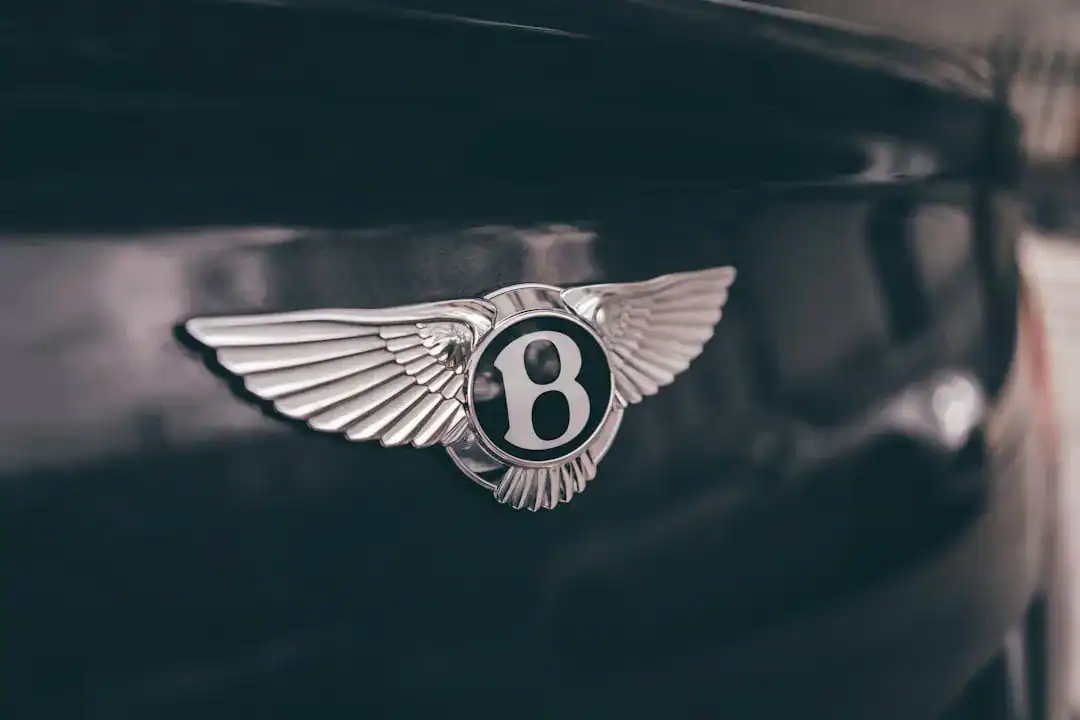
The most famous examples of winged car logos often feature a central letter or name. Aston Martin, for instance, uses a straight-winged design that evolved from a simple A and M merger in the 1920s to the elegant wings we see today, symbolizing the brand’s pursuit of speed and freedom. Similarly, Bentley features a bold ‘B’ surrounded by bird-like wings, representing the soaring spirit of its powerful engines. Even mass-market luxury brands like Genesis and Mini have adopted winged motifs to convey a sense of elevation and premium quality.
If you spot a winged badge, look closely at the center. A text reading “Aston Martin” indicates British sports luxury, while a bold ‘B’ signifies the opulent weight of a Bentley. This simple distinction is a crucial first step in your vehicle spotting guide.
Summary: Wings universally symbolize speed and freedom; distinguish them by checking the central text or initial (like the ‘B’ in Bentley).

The Circle of Trust: Rings and Ovals Explained
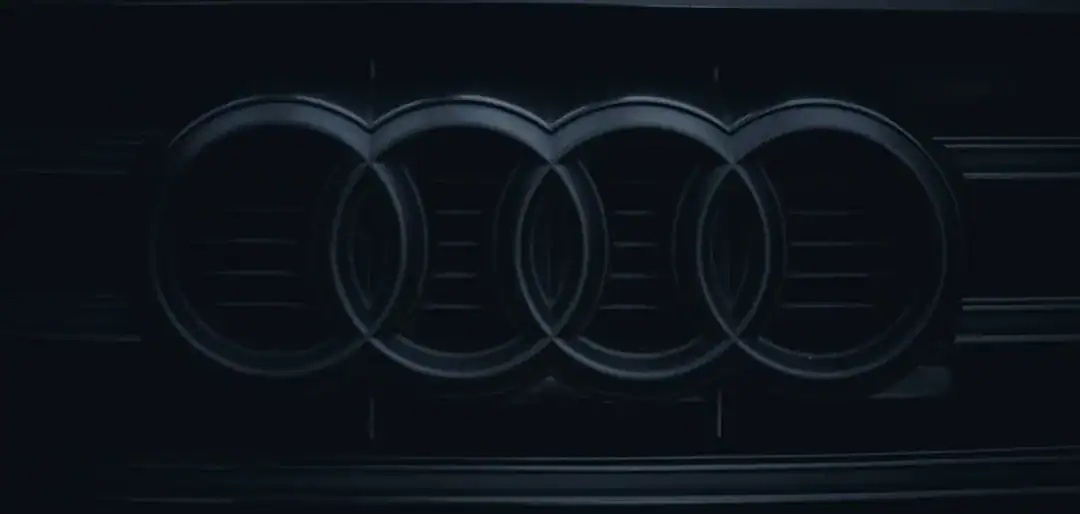
While wings suggest flight, rings and circles in car logos often represent unity, eternity, and connection. The most distinct example of this is the Audi four rings. Unlike abstract designs, this logo is a direct historical reference to the “Auto Union,” formed by the merger of four independent manufacturers: Audi, DKW, Horch, and Wanderer. Each ring stands for one of the founding companies, interlinked to show their unbreakable alliance.
On the other side of the spectrum, you might encounter the Toyota logo, which consists of three overlapping ovals. While it might look like a simple “T,” the geometry is quite profound. The inner ovals symbolize the heart of the customer and the heart of the product, while the outer oval represents the world embracing the brand. For a car spotter, the key difference lies in the arrangement: Audi’s rings are horizontal and equal, whereas Toyota’s are nested and form a specific letter shape.
Understanding these geometric nuances helps avoid confusion. A row of circles is almost always Audi, signaling German engineering heritage. A stylized “T” inside an oval indicates a Japanese automotive giant. This “ring logic” is a reliable filter for identifying car brands in seconds.
Summary: The Audi four rings symbolize a historical merger of four companies, while nested ovals often represent abstract concepts like trust and customer connection.
Shields of Power: The Badge of Heritage
Shield car emblems are perhaps the most evocative shapes on the road, often resembling medieval coats of arms. These logos are heavily favored by European performance brands to flaunt their pedigree and racing dominance. If you see a shield, you are likely looking at a car with significant history and a high price tag.
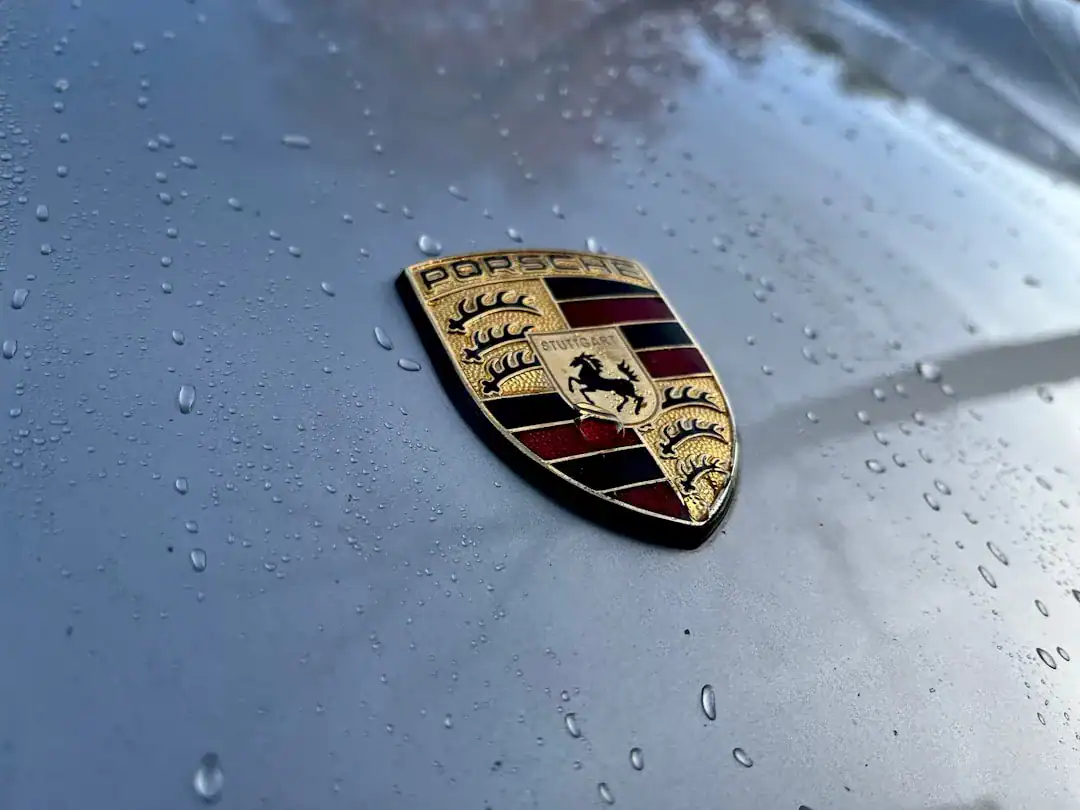
Ferrari and Porsche are the titans of the shield logo, and they often confuse beginners because both feature a horse. However, the details tell a different story. Ferrari’s logo is a yellow shield topped with the Italian tricolor, featuring a black “Prancing Horse” (Cavallino Rampante). This horse was originally a lucky charm of a WWI pilot. In contrast, the Porsche crest is more complex, featuring the stag antlers and black-and-red stripes of the Württemberg state coat of arms, with a horse representing the city of Stuttgart in the center.
Another major player in the “shield” category is Lamborghini, which uses a bull instead of a horse. The golden bull on a black shield represents the founder’s zodiac sign (Taurus) and his passion for bullfighting, symbolizing power that rivals the horses of his competitors. Recognizing the animal inside the shield—horse vs. bull—is the ultimate shortcut for identifying these luxury car badges.
Summary: Shields represent noble heritage; differentiate them by the animal—a horse on yellow is Ferrari, a horse on a crest is Porsche, and a bull is Lamborghini.
Geometric Confusion: How to Spot the Difference
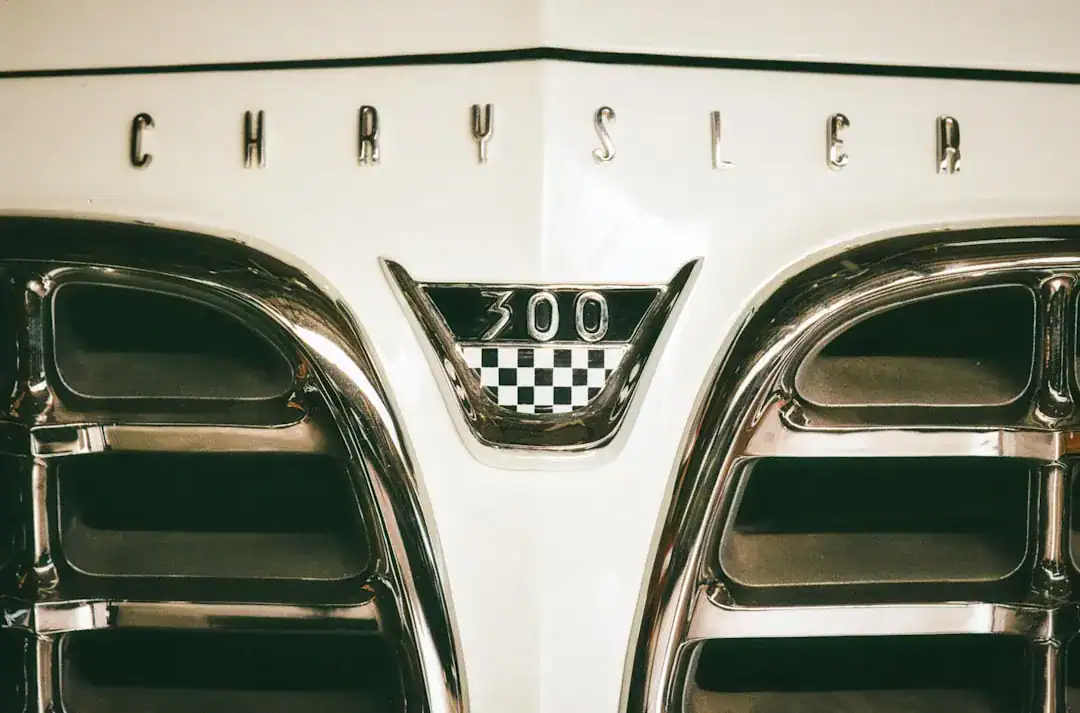
The challenge for many road users is that brands often modernize their logos, simplifying them into abstract shapes that look remarkably similar. A winged logo on a hood might be a Bentley, or it could be a Chrysler or a Genesis. To solve this, you need to look at the texture and finish. Luxury brands often use logos that appear like intricate jewelry with depth and relief, whereas mass-market brands may use flatter, more simplified versions.
For those interested in the design philosophy behind these shapes, tools like Ailogocreator demonstrate how modern AI can synthesize these classic elements—wings, shields, and rings—into professional identities. Understanding how these logos are constructed can sharpen your eye for detail. When you realize that a logo is essentially a combination of a “container” (shield/circle) and a “mascot” (animal/letter), the chaos of the road becomes an organized gallery of art.
When in doubt, look at the grille context. A shield on a massive hexagonal grille is likely a Lamborghini. A shield on a smooth, curvy hood is likely a Porsche. Context clues combined with shape identification will ensure you never mistake a supercar for a daily commuter again.
Summary: Analyze the logo’s texture and the car’s grille to distinguish between similar shapes; luxury logos often possess a “jewelry-like” quality.
FAQ
Q: Which car brands use winged logos?
A: The most prominent brands with winged car logos include Aston Martin, Bentley, Mini, Genesis, and Chrysler. Historically, wings symbolize speed and technical superiority.
Q: What is the meaning behind the Audi four rings?
A: The Audi four rings represent the 1932 merger of four German automobile manufacturers: Audi, DKW, Horch, and Wanderer, which came together to form the Auto Union.
Q: How can I tell the difference between the Ferrari and Porsche logos?
A: Look at the shape and the background. Ferrari uses a distinct yellow shield with a black horse and the letters “S F” (Scuderia Ferrari). Porsche uses a crest shape containing antlers, red and black stripes, and a horse in the center.
Q: Why do sports cars often use shield emblems?
A: Shield car emblems are derived from heraldry and coats of arms, symbolizing heritage, nobility, and defense. Brands like Porsche and Lamborghini use them to emphasize their deep roots and powerful lineage.
Q: Are there other brands with ring logos besides Audi?
A: Yes, Toyota uses three overlapping ovals that look like rings. However, Audi is the only major brand using four interlinked horizontal rings.
Conclusion and Actionable Suggestions
Identifying car brands by shape is a skill that blends history, art, and observation. By focusing on the three primary categories—wings, rings, and shields—you can quickly categorize almost any vehicle you encounter. Whether it is the soaring ambition of a winged badge or the heraldic pride of a shield, every logo tells a story.
- Categorize by Shape: Start by grouping logos you see into Wings (Speed), Rings (Unity), or Shields (Heritage).
- Check the Center: For winged logos, read the central text or letter to distinguish between Aston Martin, Bentley, and Genesis.
- Count the Loops: If you see rings, count them. Four is Audi; three arranged in a ‘T’ is Toyota.
- Identify the Animal: For shields, determine if it is a Prancing Horse (Ferrari/Porsche) or a Raging Bull (Lamborghini).
- Context Matters: Use the car’s overall design (grille, curves) to confirm your logo identification.
CommentsTake the first comment