
Mastering the art of hidden visual cues can transform a simple trademark into a powerful psychological anchor that drives consumer loyalty. If you are a brand strategist, business owner, or designer, understanding how the subconscious mind processes visual data is critical for standing out in a crowded marketplace. By analyzing the FedEx logo arrow and the Amazon logo hidden meaning, we can uncover how semiotics in branding and logo design psychology work together to influence behavior without a single spoken word.
- The Power of Negative Space: How empty space creates meaningful neural pathways.
- Dual-Layer Messaging: Communicating variety and emotion simultaneously.
- The “Aha!” Effect: Why the brain rewards brands that invite discovery.
- Modern Efficiency: Leveraging intelligent tools for psychological design impact.
The Art of the Invisible: Deconstructing the FedEx Arrow
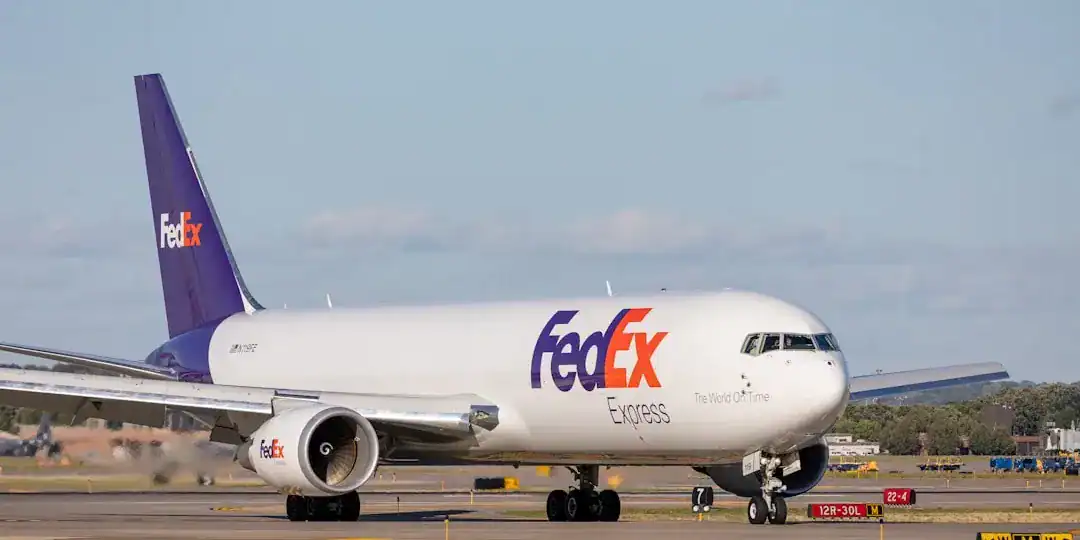
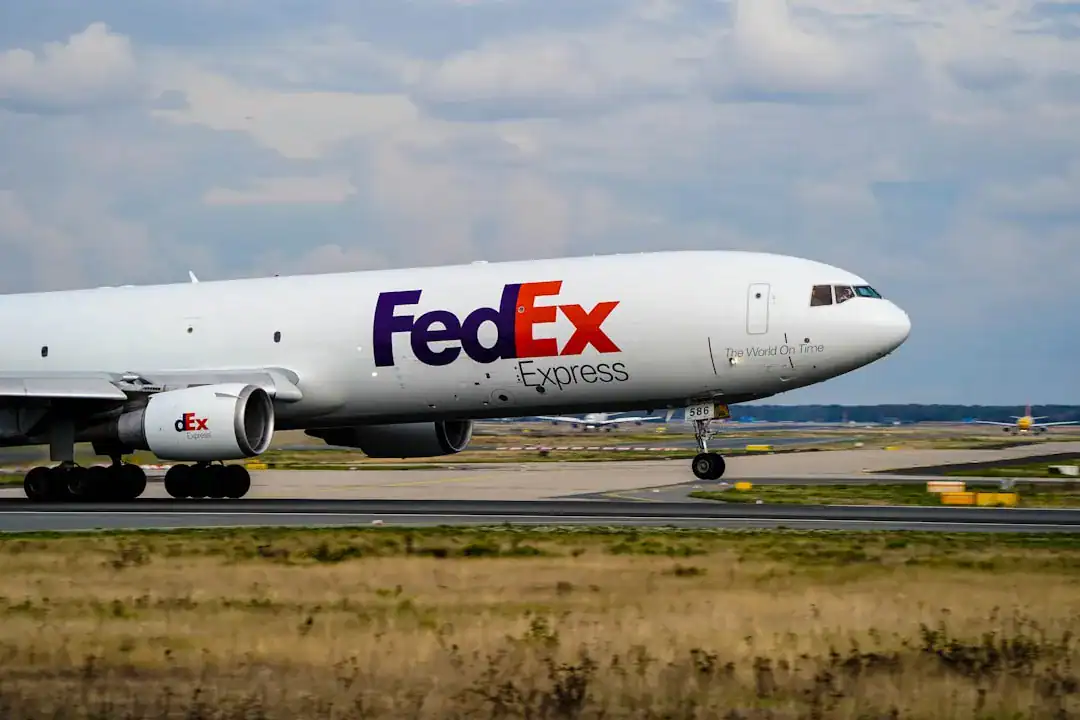
The most famous example of negative space logos is undoubtedly the FedEx emblem. At first glance, it appears to be a bold, purple and orange wordmark using a modified Univers 67 and Futura Bold font. However, the true genius lies in what isn’t painted. Nestled precisely between the capital “E” and the lowercase “x” is a perfect white arrow, pointing to the right.
According to design history, this arrow was not initially the primary focus but emerged during the exploration of over 400 versions. Lindon Leader, the designer behind the 1994 rebrand, realized that tighter letter spacing could create a visual “accident” that carried profound meaning. The arrow is not just a shape; in the world of semiotics in branding, it serves as a signifier for speed, precision, and forward momentum. It communicates the company’s core value proposition—getting items from point A to point B—without explicitly stating it.
Research suggests that while consumers may not always consciously articulate seeing the arrow, the brain processes the directionality. This creates a subconscious association with progress and reliability. The brilliance here is subtlety. The logo doesn’t shout; it whispers a promise of efficiency directly to the consumer’s intuition.
Summary: Negative space is not merely empty background; it is an active design element that subconsciously reinforces the brand’s promise of speed and accuracy.
From A to Z: The Smile Behind the Brand
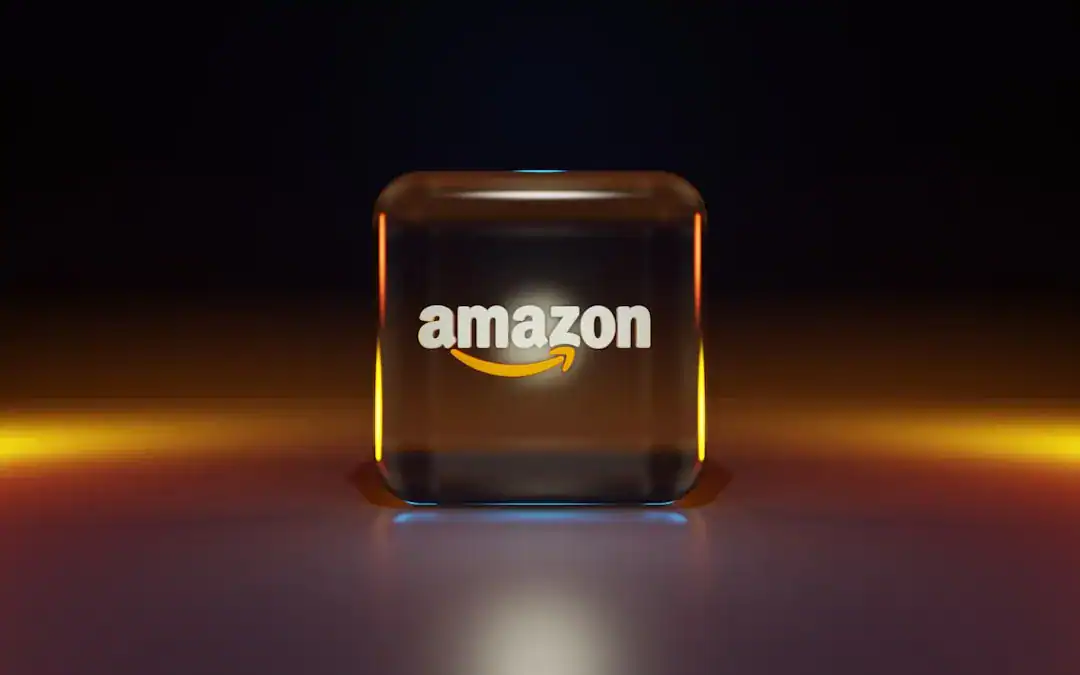
While FedEx utilizes negative space, Amazon employs a more explicit yet equally multi-layered approach to subliminal marketing. The current logo, introduced in 2000, features a curved yellow arrow starting at the letter “A” and ending at the letter “Z”.
This design choice is a textbook example of efficient visual communication. First, the trajectory from “A” to “Z” signifies the immense breadth of the catalog—implying that the company sells everything from “A to Z.” This establishes authority and capability. Second, the arrow is shaped to resemble a smile, complete with a dimple formed by the arrowhead. This triggers a psychological response related to friendliness, customer satisfaction, and trust.
By combining these elements, the Amazon logo hidden meaning bridges the gap between functional utility (we have everything) and emotional connection (we make you happy). It transforms a massive, potentially cold logistics entity into an approachable, human-centric brand.
Summary: A single visual stroke can simultaneously communicate inventory diversity and emotional positivity, doubling the logo’s communicative efficiency.
The Psychology of the “Aha!” Moment
Why do these hidden elements work so effectively? The answer lies in logo design psychology. When a consumer eventually notices the hidden arrow in FedEx or decodes the smile in Amazon, the brain experiences a small moment of discovery—an “Aha!” moment.
This cognitive event is powerful. It engages the viewer actively rather than passively. According to behavioral experts, discovering a hidden layer in a design can trigger a release of dopamine, the brain’s reward chemical. This creates a positive feedback loop. The consumer feels smart for spotting the secret, and that positive feeling is transferred to the brand itself.
Furthermore, once a hidden element is seen, it cannot be “unseen.” This ensures the logo remains memorable. In an era where attention spans are shrinking, creating a visual puzzle that invites engagement is a winning strategy. It turns a static image into an interactive experience, cementing the brand in long-term memory.
Summary: engaging the consumer’s intellect through hidden visual puzzles creates a neurochemical reward that strengthens brand recall and affinity.
Leveraging Technology for Intelligent Design
In the past, achieving this level of semiotic depth required months of iteration and expensive consultancy. However, the landscape of design has evolved. Today, understanding the principles of geometry and psychology is accessible through advanced technology.
Modern solutions are now capable of analyzing vast amounts of design data to suggest layouts that align with these psychological triggers. For businesses looking to emulate the success of FedEx or Amazon, tools like Ailogocreator represent a significant leap forward in productivity. These platforms allow users to experiment with negative space and symbolic association rapidly, democratizing access to high-level branding strategies. By streamlining the creative process, brands can focus more on the strategic meaning behind their symbols rather than getting bogged down in technical execution.
Summary: Advanced digital tools now enable businesses of all sizes to implement sophisticated psychological design principles efficiently and effectively.
The Strategic Advantage of Simplicity
Both the FedEx and Amazon logos share a common trait: extreme simplicity. They do not rely on complex illustrations or intricate details. This aligns with the “Less is More” philosophy, but with a twist—it is “Less, but with depth.”
Complex logos are harder for the brain to process and remember. Simple geometric shapes, like the rectangles and arrows found in logistics branding, convey stability and trust. According to industry analysis, the human brain prefers recognizable patterns. By stripping away the unnecessary, these brands ensure that the hidden message—the subliminal marketing hook—is the star of the show.
For an emerging brand, the lesson is clear. Do not overdesign. Instead, look for opportunities to fuse two concepts into one. Use the white space. Connect letters. Find the visual pun that aligns with your business goals. A logo that looks simple but holds a secret is a logo that lasts.
Summary: Simplicity reduces cognitive load, allowing the subconscious mind to focus on and retain the hidden semiotic messages embedded in the design.
FAQ
Q: What is the hidden meaning in the FedEx logo?
A: The hidden meaning is a white arrow formed by the negative space between the letters “E” and “x”. It symbolizes speed, precision, and the company’s forward momentum in the logistics industry.
Q: Why is semiotics important in branding?
A: Semiotics allows brands to communicate complex ideas and values through symbols and visual cues rather than text. It enables companies to trigger subconscious associations, such as trust or reliability, without the consumer explicitly realizing it.
Q: What does the Amazon logo represent?
A: The Amazon logo features an arrow connecting “A” to “Z,” symbolizing that the store carries every product imaginable. The arrow also doubles as a smile, representing customer satisfaction and a friendly service experience.
Q: How does negative space affect brand perception?
A: Negative space draws the viewer in and can create a dual meaning within a logo. It suggests sophistication and intelligence, and when used to hide symbols, it creates a memorable “discovery” moment that strengthens brand loyalty.

Conclusion and Actionable Suggestions
The victory of the subconscious in branding is not accidental; it is a calculated application of design psychology. As demonstrated by FedEx and Amazon, the most enduring logos are those that speak to our intuition as much as our eyes. By mastering semiotics in branding, you can elevate your visual identity from a mere graphic to a compelling business asset.
To apply these principles to your own brand strategy:
- Audit Your Negative Space: Look at your current logo and ask if the empty space is working for you or just taking up room. Can it be shaped to say something?
- Simplify Your Palette: Use strong, contrasting colors like FedEx’s purple and orange or Amazon’s black and yellow to make hidden shapes pop.
- Define Your Hidden Message: Before designing, decide on one core value (e.g., speed, variety, happiness) you want to transmit subliminally.
- Test for the “Aha!” Moment: Show your design to fresh eyes. If they smile when you point out the hidden element, you have succeeded.
- Utilize Modern Tools: Don’t rely solely on manual sketching; use efficient platforms to iterate quickly and find the best geometric fit for your brand concept.
CommentsTake the first comment