
Understanding the intricate history and hidden symbolism behind the world’s most prestigious automotive badges allows you to appreciate the deeper narrative of luxury consumption beyond mere price tags. If you are an automotive enthusiast, a brand designer, or a collector investing in high-value assets, decoding these visual identities provides a crucial window into the legacy and future direction of these marques. In 2025, the intersection of digital minimalism and historical automotive heraldry has created a fascinating landscape where car logo meanings are evolving to reflect electrification while honoring tradition.
- Heritage vs. Modernity: How historic coats of arms are adapting to digital screens without losing their prestige.
- Animal Symbolism: The psychological impact of the Prancing Horse, the Raging Bull, and the Leaper on consumer perception.
- Regional Pride: The deep geographic roots embedded in emblems like the Porsche crest and the BMW roundel.
- The Future of Badging: How brands like Jaguar and Genesis are rewriting the rules of brand identity symbolism.
The German Titans: Heritage Meets Precision
Germany’s luxury automotive sector has long relied on heraldic traditions to convey engineering dominance and regional loyalty. The logos of these manufacturers are not just trademarks; they are seals of quality that date back to the early 20th century.
The Porsche Crest: A Tribute to Stuttgart
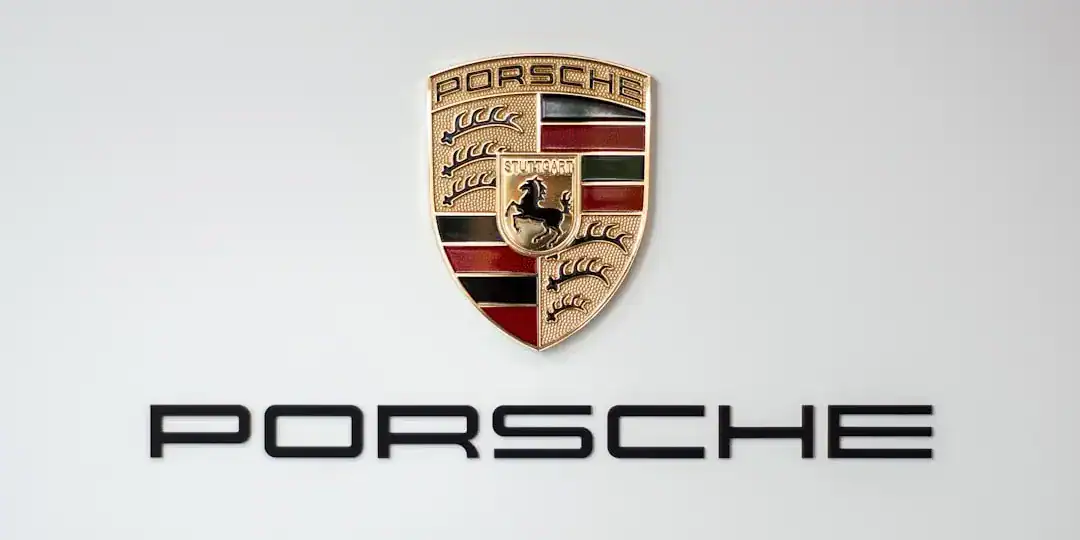
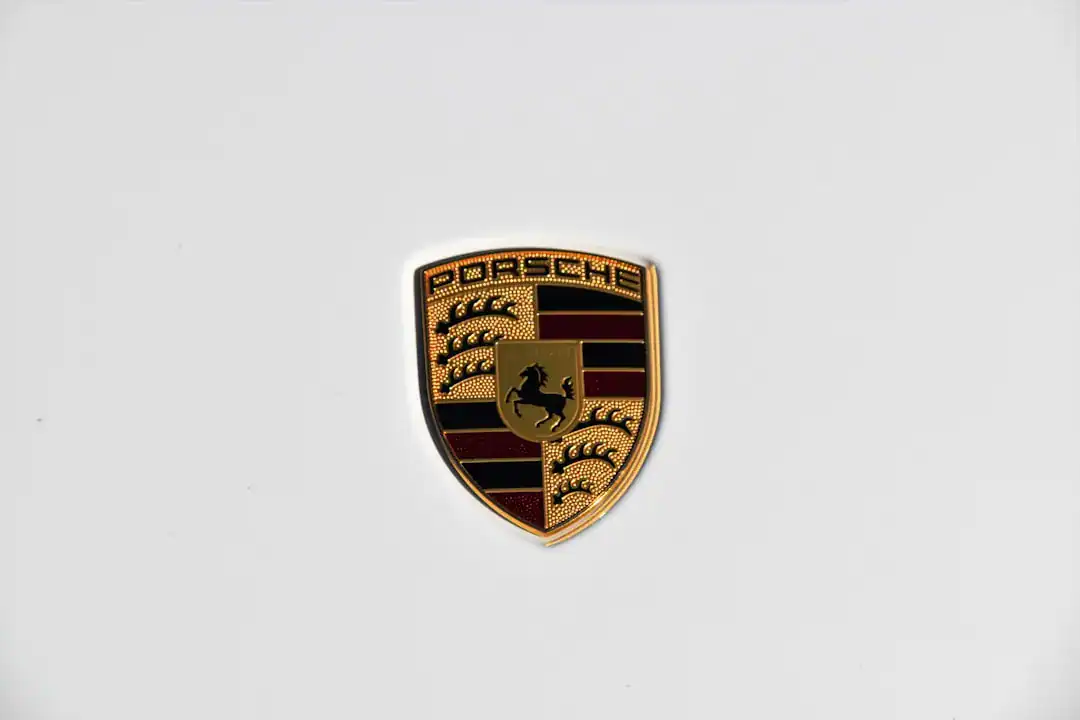
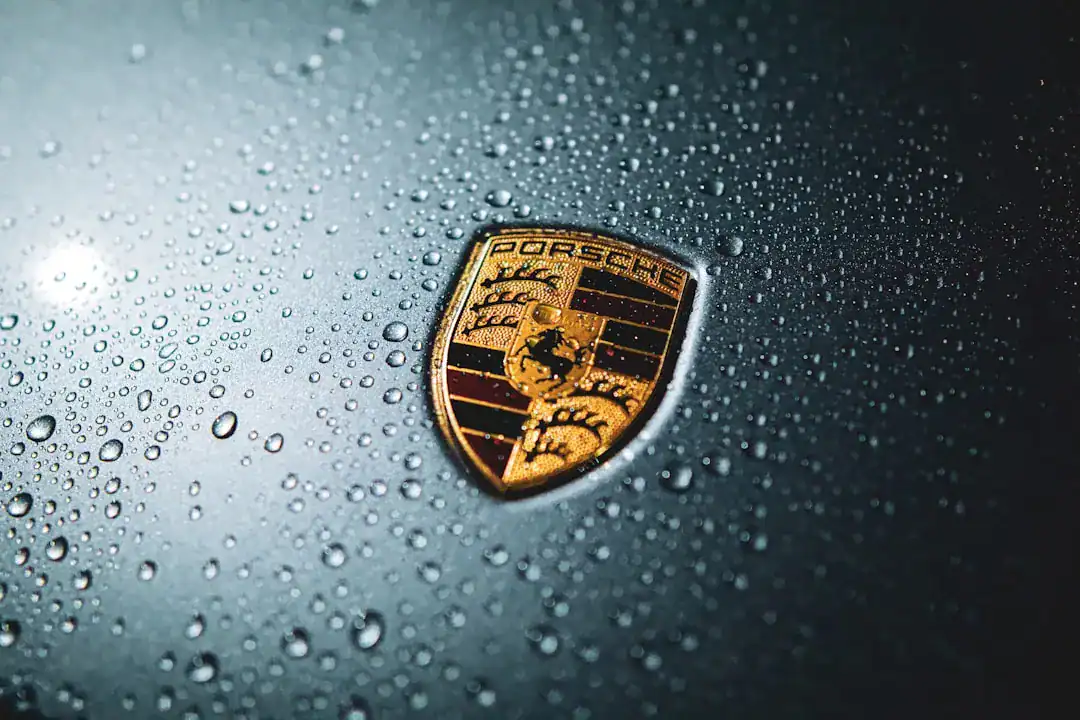
The Porsche crest is arguably the most complex and historically significant emblem in the automotive world. Contrary to the minimalist trend, Porsche has retained the intricate details of its badge. The design is a direct homage to the brand’s home. The central rearing horse is taken from the seal of the city of Stuttgart, while the red and black stripes and stylized antlers are derived from the coat of arms of the Free People’s State of Württemberg. In 2025, this logo remains a gold standard for luxury car logos, symbolizing a perfect marriage of local heritage and global performance.
Mercedes-Benz and BMW: Simplicity in Dominance
Mercedes-Benz utilizes the three-pointed star to represent its ambition for universal motorization: on land, on water, and in the air. This geometric purity contrasts with the BMW roundel, which is often mistakenly thought to be a spinning propeller. In reality, the blue and white quadrants represent the state colors of Bavaria. Both brands demonstrate how brand identity symbolism can convey authority through geometric abstraction rather than literal illustration.
Summary: German luxury logos are deeply rooted in regional coats of arms and state colors, utilizing automotive heraldry to establish a lineage of engineering excellence and local pride.
British Elegance: Wings, Spirits, and Myths
British luxury manufacturers often employ symbols of flight and ethereal beauty to suggest effortless speed and aristocratic grace. These logos are less about aggression and more about a “waftability”—the sensation of floating over the road.
The Spirit of Ecstasy and Rolls-Royce
Rolls-Royce offers a unique dual-branding approach: the double-R monogram for the corporate identity and the Spirit of Ecstasy for the emotional connection. This hood ornament, depicting a woman leaning forward with her arms outstretched like wings, is the ultimate symbol of automotive luxury. It represents the “spirit” of the car—silence, grace, and mystery. Unlike flat badges, this sculptural element adds a tactile dimension to the brand’s identity.
Bentley and Aston Martin: The Winged Bs and A’s
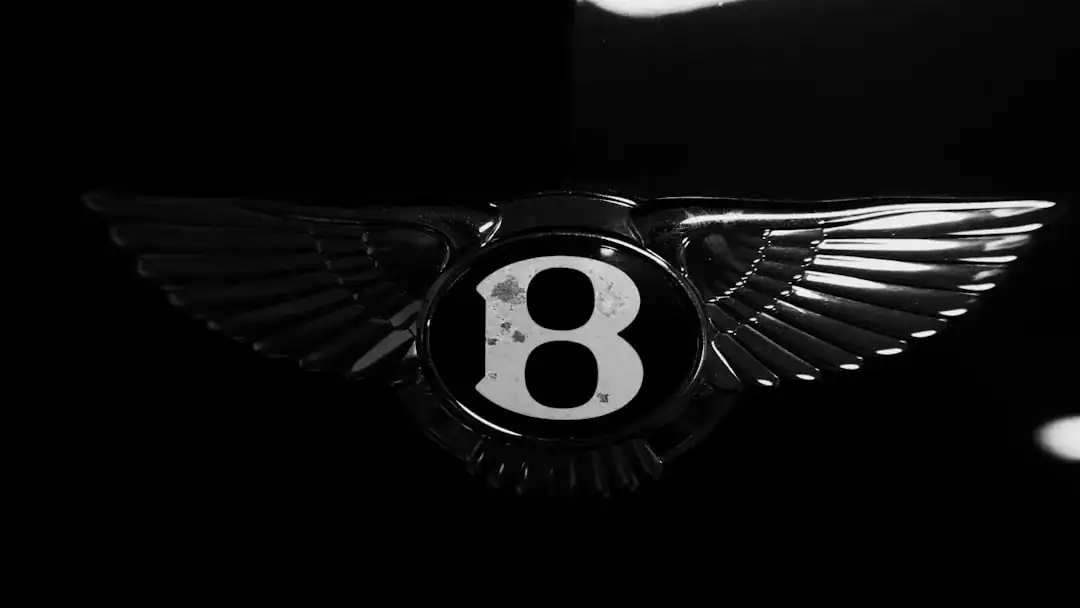
Both Bentley and Aston Martin utilize winged motifs, a common trope in car logo meanings signifying speed and freedom. Bentley’s “Big B” is flanked by falcon wings, with the number of feathers historically varying between models to denote exclusivity. Aston Martin’s wings are derived from the scarab beetle, an ancient Egyptian symbol, blending the concept of speed with the idea of a precious, jewel-like object.
Summary: British luxury marques prioritize elegance and freedom, using winged imagery and the Spirit of Ecstasy to convey a narrative of effortless performance and aristocratic heritage.
Italian Passion: The Power of Animal Avatars
In contrast to the structured heraldry of Germany or the graceful wings of Britain, Italian luxury brands often turn to the animal kingdom to express raw emotion, power, and resilience.
Ferrari’s Prancing Horse
The Cavallino Rampante (Prancing Horse) of Ferrari is one of the most recognized symbols globally. Originally painted on the fuselage of Italian WWI ace Francesco Baracca’s fighter plane, the horse was gifted to Enzo Ferrari by Baracca’s mother as a good luck charm. Set against a canary yellow background (the color of Modena), it symbolizes unbridled power and competitive spirit. It is a prime example of how luxury car logos can transcend the product to become a cultural icon.
Lamborghini’s Raging Bull
Ferruccio Lamborghini’s choice of a bull is a direct reflection of his zodiac sign, Taurus, and his passion for bullfighting. The emblem represents raw power, aggression, and a stubborn refusal to compromise—traits that defined the brand’s rivalry with Ferrari. The golden bull against a black shield creates a striking contrast, emphasizing luxury and strength.
Summary: Italian brands utilize aggressive animal totems to communicate visceral emotion and power, creating a brand identity symbolism that appeals to the driver’s desire for dominance and performance.
The New Vanguard: Redefining Luxury in 2025
As the industry shifts toward electrification, newer entrants and rebranding giants are simplifying their visual languages. The trends in 2025 point toward cleaner lines, illuminated badges, and a focus on digital legibility.
Genesis: The Winged Challenger
As a relatively new player, Genesis has adopted a winged logo that rivals Bentley and Aston Martin in execution. The crest represents the brand’s ambition to soar above traditional expectations. The logo is designed to be sleek and metallic, fitting perfectly with the brand’s “Athletic Elegance” design philosophy. It proves that modern brands can successfully adopt traditional automotive heraldry to establish immediate credibility.
Jaguar’s Radical Reinvention
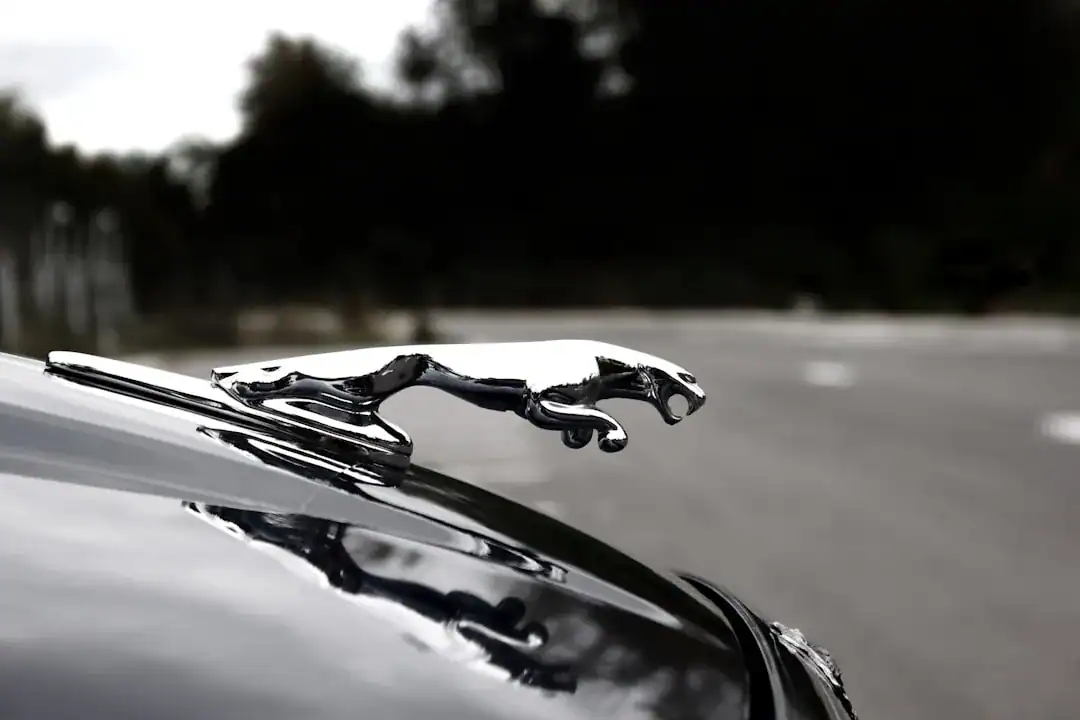
Jaguar’s recent rebranding efforts have sparked significant conversation. Moving away from the realistic “Leaper” in some digital applications, the brand is exploring expressive typography and geometric abstraction to signal its transition to an all-electric future. This shift highlights the tension between preserving history and embracing a modern, tech-forward aesthetic.
Summary: Emerging and evolving brands are adapting luxury car logos for the digital age, streamlining complex heraldry into sleek, illuminated symbols that signify technological advancement.
The Psychology Behind Brand Identity Symbolism
Why do consumers pay a premium for a car bearing a specific badge? The answer lies in the psychological transfer of values. A logo is a promise. When a buyer sees the Porsche crest, they are not just seeing a sticker; they are accessing decades of racing victories and engineering integrity.
Effective logo design in the luxury sector relies on the balance between “consistency” and “adaptation.” The most successful brands have maintained their core visual elements for decades, building a compound interest of trust. For entrepreneurs and designers looking to emulate this success, understanding the weight of visual elements is key. Tools like Ailogocreator are becoming increasingly relevant for professionals who need to synthesize complex brand values into cohesive visual identities, offering an efficient way to generate logos that carry the same professional weight as these industry titans.
Summary: The value of a luxury badge is derived from its ability to encapsulate history and promise quality, a feat that requires precise design execution and long-term consistency.
FAQ
Q: What is the significance of the horse in the Porsche crest?
A: The horse in the center of the Porsche crest is taken directly from the city seal of Stuttgart, the brand’s hometown. It represents the city’s origins as a stud farm (“Stutengarten”), emphasizing the brand’s deep local roots.
Q: Why did Rolls-Royce choose the Spirit of Ecstasy?
A: The Spirit of Ecstasy was chosen to embody the spirit of the Rolls-Royce brand: speed with silence, absence of vibration, and the mysterious harnessing of great energy. It adds a human, artistic element to the mechanical excellence of the vehicle.
Q: How are luxury car logos changing in 2025?
A: In 2025, there is a strong trend toward “flat design” and simplification to ensure logos look good on digital screens and can be illuminated on electric vehicles. Brands like Jaguar and Volkswagen have streamlined their logos to appear more modern and tech-friendly.
Q: What does the “Prancing Horse” symbolize for Ferrari?
A: The Prancing Horse symbolizes courage, boldness, and Italian heritage. Originally a WWI pilot’s emblem, it was adopted by Enzo Ferrari to bring good luck and has since become the ultimate symbol of racing pedigree.
Q: Why do so many luxury car brands use wings in their logos?
A: Wings are a classic element in automotive heraldry representing speed, freedom, and the ability to transcend earthly limitations. Brands like Bentley, Aston Martin, and Genesis use them to imply that their vehicles offer an experience akin to flying.
Conclusion and Actionable Suggestions
The logos of the top 10 luxury car brands are far more than mere marketing assets; they are historical documents forged in metal and enamel. From the regional pride of the Porsche crest to the mythical elegance of the Spirit of Ecstasy, these emblems tell stories of ambition, power, and artistry. As we move through 2025, we see a fascinating blend of preservation and modernization, ensuring these symbols remain relevant in an electric future.
- Analyze the Origin: When evaluating a luxury brand, look beyond the aesthetic to the origin story of its logo—it often reveals the company’s core philosophy (e.g., engineering vs. passion).
- Value the Consistency: Trust brands that respect their heritage. A logo that has remained consistent for 50+ years often indicates a stable and confident manufacturer.
- Embrace the Narrative: For collectors, the condition and authenticity of the badge can significantly impact vehicle value; preserve these “crown jewels” of the car.
- Leverage Professional Tools: If you are building a brand, prioritize creating a logo that tells a story. Use advanced design solutions to ensure your visual identity conveys the right message from day one.
CommentsTake the first comment