
Selecting the right color combination can increase brand recognition by up to 80%, directly influencing whether a customer trusts your business in under 10 seconds. If you are a founder, designer, or marketer aiming to build a visual identity that sticks, you must move beyond personal preference and understand the strategic mechanics of Brand Color Palettes. We often struggle to balance the simplicity of Duotone Design with the energetic complexity of Triadic Color Schemes, but mastering this balance is key to leveraging Color Psychology effectively.
- Cognitive Efficiency: Why two-tone palettes dominate the market by reducing mental load.
- Strategic Contrast: How to use the color wheel to create vibration without visual fatigue.
- Emotional Mapping: Aligning Logo Color Combinations with specific industry expectations.
- Testing & Validation: Practical methods to ensure your colors work across digital and physical mediums.
The Psychology Behind Dual-Tone Dominance
I have observed a distinct pattern in the last decade of tech and retail branding: simplicity wins. The reason Duotone Design is so prevalent isn’t just aesthetic minimalism; it is rooted in cognitive efficiency. When you limit a logo to two contrasting colors, you force the brain to categorize the brand instantly. Color Psychology dictates that fewer variables lead to faster recall.
According to industry analysis, up to 90% of snap judgments about products are based on color alone. When a brand like FedEx uses purple and orange, they aren’t just picking pretty colors; they are leveraging a complementary scheme that signals “speed” and “prestige” simultaneously.
Why Less is Often More
My experience suggests that adding a third or fourth color often dilutes the message unless managed with extreme precision. A dual-tone approach allows for:
* Higher Contrast: Easier to read on small mobile screens.
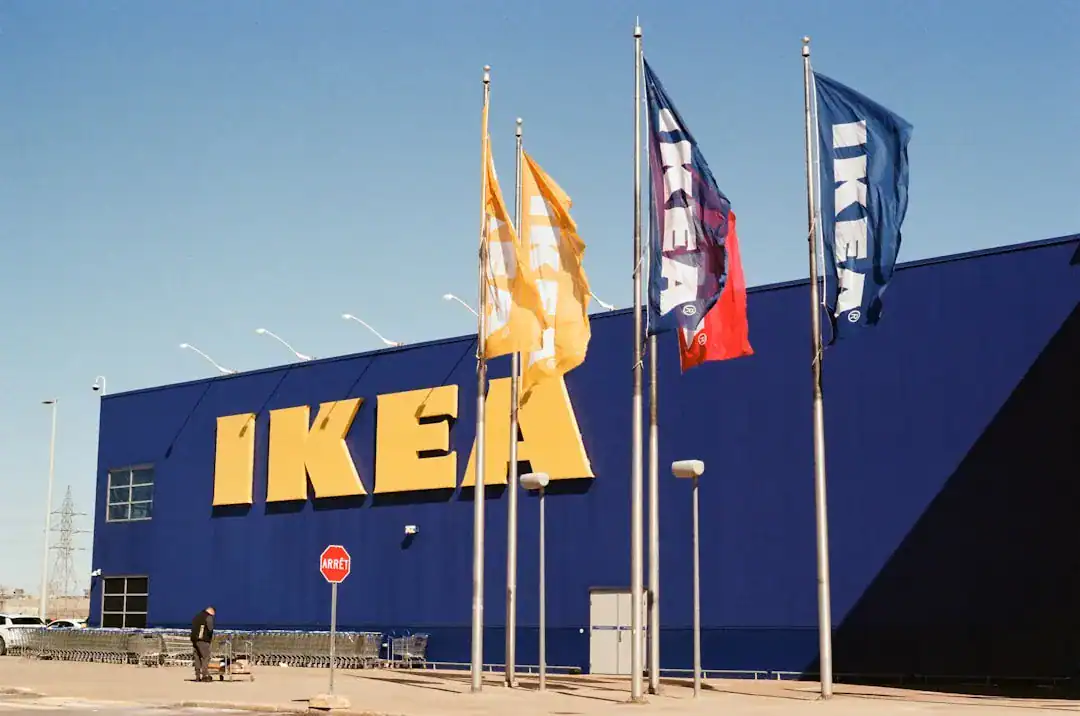
* Stronger Association: You own the combination (think IKEA’s blue and yellow).
* Cost Efficiency: Cheaper printing costs for physical merchandise using the Pantone Matching System.
Winning Dual-Tone Combinations in Modern Branding
Not all pairs are created equal. Some combinations vibrate with energy, while others offer stability. If you want to convey authority or innovation, you need to look at what the market leaders are doing with their Logo Color Combinations.
The “Trust and Optimism” Combo: Blue and Yellow
This is perhaps the most reliable pairing in the corporate world. You see it in brands like Walmart, IKEA, and Visa. Blue signals trust and security, while yellow adds a layer of approachability and optimism. It tells the customer, “We are professional, but we are also friendly.”
The “High Energy” Clash: Orange and Teal
This combination has taken over the digital space, especially in travel and tech sectors. According to design experts, these opposing colors on the wheel create a “harmonious clash.” The teal provides a soothing, modern foundation, while the orange acts as an aggressive accent color that demands attention. It is perfect for brands that want to appear adventurous.
The “Power” Pair: Black and Red
When I analyze media and sports brands, this combo appears frequently. Red evokes urgency and passion, while black provides a grounding, sophisticated backdrop. It is aggressive and unapologetic. However, I advise caution here; if not balanced correctly, it can feel hostile rather than powerful.
The Rise of Triadic Color Schemes: Balancing Complexity
While duotones are safe, Triadic Color Schemes offer a level of vibrancy that two colors simply cannot achieve. A triadic scheme uses three colors that are evenly spaced around the color wheel. This creates a palette that is high-contrast yet balanced.
The 60-30-10 Rule
The mistake I see most often is businesses trying to use all three colors equally. That creates visual chaos. The most successful implementations follow the 60-30-10 rule:
* 60% Dominant Color: Sets the tone and background.
* 30% Secondary Color: Supports the brand identity.
* 10% Accent Color: Used strictly for calls to action or focal points.

Successful Triadic Examples
Consider the Burger King rebrand or the Firefox logo. They utilize a triadic balance (often variations of Red, Yellow, and Blue/Green) to create a look that feels “classic” yet dynamic. These Brand Color Palettes communicate diversity and fullness, suggesting that the brand offers a complete solution or a rich experience.
Strategic Implementation and Testing
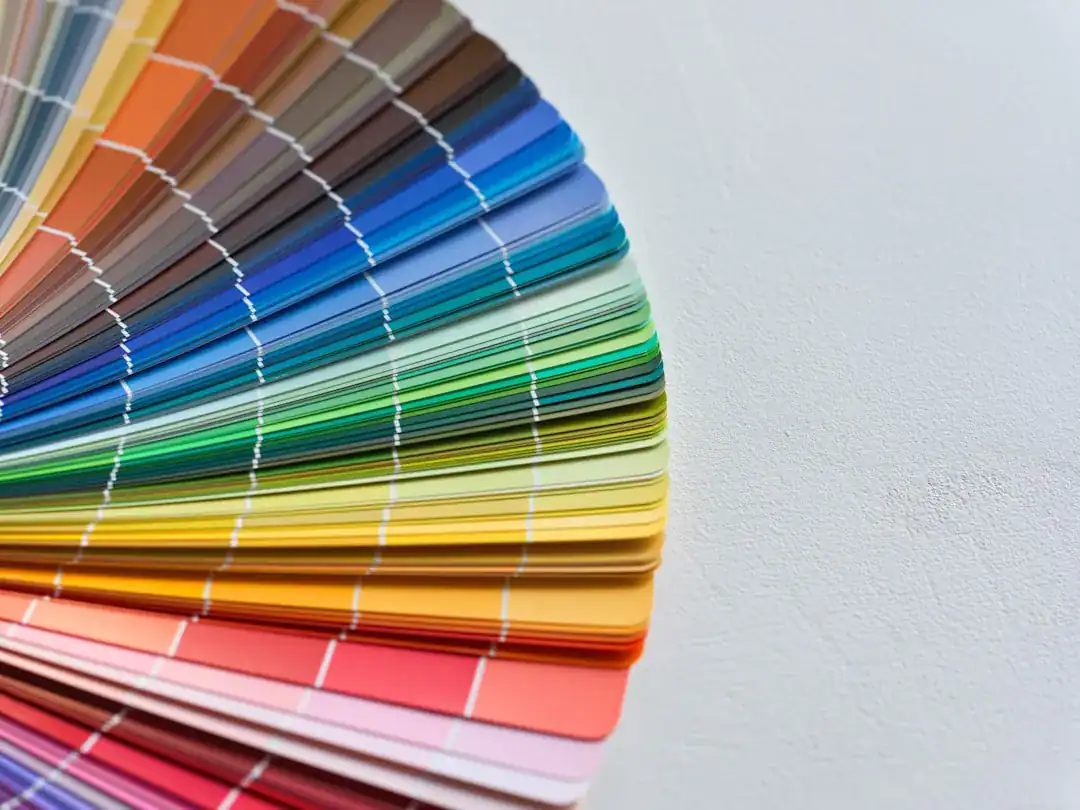
You cannot rely on your monitor alone when choosing colors. A color that looks electric on a Retina display might look muddy on a business card. Professional designers rely on the Pantone Matching System to ensure consistency, but for digital-first brands, rapid iteration is more important.
I always recommend testing your Logo Color Combinations in black and white first. If the logo loses its impact without color, the design is flawed. Once the shape works, you can apply color theory.
This is where modern tools bridge the gap between theory and practice. For instance, platforms like Ailogocreator allow you to instantly generate and visualize how different Triadic Color Schemes or duotone effects look on actual mockups. Seeing the colors in context—on a website header or a merchandise tag—is far more valuable than seeing them in a vacuum. It represents a shift towards efficient, data-backed design decisions.
Future Trends: Emotional Resonance and Accessibility
Looking ahead to 2025, the trend is shifting towards “Emotional Resonance.” We are moving away from the neon-bright “tech” colors of the 2010s towards more grounded, organic hues.
Key Trends to Watch
- Deep Teals and Sages: These communicate wellness and sustainability, replacing the generic “eco-green.”
- Warm Corals: A shift from aggressive reds to more inviting, human-centric warm tones.
- Accessible Contrast: With web accessibility becoming a legal requirement in many regions, high-contrast combinations are not just a stylistic choice but a functional necessity.
If your Brand Color Palettes do not pass accessibility standards (WCAG), you are effectively shutting out a portion of your audience. I believe that in the future, the “perfect match” will be defined not just by aesthetics, but by inclusivity.
FAQ
Q: What is the safest color combination for a financial startup?
A: Blue and White or Blue and Gold remain the gold standard for finance. Blue evokes trust and stability, which are the primary emotions customers seek when handling money.
Q: Can I use a Triadic Color Scheme for a minimalist brand?
A: Yes, but you must be extremely disciplined with the saturation. Use pastel versions or muted tones of the three colors to maintain a minimalist feel while keeping the triadic harmony.
Q: How do I know if my colors clash?
A: Use the color wheel. If colors are directly opposite (complementary), they will have high contrast. If they are too close but not monochromatic, they might look like a mistake. Testing on different screens is essential.
Q: Why do food brands use red and yellow so often?
A: This is known as the “Ketchup and Mustard” theory. Color Psychology suggests that red stimulates appetite and urgency, while yellow creates a feeling of happiness and comfort. It’s a biological trigger for hunger.
Q: Is Duotone Design fading away?
A: Not at all. It is evolving. We are seeing more “gradient duotones” where two colors blend seamlessly, offering a modern twist on the flat duotone style popularized by Spotify a few years ago.
Conclusion and Actionable Suggestions
Choosing the perfect color match is a blend of art, science, and strategic positioning. It is not enough to pick colors you like; you must pick colors that work for your audience and your industry.
- Audit Your Competitors: Place your logo next to your top 5 competitors. If you blend in, change your palette.
- Stick to the Rule of Three: Never exceed three main colors unless you have a dedicated design team to manage the complexity.
- Prioritize Contrast: Ensure your Logo Color Combinations remain visible in grayscale to guarantee structural integrity.
- Test Contextually: Use tools to visualize your brand in real-world scenarios before finalizing your Brand Color Palettes.
- Define Your Emotion: Write down the single emotion you want your brand to evoke, and select the color that scientifically correlates with it.
CommentsTake the first comment