
Switching back to serif typography is not just a nostalgic trip; it is a calculated strategic move to reclaim authority and distinctiveness in a saturated market. If you are a creative director or a brand strategist, understanding this cyclical shift is vital for positioning a high-end identity that commands premium pricing. For years, we watched the “blanding” of fashion where unique logotypes were stripped down to generic sans-serifs, but now, Luxury brand typography is making a fierce comeback with Heritage branding at its core.
- Why the “blanding” era of sans-serif logos stripped luxury brands of their unique soul and history.
- How Didot typeface and Bodoni font psychologically trigger associations of high price and exclusivity.
- The role of Elegant serif fonts in building trust and signaling established authority.
- Strategic reasons why High-fashion logo design is reverting to classical roots to differentiate from tech startups.
The Failure of Minimalist “Blanding” in Luxury
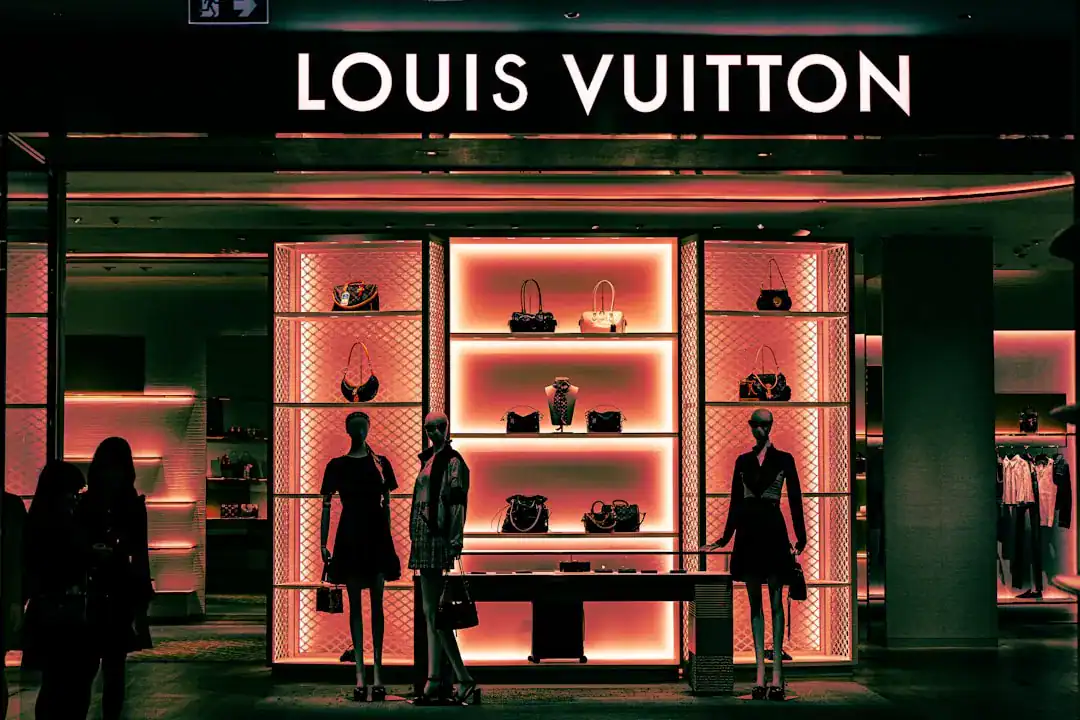
I remember looking at the fashion news a few years ago and feeling a sense of déjà vu. Brand after brand—Balmain, Saint Laurent, and momentarily Burberry—stripped away their idiosyncratic logos for bold, geometric sans-serifs. It felt like the industry was trying to look like a tech startup rather than a maison with a century of history. This homogenization, often dubbed “blanding,” made logos legible on mobile screens but robbed them of their soul.
The problem with minimalism in luxury is that it democratizes the visual language too much. When a $2,000 handbag carries a logo that looks suspiciously similar to a $20 fast-fashion app, the perceived value drops. Luxury relies on mystique and ornament. By removing the serifs, these brands inadvertently removed the visual cues that whisper “expensive,” “crafted,” and “rare.”
The Psychological Weight of the Serif
There is a reason why banks, law firms, and high-fashion houses stick to serifs. According to industry analysis, serif typefaces like Garamond or the high-contrast Bodoni font convey reliability, tradition, and respectability. When I see a sharp serif, my brain immediately associates it with longevity. It says, “We have been here for a long time, and we aren’t going anywhere.”
This is crucial for Luxury brand typography. You aren’t just buying a product; you are buying into a legacy. Sans-serifs scream “innovation” and “now,” which works for software but less so for a heritage trench coat. The “feet” on the letters act as anchors, grounding the brand in history. A study by Monotype even suggested that typeface choices can boost positive consumer response by up to 13%, proving that these aesthetic choices have real financial implications.
Why Didot and Bodoni Define High Fashion
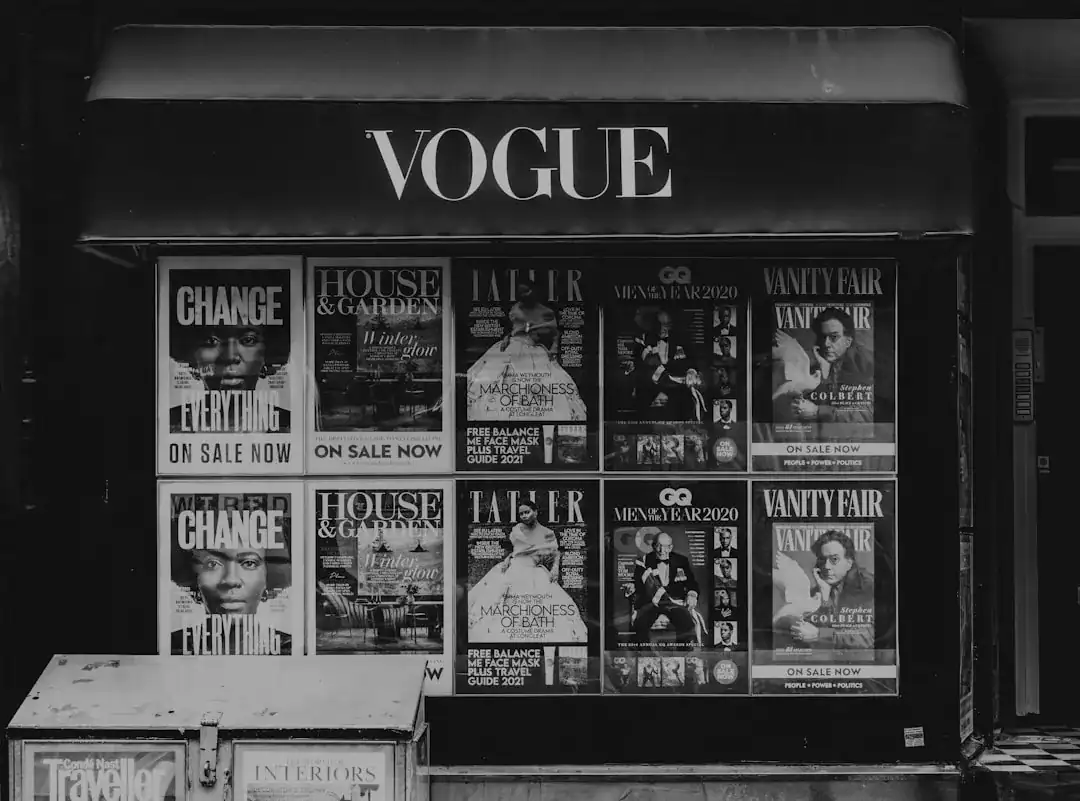
If you open a copy of Vogue or Harper’s Bazaar, you are staring right at the influence of the Didot typeface and Bodoni font. These “Modern” serifs, characterized by extreme contrast between thick and thin lines, are the gold standard for High-fashion logo design. They are difficult to print well at small sizes, which historically meant they were reserved for high-quality paper and printing processes—a subtle signal of wealth.
Using Elegant serif fonts today is a nod to that history of editorial prestige. It creates a “velvet rope” effect. It tells the consumer that this brand cares about the finer details. I always advise clients looking to elevate their brand perceived value to test a high-contrast serif. It instantly adds a layer of sophistication that a geometric sans-serif simply cannot replicate.
Differentiation is the New Survival Strategy
The return to serifs is also a reaction to market saturation. When every direct-to-consumer brand launched with a clean sans-serif logo (think of the “bless” or “millennial” aesthetic), the look became cheap. To stand out, legacy brands had to look like legacy brands again.
Burberry’s 2023 rebrand is the perfect example of this course correction. By bringing back a serif wordmark and the Equestrian Knight, they signaled a return to British Heritage branding. They stopped trying to blend in with the digital crowd and started acting like a luxury leader again. Distinctiveness is the primary asset of a luxury brand. If you look like everyone else, you are a commodity, not a luxury.
Leveraging Technology to Craft Timeless Identities
Designing a custom serif logo used to require hiring a specialist typographer for months. Today, the barrier to entry has lowered, allowing smaller brands to access this “luxury” aesthetic without the six-figure agency fee. While traditional design processes are slow, modern tools have evolved.
For entrepreneurs and designers who need to iterate quickly on high-quality serif concepts, using an advanced generator can be a game-changer. I have found that tools like Ailogocreator allow you to experiment with sophisticated serif layouts that mimic the balance of Didot or Bodoni efficiently. It bridges the gap between high-end aesthetic demands and the speed required by modern digital marketing. You don’t need to sacrifice elegance for efficiency anymore.
FAQ
Q: Why are luxury brands switching back to serif fonts?
A: Brands are realizing that the minimalist sans-serif trend made them look indistinguishable from one another. Returning to serifs helps them reclaim their heritage, signal exclusivity, and differentiate themselves from mass-market or tech brands.
Q: What is the difference between Didot and Bodoni in fashion?
A: Both are high-contrast “Modern” serifs associated with luxury. Didot is often seen as slightly more delicate and French, while Bodoni is sturdier and more geometric. Both are staples in High-fashion logo design for their editorial elegance.
Q: Can a modern startup use serif fonts without looking old-fashioned?
A: Absolutely. A sharp, high-contrast serif can look incredibly contemporary and edgy. It signals confidence and quality. The key is in the spacing (kerning) and how it is paired with modern photography.
Q: Do serif fonts really affect how much people are willing to pay?
A: Research suggests they do. Typography influences the perceived “expensiveness” of a brand. Elegant serif fonts are subconsciously associated with premium quality, craftsmanship, and tradition, which justifies a higher price point in the consumer’s mind.
Conclusion and Actionable Suggestions
The renaissance of serif fonts in the luxury sector is a correction of a failed experiment in minimalism. It proves that in the world of high fashion, personality and history sell better than safe, clean uniformity. If you are building a brand that aspires to premium status, do not be afraid to look backward to move forward.
- Audit your current typography: Does your font say “legacy” or just “legible”? If you are selling a premium service, a generic sans-serif might be underselling your expertise.
- Test high-contrast serifs: Experiment with fonts similar to Didot or Bodoni for your headlines or logos. Watch how it changes the “temperature” of your visual identity from cold to warm and expensive.
- Focus on spacing: Luxury is space. Give your serif logos ample breathing room. Crowded letters look cheap; wide tracking often looks premium.
- Embrace imperfections: Unlike the mathematical perfection of geometric sans-serifs, serifs have character. Use that character to tell a story about your brand’s unique origin or values.
References & Sources
- [PDF] The effect of using serifs in brand names on luxury perception. (archives.marketing-trends-congress.com)
- [PDF] The Effect of Serif and San Serif Typeface of Luxury Fashion … (sciedupress.com)
- [PDF] REBRANDING OF LUXURY FASHION BRANDS – Diva-Portal.org (diva-portal.org)
- [PDF] The Designer and the History of the Typeface He Created (peytonklemm.weebly.com)
- 123: Didot: An Incomplete History of Type – Talk Paper Scissors (talkpaperscissors.info)
CommentsTake the first comment