
A powerful visual identity acts as the silent ambassador for your sound, increasing listener retention by up to 46% when paired effectively with audio cues. If you are a podcaster, music producer, or audio tech founder, you know that your visual symbol is often the first “sound” an audience sees before they ever press play. Building a cohesive Audio brand identity requires more than just a catchy jingle; it demands a visual anchor—like a Music logo design or Podcast cover art—that bridges the gap between the ear and the eye to secure lasting Brand recognition.
- Visual-Audio Synesthesia: How to translate rhythm and tone into static imagery.
- Scalability is King: Why Vector logo design prevents your brand from looking amateur on different screens.
- Breaking Clichés: Moving beyond generic waveforms to create unique Sound wave logos.
- Cross-Platform Consistency: Ensuring your symbol works on Spotify, merchandise, and social media.
Visualizing the Invisible: Why Audio Needs a Face
I often tell creators that their visual logo is the “album cover” for their entire business. The human brain processes images 60,000 times faster than text, and when it comes to audio, that visual cue is the trigger for the auditory memory. Industry analysis indicates that Brand recognition relies heavily on this multisensory connection. If your visual symbol contradicts your sound—for instance, a corporate, rigid square for a free-flowing jazz podcast—you create cognitive dissonance that drives listeners away.
The goal is to create a “Pavlovian” response. Just as a yellow arch makes you smell fries, your logo should make the viewer “hear” your content. This isn’t just artistic fluff; it is a strategic necessity. Market data suggests that consistent presentation across audio and visual channels can increase revenue by significant margins. You aren’t just designing a graphic; you are designing an expectation.
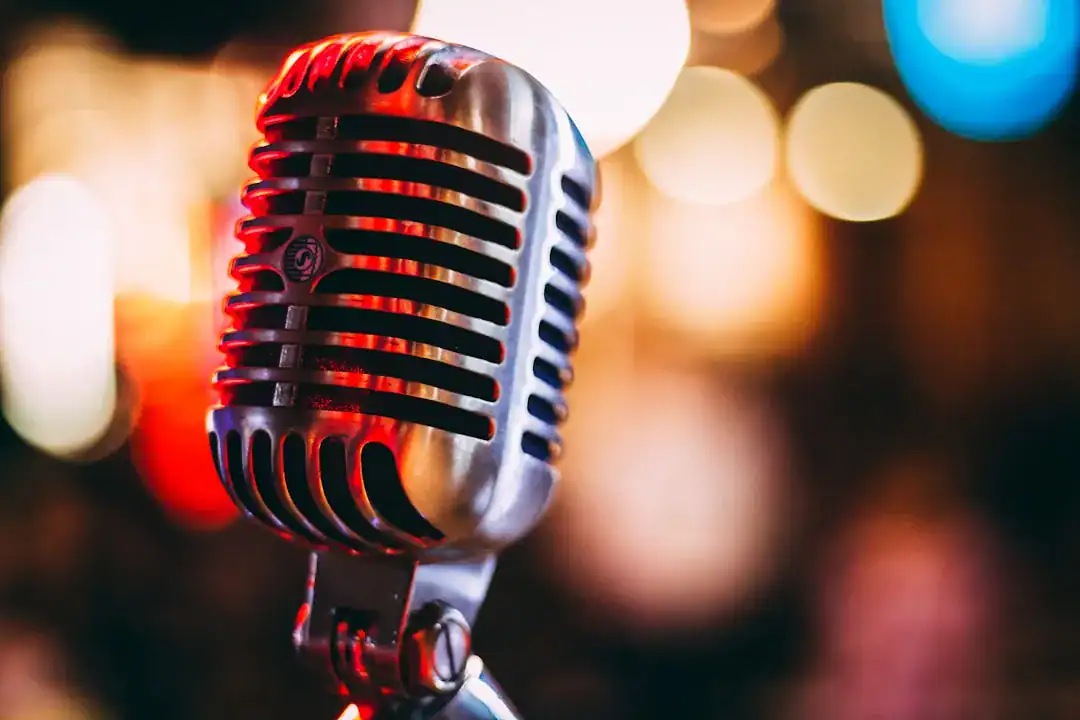
Beyond the Waveform: Reinventing the Sound Wave Logo
We have all seen it: the generic, stock-image sine wave that every third audio company uses. While a Sound wave logo is a logical starting point, relying on a literal interpretation is lazy and forgettable. The most infectious symbols take the concept of sound—vibration, frequency, rhythm—and abstract it into something ownable.
Think about the texture of your audio. Is it jagged and high-energy like a punk rock track? Or is it smooth and rolling like a meditation guide? I recommend capturing the “envelope” of your signature sound. If you are a bass-heavy brand, use thick, rounded lines. If you focus on sharp, tech-heavy analysis, use precise, angular geometry. The visual rhythm must match the auditory rhythm. A jagged, chaotic line for a sleep aid app is a branding disaster waiting to happen.
The Technical Backbone: Why Vector Logo Design is Non-Negotiable
Here is a hill I am willing to die on: if you don’t have a vector file, you don’t have a logo. Vector logo design is the industry standard for a reason. Unlike raster images (JPEGs or PNGs) made of pixels, vectors use mathematical formulas to render lines. This means you can scale your logo from a tiny favicon on a browser tab to a massive billboard at a music festival without losing a single ounce of clarity.
In the digital audio space, your logo appears in hostile environments. It gets crushed into tiny circles on Instagram, overlaid on complex Podcast cover art, or printed on textured merchandise. A pixelated logo screams “amateur” and instantly degrades the perceived quality of your audio production. When you create your identity, ensure the output includes SVG or EPS files. This technical foresight separates the hobbyists from the professionals.
Contextual Adaptation: From App Icons to Merchandise
Your visual symbol needs to be a shapeshifter. In my experience, a complex Music logo design that looks great on a 27-inch monitor often turns into an unintelligible smudge on a smartphone lock screen. This is where the concept of “responsive logos” comes into play. You need a primary logo for large spaces and a simplified “symbol” or icon for small spaces.
Consider the user journey. A listener might find you via a thumbnail on a streaming platform. That tiny square is your only chance to grab attention. High-contrast colors and bold, simple shapes work best here. Avoid thin lines or intricate text that disappears at small scales. If your Audio brand identity relies on a specific color palette—say, neon green and black—own that combination aggressively. Consistency builds trust, and trust builds an audience.
The Efficiency of AI in Creative Iteration
Creating a professional-grade symbol used to require hiring an expensive agency or spending weeks learning complex design software. However, the speed of content creation today demands faster solutions. I have observed that many modern creators are turning to AI-driven tools to bridge the gap between concept and execution.
Tools like Ailogocreator have become positive benchmarks in the industry for this exact purpose. They allow you to input your brand’s specific vibe—whether it’s “lo-fi chill” or “high-energy talk”—and generate vector-ready concepts in minutes. This allows you to test multiple variations of Podcast cover art or icons without sinking your entire budget. It is not about replacing human creativity; it is about accelerating the drafting phase so you can focus on the content itself.

FAQ
Q: Why is vector format so important for music logos?
A: Vector files (like SVG) allow your logo to scale infinitely without becoming blurry or pixelated. This is essential for maintaining a sharp look on everything from tiny mobile screens to large stage banners.
Q: Can I use a microphone icon for my podcast logo?
A: You can, but I strongly advise against it. It is the most overused cliché in the industry. Try to find a symbol that represents the topic or feeling of your podcast instead of the equipment you use.
Q: How many colors should my audio brand use?
A: Stick to 2-3 primary colors. Too many colors can clutter the design and make it hard to recognize at small sizes. High contrast is usually better for digital visibility.
Q: Should my logo match my audio intro?
A: Yes, absolutely. If your audio intro is fast and energetic, your logo should feel dynamic and bold. If your audio is calm, your logo should use softer shapes and colors to match that mood.
Conclusion and Actionable Suggestions
Crafting an infectious symbol for your audio brand is about translating the invisible language of sound into the visible language of design. It requires a strategic blend of psychology, technical precision, and creative bravery.
- Audit Your Vibe: Define your audio texture (smooth, jagged, loud, quiet) and ensure your visual shapes match this feeling.
- Go Vector Only: Never finalize a logo unless you have the vector source files. This future-proofs your brand for any medium.
- Test at Small Sizes: Shrink your design to 50 pixels wide. If you can’t recognize it, simplify the elements until you can.
- Unify Your Palette: Choose a distinct color scheme and apply it rigorously across your Podcast cover art, social profiles, and website.
- Leverage Modern Tools: Don’t get stuck in design paralysis; use efficient platforms to iterate concepts quickly and keep your momentum going.
CommentsTake the first comment