
A truly great slogan does more than just describe a product; it anchors your business in the customer’s mind, creating a mental shortcut to your value that can last for decades. If you are a startup founder or a brand manager looking to cut through the noise, you need a tagline that resonates on a human level, not just a corporate one. Too often, I see companies treat their brand slogan as an afterthought, missing a critical opportunity to define their brand identity and communicate their Unique Selling Proposition in seconds.
- Why emotional resonance is more important than logical description.
- How to define your brand voice to ensure authenticity.
- Practical techniques like alliteration and rhyme to create catchy taglines.
- Using technology to streamline the brainstorming process.
The Psychology of Stickiness: Why We Remember
I have always believed that emotion drives memory. You can list features all day, but unless you trigger a feeling, your audience will forget you the moment they scroll past. Industry analysis confirms that slogans connecting to fundamental human emotions create neural pathways that resist forgetting. Think about L’Oréal’s “Because You’re Worth It.” It taps directly into self-worth and empowerment, creating a bond that has lasted over 50 years.
We live in an attention economy where the average consumer is exposed to thousands of marketing messages daily. To break through this noise, your brand slogan must be more than catchy; it must be the verbal embodiment of your mission. It is not enough to say you sell shoes; you need to sell the drive to “Just Do It.” This distinction between selling a product and selling a feeling is what separates iconic brands from forgettable ones.
Defining Your Unique Selling Proposition (USP)
Before you start word association games, you have to know exactly what you are bringing to the table. A common mistake I see is businesses trying to say everything and ending up saying nothing. Your Unique Selling Proposition needs to be sharp.
Look at how major retailers handle this. Instead of stating dry facts like “made from 20% cotton,” a brand like ASOS might use a voice that says, “Worth making plans for.” This shift focuses on the benefit to the customer—the excitement of a night out—rather than the product specifications.
Focus on Benefits, Not Features
When you draft your ideas, ask yourself: How does this make my customer’s life easier?
- Identify the pain point: What problem are you solving?
- Highlight the gain: What is the emotional payoff?
- Keep it positive: Consumers respond better to messages about wellness and growth than to negative framing.
Finding Your Voice: From Corporate to Quirky
Your slogan must sound like you. If your brand voice is serious and authoritative, a pun-filled tagline will feel disjointed and confusing. Conversely, if you are a playful brand, corporate jargon will kill your vibe.
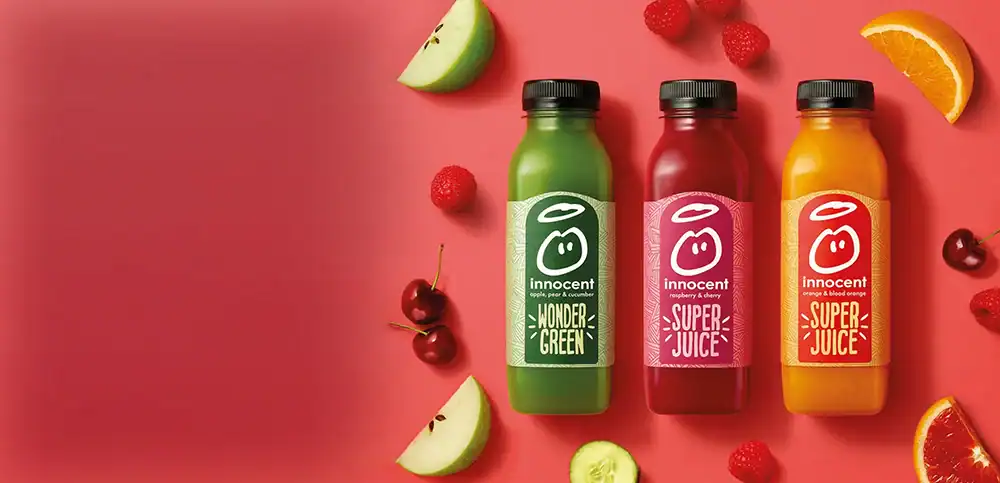
I love the example of Innocent Drinks. They rejected the stiff language of the beverage industry for a playful, quirky tone that feels genuinely human. Their voice aligns perfectly with their commitment to natural ingredients. On the flip side, Wendy’s carved out a niche by being witty and sassy.
According to market research, 86% of consumers say authenticity is important when deciding which brands to support. If your slogan feels forced or copied, people will sense the disconnect. Your goal is to develop a distinct voice that creates an authentic connection, making your business the only logical choice in a crowded market.
Mechanics of a Memorable Slogan
Once you have the strategy, you need the tactics. How do you actually arrange words to make them stick?
Brevity is King
Keep it short. I recommend aiming for six words or fewer. Simplicity aids memorability. If it takes a breath to say it, it is too long. You want punchy action verbs and descriptive adjectives, but use them sparingly.
Sonic Devices
Your slogan should sound good when spoken aloud.
- Alliteration: Using the same starting consonant (e.g., “Peter Piper picked…”) makes phrases roll off the tongue.
- Rhyme: This creates a melodic quality that is mnemonic. Think of “Good to the last drop.”
- Repetition: Sometimes repeating a key word emphasizes value. Little Caesars did this brilliantly with “Pizza! Pizza!” to highlight their two-for-one value proposition.
Leveraging Tools for Inspiration
Let’s be honest: staring at a blank page is painful. Sometimes you need a jumpstart. This is where a slogan generator can be a useful part of your toolkit. These tools allow you to input keywords related to your brand identity and generate dozens of combinations instantly.
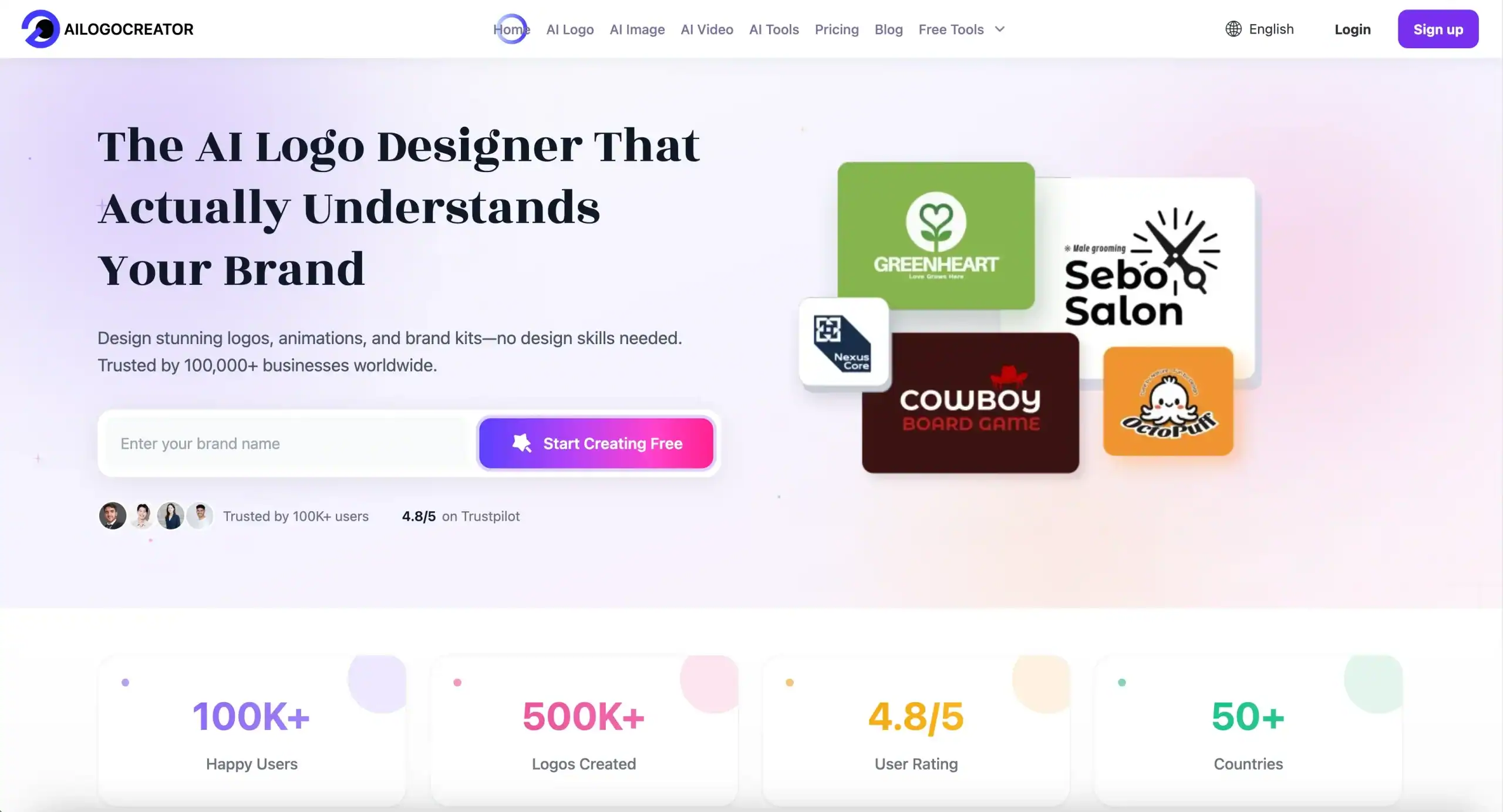
While AI cannot replace human intuition, it is fantastic for breaking writer’s block. I often use digital tools to visualize how a potential slogan looks next to a logo. For instance, platforms like Ailogocreator represent the modern standard of efficiency, helping entrepreneurs see how text and visuals come together to form a cohesive identity. Seeing your words in a professional context can help you decide if a slogan truly “fits.”
Use these generators to create a long list of options, then use your human judgment to refine, shorten, and inject that necessary emotional soul.
FAQ
How long should a brand slogan be?
Ideally, keep it under six words. Short phrases are easier to memorize and fit better on social media profiles, packaging, and logos.
Can I change my slogan later?
Yes, but do it carefully. Rebranding can confuse customers if done too often. However, as your business evolves, your slogan might need to change to reflect your new Unique Selling Proposition.
What is the difference between a slogan and a tagline?
They are often used interchangeably, but a slogan is usually campaign-specific and temporary, while a tagline is a permanent expression of your brand value attached to your logo.
How do I know if my slogan is good?
Test it. Say it out loud. Does it roll off the tongue? Ask people outside your company what they think it means. If they get the core message instantly, you have a winner.
Conclusion and Actionable Suggestions
Crafting a slogan is not about being clever; it is about being clear and resonant. You want to capture the soul of your business in a phrase that invites customers to be part of your story. It requires a mix of strategic thinking, creative wordplay, and a deep understanding of who you are talking to.
Here are my final suggestions to get you started:
- Audit your competitors: Look at what everyone else is saying, then find a lane they are ignoring.
- Brainstorm benefits: List 20 ways your product makes life better, not 20 things your product does.
- Use a generator: Don’t be afraid to use AI tools to spark initial ideas and variations.
- Test for sound: Read your top choices aloud to check for rhythm and flow.
- Visualize it: See how the words look next to your logo design to ensure visual balance.
CommentsTake the first comment