
You can secure a permanent place in your customer’s mind by engineering your brand identity around specific psychological triggers rather than passing design trends. If you are a business leader or brand strategist looking to build an enduring legacy, you must look beyond aesthetics and understand the neural pathways that drive consumer loyalty. The Coca-Cola brand identity is a masterclass in this, proving that the calculated combination of Color psychology and the fluid Spencerian script creates a moat that competitors cannot cross.
- Red is a biological trigger: It is not just a color choice but a signal that increases heart rate and creates urgency.
- Script implies humanity: The handwritten style of the logo creates a subconscious personal connection that distinct, cold serif fonts lack.
- Consistency builds equity: Maintaining the same core visual elements for over a century generates “mental availability” that new brands struggle to replicate.
- Emotional branding overrides logic: Consumers buy the feeling of happiness and nostalgia, anchored by specific visual cues.
The Biological Urgency of Red in Branding
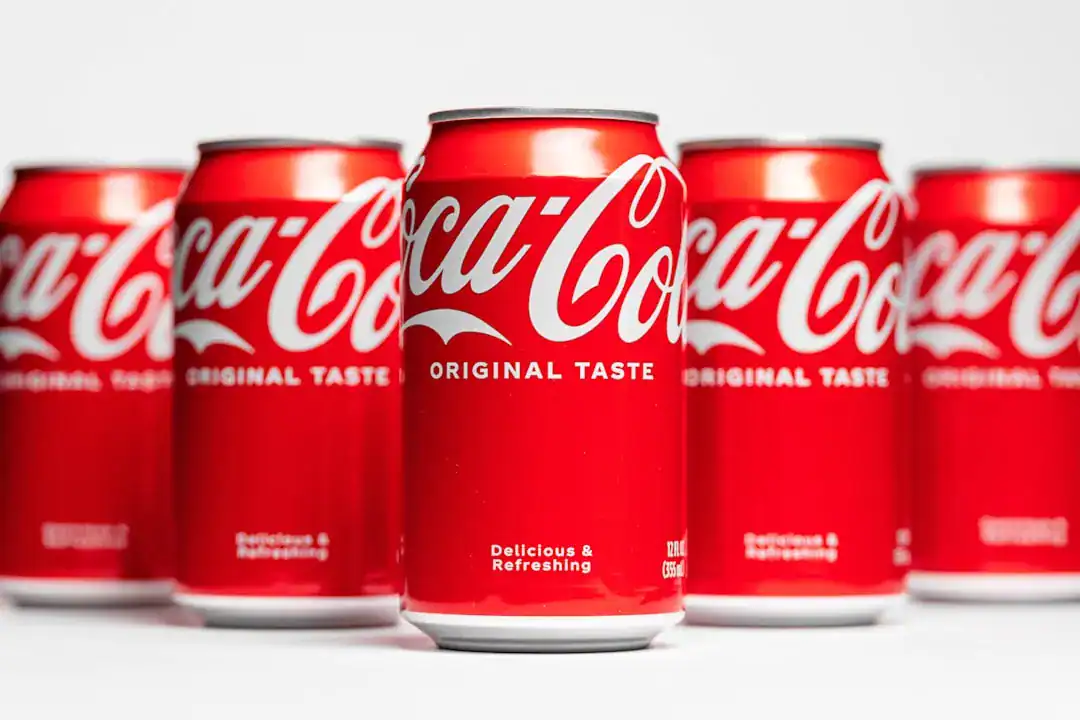
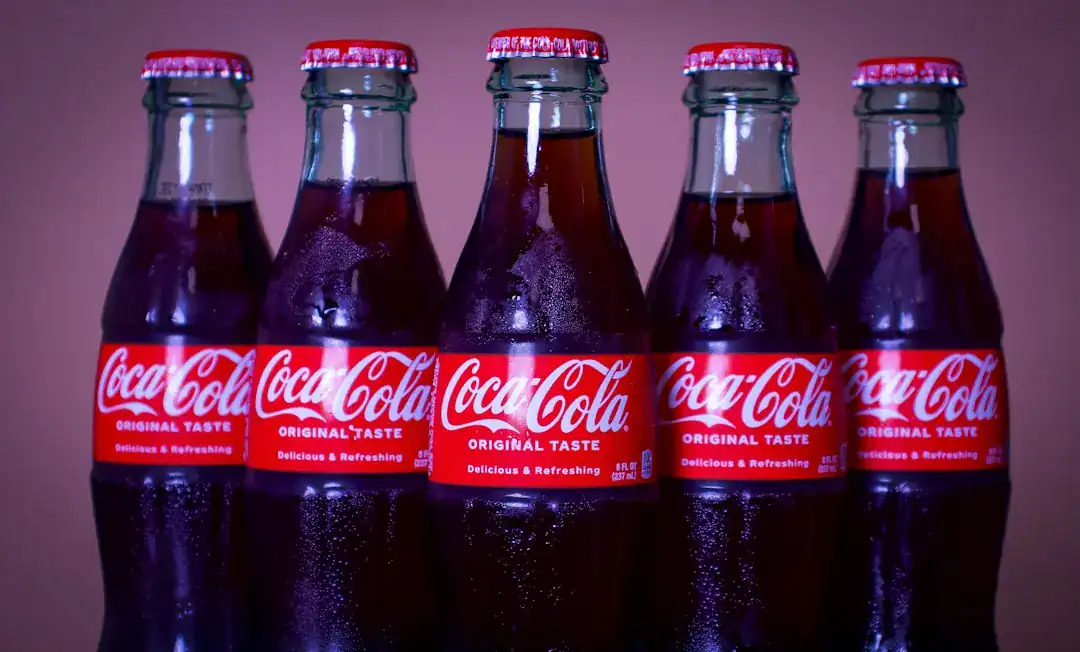
The choice of red in the Coca-Cola logo design is not accidental, nor is it merely for visibility. From a psychological perspective, red is the most intense color in the spectrum. It creates a physical reaction in the viewer, often associated with elevated heart rates, appetite stimulation, and a sense of urgency. When you see a Coke can, you are not just seeing a package; you are receiving a biological signal to pay attention.
Industry analysis indicates that red evokes strong feelings of excitement, passion, and energy. It creates a sense of warmth that aligns perfectly with the brand’s promise of “happiness.” While other brands might choose blue for trust or green for health, Coca-Cola’s red commands immediate shelf dominance. It shouts rather than whispers. This “Red dominance” strategy ensures that the brand owns a specific emotional territory in the consumer’s brain—one of vitality and celebration.
Why Red Works for Impulse:
- Visibility: It creates the highest contrast against most backgrounds.
- Appetite: It triggers metabolic stimulation, making it ideal for food and beverage.
- Urgency: It compels quick decision-making, essential for impulse purchases.
Actionable Advice: Do not pick brand colors based on your personal preference. Choose a color that triggers the physiological response you want from your customer. If you sell energy or impulse goods, warm colors like red or orange are superior to cool tones.
The Human Touch of the Spencerian Script
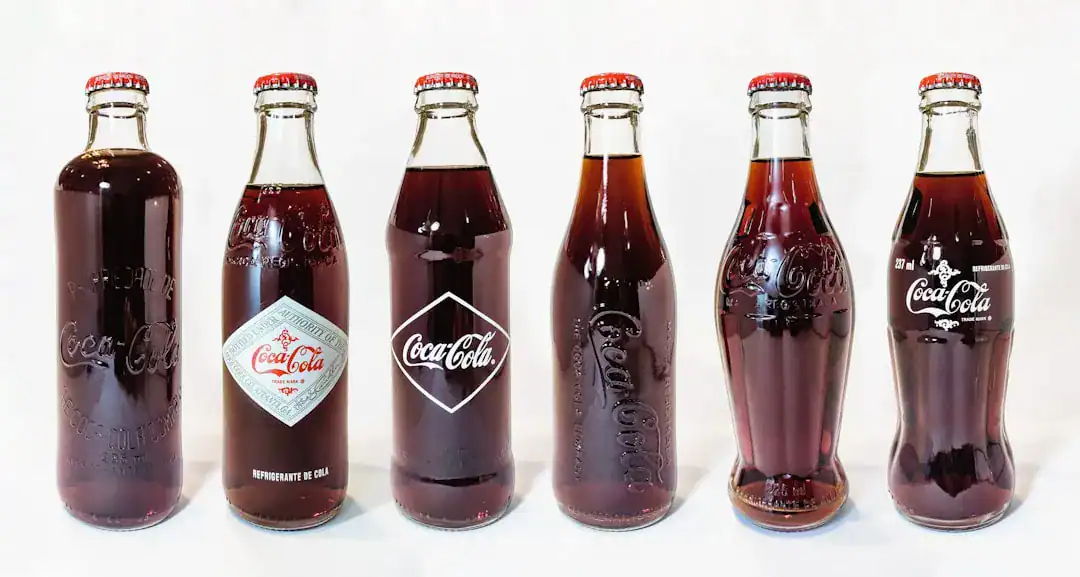
In an era dominated by clean, sans-serif minimalism, Coca-Cola’s adherence to the Spencerian script is a rebellious act of brilliance. Designed by Frank M. Robinson in the late 1880s, this script was the dominant form of handwriting in the United States at the time. By retaining this style while the rest of the world modernized, Coca-Cola preserved a sense of “hand-written” intimacy that feels personal rather than corporate.
I find it fascinating that the logo effectively mimics a signature. When you look at the flowing C’s and the rhythmic loop of the letters, it feels as though a person wrote it, not a machine. Research suggests that this cursive style reinforces a nostalgic and celebratory vibe, making the brand feel approachable and traditional. It signals authenticity. While tech companies race to sanitize their logos into simple geometric shapes, Coca-Cola’s script reminds us that human connection is the ultimate sales tool.
Characteristics of the Script:
- Fluidity: The connected letters suggest flow and liquid movement.
- Personality: It creates a unique “signature” that is impossible to confuse with standard fonts.
- Timelessness: It anchors the brand in history, suggesting longevity and reliability.
Actionable Advice: Consider using typography that conveys personality. If your brand relies on trust and human connection, a handwritten or script-style element can make your identity feel less like a corporation and more like a partner.
Visual Brand Consistency as a Trust Protocol
The greatest marketing asset Coca-Cola possesses is not its secret formula, but its refusal to change its core identity. For over 130 years, the visual brand consistency has been absolute. They have tweaked the script and adjusted the red, but they have never abandoned the fundamental look. This discipline builds what experts call “mental availability.” When a consumer thinks of a refreshing drink, the neural pathway to the red script logo is already paved and reinforced.
Data shows that 94% of the world’s population recognizes the Coca-Cola logo. This level of penetration is only possible through decades of repetition. Many companies make the mistake of rebranding every few years to stay “fresh,” destroying the memory structures they worked hard to build. Coca-Cola proves that boredom is a marketing strategy. By staying the same, they have become an unshakeable constant in a chaotic world.
Benefits of Radical Consistency:
- Reduced Marketing Costs: You don’t have to re-educate your audience on who you are.
- Trust: Consumers trust things that don’t change. It implies stability.
- Global Recognition: A consistent visual language transcends language barriers.
Actionable Advice: Resist the urge to rebrand unless your current identity is actively damaging your business. Iteration is better than reinvention. Polish your existing assets rather than throwing them away.
Leveraging AI for Emotional Design Balance
In the late 19th century, Coca-Cola had Frank Robinson to hand-draw their identity. Today, the challenge for modern founders is to achieve that same balance of emotional color and distinctive typography without hiring a calligrapher from the 1800s. The speed of the market demands agility, but the need for psychological depth remains the same.
This is where modern technology bridges the gap. Advanced tools now allow you to experiment with thousands of variations of font weights and color palettes to find that “Coca-Cola” balance for your own niche. Platforms like Ailogocreator allow founders to experiment with these psychological triggers instantly, generating designs that respect the delicate balance between color and script. You can test how a specific shade of red interacts with a serif versus a script font, giving you data-backed confidence before you launch.
What to Look for in Design Tools:
- Psychological Mapping: Does the tool suggest colors based on industry emotion?
- Typographic Variety: Can you access distinct, character-rich fonts?
- Speed of Iteration: Can you see 50 variations in a minute to compare visual impact?
Actionable Advice: Use AI tools to prototype your emotional triggers. Generate ten versions of your logo with different color dominance and font styles, then test them against your brand values to see which one “feels” right.
Emotional Branding: Selling a Feeling
Ultimately, Coca-Cola does not sell sugar water; they sell happiness, family, and sharing. The logo and the red color are merely the keys that unlock these feelings. This is the essence of emotional branding. Every time you see that red disc or the white script, it triggers a memory of a holiday, a party, or a moment of relief. The brand has successfully associated itself with positive human experiences.
Market reports value the Coca-Cola brand at nearly $98 billion. This value resides almost entirely in the emotional connection consumers have with the visual identity. The “brand resonance” is so strong that customers exhibit behavioral loyalty—they don’t just buy it; they advocate for it. They wear it on t-shirts. This is the holy grail of marketing: becoming a symbol of a lifestyle rather than just a product on a shelf.
Core Emotional Triggers:
- Nostalgia: Connecting the product to “better times.”
- Joy: Consistently associating the visual identity with smiling faces and celebrations.
- Belonging: Framing the product as a catalyst for social interaction.
Actionable Advice: Map your visual identity to a specific emotion. Do not try to be everything. If you want to own “joy,” ensure your colors (bright) and fonts (open, round) communicate that before the customer reads a single word.
FAQ
Q: Why hasn’t Coca-Cola changed its logo significantly in over 100 years?
A: Coca-Cola prioritizes “mental availability.” By keeping the logo consistent, they reinforce deep memory structures in consumers’ minds, ensuring that the brand remains the automatic choice for refreshment. Frequent changes would disrupt this recognition.
Q: What is the specific font used in the Coca-Cola logo?
A: The logo uses the Spencerian script, which was a popular style of handwriting in the United States during the late 19th century. It was hand-designed by Frank M. Robinson, the company’s bookkeeper, rather than being a standard typeface.
Q: How does the color red influence consumer behavior?
A: Red creates physiological arousal, increasing heart rate and creating a sense of urgency. In marketing, it captures attention faster than any other color and is often associated with excitement, appetite, and passion, making it ideal for impulse products.
Q: Can a new startup achieve this level of brand identity?
A: Yes, by focusing on distinctiveness and consistency. While you cannot replicate 100 years of history overnight, you can use tools to create a psychologically grounded logo and then discipline yourself to use it consistently across all touchpoints.
Conclusion and Actionable Suggestions
The success of Coca-Cola’s visual identity is a testament to the power of sticking to a plan. They identified the right psychological triggers—human connection through script and physiological urgency through red—and then applied them with relentless discipline. For modern businesses, the lesson is clear: your logo is an emotional anchor.
- Audit your color palette: Ensure your primary color aligns with the biological response you need (e.g., Red for urgency, Blue for trust).
- Humanize your typography: If your brand feels too cold or corporate, test a script or hand-written font to introduce personality.
- Commit to consistency: Once you define your visual assets, lock them down. Do not change them for at least 5-10 years to allow memory structures to form.
- Test for emotion: Before finalizing a design, ask users how it makes them feel, not just what they think it says.
- Leverage modern speed: Use efficient design platforms to iterate until you find the perfect psychological match for your market.
CommentsTake the first comment