
Reviving a brand’s visual history can effectively bypass market noise and instantly rebuild emotional trust with modern consumers. If you are a business owner or designer looking to refresh an identity without losing established equity, this case study offers a perfect blueprint. Burger King’s decision to ditch the glossy 1999 blue swoosh for a flat, 70s-inspired aesthetic wasn’t just a design choice; it was a strategic masterclass in nostalgia marketing and brand heritage restoration.
- Flat design enhances digital scalability: Minimalist logos load faster and look sharper on mobile screens.
- Nostalgia creates emotional safety: Returning to a familiar look offers consumers comfort during unstable times.
- Color psychology drives appetite: Removing artificial colors like blue focuses the consumer’s eye on the food quality.
- Confidence beats novelty: Admitting your past look was better signals brand maturity and authenticity.
The Strategic Shift from Glossy 3D to Flat Minimalism
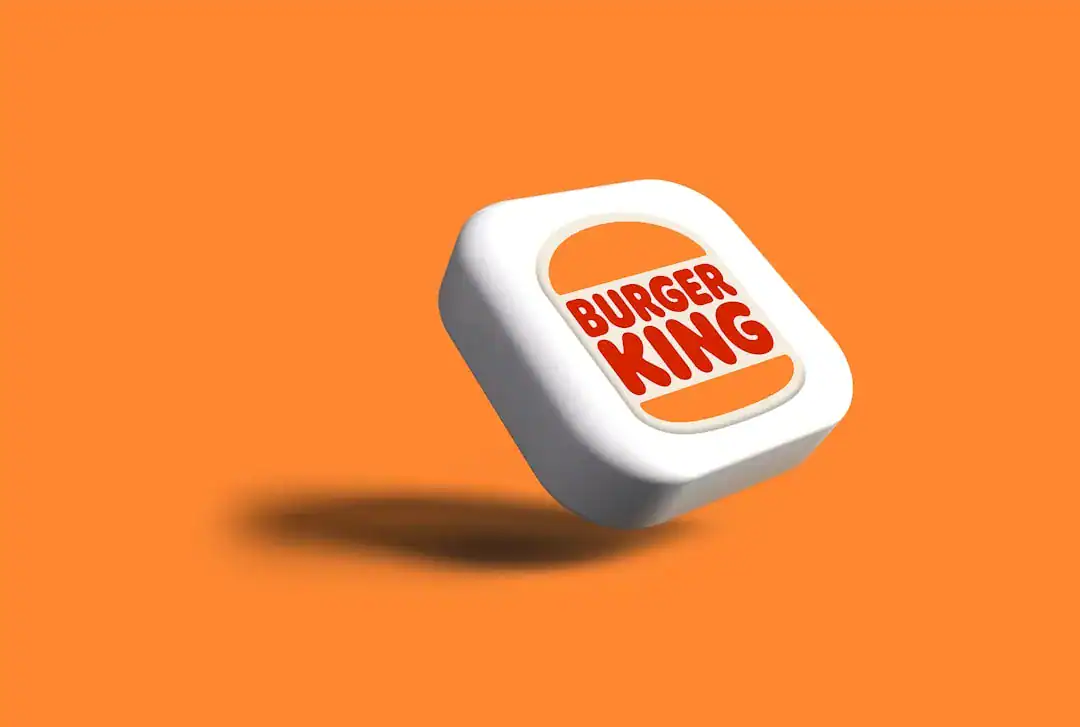
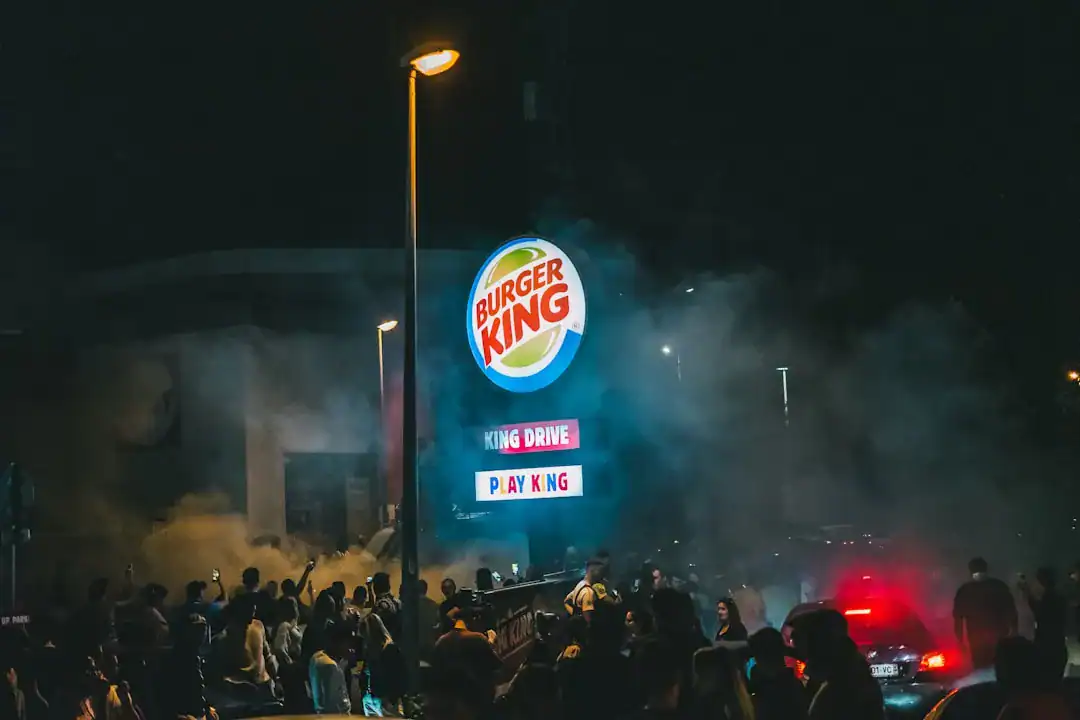
The 1999 Burger King logo, with its tilted axis, shiny plastic textures, and blue swoosh, was a product of its time. It screamed “speed” and “modernity” in an era obsessed with the new millennium. However, looking back, that design often felt artificial and disconnected from the actual food. The 2021 rebrand stripped away these effects, returning to the classic “buns and text” composition used between 1969 and 1994. I honestly think this was a necessary correction. The previous logo felt like an energy drink label; the new one feels like a burger joint.
This shift to flat design isn’t just an aesthetic preference; it is a functional requirement for the digital age. Complex gradients and 3D effects turn into muddy blobs when shrunk down to the size of a Twitter avatar or a mobile app icon. By flattening the design, the brand ensures legibility across every touchpoint, from a giant billboard to a smartwatch notification.
Why flat design wins in the 2020s:
- Scalability: Vector shapes remain crisp at any resolution.
- File Size: Simpler SVGs load faster on slow mobile networks.
- Reproduction: Cheaper and easier to print on uniforms and paper bags.
According to design industry analysis, the “blue swoosh” was originally intended to symbolize speed, but over time, it became noise that distracted from the core product. By removing it, the brand refocused entirely on the burger itself.
Actionable Advice: Audit your current logo by shrinking it to 16×16 pixels. If the details blur into an unrecognizable smudge, it is time to simplify. Focus on strong silhouettes rather than complex textures.
Leveraging Nostalgia to Build Emotional Safety
There is a reason why seeing the “new” Burger King logo feels like a warm hug. It taps directly into our collective memory of simpler times—specifically the 70s, 80s, and 90s. Marketing experts note that nostalgia is a powerful psychological trigger, especially during periods of global anxiety (like the 2021 pandemic context of this rebrand). When the world feels chaotic, consumers retreat to brands that feel permanent and familiar.
I recall going to fast-food spots as a kid, and the design language back then was warm, inviting, and unpretentious. The rebrand captures that specific feeling. It doesn’t look like a corporate overhaul; it looks like the brand simply “woke up” and remembered who it was. This is the essence of brand heritage—using your history as an asset rather than baggage.
Key psychological triggers in this rebrand:
- Comfort: Familiar shapes reduce cognitive load.
- Trust: A “classic” look implies longevity and reliability.
- Joy: The bubbly font and warm colors evoke childhood happiness.
Data from consumer psychology studies indicates that nostalgia marketing does more than just catch the eye; it builds long-term affinity. It connects the product to positive personal memories, making the transaction feel less like a purchase and more like a reunion.
Actionable Advice: Identify your brand’s “Golden Era.” If you have been in business for a while, look at your archives. Was there a time when your customers were happiest? Modernize that aesthetic instead of inventing something entirely new.
Visual Identity as a Signal of Food Quality
One of the most subtle yet brilliant moves in this rebranding strategy was the color palette overhaul. The previous logo included a stark blue—a color that rarely exists in natural food. By eliminating the blue and doubling down on “Fiery Red,” “Flaming Orange,” and “BBQ Brown,” the brand visually aligned itself with its cooking method: flame grilling.
The custom typeface, “Flame Sans,” deserves a mention here. It is rounded, squishy, and arguably “juicy.” Typography is often overlooked, but in this case, the font itself makes you hungry. It mimics the organic shapes of food rather than the rigid lines of technology. When I look at the menu boards now, the text feels edible.
The “Mouthwatering” Palette Breakdown:
- Red & Orange: Triggers for appetite and urgency.
- Brown: Represents the grill marks and beef, signaling savory flavors.
- Cream/Off-White: Represents the bun and mayonnaise, offering a softer contrast than stark white.
Lisa Smith, a creative director involved in the project, noted in industry interviews that the goal was to make the brand look “mouthwatering.” The design elements were derived directly from the food, removing anything that felt synthetic. This visual honesty tells the customer: “We have nothing to hide; we are just about good food.”
Actionable Advice: Review your brand colors. Do they represent the reality of your product? If you sell organic coffee but your logo is neon blue, you are sending conflicting signals. Align your palette with the sensory experience of your product.
Digital First Branding for the Smartphone Era
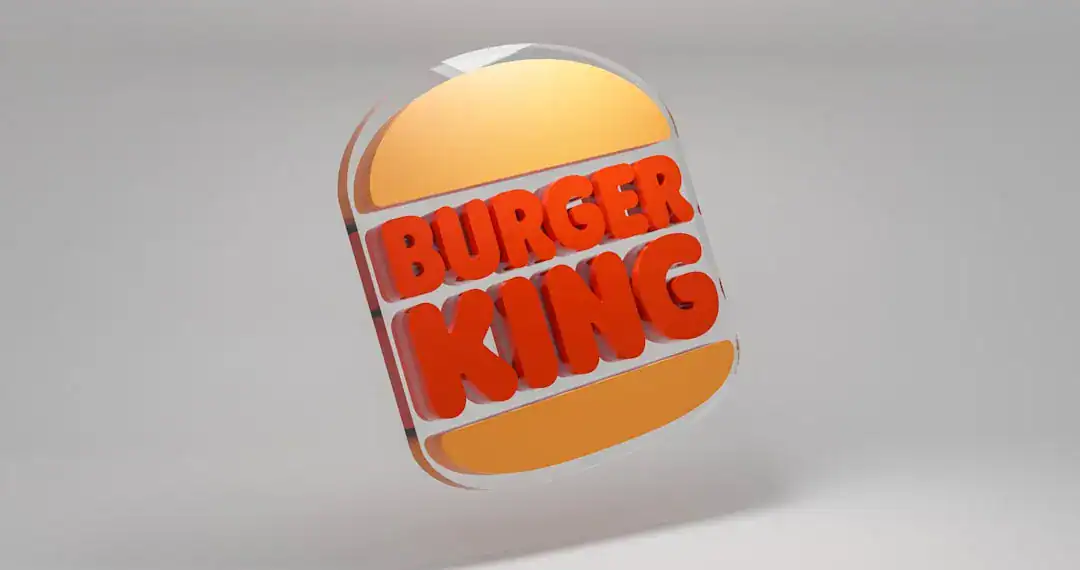
We cannot ignore the technical driver behind this change: the smartphone. The rebranding strategy was heavily influenced by the need for a “digital-first” identity. The flat, two-color logo animates beautifully. It can spin, stack, and expand in digital ads without losing clarity.
For small businesses and startups, this is a crucial lesson. You don’t need a million-dollar agency to understand that a logo must work on a screen first. Tools like Ailogocreator demonstrate how modern design principles prioritize clean lines and adaptability, allowing anyone to generate logos that follow these exact “flat and scalable” rules. The Burger King rebrand validates the efficiency of this approach.
Digital assets checklist for modern brands:
- Favicon: Must be legible at 16px.
- App Icon: Needs high contrast to stand out on a busy home screen.
- Social Avatar: Center-weighted design that fits in a circle.
Industry reports on the rebrand highlighted that the new identity was designed to move. In the digital space, a static logo is dead. The new B.K. logo behaves like a character—it bun-drops, it squishes, and it reacts. This dynamism is only possible because they stripped away the rigid 3D effects of the 90s.
Actionable Advice: When designing your logo, test it in “Dark Mode” immediately. A flat design usually handles the switch between light and dark backgrounds much better than complex 3D renderings.
Authenticity Wins Over Novelty
There is a pervasive myth in marketing that “new” is always better. Companies frequently burn down their equity to launch something “cutting edge,” only to alienate their core base. Burger King did the opposite. They admitted, visually, that they looked better in 1969. That takes confidence.
This move signals authenticity. In a market flooded with tech-inspired, minimalist sans-serif logos that all look the same (often called “blanding”), reverting to a funky, retro style helps the brand stand out. It separates them from the sterile corporate aesthetic of their competitors.
Why “Retro” signals “Real”:
- It implies history: “We’ve been here for decades.”
- It rejects trends: “We aren’t trying to look like a tech startup.”
- It feels human: Imperfect, rounded shapes feel more handmade.
Market analysis following the launch showed overwhelmingly positive sentiment. Consumers respected the brand for embracing its fun, irreverent personality rather than trying to look like a Michelin-star restaurant or a Silicon Valley disruptor.
Actionable Advice: Don’t be afraid to look backward to move forward. If your brand has a history, flaunt it. If you are new, choose a design style that conveys timelessness rather than chasing the design trend of the current month.
FAQ
Why did Burger King change its logo in 2021?
The brand wanted to align its visual identity with its improved food quality (removing preservatives) and ensure the logo looked good on digital devices. The previous 1999 logo felt outdated and artificial, while the new retro look signals authenticity and tastiness.
What is the font used in the new Burger King branding?
The custom typeface is called “Flame Sans.” It was designed specifically for the brand to look round, soft, and delicious, mimicking the organic shapes of the food ingredients.
Is flat design better for business branding?
Yes, generally. Flat design is far more versatile than 3D or complex styles. It scales better across different media, loads faster on websites, and is cheaper to print on merchandise, making it a practical choice for most businesses.
Did the rebrand improve Burger King’s sales?
While specific sales data is complex to attribute solely to a logo, the rebrand generated massive positive media coverage and renewed consumer interest. It successfully modernized the brand’s perception without alienating loyal customers.
Conclusion and Actionable Suggestions
Burger King’s return to its 70s aesthetic proves that brand heritage is a powerful tool for cutting through modern noise. By combining nostalgia with the functional benefits of flat design, they created an identity that feels both classic and cutting-edge. This rebrand teaches us that sometimes the best way to innovate is to remember who you were when you started.
Steps to apply these lessons to your business:
- Simplify for Screens: Ensure your logo is flat, scalable, and legible on a mobile phone. If it’s too complex, streamline it.
- Audit Your Colors: Remove artificial colors that don’t align with your product’s nature. Use colors that evoke the sensory experience of what you sell.
- Mine Your History: If you have a brand history, look for assets that evoke fond memories. Reviving them can build instant trust.
- Prioritize Function: Your visual identity must work in an app icon as well as it does on a storefront. Design for the smallest screen first.
- Be Authentic: Don’t chase design trends that don’t fit your personality. If your brand is fun and messy, don’t force a sterile, high-tech look.
CommentsTake the first comment