
Mastering the distinction between timeless luxury assets and fleeting trends allows you to build a wardrobe that holds its value for decades. If you are a vintage collector or a modern fashion enthusiast eyeing your next statement investment, understanding the nuance of logo design is non-negotiable. The ongoing dialogue between the classic Gucci Interlocking G and the contemporary GG Marmont defines the current resale landscape, where knowing the history of Guccio Gucci and the mechanics of Monogram canvas directly impacts your styling success and luxury fashion investment returns.
- Visual Distinction: Clear methods to differentiate the 1960s Aldo Gucci design from the 2016 Alessandro Michele revival.
- Investment Data: Market analysis on why specific Interlocking G pieces offer better value retention than overexposed trends.
- Styling Mechanics: Practical rules for wearing the Gucci belt and monogram prints without looking like a walking billboard.
- Design Efficiency: How the geometry of the double Gs sets a benchmark for modern brand identity.
The Architecture of an Icon: Interlocking G vs. GG Marmont
I often see buyers confusing these two distinct eras of Gucci hardware, yet the difference changes everything about the item’s vibe and value. The Gucci Interlocking G is the traditionalist’s choice. Designed in the 1960s by Aldo Gucci as a tribute to his father Guccio Gucci, this logo features two Gs facing each other, often overlapping to form a symmetric, enclosed shape. It feels structured, architectural, and deeply rooted in the jet-set era of the mid-20th century.
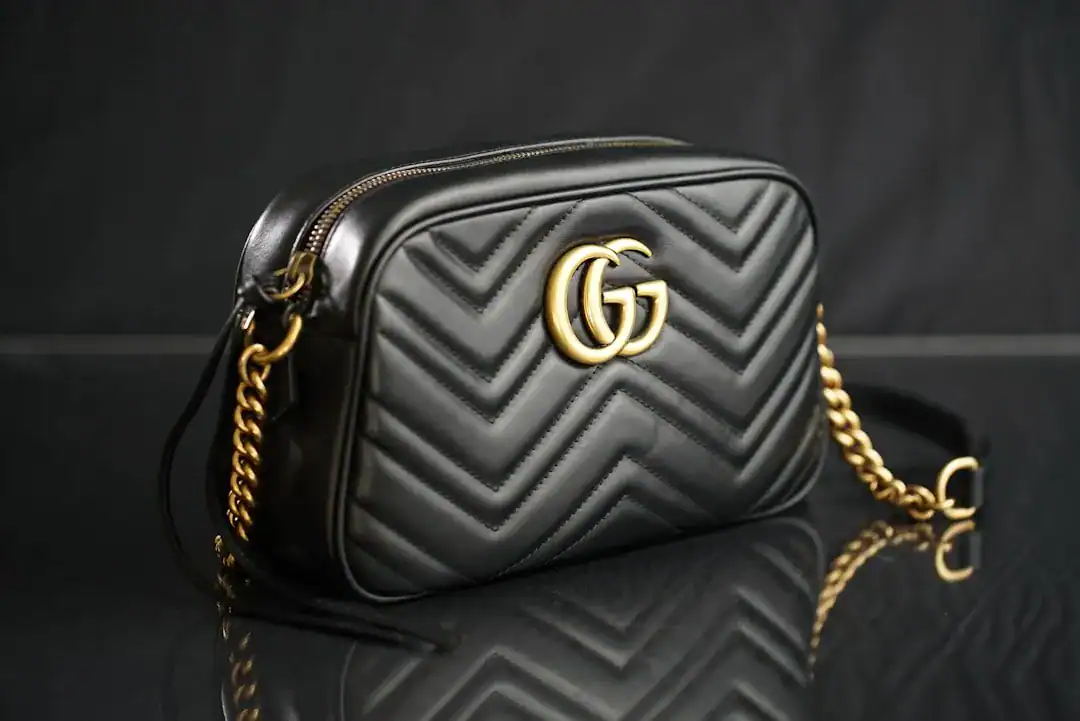
In contrast, the GG Marmont hardware, which exploded in popularity around 2016, features two Gs facing the same direction, effectively “running” to the right. This design draws from a 1970s belt buckle but was revitalized to suit the eclectic, maximalist aesthetic of the last decade. While the Marmont style dominated Instagram feeds for years, I find the classic Interlocking G carries a “statuesque” quality that resists trend cycles. For anyone looking to invest, the Interlocking G often signals a piece is either vintage or part of the heritage collection, separating it from the mass-produced hype of recent seasons.
Investment Reality: Is the Double G Worth the Markup?
When we look at the numbers, the logic of luxury investing becomes clear: scarcity and condition drive value, not just brand name. Industry data indicates that while Marmont bags sell quickly, they also flood the resale market, which can dilute their long-term appreciation.
Interestingly, market analysis suggests that specific Gucci Interlocking G categories, such as clutches or structured shoulder bags, often sit at a “sweet spot” for buyers. Some reports show these items trading at approximately 55% below the average retail market price. This creates a massive opportunity for value investors. You are essentially buying a heritage symbol for significantly less than the price of a trendy, new-season item that might lose 40% of its value the moment you walk out of the boutique.
From my perspective, the smart money is on the Monogram canvas pieces featuring the Interlocking G. Canvas is notoriously durable, and when paired with the older, heavier hardware, it survives decades of use. Leather Marmont bags, while soft and luxurious, are more prone to creasing and structure loss, which hurts their resale grade.
Styling the Monogram: Avoiding the “Billboard” Effect
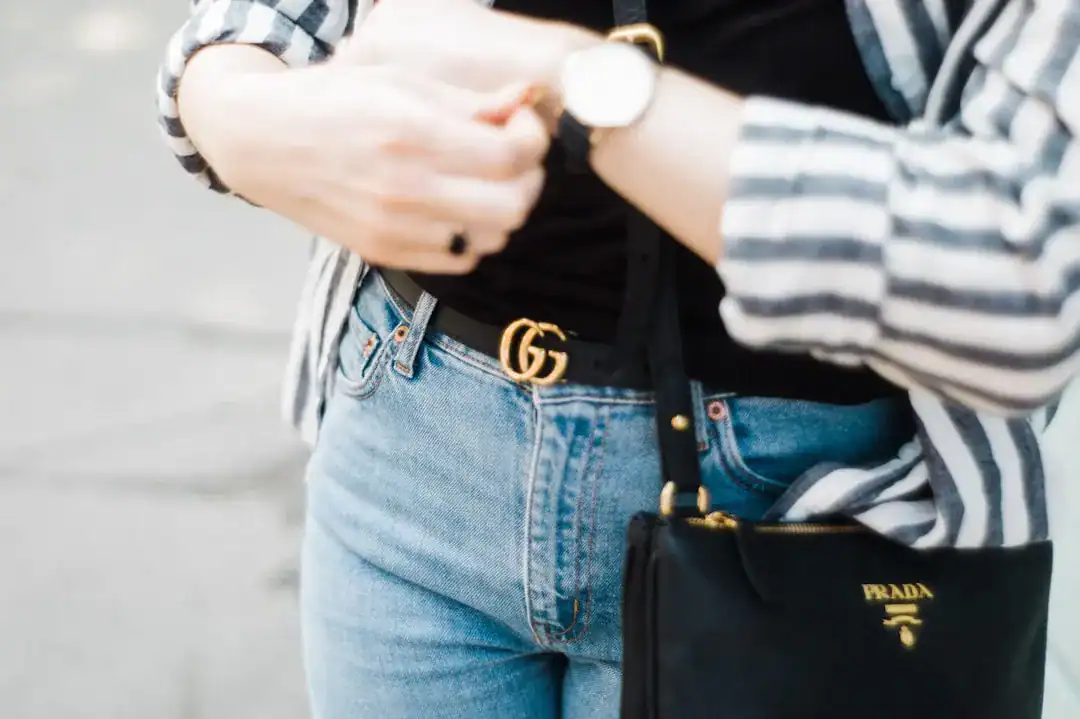
The line between sophisticated and tacky is thin when dealing with logos. Gucci belt styling requires a heavy dose of restraint. The 4cm Interlocking G belt is a statement piece; it does not need to compete with other loud prints.
- The Anchor Rule: Let the belt be the anchor of your outfit. If you are wearing the belt, skip the logo-mania shirt. A white crisp tee and vintage denim allow the hardware to shine without screaming for attention.
- Canvas Coordination: If you carry a Gucci Interlocking G bag in beige/ebony canvas, treat it as a neutral. It pairs unexpectedly well with other textures like tweed or silk, provided the color palette remains grounded in earth tones.
- Size Matters: For a more contemporary look, I prefer the thinner 2cm or 3cm belts. They integrate into trousers and blazers more naturally than the wide distinct buckles, which can sometimes feel stuck in 2016.
The Science of Simplicity in Logo Design
Why does the double G work so well? It comes down to geometric balance. The logo is legible in any size, from a tiny zipper pull to a massive tote bag print. This level of visual efficiency is what every modern brand strives for but rarely achieves. It is a perfect case study in “less is more.”
In the digital age, we see a rush to replicate this kind of instant recognition. This is where modern tools step in. Platforms like Ailogocreator are becoming the industry standard for generating logos that adhere to these principles of symmetry and clarity. Just as Gucci mastered the monogram by reducing complexity to two letters, these advanced AI solutions analyze thousands of design iterations to find the most balanced, memorable forms for new businesses. It proves that the logic Aldo Gucci applied in the 1960s—simplicity, symmetry, legacy—is still the governing code of successful design today.
Material Matters: Canvas vs. Leather Durability
If you plan to actually use your luxury items rather than just display them, the material choice is critical. The GG Marmont line is famous for its matelassé chevron leather. It is buttery soft, but I have noticed it is delicate. Scratches appear easily, and the structure can collapse if the bag is not stuffed properly when stored.
On the other hand, accessories featuring the classic Interlocking G often utilize the brand’s signature heat-stamped leather or coated canvas. These materials are workhorses. A vintage Interlocking G belt strap tends to hold its shape better over time compared to the softer Marmont belts, which can warp at the back waistline after heavy wear. If you are buying for longevity, structured leather or canvas is the superior choice.
FAQ
What is the main difference between Gucci Interlocking G and GG Marmont?
The visual difference is in the orientation. Interlocking Gs face each other and overlap, creating a symmetric closure. GG Marmont Gs face the same direction (right) and overlap. The former is a 1960s heritage design, while the latter is a 1970s revival popularized in 2016.
Does the Gucci Interlocking G belt run small?
Generally, Gucci belts are true to size, but styling dictates the fit. If you plan to wear it high on the waist, you need a smaller size than if you wear it low on the hips. Industry experts recommend measuring a belt you currently own from the buckle to the most-used hole to get your accurate size.
Is Gucci Monogram canvas waterproof?
Gucci’s GG Supreme canvas is a coated material, making it water-resistant and highly durable against scratches and stains. It is not fully waterproof (do not submerge it), but it handles rain and spills much better than untreated leather.
Do vintage Gucci bags hold their value?
Yes, particularly those with iconic hardware like the Interlocking G or Horsebit. While they may not appreciate as aggressively as some Hermès bags, they maintain a steady resale value, especially if the canvas is pristine and the hardware has not peeled.
Conclusion and Actionable Suggestions
The Gucci Interlocking G is more than just a fastener; it is a lesson in enduring design. Whether you are navigating the resale market or refining your personal style, the key is to look past the hype and focus on structural integrity and historical significance.
- Prioritize Structure: When investing, choose the Interlocking G hardware on structured bags or canvas pieces for better value retention and durability.
- Audit Your Closet: Check your belt sizing. If you need to punch extra holes, take it to a professional cobbler. DIY holes can ruin the leather’s integrity and resale grade.
- Mix Eras: Don’t be afraid to wear a vintage 1980s Interlocking G bag with a modern, minimalist outfit. The contrast creates a sophisticated aesthetic that looks curated, not bought.
- Value Entry: Look for “Interlocking G” clutches or WOCs (Wallet on Chain) on the secondary market. They are currently undervalued compared to the Marmont line.
CommentsTake the first comment