
A truly iconic logo does not just identify a brand; it creates a shared space where the creator and the community meet. If you are a brand strategist, designer, or a fan interested in the mechanics of visual storytelling, understanding the architectural logic behind the BTS logo offers a blueprint for building emotional loyalty. The transition from a literal bulletproof vest to the abstract “Beyond The Scene” doorway marks a defining moment in pop culture history, perfectly blending BTS logo meaning with fan engagement strategies.
- Strategic Evolution: How the brand shifted from defensive protection to progressive action.
- Dual Symbolism: The inverse relationship between the BTS and BTS ARMY logo.
- Visual Mechanics: How simple trapezoids create a narrative of connection.
- Community Building: The role of brand identity symbolism in fostering global fandom.
From Vest to Vortex: The 2017 Identity Shift
The visual transformation that occurred in July 2017 was not just a cosmetic update; it was a philosophical maturation. I recall the original 2013 logo—a literal bulletproof vest. It was gritty, direct, and specifically designed to represent “Bangtan Sonyeondan” (Bulletproof Boy Scouts), signifying the deflection of societal prejudice. However, a brand that intends to grow must eventually shed its literal skin for something more metaphorical.
The 2017 rebrand, executed by the Korean design firm Plus X, introduced the “Doorway” concept. This shift moved the narrative from “blocking out the world” (protection) to “opening up to the world” (progression). The logo became a set of doors opening outward. This change signaled that the group was no longer just surviving adolescence but was now ready to shape the future.
Core Analysis of the Shift:
- Old Identity: Defensive, literal, focused on resistance.
- New Identity: Offensive (in a positive sense), abstract, focused on growth and “Beyond The Scene.”
Industry Insight: According to design analysis from Plus X and Big Hit Entertainment, the new identity symbolizes youth who do not settle for their current reality but open the door to move forward.
Actionable Suggestion: When rebranding, ask if your current symbol represents where you were or where you are going. Choose symbols that allow for future narrative expansion rather than locking you into a specific product or era.
The Inverse Mechanism: BTS and ARMY Logos
The most brilliant aspect of this identity system is the symbiotic relationship between the artist’s logo and the fan’s logo. Most brands treat fan logos as an afterthought, but here, the BTS ARMY logo is the structural inverse of the group’s mark.
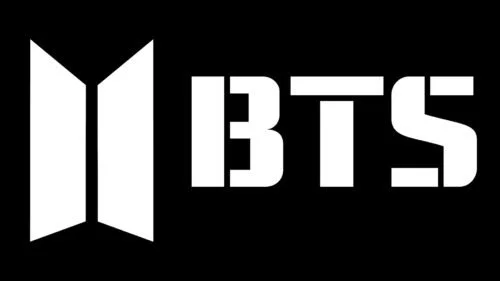
I view this as a dialogue in geometry. The BTS logo consists of two trapezoids symbolizing doors opening outward—stepping into the light. The ARMY logo features two trapezoids representing doors opening inward—waiting to welcome the members. When you place the ARMY logo on top of the BTS logo, they fit together perfectly to form a solid shield.
Visual Dynamics:
- Separation: Represents the longing and the journey toward each other.
- Union: Represents the complete “Bulletproof” entity.
- Perspective: BTS looks out; ARMY looks in.
This duality creates a psychological hook. It tells the fans, “We are incomplete without you.” Industry reports on fan engagement suggest that giving a community its own visual identity that visually locks into the core brand increases emotional ownership significantly.
Actionable Suggestion: Design for the “other half.” Create visual assets for your community that complement your primary branding, making your audience feel like an integral part of the whole picture.
Visual Storytelling Through Negative Space
Minimalism often risks becoming generic, but the BTS logo meaning thrives on what is not there. The negative space between the two trapezoids is arguably as important as the shapes themselves. This slit of light represents the threshold—the “Doorway” itself.
In the animation released during the reveal, we see light pouring through this gap. It visualizes the transition from darkness to light, or from uncertainty to clarity. This aligns with the “Beyond The Scene” narrative. The logo is not a static object; it is a freeze-frame of an action. It captures the exact moment of decision when one chooses to open a door.
Key Elements of the Design:
- The Shape: Simple trapezoids that scale easily across merchandise and digital platforms.
- The Light: The gap implies a light source from the other side, suggesting hope.
- The Angle: The slight perspective suggests depth and movement, not a flat wall.
Data from branding experts indicates that logos with “active” negative space tend to have higher recall rates because the brain automatically tries to “solve” the image.
Actionable Suggestion: Use negative space to imply movement or a hidden meaning. It invites the viewer to look closer and engage intellectually with the design.
Resonance: The Meeting Point of Brand and Fan
The reason this logo resonates so deeply is that it creates a specific “place” for the fandom. The “Doorway” is a meeting point. In the reveal video, the phrase “See you there” appeared, implying that the logo is a destination.
I argue that this moves brand identity symbolism from a label to a location. Fans don’t just wear the logo; they “enter” the world it represents. This effectively turns the brand into a platform for shared experience. The consistency of this visual language across albums, concert stages, and merchandise reinforces the idea that every interaction is a step through that door.
Impact on Engagement:
- Unity: Fans identify the symbol as a safe space.
- Ritual: The act of “opening the door” became a metaphor for joining the fandom.
- Longevity: The abstract nature allows the logo to age well, unlike the specific bulletproof vest.
Actionable Suggestion: Frame your brand symbol as a portal. What experience or feeling does the customer enter when they engage with your icon? Define that destination clearly in your marketing.

Efficiency in Modern Identity Creation
Creating a logo that balances deep narrative with geometric simplicity is a complex challenge. The BTS logo succeeds because it strips away everything unnecessary, leaving only the core message of connection. In the fast-paced digital landscape, clarity is the currency of attention.
For creators and marketers today, achieving this level of professional abstraction usually requires expensive agencies. However, technology has democratized this capability. Advanced tools now allow users to experiment with geometric relationships and negative space rapidly. Platforms like Ailogocreator provide an efficient way to iterate on minimalist concepts that carry weight. By testing different symbol pairings and spatial arrangements, you can find that “locking” mechanism—similar to the BTS/ARMY dynamic—without needing a six-month agency retainer.
Benefits of Iterative Design:
- Speed: Rapidly prototype “inverse” or “complementary” shapes.
- Variety: Test how logos look when stacked or separated.
- Precision: Fine-tune the “negative space” to ensure the visual metaphor lands correctly.
Actionable Suggestion: Don’t settle for the first draft. Use modern tools to generate variations of your core concept, looking specifically for shapes that interact with each other in interesting ways.

FAQ
What is the true meaning of the BTS doorway logo?
The logo represents “Beyond The Scene.” It symbolizes youth who refuse to settle for their current reality and instead open the door to move forward toward growth and new opportunities.
How does the ARMY logo connect to the BTS logo?
The ARMY logo is the inverse of the BTS logo. While the BTS symbol represents doors opening outward, the ARMY symbol represents doors opening inward. When stacked, they form a complete shield, symbolizing the unbreakable bond between the group and the fans.
When did BTS change their logo from the vest to the doors?
BTS officially unveiled the new brand identity on July 5, 2017. This rebrand included the new logo and the extended meaning of “Beyond The Scene” to their English name.
Why is visual storytelling important for the BTS brand?
Visual storytelling allows BTS to communicate complex themes of growth, mental health, and connection without words. The logo acts as an anchor for these themes, making the brand narrative cohesive across different albums and eras.
Who designed the current BTS logo?
The rebranding project was conducted by the renowned Korean design consultancy Plus X, in collaboration with Big Hit Entertainment (now HYBE).
Conclusion and Actionable Suggestions
The BTS logo stands as a premier example of how to align visual identity with brand philosophy. It proves that a logo should be a vessel for a story, not just a stamp of ownership. By transforming a static image into an active doorway, BTS invited millions to walk through it.
For your own brand strategy, consider these steps:
- Audit Your Metaphors: Does your logo tell a story of where you have been, or where you are going? Ensure it speaks to the future.
- Design for Duality: Create a secondary symbol for your community or customer base that visually locks into your main logo.
- Activate Negative Space: Use the empty space in your design to hide a meaning or imply a pathway.
- Simplify for Scale: Remove literal elements (like the vest) in favor of geometric abstractions that are easier to reproduce and harder to age out of.
- leverage Modern Tools: Use efficient platforms like Ailogocreator to test narrative-driven designs quickly, ensuring your visual identity keeps pace with your brand’s growth.
CommentsTake the first comment