
Mastering the subtle art of typography does more than make your designs look pretty; it directly influences how users perceive the credibility and personality of your brand. If you are a designer, marketer, or entrepreneur trying to establish a visual identity, understanding the mechanical and psychological differences between font families is non-negotiable. This guide cuts through the noise to explain the distinct roles of Serif vs Sans Serif, Slab Serif fonts, and Decorative typefaces, helping you make decisions based on Typeface anatomy and Font readability.
- Why Serif fonts build trust while Sans Serif signals modernity.
- The structural power of Slab Serif fonts in headlines and logos.
- How to use Decorative typefaces without sacrificing legibility.
- Practical tips for navigating vast libraries like Adobe Fonts.
The Classic Rivalry: Serif vs Sans Serif
The debate between Serif vs Sans Serif is the oldest conversation in typography, yet I still see seasoned professionals misusing them. The distinction lies entirely in the “feet” or “tails” of the letters.
The Authority of the Serif
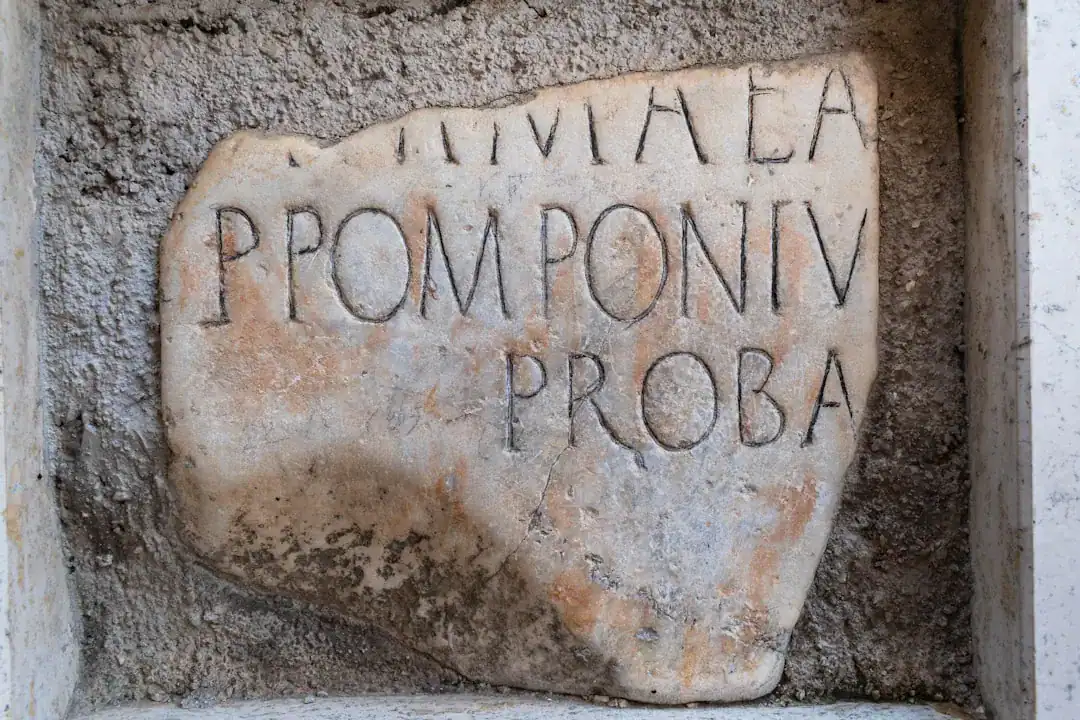
A serif is that small decorative line or taper attached to the end of a stroke. Historically, these fonts date back to Roman carvings, where the brush flared at the end of a stroke before the chisel cut the stone. Because of this lineage, Serif fonts naturally convey authority, tradition, and reliability.
When I look at Typeface anatomy, Serifs often feature varying stroke widths—thick and thin lines that guide the eye horizontally. This makes them exceptional for long-form print reading, like books or newspapers. Sub-categories like “Old Style” (e.g., Garamond) or “Modern” (e.g., Bodoni with its high contrast) offer different flavors of sophistication. If you want your brand to feel established and expensive, you start here.
The Efficiency of Sans Serif
“Sans” literally means “without” in French. These fonts lack the decorative feet and usually feature monoline strokes (where the width is consistent). They exploded in popularity during the 20th century with the rise of modernism and Bauhaus design.
Sans Serif fonts are the workhorses of the digital age. Their clean lines render perfectly on low-resolution screens where small serifs might blur. I find them indispensable for UI design, app interfaces, and brands that want to appear approachable, tech-forward, or minimal. They don’t demand attention; they simply deliver information efficiently.
The Heavy Hitter: Slab Serif Fonts
If Serif is the sophisticated professor and Sans Serif is the tech entrepreneur, Slab Serif fonts are the loud construction workers of the typography world. Also known as “Egyptian” fonts, they emerged in the early 19th century—specifically around 1817 with Vincent Figgins’ “Antique”—to shout from advertising posters in London.
Characteristics and Usage
Slab Serif fonts are defined by their thick, block-like serifs. Unlike the delicate tapers of a Times New Roman, a Slab serif (like Rockwell) has serifs that are often as thick as the main strokes of the letter itself. They feel geometric, industrial, and incredibly sturdy.
I love using Slabs for headlines or logos where impact is the goal. They have a specific “retro-modern” vibe that works well for outdoor brands or bold tech startups. However, be careful with body text; their heavy visual weight can ruin Font readability if used in dense paragraphs.
If you are currently prototyping a brand identity and want to see if a heavy Slab suits your business name better than a clean Sans, you need to test them side-by-side. Tools like Ailogocreator are efficient solutions for visualizing how these different font categories alter the mood of a logo instantly, allowing you to validate your choice before committing.
The Wild Card: Decorative Typefaces
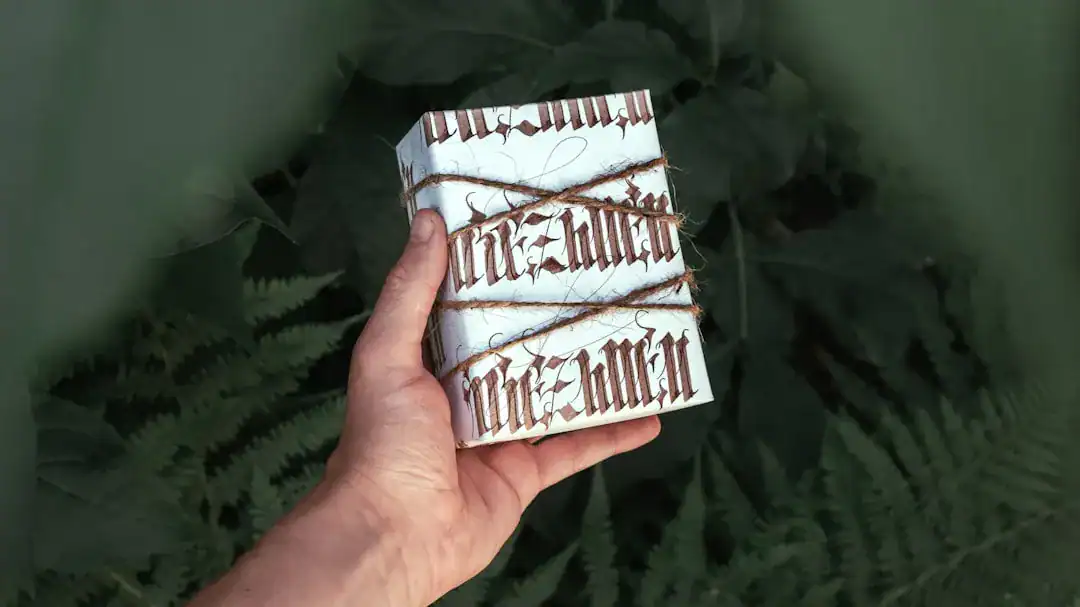
Decorative typefaces (often called Display fonts) are the rule-breakers. This category includes scripts, handwritten styles, distressed fonts, and anything designed purely for aesthetic impact rather than information transfer.
The Trap of Overuse
The biggest mistake I see beginners make is falling in love with a Decorative font and trying to use it for everything. These fonts are like strong spices—great for a garnish, terrible as a main course. They are designed to evoke a specific emotion: elegance, horror, whimsy, or grunge.
Because their Typeface anatomy often prioritizes shape over clarity (exaggerated swirls, inconsistent kerning), they fail miserably at small sizes. Use them strictly for:
- Logo wordmarks.
- Short headlines (3-5 words max).
- Event invitations.
Never use a Decorative script for a product description or a blog post body. You will lose your reader in seconds.
Decoding Typeface Anatomy for Better Selection
To truly distinguish between these styles, you need to look closer at the letters. Understanding the terminology helps you explain why a font feels “wrong” or “right” for a project.
- Stroke Contrast: This refers to the difference between the thickest and thinnest parts of a letter. High-contrast fonts (like Didot) look luxurious but disappear at small sizes. Low-contrast fonts (like most Slabs) are readable and punchy.
- x-height: This is the height of the lowercase “x” relative to the capital letters. I always check this for web design. Fonts with a tall x-height are generally more readable on mobile screens because the letters feel more open.
- Terminal: This is the end of a stroke that doesn’t have a serif. In Sans Serif fonts, the shape of the terminal (rounded vs. square) completely changes the personality from friendly to rigid.
Navigating Libraries like Adobe Fonts
When you open a massive library like Adobe Fonts, the sheer volume of choices can be paralyzing. Instead of scrolling alphabetically, use the classification filters based on the categories we discussed.
Most professional libraries split Serifs into “Old Style,” “Transitional,” and “Modern.” They often separate “Geometric Sans” (circles and straight lines) from “Humanist Sans” (which has a bit of a handwritten feel).
My advice is to stop looking for a “nice” font and start looking for a functional match. Ask yourself:
- Is this for print or screen? (Leans toward Serif vs Sans).
- Does it need to be read at a distance? (Consider a Slab or a bold Sans).
- What is the emotional vibe? (Decorative for mood, Serif for trust).
FAQ
Q: Can I mix Serif and Sans Serif fonts in one design?
A: Absolutely. In fact, it is one of the best ways to create visual hierarchy. A common pairing is a bold Sans Serif for the headline (for impact) and a clean Serif for the body text (for long-reading comfort). The contrast helps the reader navigate the page.
Q: Are Serif fonts really harder to read on screens?
A: This used to be true in the early days of the internet when screen resolutions were low. Today, with high-density Retina displays, Serif fonts render beautifully. However, for very small UI text (like button labels), a simple Sans Serif is still the safer, more legible choice.
Q: What is a “Humanist” Sans Serif?
A: A Humanist Sans Serif has stroke variations that mimic human handwriting, making it feel warmer and friendlier than a Geometric Sans. If your brand wants to appear approachable but modern, a Humanist Sans is a great middle ground.
Q: Why should I avoid Decorative fonts for body text?
A: Font readability relies on pattern recognition. Your brain recognizes familiar letter shapes to read quickly. Decorative fonts distort these shapes, forcing the brain to work harder to decipher each letter, which causes eye strain and leads to the reader abandoning the text.
Conclusion and Actionable Suggestions
Choosing the right typeface is about balancing function with emotion. It is not enough to just pick what looks “cool”; you must consider how the anatomy of the font serves the user’s experience.
- Audit your current usage: Check if you are using high-contrast Serif fonts in places where they become unreadable, like small footer text.
- Pair with purpose: Combine one strong header font (Slab or Bold Sans) with one neutral body font (Serif or Clean Sans). Never use two Decorative fonts together.
- Test on mobile: A font that looks elegant on a 27-inch monitor might become invisible on an iPhone. Always check the x-height.
- Use Slabs for branding: If you need a logo that stands out in a crowded social media feed, experiment with Slab Serif fonts for that extra visual weight.
- Respect the mood: Don’t use a comic-style Decorative font for a law firm, and don’t use a rigid Industrial Sans for a bakery. Match the personality to the industry.
CommentsTake the first comment