
Understanding the psychology behind typography and color can transform a simple brand mark into a cultural icon that resonates across generations. If you are a fashion entrepreneur or a graphic designer aiming to capture a feminine audience, analyzing the synergy between cursive typography and bold color palettes is essential. The recent explosion of the Barbiecore aesthetic has proven that the combination of Barbie Pink and a vintage Barbie script logo is not just child’s play—it is a masterclass in feminine logo design.
Here are the key dynamics driving this phenomenon:
- The strategic return to the 1959 original script taps into deep emotional nostalgia.
- Barbie Pink functions as a psychological trigger for energy and unapologetic femininity.
- Y2K fashion trends have accelerated the demand for playful, handwritten typography.
- Script fonts communicate personal identity and movement in a way sans-serif fonts cannot.
The Resurrection of the 1959 Script: A Design Statement
I find it fascinating that after decades of modernization and tweaking, the Barbie brand decided to look backward to move forward. The current logo is essentially the original 1959 design—a handwritten, cursive typeface that screams elegance and whimsy. This wasn’t a lazy choice; it was a calculated move to reclaim the brand’s heritage.
In the world of feminine logo design, the pendulum often swings between minimalism and ornamentation. For years, brands flattened their logos, stripping away personality in favor of sterile sans-serif fonts. Barbie bucked this trend. By reviving the Barbie script logo, the brand re-established a sense of human touch. The uneven baseline and the looping “B” suggest a signature, implying that the brand has a distinct personality rather than being a faceless corporation.
Industry analysis suggests that this return to “retro” branding helps anchor consumers during uncertain times. When we see a familiar script from our childhood, it triggers a sense of safety and joy. For modern brands, the lesson is clear: do not be afraid to embrace ornamental typography if it tells a story of legacy and character.
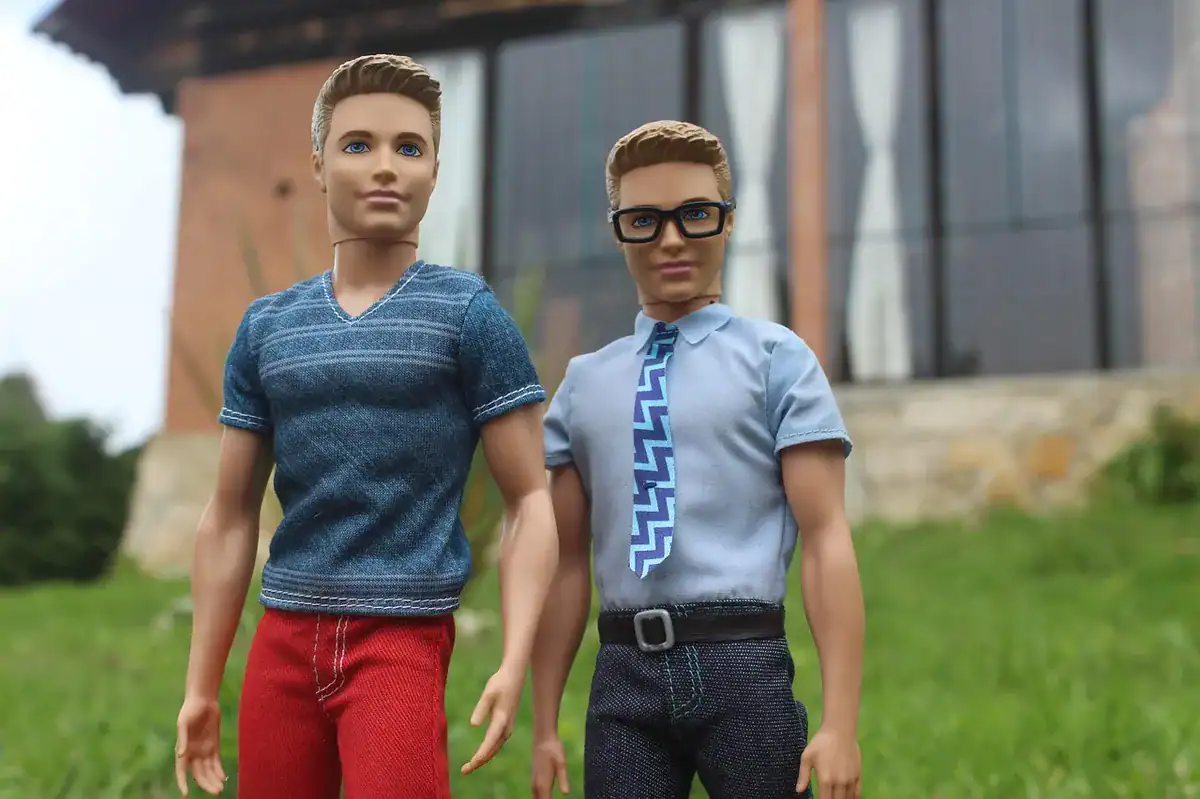
Decoding the Power of Barbie Pink
Color is never accidental. The specific shade known as Barbie Pink (often identified near Pantone 219C) is aggressive, vibrant, and impossible to ignore. It contradicts the traditional, soft pastel pinks often associated with passivity. This pink commands attention.
The Barbiecore aesthetic is built entirely around this color’s ability to dominate a visual space. In fashion marketing, using such a high-saturation color creates an immediate association with energy and youth. When I look at the history of the brand, the pink wasn’t just about gender coding; it was about shelf presence. In a toy aisle filled with clutter, that electric pink cut through the noise.
Today, this color has evolved into a symbol of female empowerment and “hyper-femininity.” It allows women to reclaim “girly” aesthetics without feeling diminishing. For designers, utilizing a bold, saturation-heavy pink can signal confidence. It says, “I am here, and I am not apologizing for being feminine.”
Y2K Nostalgia and the Hunger for Playful Type
The resurgence of the Barbie script logo coincided perfectly with the comeback of Y2K fashion. We are currently living through a massive wave of 2000s nostalgia, characterized by rhinestones, baby tees, and, crucially, bubblegum aesthetics.
Post-pandemic consumer behavior shows a strong craving for comfort and simpler times. The early 2000s, viewed through rose-tinted glasses, represent a pre-social media pressure cooker era (or at least, a different kind of pressure). Y2K fashion celebrates excess and fun. The script logo fits this vibe perfectly because it feels custom and expressive, unlike the rigid tech logos of the 2010s.
Brands targeting Gen Z are adopting cursive typography because it feels authentic and “anti-corporate.” It mimics the doodles in a high school notebook. If you are building a brand in the fashion or beauty space, tapping into this nostalgic vein—where logos feel like signatures or graffiti—can create an instant emotional bond with your audience.
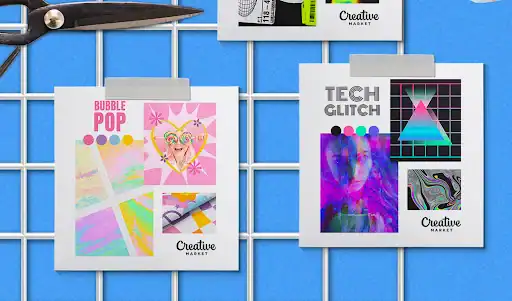
The Mechanics of Movement in Cursive Typography
Why does cursive work so well for fashion? It comes down to movement. Unlike static block letters, script fonts guide the eye horizontally across the page, mimicking the flow of fabric or a model on a runway. The Barbie script logo features letters that bounce and connect, suggesting a dynamic, living entity.
This “aspirational” quality was part of the original design intent. Ruth Handler wanted a doll that represented an adult woman with a career and a life, not a baby. The sophisticated script reflected that maturity. In modern branding, cursive typography implies creativity and freedom. It suggests that the brand is fluid and adaptable.
Creating a balanced script logo is technically challenging. The connections between letters need to feel natural, not forced. For designers who want to test how different handwritten styles affect brand perception, using efficient tools is smart. Platforms like Ailogocreator allow you to experiment with various cursive and script interpretations rapidly, helping you visualize how a “signature-style” logo might look before committing to a final custom typography.
From Toy Brand to Monoculture Icon
The ultimate achievement of the Barbie brand is its transition from a toy on a shelf to a “monoculture” icon. The logo is now a fashion staple, worn by people who might not even buy the dolls. This is the power of consistent aesthetic enforcement.
When a brand strictly adheres to a visual language—in this case, the specific pink and the specific script—it becomes a lifestyle. High-fashion houses like Moschino have licensed the imagery, proving that feminine logo design can transcend its original category. The logo itself has become a pattern, a badge of honor.
This phenomenon teaches us that consistency builds equity. You cannot change your visual identity every two years and expect to build a culture. The Barbiecore aesthetic works because it is relentless. It surrounds the consumer with a cohesive world of pink and script, making the brand feel like a tangible place you can visit, rather than just a product you buy.
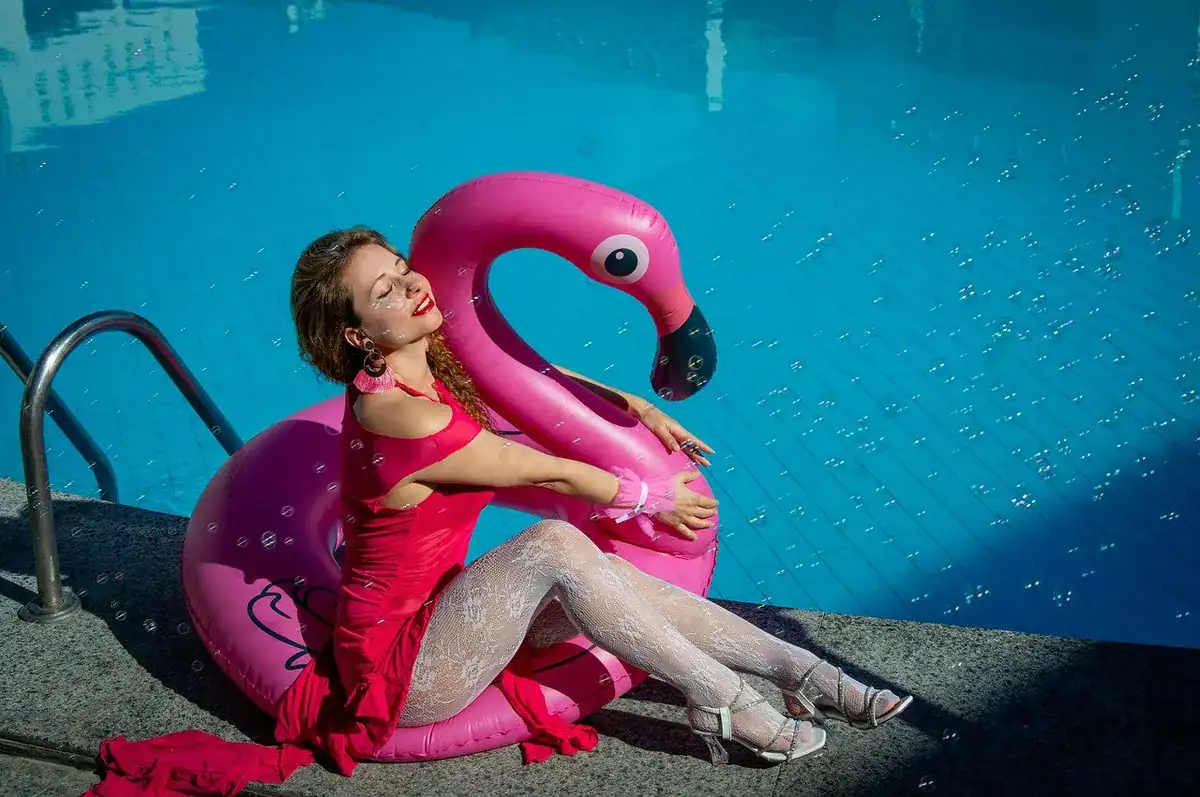
Conclusion and Actionable Suggestions
The magic of the Barbie aesthetic lies in its unapologetic embrace of femininity through bold color and expressive typography. It proves that “girly” design elements can be powerful commercial tools when executed with confidence and consistency. The script logo is not just a name; it is an autograph of a cultural giant.
If you are developing a brand identity in the fashion or lifestyle sector, consider these steps:
- Audit your typography: Does your font convey emotion and movement, or is it too static? Consider testing cursive typography for a more personal touch.
- Own your color: Don’t just pick “pink.” Pick a specific, saturated shade that commands attention and stick to it across all touchpoints.
- Leverage nostalgia: Look at design trends from 20-30 years ago (like Y2K fashion) to see what emotional triggers you can pull for your current audience.
- Prioritize consistency: Build a visual world, not just a logo. Ensure your font and color are used repetitively to build a “monoculture” feel around your brand.
- Balance heritage with modernity: If you have a brand history, use it. Reviving vintage elements often feels more authentic than inventing new ones.
FAQ
Why did Barbie return to the original 1959 script logo?
The brand returned to the original script to tap into nostalgia and reclaim its heritage. The cursive font represents elegance and a personal “signature” touch that resonates with both original fans and the current retro-obsessed market.
What exactly is the Barbiecore aesthetic?
Barbiecore aesthetic is a fashion and design trend characterized by an explosion of hot pink (specifically Barbie Pink), hyper-feminine silhouettes, and retro influences from the 1980s, 90s, and early 2000s. It celebrates fun, glamour, and confidence.
How does cursive typography influence brand perception?
Cursive or script typography implies creativity, elegance, and a human connection. Unlike rigid sans-serif fonts, script mimics handwriting, making a brand feel more personal, approachable, and dynamic.
Why is Barbie Pink considered a symbol of empowerment?
Historically, pink was dismissed as merely “pretty.” However, the vibrant, aggressive shade used by Barbie reclaims the color as a symbol of visibility, ambition, and unapologetic femininity, challenging the idea that “girly” means weak.
CommentsTake the first comment