
Switching to a classic serif typeface is the single most effective design change you can make to subconsciously validate your brand’s expertise before a client reads a single word. If you are a consultant, financial advisor, or luxury retailer aiming to command respect, ignoring the psychological weight of typography is a costly mistake. While many startups flock to minimalist sans-serifs, savvy leaders understand that Serif typefaces like Garamond and Baskerville are the true engines of Brand authority and Font psychology.
- Trust Mechanics: Why our brains interpret serifs as “verified” information.
- The Truth Effect: How specific fonts can actually make your claims appear more credible.
- Luxury Signals: Using high-contrast styles to manufacture a sense of Luxury branding and heritage.
- Modern Execution: How to use classic fonts without looking like a dusty encyclopedia.
The Psychology of Trust: Why Serifs Win
I have seen countless rebrands fail because they tried too hard to look “friendly” and ended up looking inexperienced. In the world of Font psychology, the shape of a letter is never neutral. Serif typefaces—those with the small feet or decorative strokes at the ends of letters—carry the weight of centuries of printing history.
When a potential client sees a serif font, their brain accesses a deep-seated cultural association with academia, legal contracts, and established literature. This isn’t just about aesthetics; it is about cognitive shortcuts. Industry analysis suggests that serifs facilitate a smooth flow for the eye along a line of text, which is why they dominate long-form journalism and books.
If your goal is to project stability, a sans-serif might feel too fleeting. A serif, by contrast, implies that you are here to stay. It signals that your brand is built on a foundation of knowledge rather than just a fleeting trend.
The “Truth” Experiment: How Baskerville Persuades
If you think font choice is purely subjective, you need to look at the data surrounding Baskerville. In a famous experiment conducted by filmmaker Errol Morris for The New York Times, readers were presented with a passage about optimism and safety. The catch? The passage was randomly displayed in different fonts, including Baskerville, Comic Sans, Helvetica, and Georgia.
The results were startling. Readers who read the text in Baskerville were statistically more likely to agree with the statement and accept it as true. This phenomenon, often called the “Baskerville Effect,” suggests that this transitional serif font has a unique ability to disappear into the background. It doesn’t scream for attention; instead, it lends a quiet, authoritative gravity to the words it displays.
For a brand, this is a weapon. If you are writing a proposal or a mission statement, using a font that increases the perceived credibility of your text is a massive advantage. It is not magic; it is simply the result of a design that balances sharp precision with traditional warmth.
Luxury Branding: The High-Contrast Power Move
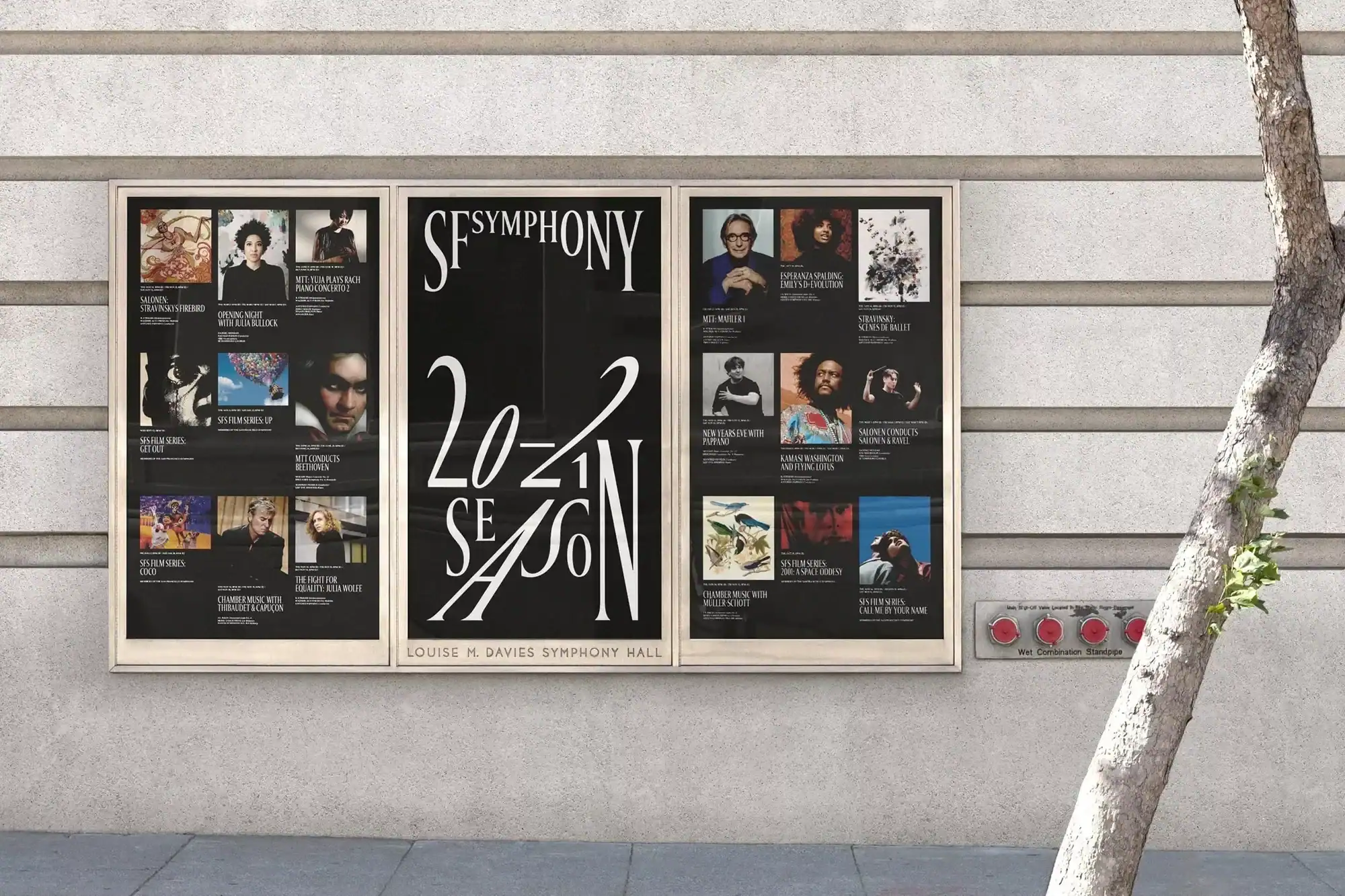
While Baskerville whispers truth, other serifs shout wealth. In Luxury branding, the strategy shifts from pure readability to high-contrast elegance. Think of the logos for Vogue, Harper’s Bazaar, or major fashion houses. They often utilize “Modern” serifs (like Didot or Bodoni) where the difference between the thick and thin lines is extreme.
This style requires excellent printing or high-resolution screens to look good, which in itself is a signal of quality. By adopting a high-contrast serif, you are implicitly telling your audience that you can afford to be delicate. You are not a utility; you are an experience.
However, a word of caution: these fonts can be hard to read at small sizes. They work best for headlines and logos where the goal is to stop the scroll and establish a premium hierarchy. They demand attention and suggest that the brand has a rich heritage, even if it was founded last week.

Garamond and the Soft Authority
Not every brand needs the sharp edge of a high-contrast serif or the sternness of Times New Roman. This is where Garamond shines. It is one of the most readable and beloved typefaces in history, known for its humanist qualities.
I often recommend Garamond to brands that want to appear authoritative but approachable. Unlike the rigid, mathematical structure of some digital-first fonts, Garamond feels organic. It looks like it was cut by a human hand. This subtle imperfection creates a sense of warmth and connection.
For coaches, educational platforms, or organic product lines, this typeface bridges the gap between “expert” and “friend.” It says, “I know what I’m talking about, but I’m also listening to you.” It avoids the cold, corporate feel that can sometimes alienate customers in the B2C space.
Avoiding the “Outdated” Trap
The danger with serifs is that if you use them lazily, your brand can look like a newsletter from 1995. The key to modernization is spacing and pairing.
A classic serif needs breathing room. Increasing the tracking (letter spacing) in a serif headline instantly makes it look more contemporary and high-end. Furthermore, pairing a heavy serif header with a clean, geometric sans-serif body text creates a visual tension that feels current.
If you are struggling to find this balance, technology can speed up the process. Platforms like Ailogocreator allow you to rapidly test how classic serif icons sit next to modern typography, helping you visualize the “old meets new” aesthetic without hiring a design firm for the concept phase. Seeing the font in context is often the only way to judge if it feels “retro” or “timeless.”
Practical Strategy: Matching Type to Brand Voice
You cannot just pick a serif at random. You must align the specific category of serif with your business goals.
- Old Style (e.g., Garamond, Caslon): Use these for brands that value humanity, history, and literature. They are low-contrast and easy to read.
- Transitional (e.g., Baskerville, Times): The sweet spot for business, law, and journalism. They are sharper and more structured than Old Style.
- Modern (e.g., Didot, Bodoni): Strictly for high-fashion, luxury, and display use. They convey exclusivity but can be inaccessible.
- Slab Serif (e.g., Rockwell, Clarendon): These have thick, blocky feet. Use them for brands that need to look loud, industrial, or confident (like a tech hardware startup or a burger joint).
Your font is the clothes your words wear. You wouldn’t wear a tuxedo to a construction site, and you wouldn’t wear neon sportswear to a court hearing.
FAQ
Q: Can I use serif fonts for a tech company?
A: Absolutely. While tech often leans towards sans-serifs, using a serif can differentiate you as a “mature” or “premium” tech solution. It signals that you are not just another beta app, but a serious platform.
Q: Are serif fonts harder to read on screens?
A: This was true in the early days of low-resolution monitors, but with modern high-definition displays, it is no longer a significant issue. Many serifs are now optimized specifically for web use (web fonts).
Q: Why does Baskerville make text seem more true?
A: Research indicates it balances formality with familiarity. It is distinct enough to look professional but “invisible” enough that the reader focuses on the meaning of the words rather than the shape of the letters.
Q: How many fonts should I use in my brand identity?
A: Stick to two, or maximum three. A strong serif for headlines and a clean sans-serif for body text is a classic combination that covers almost all use cases.
Q: Is Times New Roman a bad choice for branding?
A: It is not “bad,” but it is ubiquitous and often the default setting, which can make a brand look lazy or unoriginal. It is better to choose a similar transitional serif that has more unique character.
Conclusion and Actionable Suggestions
Injecting authority into your brand is not about shouting louder; it is about choosing visual codes that people already respect. Serif typefaces are a direct line to your customer’s subconscious trust. By selecting the right style, you borrow equity from history and present your business as an established leader.
- Audit your current fonts: If you are in a trust-based industry (finance, law, health) and using a playful sans-serif, consider testing a switch to a transitional serif like Baskerville.
- Leverage the “Truth Effect”: Use high-authority fonts for your testimonials, data points, and key value propositions to maximize persuasion.
- Create contrast: Don’t let your design get stuffy. Pair your classic serif with plenty of white space and modern photography.
- Test before committing: Use tools to mock up your logo and headers. Seeing a font in a real-world layout often changes your opinion.
- Go high-end for luxury: If you want to raise your prices, switch your headers to a high-contrast Modern serif to instantly elevate the perceived value of your offer.
CommentsTake the first comment