
Master the art of visual interruption to double your brand’s communication power without adding clutter. If you are a founder or designer looking for identity inspiration, understanding the geometry of “the split”—where lines break to create meaning—is essential. From the famous Amazon logo‘s hidden smile to the electric intensity of Opel meaning and the raw digital utility often seen in sites like Buffstreamz, the secret lies in where the design breaks. These visual splits define the difference between a static image and a story.
- Amazon’s arrow uses negative space and a directional split to bridge logistics with emotion.
- Opel’s “Blitz” physically splits the supporting ring, symbolizing a break from tradition into the electric era.
- Buffstreamz and similar digital entities utilize fragmented geometry to represent data flow and urgency.
- Strategic gaps in logo design increase memorability by forcing the brain to complete the picture.
The Amazon Arrow: A Split Between Logistics and Emotion
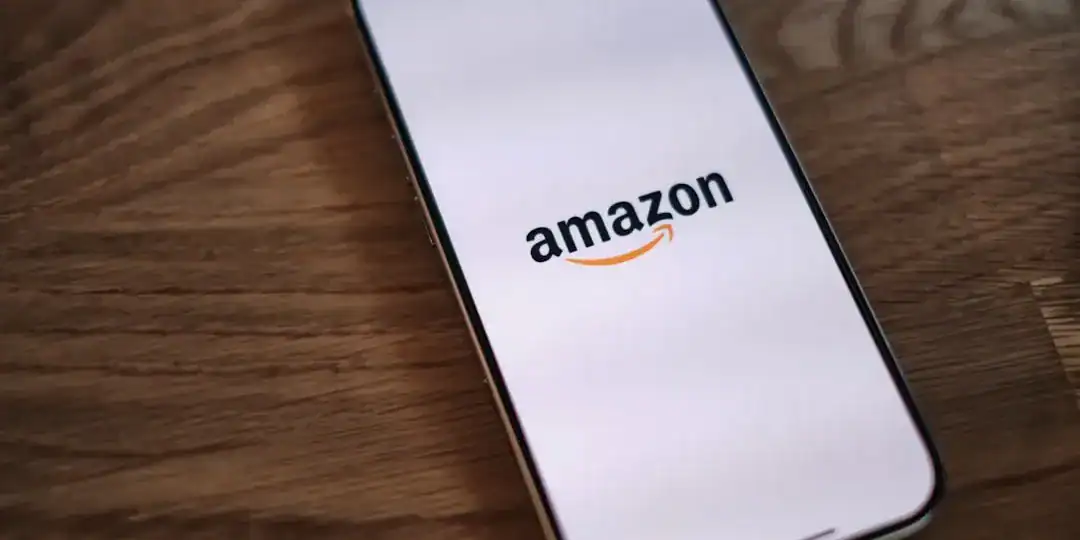
When I look at the Amazon logo, I don’t just see a smile; I see a very deliberate split in focus. Most people know the “A to Z” reference, but the genius lies in how the orange arrow physically divides the visual weight of the text. It doesn’t just sit underneath; it starts at the first letter and stretches to the middle, creating a visual bridge.
According to design psychology, this element performs two distinct functions simultaneously. First, it creates a “split” in the reading flow, forcing your eye to travel back and forth between the start and the “Z”, reinforcing the inventory diversity. Second, the curve of the arrow contrasts sharply with the rigid, lowercase sans-serif font.
Industry analysis suggests that if an element only does one thing, you are wasting visual real estate. The Amazon arrow is the gold standard because it splits the brand’s identity into two pillars: functional utility (we have everything) and emotional connection (we make you happy). It transforms a cold logistics entity into something human. I find this duality fascinating because it proves that a “split” in design isn’t about separating elements, but about bridging two different concepts—inventory and joy—with a single stroke.
Opel’s Blitz: The Lightning That Cracks the Ring
Moving to the automotive world, the Opel meaning has recently undergone a significant shift that relies heavily on the concept of the split. The iconic “Blitz” (German for lightning) has always been about speed, but the latest redesigns have sharpened this narrative.
In the 2024 update, the lightning bolt doesn’t just sit inside the circle; it aggressively intersects and splits the supporting ring. This is a bold move. Design experts note that the new “Blitz” is the central icon of Opel’s “Bold and Pure” philosophy. By having the lightning bolt physically break the continuity of the ring, the logo visualizes the disruption of the electric engine replacing the combustion engine.
I see this as a perfect example of “where the logos split” defining the company’s future. The ring represents the “Opel Compass”—the structure and tradition—while the Blitz is the energy that cuts through it. If the bolt were contained entirely within the circle, it would feel safe and static. By splitting the ring, Opel communicates that their new electric direction is expansive and cannot be contained by old boundaries. It is a visual declaration of the “era of electromobility.”

Buffstreamz and the Geometry of Digital Flow
While Amazon and Opel represent corporate polish, Buffstreamz and similar streaming entities occupy the raw, utilitarian side of the “same track.” When we analyze the visual language of streaming sites (often characterized by play buttons, signal arcs, or buffering circles), the “split” takes on a literal meaning: the fragmentation of data.
In digital streaming branding, the logo often features a “split” triangle (the play button) or a circle broken into segments (the buffering icon). Unlike the emotional smile of Amazon or the heritage-breaking bolt of Opel, the split here represents transmission. A solid circle is static; a split circle implies motion, loading, and the transfer of packets.
I argue that these raw, functional designs are just as important to study. They strip away the “hidden meaning” and focus on the mechanism. The split in these logos tells the user: “This is active. This is moving.” It is the visual language of the internet feed. While corporate brands hide their meanings in clever negative space, digital utilities often wear their “splits” on the surface to signify technical function—a stream of data cutting through the static noise of the web.

The Psychology of the “Aha!” Moment
Why do these splits work? It comes down to the “Aha!” moment. When a viewer realizes the Amazon arrow is also a smile, or notices how the Opel Blitz cuts the ring, their brain releases dopamine. It is a small puzzle being solved.
Market research indicates that logos with hidden meanings or clever geometric splits are significantly more memorable than plain text. The split creates visual tension. The human eye wants to close gaps and complete shapes (Gestalt principles). When a designer deliberately leaves a split or uses negative space (like the arrow hidden in the FedEx logo), it engages the viewer’s subconscious.
Creating these sophisticated geometries used to require an expensive agency. However, modern technology has democratized this process. Tools like Ailogocreator analyze these exact principles—negative space, intersection, and geometric balance—to help founders generate logos that carry this level of professional depth. I believe using AI to iterate on where your logo “splits” can reveal options you might never sketch by hand.
Executing the “Split” Strategy
If you want to apply this to your own brand, you need to be intentional. A split for the sake of a split is just broken design.
- Define the duality: Amazon splits logistics and emotion. What are your two pillars?
- Break the container: Like Opel, does your energy (icon) need to break your structure (circle/square)?
- Use negative space: Can the “split” between two letters form a third shape?
- Keep it functional: Ensure the split doesn’t ruin legibility at small sizes.
The “same track” these logos run on is the track of visual efficiency. They don’t add more ink to tell more story; they simply arrange the ink to create gaps that speak louder than the shapes themselves.
Conclusion and Actionable Suggestions
The analysis of Amazon, Opel, and the raw geometry of streaming icons reveals that the most powerful design element is often the empty space or the sharp intersection. Whether it is a smile, a lightning bolt, or a data stream, the “split” is where the brand’s energy is released.
To leverage this in your own branding:
- Audit your negative space: Look at the gaps between your letters. Is there a hidden shape waiting to be exploited?
- Intersect your icons: Don’t just place an icon inside a frame. Let it cut through the frame to show disruption and energy.
- Test for the “Aha!” moment: Show your logo to fresh eyes. If they don’t discover a secondary meaning or interesting geometric tension within 5 seconds, try pushing the design further.
- Prioritize clarity over cleverness: Ensure the “split” supports the core message (e.g., A to Z) rather than confusing it.
FAQ
Q: What is the hidden meaning in the Amazon logo?
A: The Amazon logo features an orange arrow that connects the letters “A” to “Z,” symbolizing that the store sells everything. Additionally, the arrow is shaped like a smile, representing customer happiness and satisfaction.
Q: What does the Opel Blitz represent in the new logo?
A: The “Blitz” (lightning bolt) represents electricity and speed. In the 2024 redesign, the bolt intersects and splits the supporting ring, symbolizing Opel’s “Bold and Pure” philosophy and its transition into a fully electric car manufacturer.
Q: Why are “split” elements effective in logo design?
A: Split elements create visual tension and engage the viewer’s brain through Gestalt principles. They often allow for dual meanings (like a smile and an arrow) to exist in the same space, making the brand more memorable and efficient in its communication.
Q: How do streaming logos like Buffstreamz differ from corporate logos?
A: While corporate logos like Amazon use splits for emotional or philosophical storytelling, streaming logos often use splits (like broken circles or triangles) for functional signaling. They represent data loading, motion, and the technical act of streaming rather than abstract brand values.
CommentsTake the first comment