
Analyzing over 40 top-tier brands reveals that the secret to enduring popularity lies not in chasing trends, but in mastering the art of reduction and adaptability. If you are a founder or designer struggling to establish a strong market presence, understanding the mechanics behind Timeless logo design is the fastest route to building authority. This article breaks down how giants use Brand identity principles and Minimalist graphic design to secure Visual memorability, ensuring your brand remains relevant for decades.
- Radical Simplicity: Why removing elements increases Brand recognition.
- Universal Scalability: Ensuring your logo works on a smartwatch and a billboard.
- Psychological Consistency: How repetition builds trust and equity over time.
- Strategic Adaptation: Modernizing without losing your core identity.
The Power of Reduction: Why Less Is Actually More
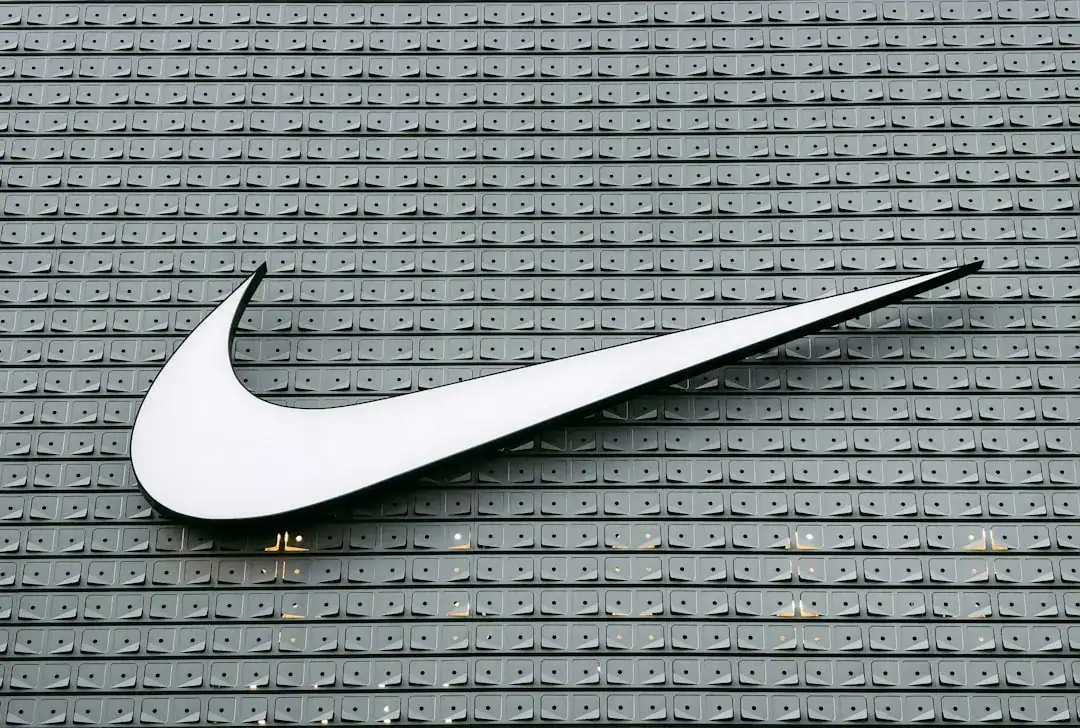
I have observed a fascinating pattern in the evolution of global brands: as they grow in power, their logos shrink in complexity. This isn’t a stylistic choice; it is a strategic necessity. Minimalist graphic design is the primary driver of modern brand dominance because it respects the audience’s limited attention span. When you look at the Nike logo, you aren’t seeing a shoe; you are seeing a concept of motion stripped down to its barest essential line. This level of reduction forces the brain to focus on the shape itself rather than decoding complex details.
The mechanism here is cognitive load management. A cluttered design forces the viewer to process too much information, leading to lower retention rates. By stripping away gradients, shadows, and intricate illustrations, you remove friction between the eye and the brain. I often tell clients that if their logo cannot be drawn by a child from memory after ten seconds of viewing, it is too complex.
- Elements to Eliminate:
- Fine lines that disappear at small sizes.
- More than two or three colors.
- Gradients or 3D effects that date quickly.
- Text that competes with the icon for attention.
According to recent neuro-design research, the human brain prefers processing clean, recognizable forms because they require less energy to store and recall. This biological preference explains why minimalist logos stick so well in our long-term memory.
Actionable Suggestion: Conduct a “squint test” on your current logo. Step back ten feet and squint your eyes. If the shape becomes indistinguishable or muddy, you need to simplify the geometry immediately.
The Chameleon Standard: Surviving Digital Fragmentation
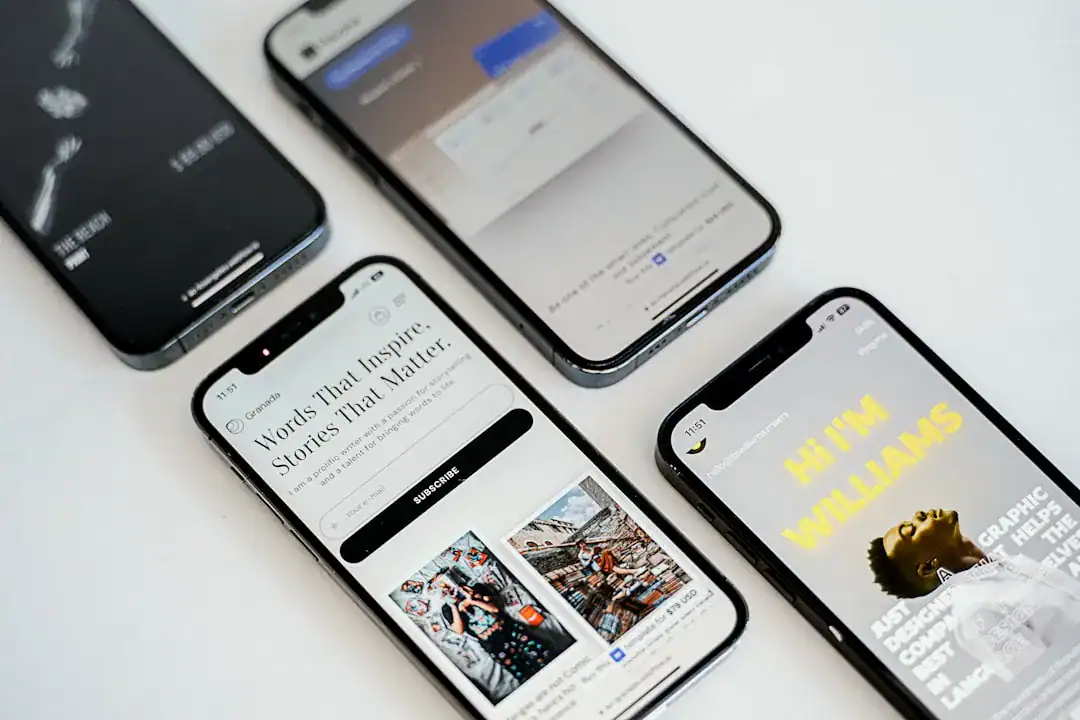
We live in a multi-platform world where your logo must perform equally well on a 16-pixel browser favicon and a 50-foot building wrap. This is where Brand identity principles regarding versatility come into play. A rigid logo that only looks good on a letterhead is a liability in the digital age. I call this the “Chameleon Standard”—the ability of a design to adapt to any environment without losing its core identity.
In my analysis of successful rebrands, versatility is often the main trigger. Brands realize their old, detailed crests turn into illegible blobs on mobile screens. A truly versatile logo relies on strong silhouette and contrast rather than color dependence. If your design relies on color to be understood, it will fail in black-and-white applications, such as receipts or newspaper prints.
- Versatility Checkpoints:
- Monochrome: Does it work in solid black?
- Inverted: Does it work in white on a dark background?
- Favicon: Is it legible at 16×16 pixels?
- App Icon: Does it stand out in a grid of other apps?
Industry analysis indicates that versatile logos significantly reduce marketing costs because they do not require separate variations for different media. A single, scalable mark unifies the brand experience across all touchpoints.
Actionable Suggestion: Test your logo in greyscale. If the distinction between elements is lost, you are relying too heavily on color. Adjust the contrast or spacing to ensure the form holds up without a palette.
The Consistency Paradox: Repetition Breeds Trust
There is a common misconception that brands need to constantly “refresh” to stay relevant. The data suggests the opposite. Visual memorability is a direct result of relentless consistency. When I look at brands like Coca-Cola or Apple, their strength lies in their refusal to change their core visual markers. The Nike logo has remained fundamentally unchanged since 1971. This consistency signals stability, reliability, and confidence to the consumer.
The psychology here is simple: familiarity breeds trust. Every time a consumer sees your logo, it reinforces a neural pathway. If you change your logo every five years, you are effectively destroying that pathway and forcing your audience to start over. This doesn’t mean you can’t refine; it means you shouldn’t reinvent.
- Benefits of Consistency:
- Compounding Equity: Every dollar spent on marketing adds value to the same visual asset.
- Instant Recognition: Customers spot your product on a crowded shelf in milliseconds.
- Emotional Anchoring: The logo becomes a trigger for the feelings associated with the brand.
Market reports show that brands maintaining consistent visual identities over decades outperform those that frequently rebrand by a significant margin in terms of consumer trust metrics.
Actionable Suggestion: Create a strict brand style guide that forbids unauthorized alterations. If you need a new logo that adheres to these strict standards of simplicity and consistency but lack the budget for a design agency, tools like Ailogocreator can generate professional, minimalist concepts that align with these timeless principles.

Psychological Hooks: Designing for the Subconscious
Beyond shape and scale, the most powerful logos leverage subconscious triggers. This is where Brand recognition transitions from simple identification to emotional connection. Color psychology and shape theory are not just buzzwords; they are the tools used to manipulate viewer sentiment. For instance, circular shapes imply community and unity, while angular shapes suggest efficiency and precision.
I have found that many businesses choose colors based on personal preference rather than psychological impact. This is a mistake. A financial institution using bright pink might struggle to convey security, just as a playful candy brand using slate grey might fail to excite. The alignment between the visual signal and the business category is critical for immediate acceptance.
- Psychological Triggers:
- Blue: Trust, security, calm (Tech, Finance).
- Red: Passion, energy, urgency (Food, Retail).
- Black/White: Luxury, exclusivity, minimalism (Fashion, Auto).
- Green: Growth, health, money (Whole Foods, Finance).
Research into luxury branding highlights that minimalist aesthetics combined with specific neutral palettes (like black and white) significantly reinforce a “premium” perception, allowing brands to command higher price points solely based on visual presentation.
Actionable Suggestion: Map your brand values to specific colors and shapes. If your primary value is “innovation,” ensure your logo uses dynamic, forward-moving lines rather than static, blocky shapes.

FAQ
Q: How often should I update my logo?
A: Ideally, never—if the foundation is strong. Minor refinements to typography or line weight can happen every 10-15 years to adjust for digital rendering standards, but the core icon should remain consistent to preserve Visual memorability.
Q: Can a text-only logo be timeless?
A: Absolutely. Wordmarks like Google, FedEx, and Sony are iconic. The key is unique typography and kerning that makes the text itself function as an image. This relies heavily on Brand identity principles regarding typography.
Q: Why is the Nike logo considered the gold standard?
A: It embodies perfect Minimalist graphic design. It is a single stroke that conveys speed and motion without needing a literal shoe or foot. It is scalable, distinct, and carries meaning without text.
Q: Does minimalism mean my logo will look boring?
A: No. Minimalism means removing the unnecessary, not the meaningful. A simple logo is actually bolder because it has nowhere to hide. It requires perfect execution of balance and proportion.
Conclusion and Actionable Suggestions
Creating a logo that survives the test of time is not about artistic flair; it is about strategic restraint. By adhering to the principles of simplicity, versatility, and consistency, you build a visual asset that gains value with every passing year. To ensure your brand stands alongside the greats:
- Audit for Simplicity: Remove at least one unnecessary element from your current design today.
- Test for Scale: meaningful shrinkage is key; ensure your logo is legible at 16 pixels.
- Lock Down Consistency: Commit to not changing your core mark for at least a decade.
- Leverage Psychology: Ensure your color palette aligns with the emotional response you want to evoke.
- Prioritize Function: Remember that a logo is a business tool, not an art piece; it must work in black and white before it works in color.
CommentsTake the first comment