
If you want your brand to survive a digital transformation, you must be willing to kill your darlings, even if the internet hates you for it. For designers and brand strategists, understanding Instagram’s pivot from a textured leather camera to a flat gradient icon offers the ultimate lesson in separating nostalgia from function. This shift wasn’t just a logo update; it was a calculated move away from skeuomorphism that redefined modern brand identity and proved that scalability matters more than sentimental value.
- Skeuomorphism’s limits: Why realistic textures eventually suffocate digital growth.
- The 2016 backlash: Analyzing the emotional versus logical response to rebranding.
- The “Squircle” science: How mathematical optimization creates visual harmony.
- Gradient strategy: Using color to retain brand soul while stripping away noise.
The Era of Leather and Lenses
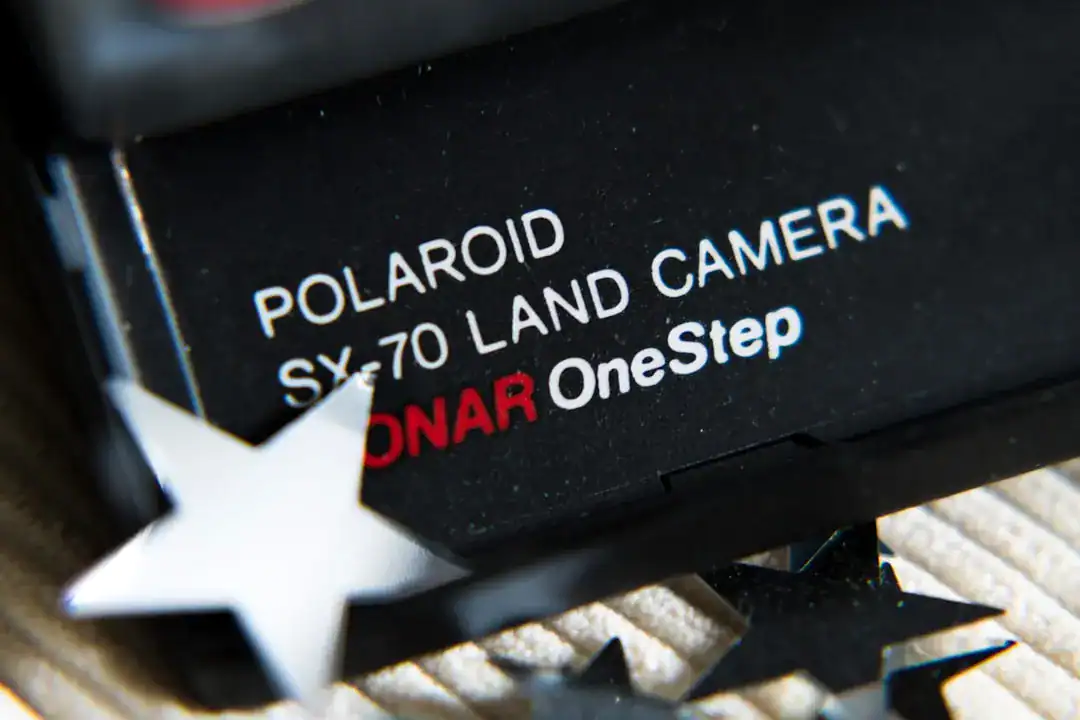
I still remember the original Instagram icon. It was a digital love letter to the Polaroid OneStep, complete with a beige leather texture, a glassy lens that looked like it could reflect light, and that iconic rainbow stripe. In 2010, this style, known as skeuomorphism, was necessary. We were still learning how to interact with glass screens, and making digital buttons look like physical objects helped bridge the gap.
However, as the app exploded from a simple photo filter tool into a multimedia giant hosting videos, stories, and messaging, this hyper-realistic icon became a liability. It was heavy. It was hard to replicate. Most importantly, it felt stuck in the past. A complex, textured icon looks terrible when shrunk down to a notification badge or a smartwatch screen. The industry needed to move on, but letting go of such a beloved symbol is painful.
The 2016 Meltdown: When the Internet Lost Its Mind
When Instagram unveiled its new look in May 2016, the reaction was brutal. I watched as Design Twitter and tech forums tore it apart. People called it lazy. Memes circulated claiming the design team just opened Illustrator and clicked a default gradient preset. The criticism was that it lacked “soul” and looked like a generic camera app.
This backlash highlights a critical error in how we judge design: we often confuse familiarity with quality. The users weren’t angry because the new design was bad; they were angry because it was different. They had an emotional attachment to the retro camera. But a brand identity cannot rely on nostalgia alone if it wants to scale. The design team knew that to prepare for the next decade, they had to ignore the immediate noise. They bet that the utility of the new system would eventually win people over. They were right.
Deconstructing the “Squircle” and Gradient Strategy
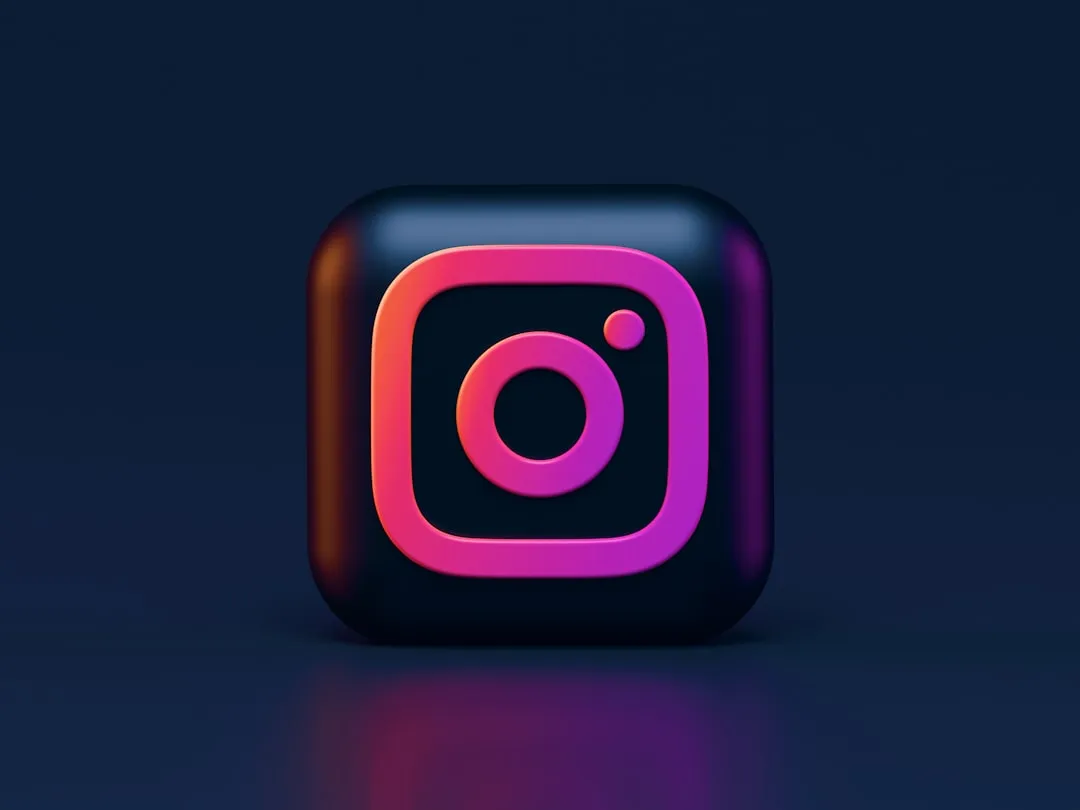
The brilliance of the redesign wasn’t just in what they removed, but in what they kept. They didn’t destroy the brand; they distilled it. If you look closely at the 2016 icon, it retains the three core elements of the original: the camera lens, the viewfinder (the dot), and the rainbow.
The genius lies in the execution. They took the literal rainbow stripe and melted it into a vibrant gradient background—purple, pink, orange, and yellow. This kept the “warmth” of the brand without the visual clutter.
Furthermore, the shape isn’t a standard rounded rectangle. It is a “squircle”—a superellipse that provides a smoother transition between the straight sides and the rounded corners. This level of optical tuning is what separates a cheap icon from a premium identity. It creates a sense of organic flow that feels natural to the human eye. This is the kind of detail that efficient design tools, such as Ailogocreator, aim to replicate for startups who need professional optical balance without hiring an expensive agency.
Flat Design vs. “Illuminated” Design
Before this rebrand, the trend was “flat design”—think solid colors and sharp edges. Instagram didn’t just go flat; they introduced depth through color. The gradient made the icon feel like it was glowing or illuminated from behind.
This decision single-handedly killed the “boring flat” trend and ushered in an era of “flat 2.0,” where gradients provide depth and emotion without adding texture. It solved the problem of flat design feeling too cold or corporate. By using a sunset-inspired gradient, Instagram managed to look modern while still feeling human and energetic.
This move set the blueprint for modern app branding. Look at your phone screen today. You will see gradients everywhere, from messaging apps to utility tools. Instagram proved that you can have a minimalist glyph and still have a vibrant personality.
The Long-Term Victory of Scalability
Years later, nobody talks about the “leather” camera anymore, except as a historical footnote. The gradient logo has proven to be incredibly flexible. It works as a tiny 16×16 pixel favicon, a massive billboard, and a monochrome glyph.
The 2022 refresh pushed this even further, making the gradient even brighter and more “alive,” orchestrated by 3D artist Rose Pilkington. This evolution shows that a brand identity is a living system, not a static image. The gradient allows them to tweak the “vibe” of the app without changing the core shape.
The lesson here is clear: effective rebranding isn’t about pleasing the crowd on day one. It is about building a system that works on every device, in every context, for the next ten years. The initial controversy was just the growing pain of progress.
FAQ
Why did Instagram change its logo in 2016?
The original skeuomorphic camera was too visually complex for modern digital interfaces. As the app expanded beyond just photos to video and other features, it needed a simpler, scalable mark that looked good on all screen sizes.
What is the shape of the Instagram logo called?
It is technically a “squircle” or a superellipse. This shape offers a smoother curvature than a standard rounded rectangle, making it more visually pleasing and organic.
Who designed the new Instagram logo?
The 2016 redesign was led by Instagram’s internal design team, including Ian Spalter. The 2022 refresh involved 3D artist and designer Rose Pilkington to enhance the gradient’s vibrancy.
Why was the 2016 logo change so controversial?
Users had a strong emotional attachment to the retro camera style. The sudden shift to a minimalist, abstract gradient felt “cheap” or “lazy” to many at the time, sparking a massive backlash before eventually being accepted as the industry standard.
Conclusion and Actionable Suggestions
The journey of Instagram’s logo proves that data and strategy should always override fear of backlash. For business owners and designers, the takeaways are practical and urgent.
- Audit your assets for scalability: Check if your logo is legible at 20 pixels wide. If the details get lost, it is time to simplify.
- Don’t fear the gradient: Use gradients to inject emotion into minimalist designs. It keeps the look clean but prevents it from feeling sterile.
- Ignore the initial hate: If you rebrand, expect resistance. If your strategy is sound and solves a functional problem (like readability), the users will adapt.
- Distill, don’t destroy: Identify the 2-3 core elements that define your brand (like the lens and rainbow) and modernize them rather than starting from scratch.
- Optimize your geometry: Use mathematically balanced shapes (like squircles) to give your design a subconscious feeling of quality and harmony.
CommentsTake the first comment