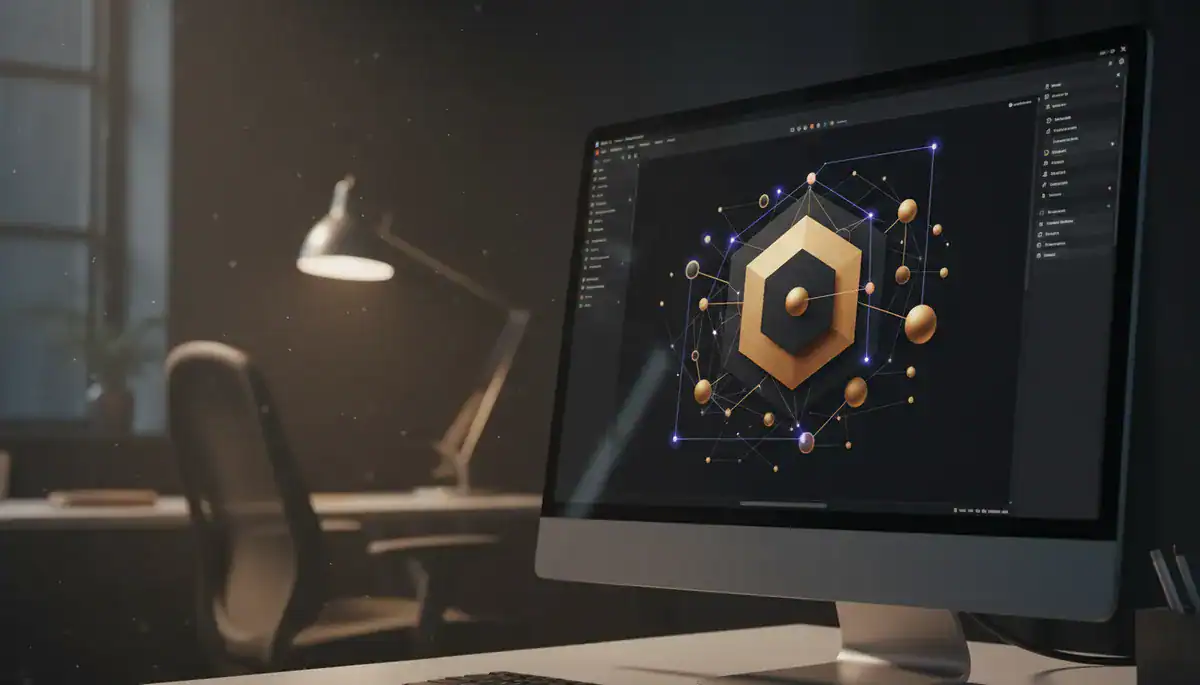
By leveraging advanced generative AI, early-stage founders can now secure a high-end visual identity comparable to top-tier agencies for a fraction of the cost and time. If you are a solopreneur or leading a lean startup preparing for a competitive 2026 launch, mastering these automated tools is no longer optional—it is a strategic necessity. The traditional barriers to professional logo design have crumbled, allowing digital branding to become accessible, scalable, and instantly deployable for businesses of any size.
Here is why intelligent automation is reshaping the startup landscape:
* Drastic Cost Reduction: Eliminate the need for four-figure design retainers while maintaining professional quality.
* Instant Iteration: Generate and refine hundreds of concepts in minutes rather than waiting weeks for manual drafts.
* Scalable Assets: Automatically produce comprehensive brand kits, including social media files and business cards.
* Creative Autonomy: Maintain full control over your brand’s aesthetic without needing technical design skills.
The 2026 Paradigm Shift in Brand Creation
The landscape of entrepreneurship has shifted dramatically as we approach 2026. We are witnessing a transition where artificial intelligence design is moving from a novelty to a fundamental business standard. In the past, creating a business logo meant navigating a complex web of freelancers, briefs, and endless revision cycles. Now, the process is streamlined into a direct interaction between the founder’s vision and intelligent algorithms.
This shift is driven by the increasing sophistication of machine learning models. These systems have analyzed millions of successful brand marks to understand the nuances of geometry, color psychology, and typography. Consequently, an online logo maker today does not just paste clip art together; it synthesizes a unique identity based on industry trends. For 2026 startups, this means the ability to look like a Fortune 500 company from day one without the associated burn rate.
I often reflect on how many great ideas stalled simply because the founders couldn’t afford “good branding.” That excuse is now obsolete. The democratization of design tools allows solopreneurs to compete visually with established giants.
- Market Analysis: Traditional agencies are pivoting to high-level strategy as execution becomes automated.
- Adoption Rate: Industry reports indicate a massive surge in AI tool adoption for initial brand conceptualization.
- Speed to Market: What used to take months now takes an afternoon.
According to industry research regarding design trends in 2026, automation is not replacing creativity but rather accelerating the structural phase of design, allowing brands to focus on storytelling and ethics.
Actionable Suggestion: Don’t wait for a perfect budget. Use AI tools to establish your minimum viable brand (MVB) immediately, allowing you to test market reaction faster.
Summary: The era of gatekept design is over; marketing trends 2026 point toward a future where AI empowers founders to execute professional branding instantly, removing traditional barriers to entry.

Why Bootstrapping Founders Are Ditching Agencies
For a lean startup, every dollar spent on non-product activities is a dollar diverted from growth. Bootstrapping requires ruthlessly efficient resource allocation. The traditional agency model, often charging thousands of dollars for a basic identity package, is becoming difficult to justify for early-stage companies.
I’ve seen invoices from boutique firms that would make your eyes water—$5,000 for a logo and a few font files. In contrast, modern AI logo generator platforms often offer professional packages for under $100. This isn’t just a saving; it’s capital preservation. That difference can fund your first marketing campaign or product prototype.
Furthermore, the “sunk cost fallacy” often traps founders who hire expensive designers. If you pay thousands for a logo you end up disliking, you feel compelled to keep it. With cost-effective branding via AI, if the market direction changes, you can pivot your visual identity overnight without financial ruin.
- Cost Comparison: Agencies ($2,000+) vs. AI Platforms ($50-$100).
- Risk Profile: Low financial risk with AI allows for bolder creative experimentation.
- Resource Allocation: Savings can be redirected to customer acquisition.
Data from recent testing of design platforms suggests that high-quality professional plans for AI generators can be purchased for a one-time fee of around $60, providing a full suite of vector files and usage rights.
Actionable Suggestion: Audit your launch budget. If you have allocated more than $200 for initial branding, reallocate the surplus to paid advertising and switch to an automated design solution.
Summary: Bootstrapping in 2026 demands efficiency; choosing generative AI over agencies converts a major fixed cost into a minor expense, providing agility and financial safety for new ventures.

Achieving Million-Dollar Aesthetics with Automated Design
There is a lingering misconception that automated design results in “generic” or “cheap” looks. Honestly, that might have been true five years ago. However, the high-end branding capabilities of current tools have evolved significantly. The key lies in the “human-in-the-loop” approach.
The AI is the engine, but you are the steering wheel. By utilizing specific inputs regarding visual identity, mood, and industry context, you can guide the software to produce sophisticated results. It is about moving beyond “make me a logo” to “design a minimalist, geometric symbol for a fintech brand using trust-inducing blues.”
When I test these tools, I am consistently surprised by the understanding of negative space and font pairing. The algorithms are now trained to recognize professional logo design principles like balance and hierarchy. This means the output is mathematically balanced and aesthetically pleasing, ready for high-resolution displays and print materials.
- Aesthetic Quality: Modern algorithms understand minimalism, luxury, and tech-forward styles.
- Customization: Advanced editors allow for granular tweaking of curves, colors, and kerning.
- File Integrity: Outputs include SVG and vector files necessary for professional printing.
Authoritative design guides emphasize that using strong, descriptive prompts—specifying style, mood, and color palette—drastically improves the uniqueness and quality of AI-generated logos.
Actionable Suggestion: Treat the AI as a junior designer. Don’t settle for the first result; iterate by refining your keywords and style preferences to polish the aesthetic.
Summary: With the right guidance, automated design tools can produce high-end branding that rivals custom work, provided the user actively engages in refining the generated concepts.
From Logo to Complete Brand Identity
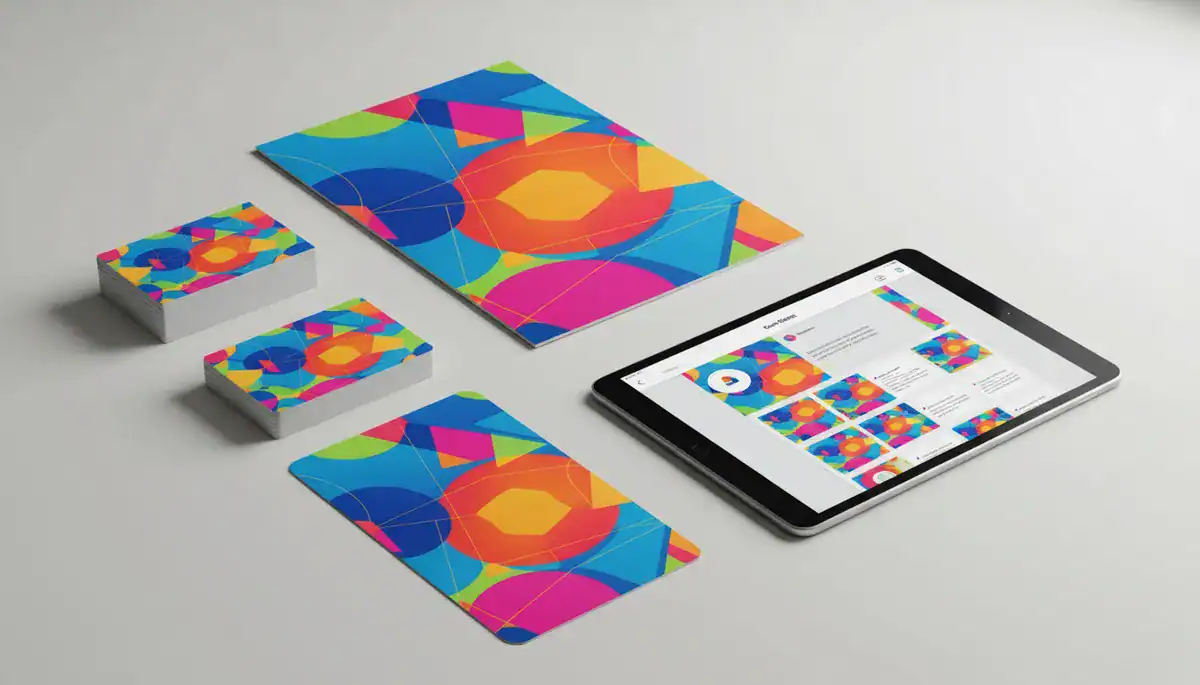
A logo is not a brand; it is just the front door. To truly launch in 2026, you need a cohesive digital branding system. This includes business card designs, social media headers, letterheads, and a consistent color palette.
One of the most powerful features of modern small business tools is the ability to generate these assets instantly. Once the core logo is finalized, the AI automatically populates these designs across various formats. This ensures absolute consistency—a hallmark of professional companies.
Imagine trying to manually resize your logo for Twitter, LinkedIn, Instagram, and a favicon. It’s tedious. Generative AI handles this scaling automatically. This capability is particularly vital for the solopreneur, who acts as CEO, CMO, and support agent simultaneously. You need a “brand in a box,” not just a PNG file.
- Asset Variety: Social profiles, email signatures, presentation templates.
- Consistency: Hex codes and fonts are locked in across all materials.
- Efficiency: What takes a designer days to resize is done instantly.
According to branding platform reviews, the best AI tools now offer comprehensive “Brand Kits” that apply your visual identity to real-world mockups and digital assets immediately after logo creation.
Actionable Suggestion: Ensure the platform you choose offers a “Brand Kit” or “Social Media Package” export option. This will save you dozens of hours of formatting work later.
Summary: Visual identity extends far beyond a single icon; utilizing AI to generate a full suite of assets ensures brand identity consistency and prepares your business for multi-channel marketing immediately.
Strategic Implementation for 2026 Startups
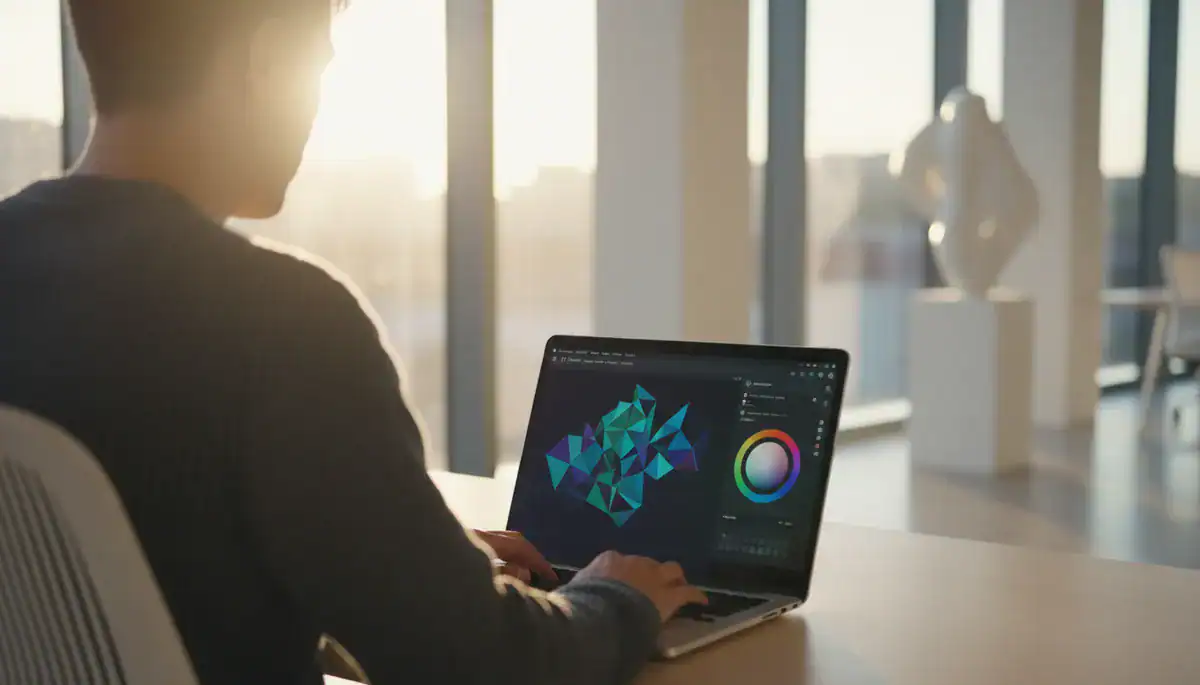
Adopting these tools requires a strategic mindset. You aren’t just clicking buttons; you are curating a brand. The most successful 2026 startups will be those that blend AI efficiency with human strategic insight.
Start by deeply understanding your target audience. An AI can generate a “playful” logo, but only you know if your customers respond to playfulness. Use the speed of AI to A/B test different brand vibes. You could generate a “luxury” version and a “accessible” version of your brand, put them on landing pages, and see which one converts better.
In the fast-paced environment of digital business, agility is key. Platforms that epitomize this efficiency, such as Ailogocreator, allow for rapid conceptualization and execution, serving as a benchmark for how modern tools should function. By using such efficient solutions, you can finalize your visual assets in a single session.
- Strategic Testing: Create multiple brand personas to test market fit.
- Iterative Process: Refine the design based on real feedback, not just personal taste.
- Integration: Immediately deploy assets to your website and social channels.
Industry analysis on 2026 marketing suggests that brands using AI for structure while keeping humans in charge of the “story” will be the strongest competitors.
Actionable Suggestion: Before finalizing, place your top 3 AI-generated logos on a mock website header. Context determines success more than the isolated design.
Summary: To succeed with artificial intelligence design, founders must act as creative directors, using the speed of tools like Ailogocreator to test, validate, and deploy their business logo strategically.
FAQ
Q: Will my AI-generated logo be unique?
A: Yes, sophisticated algorithms generate unique combinations of icons, fonts, and colors based on your specific inputs. While elements may be similar to other designs, the specific composition is generated for you. However, customization is key to ensuring distinctiveness.
Q: Can I trademark a logo created with AI?
A: This is a complex area, but generally, if you purchase a commercial license from a reputable platform, you own the rights to use the logo. However, gaining full copyright protection for AI-generated art can be legally nuanced. It is best to consult the specific platform’s terms of service.
Q: What file formats do I need for my business?
A: You absolutely need vector files (SVG or EPS) for printing and scalability, and raster files (PNG or JPG) for web use. Ensure your chosen tool provides high-resolution versions with transparent backgrounds.
Q: How do I choose the right style for my industry?
A: Look at your competitors and then decide whether to blend in or stand out. Tech usually favors minimalism and blue/grey tones, while food industries often use warm colors. AI tools often suggest styles based on the industry category you select.
Conclusion and Actionable Suggestions
Launching a business in 2026 demands speed, financial prudence, and a professional facade. The evolution of AI logo generator technology has removed the friction from branding, allowing you to create a million-dollar visual identity without the million-dollar price tag. By embracing these tools, you are not cutting corners; you are optimizing your path to market.
To maximize your success, follow these steps:
1. Define Your Core Values: Before opening any tool, write down three adjectives that describe your brand (e.g., Trustworthy, Modern, Fast).
2. Generate and Iterate: Use a top-tier tool like Ailogocreator to produce initial concepts, then spend time refining colors and fonts.
3. Secure Vector Files: Never settle for just a JPEG. Ensure you download the vector formats for future signage or merchandise.
4. Build the Kit: Download the matching social media assets immediately to ensure your brand looks cohesive across LinkedIn, X, and your website.
5. Test Live: Upload your new logo to your landing page and gauge the professional feel immediately. If it doesn’t work, iterate again—it only takes minutes.
CommentsTake the first comment