
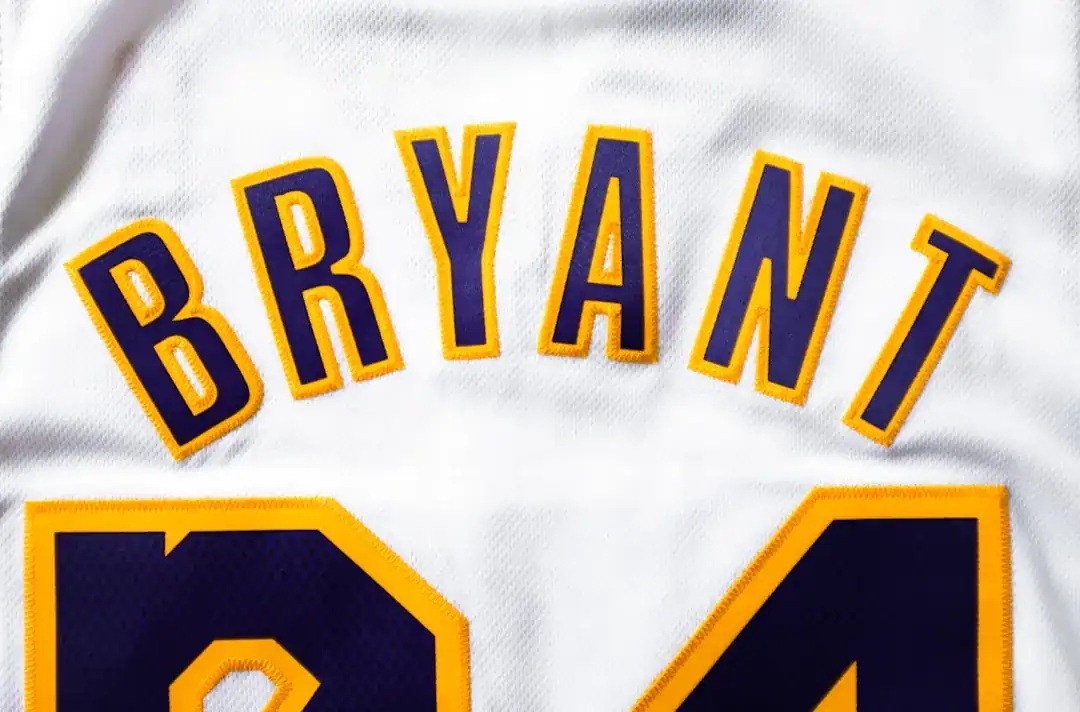
Building a personal brand that outlives your active career requires shifting from simple recognition to deep, value-based symbolism. If you are an entrepreneur, athlete, or creator looking to cement your legacy, understanding the strategic evolution of Kobe Bryant’s visual identity offers a masterclass in marketing. The transformation from a young player’s silhouette to the iconic “Sheath” logo illustrates how Mamba Mentality and visual identity converge to create a timeless asset in sports marketing.
Here are the core lessons we can decode from the Black Mamba’s branding playbook:
- Abstraction over Literalism: Why geometric symbols often outlast photographic silhouettes.
- Narrative Depth: How to embed personal philosophy into graphic design.
- Process-Driven Identity: Aligning your visual brand with your daily work ethic.
- Consistency is Key: The importance of a unified look across all ventures.
The Strategic Shift: From Silhouette to The Sheath
I often see emerging brands make the mistake of relying too heavily on a literal representation of their founder. In the early stages of his career, Kobe Bryant was associated with Adidas and a logo known as “The Frobe”—a silhouette of his younger self with an afro. While effective for that specific moment, silhouettes have a major flaw: they freeze a person in time. They are tied to a haircut, a jersey, and a specific age.
When Kobe signed with Nike in 2003, the introduction of the “Sheath” logo marked a mature pivot in his personal branding strategy. Instead of showing his face, he chose an abstract, geometric symbol. Design analysis indicates that this move allowed the brand to transcend basketball. You do not need to know what Kobe looked like in 2006 to respect the symbol today. It stands alone.
Why Abstraction Wins in the Long Run:
- Versatility: Geometric shapes work on sneakers, business cards, and investment portfolios equally well.
- Timelessness: Unlike a photo, a symbol does not age.
- Projection: Fans and customers can project their own aspirations onto an abstract mark more easily than a specific face.
Actionable Advice: When creating your logo, think beyond your current appearance. Ask yourself if this image will still be relevant in 20 years. If the answer is no, move toward symbolic representation.
Decoding the Design: Storytelling Through Geometry
A logo without a story is just a graphic; a logo with a story is a legacy. The genius of the Nike Sheath logo lies in its hidden narrative. According to interviews Kobe gave to Esquire, the logo is not just a random cool shape. It is a sword in a sheath.
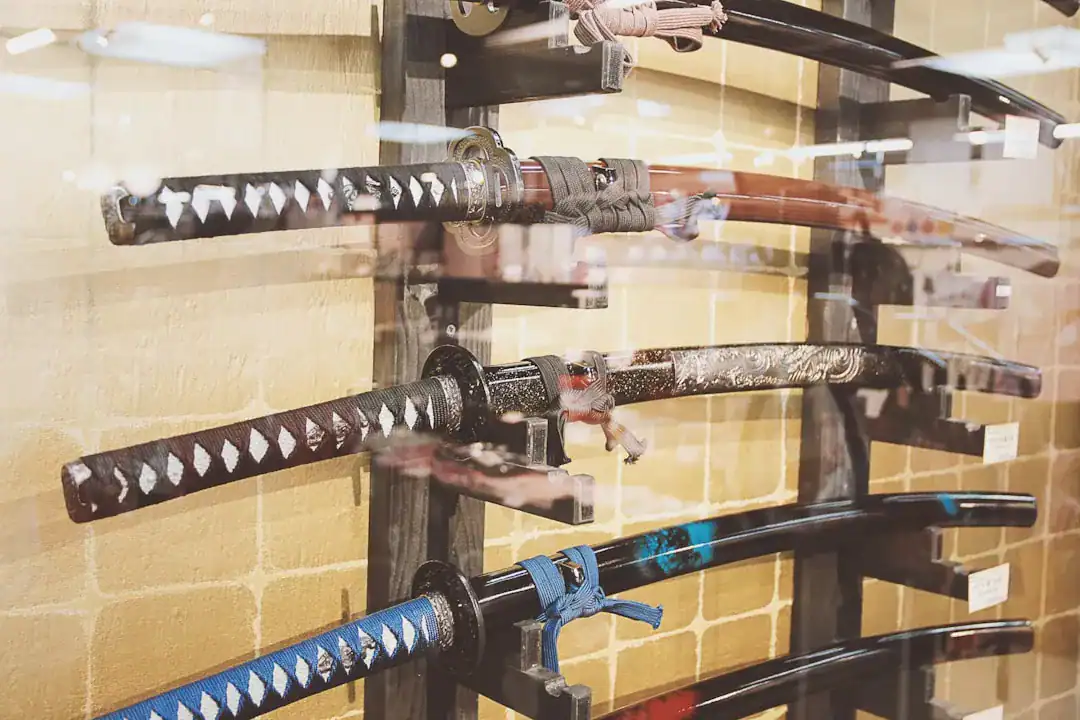
The symbolism here is profound and deliberate. The sword represents raw talent—the innate ability one is born with. The sheath represents the life experience, the calluses, and the baggage acquired through relentless training and battle. This duality transforms the logo from a marketing tool into a philosophical statement. It visually communicates the essence of the Mamba Mentality: the marriage of talent and obsessive preparation.
The Narrative Components of the Sheath:
- The Sword: Unpolished potential and natural gifts.
- The Sheath: The structure and discipline needed to house that talent.
- The Triangular Shape: Inspired by Japanese samurai culture, signaling precision and warrior spirit.
Actionable Advice: Do not settle for a generic icon. If you use a tool like Ailogocreator to generate your brand assets, dig deep into the meaning behind the shapes you choose. Ensure every line and angle speaks to your core values, just as the Sheath speaks to discipline.
Mamba Mentality: Infusing Behavior into the Brand
A visual identity is worthless if the behavior behind it is inconsistent. The “Sheath” became iconic not just because it looked good, but because Kobe lived the brand every single day. Industry experts note that Mamba Mentality—defined as the “unsubtle art of not giving a f—” and the constant quest to be the best version of oneself—gave the logo its weight.
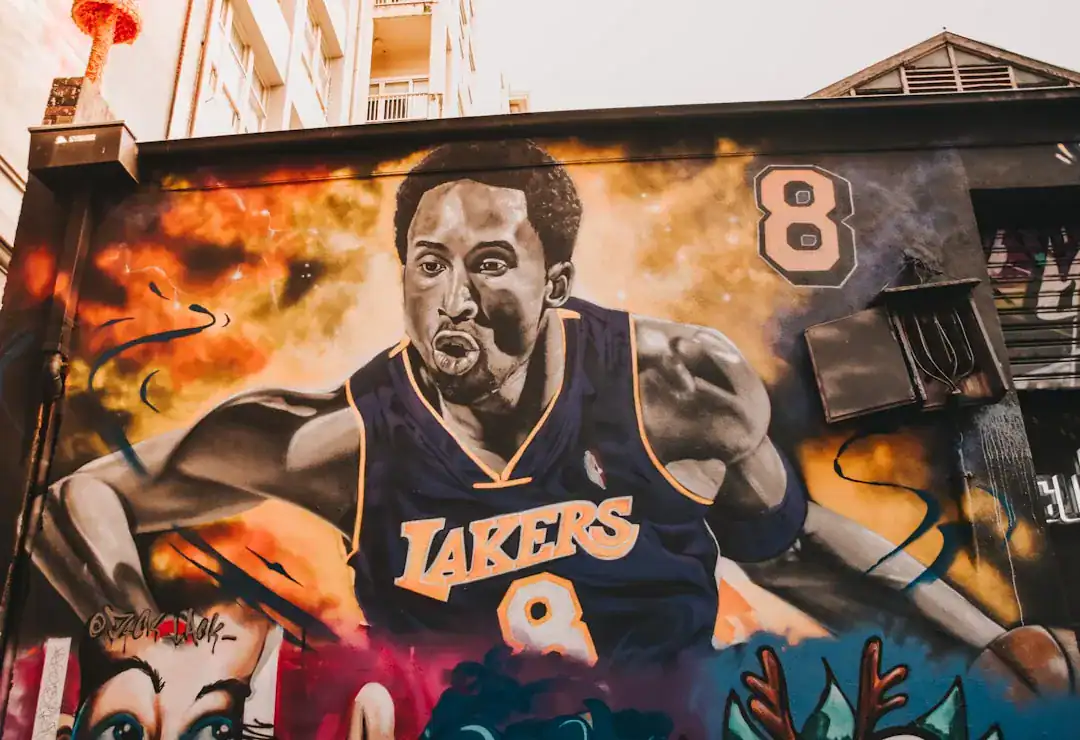
The logo became a shorthand for “relentless effort.” When NFL players or tennis stars wear the Sheath today, they aren’t just honoring a basketball player; they are signaling that they subscribe to the same work ethic. This is the pinnacle of sports marketing: when a personal logo becomes a universal badge of honor for a specific mindset.
How Behavior Amplifies Branding:
- Repetition: Kobe’s consistent performance reinforced the logo’s promise of excellence.
- Authenticity: The sharp, aggressive lines of the logo matched his sharp, aggressive playstyle.
- Evolution: As he moved from player to investor, the logo’s meaning expanded from “scoring points” to “dominating business.”
Actionable Advice: Your personal brand is a promise. If your logo looks professional but your service is sloppy, you break that promise. align your daily habits with the message your visual identity projects.
The Economics of a Legacy Brand
From a business perspective, the transition to a proprietary logo was a financial masterstroke. Early endorsement deals, like the reported $48 million contract with Adidas, were lucrative but ultimately limited by the lack of a distinct, ownable intellectual property that Kobe could control narratively. The move to Nike and the creation of a dedicated line allowed for a deeper equity buildup.
Market data suggests that athlete brands with distinct visual identities command higher loyalty and resale value. The “Sheath” appears on sneakers, apparel, and even in the branding of his venture capital firm, Bryant Stibel. This demonstrates that a strong visual identity is an economic engine. It allows the personal brand to monetize in categories completely unrelated to the core activity (basketball).
Economic Benefits of a Strong Visual System:
- Category Expansion: Easier to launch books, media, and investment funds.
- Merchandising Power: Fans buy the symbol to feel connected to the greatness.
- Legacy Protection: The brand continues to generate revenue and inspire influence long after the founder’s passing.
Actionable Advice: Treat your personal brand as an asset class. Invest in high-quality design early. It is not an expense; it is the foundation of your future intellectual property.
FAQ
What is the real meaning behind Kobe Bryant’s logo?
The logo, known as the “Sheath,” represents a sword inside a scabbard. Kobe explained that the sword symbolizes raw talent, while the sheath represents the effort, experience, and trials required to hone and protect that talent.
How did the Mamba Mentality influence his logo design?
The sharp, geometric lines of the logo reflect the precision and aggression of the “Black Mamba” persona. It was inspired by samurai warriors, aligning with his philosophy of discipline, focus, and relentless improvement.
Why did Kobe switch from the Adidas logo to the Nike Sheath?
The switch coincided with his move to Nike in 2003. Strategically, it moved his brand away from a specific time-bound image (the “Frobe” silhouette) to a timeless, abstract symbol that could represent his evolving legacy and business ventures.
Can a personal brand logo work for non-athletes?
Absolutely. Entrepreneurs and creatives can use abstract logos to represent their values rather than their faces. This allows the business to scale beyond the individual’s direct hourly labor and become a sellable asset.
Conclusion and Actionable Suggestions
Kobe Bryant’s approach to branding teaches us that a logo is more than a pretty picture; it is a vessel for your values. The “Sheath” works because it is abstract enough to be timeless, yet specific enough to tell a story of struggle and triumph. To build a personal branding strategy that carries similar weight, you must look inward before you design outward.
Here are my final recommendations for building a legendary brand:
- Audit Your Symbolism: Ensure your logo represents your future goals, not just your past achievements.
- Define Your “Sheath”: Write down what “raw talent” and “hard work” mean to you, and try to find shapes that represent that tension.
- Prioritize Geometry: Use clean, geometric lines that scale well across digital and physical mediums.
- Live the Brand: Ensure your work ethic matches the quality of your visual identity; a great logo cannot save a mediocre product.
- Secure the IP: Once you have a mark you love, protect it and use it consistently across every touchpoint of your career.
CommentsTake the first comment