
Leveraging warm hues in branding is a direct hack into the consumer’s brain that drives appetite and increases turnover speed, rather than just being an aesthetic choice. If you are a restaurant owner or a brand strategist, understanding the biological triggers behind these color choices is critical for capturing market share. We see red and yellow branding dominating the streets because of fast food color psychology, often referred to as the ketchup and mustard theory, which targets our primal instincts. By applying these neuromarketing principles, you can subtly influence customer behavior before they even step through your door.
- Red wavelengths stimulate the pituitary gland, increasing heart rate and physical appetite.
- Yellow is the most visible color in daylight, making it essential for roadside attraction.
- The combination creates a sense of urgency, encouraging customers to eat quickly and leave.
- Modern branding is shifting slightly, but the core biological triggers remain unchanged.
The Biological Hijack: How Colors Control Your Stomach
I have always been fascinated by how little control we actually have over our cravings. We like to think we choose a burger because we want one, but neuromarketing research suggests our biology makes that decision long before we are conscious of it. The dominance of warm colors in the food industry is not a coincidence; it is a biological hijack.
According to behavioral design experts, red is a high-arousal color. It does not just sit there; it attacks the visual cortex. Studies show that red stimulates the pituitary gland, which speeds up the heart rate and increases blood pressure. This physical reaction mimics the feeling of excitement and, crucially, hunger. When you see a red sign, your body physically prepares to consume.
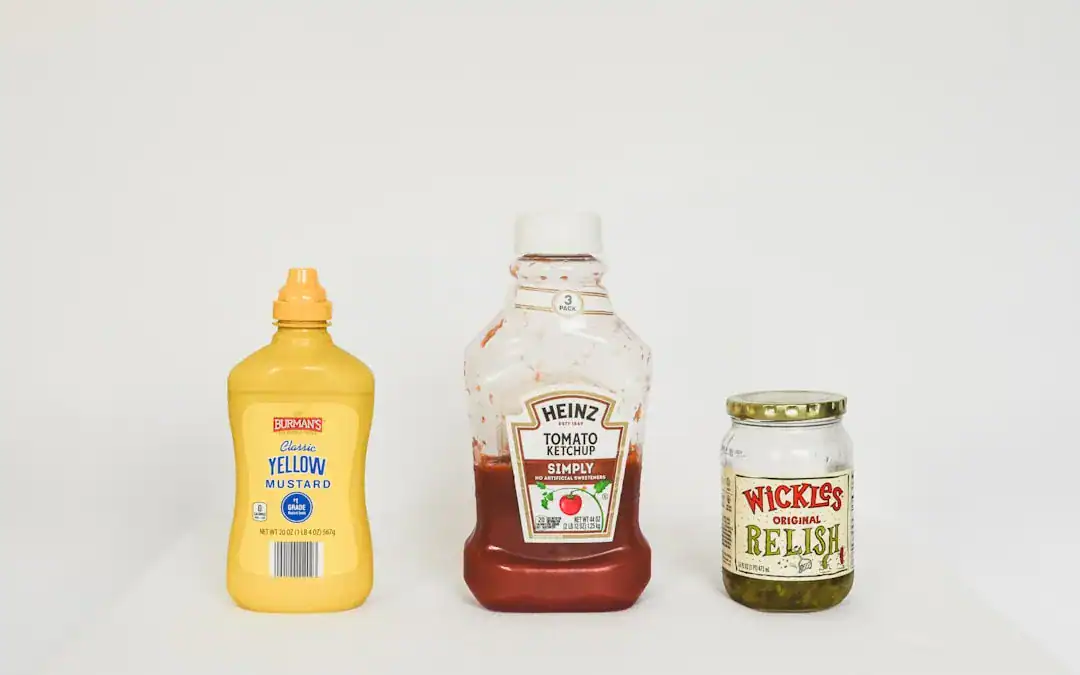
Then there is yellow. It is the color of happiness and optimism, but biologically, it is the first color the human eye processes. This is why appetite stimulating colors almost always pair a sense of urgency (red) with a promise of happiness (yellow). This specific combination is what industry insiders call the ketchup and mustard theory. It suggests that this duo subconsciously reminds consumers of the condiments associated with savory, salty foods, triggering a Pavlovian response.
The Urgency Factor: Why They Want You to Leave
Here is a hard truth about the fast food business model: they do not want you to stay. The goal is high turnover. You order, you eat, you leave. The red and yellow branding we see everywhere supports this operational goal perfectly.
While red stimulates appetite, it also creates “visual noise.” It is intense and can be anxious. Unlike blue or green, which promote relaxation and lingering, red screams “hurry up.” I have observed that fast food interiors often mirror their logos, using these same jarring colors to make customers feel slightly restless. You eat faster in a red room than in a blue one.
Yellow complements this by grabbing attention from a distance. For a driver moving at 60 miles per hour, yellow is the easiest color to spot. Market analysis indicates that this visibility is vital for capturing impulse decisions. The brain processes the color yellow before it processes shapes or words, meaning a driver sees the “idea” of food before they even read the restaurant’s name.
Analyzing the Titans: The McDonald’s Strategy
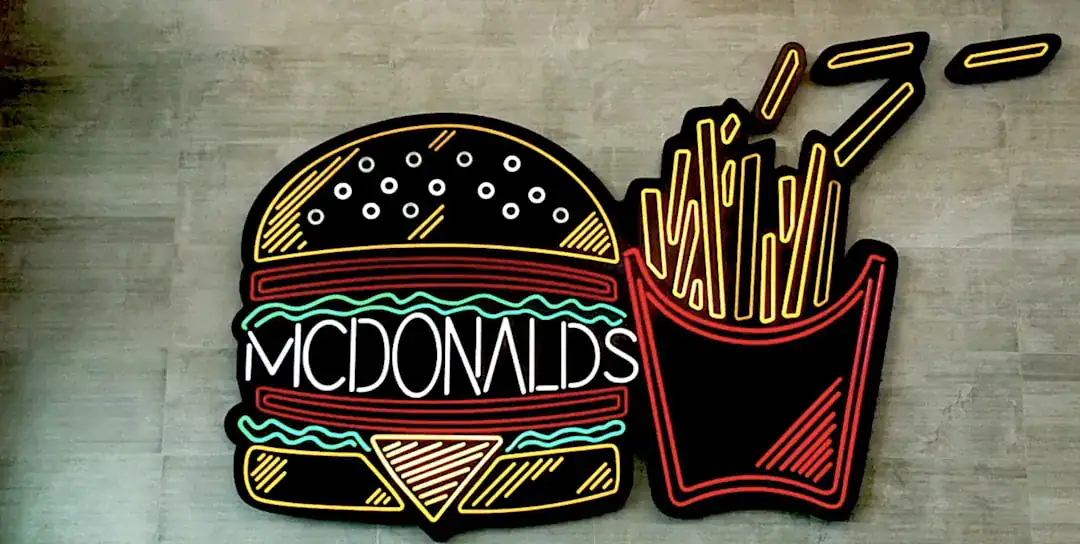
The McDonald’s logo is the gold standard for this psychological strategy. It is not just an “M”; it is a masterclass in visual temptation. The Golden Arches use yellow to signal friendliness and visibility, while the red background drives the hunger and urgency.
However, I find their recent strategy shifts in Europe incredibly telling. As consumer values shifted towards health and sustainability, the aggressive red started to feel too “processed” or “unhealthy.” Consequently, McDonald’s began rolling out deep green backgrounds in certain European markets. They kept the yellow arches (the brand equity) but swapped the urgency of red for the eco-friendly signal of green.
This proves that while the ketchup and mustard theory is powerful, it is not immutable. It works best for “fast and cheap.” If your value proposition is “fresh and sustainable,” the aggressive red might actually hurt your brand perception.
Crafting a Visual Hook for Modern Brands
If you are building a food brand today, you cannot ignore these psychological rules, but you also shouldn’t blindly copy the giants. The market is saturated with red and yellow, and mimicking them exactly might make your brand look generic or dated.
The key is to use warm hues to trigger appetite while maintaining a modern aesthetic. You might opt for a terracotta red instead of a fire engine red, or a mustard yellow instead of a neon lemon. These variations keep the appetite stimulating colors active without screaming “cheap fast food.”
For entrepreneurs trying to find this balance, technology offers a significant advantage. I recommend using intelligent design tools to test how different color temperatures affect the “vibe” of your logo. Platforms like Ailogocreator are excellent for this, as they allow you to instantly generate and compare multiple warm-hue variations to see which one strikes the right balance between visibility and modern appeal.
When Warm Hues Fail: The Cool Color Counter-Argument
It is important to note that warm colors are not a magic wand. There are contexts where they fail miserably. If you are selling water, ice cream, or salads, red can be off-putting.
- The Blue Effect: Research in neuromarketing shows that blue often acts as an appetite suppressant because it rarely occurs naturally in food (aside from blueberries). However, it signals coldness and freshness.
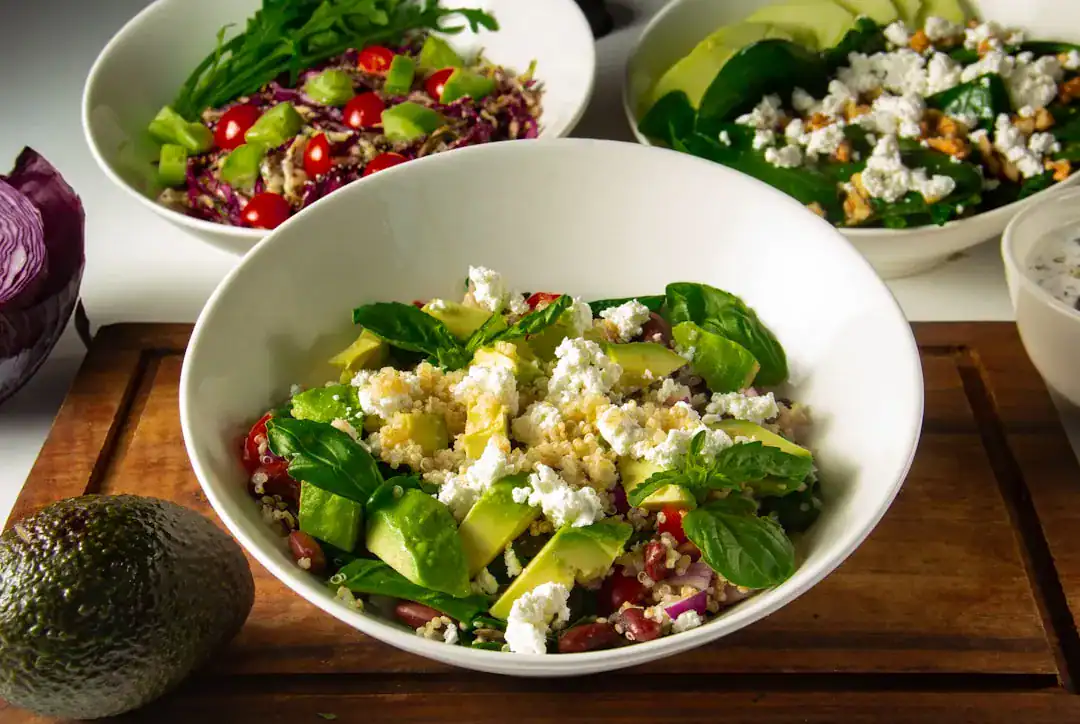
- Green for Health: Green is synonymous with nature. If your brand relies on a “clean eating” narrative, green is superior to red.
I believe the mistake many new businesses make is forcing red into a brand that should be projecting calm or health. The visual temptation must match the product promise. If you promise a relaxing coffee break, do not paint your walls red.
FAQ
1. Does the color red actually make you hungry physically?
Yes, physiological studies suggest that red light has a stimulating effect on the autonomic nervous system. It can slightly elevate heart rate and blood pressure, which the body often interprets as excitement or the need for energy (hunger).
2. What is the Ketchup and Mustard theory?
This theory posits that the combination of red and yellow subconsciously reminds consumers of the most common fast food condiments. It acts as a visual cue that triggers the memory of the taste of salty, savory foods like burgers and hot dogs.
3. Why are some fast food brands switching to green?
Brands like McDonald’s have introduced green in specific markets to align with changing consumer values regarding health and sustainability. Green signals freshness and eco-friendliness, countering the “processed food” stigma associated with bright red.
4. Can I use blue for a food logo?
You can, but it is risky for hot food. Blue is generally associated with cold products (water, ice cream) or health/tech. It is an appetite suppressant, so it is rarely used for burgers or pizza unless the brand is trying to emphasize “coolness” or seafood.
5. How do warm colors affect table turnover?
Warm colors, particularly red and orange, are stimulating and can create a subtle sense of anxiety or urgency. This encourages customers to eat faster and leave sooner, which increases the number of customers a restaurant can serve in an hour.
Conclusion and Actionable Suggestions
The dominance of warm hues in the fast food industry is a calculated application of human biology. By understanding how fast food color psychology works, you can make informed decisions that drive sales and shape customer perception. It is not about tricking the customer; it is about aligning your visual identity with their biological expectations.
To apply this to your business:
- Audit your current palette: Does your logo use appetite stimulating colors? If you sell hot food and your logo is blue or grey, you might be fighting an uphill battle against human psychology.
- Define your goal: If you want high turnover (fast food), lean into bright reds and yellows. If you want customers to linger and order dessert (fine dining), switch to warmer, darker tones like burgundy or terracotta.
- Test visibility: Ensure your primary color stands out in daylight. Yellow and orange are superior for roadside visibility compared to cool colors.
- Balance with modern design: Avoid the “generic” look by adjusting the saturation. Use modern tools to find a unique shade of red or yellow that owns the neuromarketing benefit without looking like a knock-off.
- Match color to menu: Ensure the visual promise matches the food. Don’t use “healthy green” for a greasy burger joint, and don’t use “urgent red” for a vegan salad bar.
References & Sources
- [PDF] effectiveness of neuromarketing in food companies: hijacking brains (norma.ncirl.ie)
- Effects of Coloring Food Images on the Propensity to Eat – PMC (pmc.ncbi.nlm.nih.gov)
- The Influence of Packaging Color on Consumer Perceptions … – PMC (pmc.ncbi.nlm.nih.gov)
- [PDF] A Study on Role of Neuromarketing – Success mantra of McDonald’s (ijrar.org)
- Verbal and Visual Signs of Brand Logo Designs in Some Fast … (academia.edu)
- [PDF] How Does Sensory Marketing Influence the Consumer Perception to … (saintpeters.edu)
CommentsTake the first comment