
Getting teased on social media might be the fastest shortcut to brand recognition you are ignoring. If you are a digital marketer or a founder struggling to make your polished, expensive logo memorable, you need to understand why “lazy” emoji-style branding is winning. We are witnessing a weird shift where Emoji marketing trends and Gen Z aesthetics collide, turning the Eyes emoji meme into a legitimate lesson in Brand identity psychology and Viral content strategy.
- Irony wins: Why “ugly” or “basic” designs trigger the exact engagement algorithms you crave.
- The “Side Eye” Effect: How specific symbols like the eyes or kiss emoji communicate complex judgment and sass instantly.
- Risk vs. Reward: Learning from major fails (like Chevy) to balance humor with clarity.
- Speed matters: Why iterating visual identity quickly is more important than perfection.
The “Lazy” Design Paradox: Why Simple Stings but Sticks
I have seen it happen a dozen times on my feed. A new app or brand launches with a logo that looks like it was ripped straight from the iOS keyboard—a pair of wide eyes, a shocked face, or a pixelated kiss mark. The comments section instantly lights up. “Did you pay a designer for this?” “My nephew could do this in Paint.”
But here is the kicker: you remember it.
Traditional Brand identity psychology taught us that logos must be unique, abstract, and sophisticated. However, Gen Z aesthetics operate on a different frequency—one driven by irony and “anti-design.” When a brand uses a “shocked” emoji face as a logo, it feels accessible. It feels like a meme. It breaks the fourth wall.
Industry analysis suggests that consistency is often more valuable than complexity. By adopting a symbol that already exists in the user’s daily vocabulary (like an emoji), the brand hacks the brain’s pattern recognition. You aren’t just seeing a logo; you are seeing a sentiment you use fifty times a day in texts. It creates an immediate, subconscious bridge between the brand and the user’s personal emotional language.
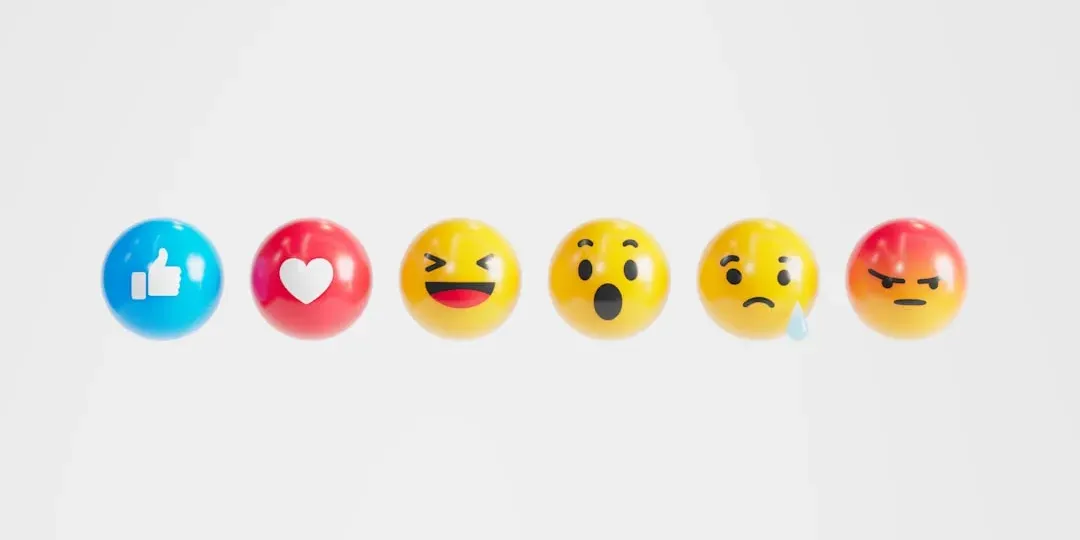
Decoding the “Eyes” and “Side Eye”: It’s Not Just Looking
The “Eyes” emoji (👀) is arguably the most powerful visual asset in the current social ecosystem. It doesn’t just mean “I see this.” In the context of the Eyes emoji meme, it implies “I am watching the drama,” “I am judging you,” or “I noticed something you thought was hidden.”
When a brand incorporates this into their identity, they aren’t just saying “look at us.” They are signaling that they are part of the conversation.
I recall reading about the “visual listening” phenomenon where brands track un-tagged logo mentions. A logo that mimics the “side eye” acts as a reactive marketing tool built into the brand’s very DNA. It allows the company to comment on industry news or competitor failures just by posting their logo. It is efficient, sassy, and deeply resonant with younger audiences who speak fluent sarcasm. The “kiss” emoji works similarly—it’s not just affection; it’s often used as a dismissive “bless your heart” or a cheeky sign-off. These aren’t static images; they are emotional triggers.
High Arousal and the Viral Math of Ridicule
Why does mockery work? It comes down to Social media engagement metrics.
Passive approval (a polite “nice logo”) is the death of reach. Algorithms prioritize high-arousal emotions. According to behavioral research, feelings like amusement, surprise, and even mild annoyance (aggressive humor) drive sharing behavior far more than contentment.
When people quote-tweet a “bad” emoji logo to make a joke, they are amplifying the brand’s reach. A Viral content strategy today often involves planting these seeds of conversation. If your logo is “meme-able,” your audience does the marketing for you.
However, this is a dangerous game. You need to be in on the joke. If the brand takes itself too seriously while using a silly mark, the ridicule turns malicious. If the brand acts self-aware—”Yeah, we used the shocked face because your prices shocked us”—the ridicule turns into community building.
How to Engineer a “Meme-able” Brand Mark Without Ruining Your Reputation
So, how do you execute this without looking like a boomer trying to be cool?
First, don’t replace your actual communication with emojis. We learned this from the infamous Chevrolet press release disaster in 2015, where they tried to issue a statement entirely in emojis. It backfired because it destroyed clarity. Emojis should be the “flavor,” not the main course.
Second, you need to iterate fast. The trends in Emoji marketing shift monthly. A “shocked” face might be funny today and cringe tomorrow. This is where modern agility comes in. You cannot wait six months for a design agency to finalize a meme-centric logo concept.
This is where tools like Ailogocreator are changing the workflow. As a positive benchmark for efficiency in the industry, platforms like this allow creators to generate and test visual identities instantly. You can spin up a concept, test it on a landing page, see if the irony lands, and pivot if it doesn’t. The ability to produce professional-grade variations quickly allows brands to ride these aesthetic waves rather than drowning in them.
The Fine Line Between “Cheeky” and “Cringe”
There is a reason some stick and some fail. Stickiness comes from relevance.
The “Kiss” emoji logo works for a beauty brand or a dating app because the semantic link is clear. It feels cheeky but appropriate. If a law firm used it, it would just be confusing.
Market data indicates that visual language must align with the “tone of voice.” If your Twitter admin is roasting competitors, an “Eyes” logo fits. If your tone is corporate and stiff, a playful logo creates a cognitive dissonance that feels inauthentic.
I suspect the reason these logos get teased is that they challenge our definition of “professionalism.” But in an era where trust in corporate institutions is low, “professional” often reads as “fake.” “Tease-able” often reads as “human.”
FAQ
Why do brands use emojis in their logos despite the ridicule?
It cuts through the noise. Emojis are a universal language, and using one as a logo creates instant familiarity and emotional connection, even if it starts with a joke.
Does using an emoji logo hurt brand authority?
It depends on the industry. For B2C, lifestyle, or tech brands targeting Gen Z, it often boosts relatability. For high-stakes industries like finance or healthcare, it can be risky and perceived as unprofessional.
What is the “Eyes” emoji meme really about?
It signifies “noticing,” drama, or judgment. Brands use it to show they are observant and culturally relevant, participating in social commentary rather than just broadcasting ads.
How can I test if an emoji-style logo works for me?
Run A/B tests on social media headers or ad creatives. Measure engagement rates—specifically shares and comments—rather than just likes. High comment volume, even teasing ones, can signal a winning concept.
Is there a legal risk in using emojis as logos?
Yes, standard Unicode emojis cannot be trademarked. Brands usually create custom, stylized versions of the emoji (like a specific drawing of a shocked face) to own the IP while keeping the vibe.
Conclusion and Actionable Suggestions
The “joke” of the emoji logo is actually a trojan horse for engagement. While traditional marketers scoff at the lack of “craft,” smart operators see a direct line to the consumer’s dopamine receptors.
If you want to leverage this trend:
- Audit your “Vibe”: Does your brand voice match the sass or drama of an eye roll or shocked face? Don’t force it if you are selling funeral insurance.
- Use “Visual Listening”: Incorporate these symbols into your social responses first. If the audience reacts well to your “side eye” reaction images, consider elevating that to a campaign logo.
- Speed over Polish: Use efficient tools like Ailogocreator to mock up ideas rapidly. Test them live. If the joke lands, keep it.
- Own the Joke: If people tease your logo, retweet them. Lean into the “lazy” aesthetic. The moment you get defensive, you lose.
- Don’t Abandon Words: Use these symbols to anchor your brand voice, not to replace clear communication. Clarity is still king.
参考与来源
- Offensive or amusing? The study on the influence of brand-to … – NIH(pmc.ncbi.nlm.nih.gov)
- Emojis in Marketing and Advertising: A Systematic Literature Review(pmc.ncbi.nlm.nih.gov)
- [PDF] THE SEMIOTIC USE OF EMOJIS IN MARKETING COMMUNICATION(dsc.duq.edu)
- [PDF] Viral Marketing in Increasing Brand Awareness and Predicting …(saspublishers.com)
- [PDF] Benign or Toxic? Differences in Emoji Interpretation by Gender …(homes.luddy.indiana.edu)
CommentsTake the first comment