
The Dawn of a New Era in AI-Powered Design
The Viral Sensation That’s Changing Everything
Something incredible happened in the AI world recently. Google’s Nano Banana has taken social media by storm, and honestly, it’s not hard to see why. This isn’t just another AI tool that tech enthusiasts get excited about for a week – this is something that’s actually making regular people stop and say “wow.”
The numbers tell the story. Within days of its release, Nano Banana brought over 10 million new users to Google’s Gemini App. That’s not a typo – 10 million people who had never used AI image generation before suddenly found themselves creating amazing visuals with nothing more than simple conversations.
What makes this different from all the other AI image tools we’ve seen? It’s the speed and naturalness. People are uploading photos and asking for changes in plain English, like “make this person wear glasses” or “change the background to a sunny day,” and getting results in seconds. No complicated prompts, no technical jargon – just talking to the AI like you’d talk to a friend.
Why This Matters for Logo Designers and Businesses
Let’s be real about something – getting a good logo has always been a pain point for small businesses. You either pay thousands to a professional designer (which most startups can’t afford), or you settle for some generic template that looks like everyone else’s logo. There hasn’t been much middle ground.
This is where things get interesting. Small business owners are starting to realize they don’t have to choose between “expensive and good” or “cheap and terrible” anymore. The technology is finally catching up to what people actually need – quality designs that don’t break the bank.
For designers, this isn’t necessarily bad news either. Yes, the landscape is changing, but smart designers are already figuring out how to work with AI instead of against it. The ones who adapt early are finding they can take on more clients, focus on strategy instead of pixel-pushing, and honestly, have more fun with their work.
AILogoCreator’s Strategic Integration Decision
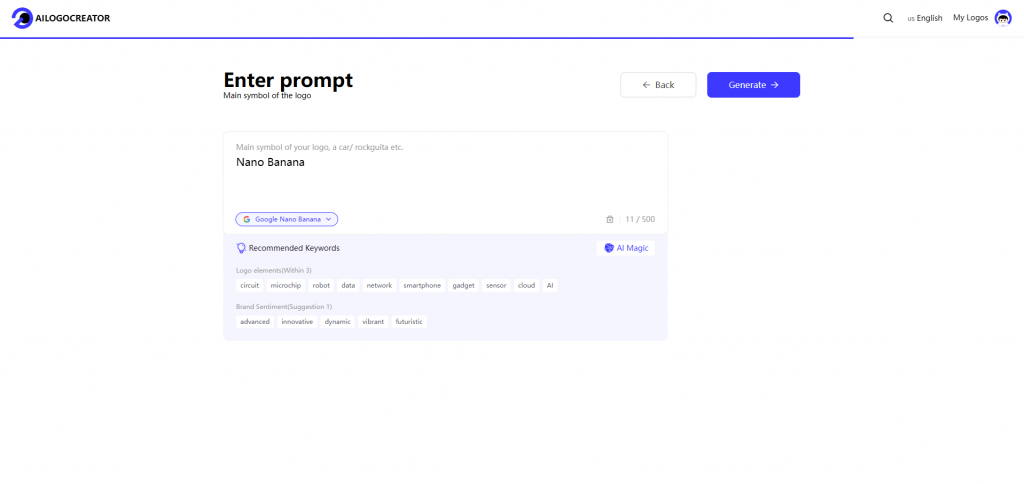
This brings us to AILogoCreator – a platform that’s been helping businesses create professional logos using AI for a while now. When Nano Banana appeared on the scene, the team at AILogoCreator knew they had to act fast.

The decision to integrate Nano Banana wasn’t just about keeping up with trends. It was about solving real problems that their users face every day. Speed, quality, and that natural conversation flow that makes the whole design process feel less like work and more like collaboration.
The timing couldn’t have been better. While other platforms are still trying to figure out how to make AI image generation work for business users, AILogoCreator is already testing the integration and seeing amazing results.
Understanding Nano Banana: Google’s Revolutionary AI Technology
What is Nano Banana? Demystifying Google’s Latest Innovation
Technical Architecture and Core Capabilities
Nano Banana isn’t just a fancy name – it’s actually part of Google’s Gemini 2.5 Flash model, which is pretty impressive when you dig into what that means. Think of it as Google taking their language understanding AI (the stuff that powers search and Gmail suggestions) and combining it with their image generation technology.
Most AI image generators work like this: you type in a description, the AI creates something, and that’s it. Each image is basically independent. Nano Banana works differently – it remembers what you talked about before and builds on that conversation. So if you ask for a logo, then ask to “make it blue,” it knows exactly what “it” refers to.
The technical term for this is “multimodal,” but what it really means is that the AI can understand text and images at the same time, and use that understanding to create better results. It’s like having a designer who actually listens to what you’re saying and remembers the context of your project.
The Science Behind Real-Time Image Generation
Here’s where things get really interesting. Traditional AI image generation can take anywhere from 30 seconds to several minutes per image. Nano Banana generates images in just a few seconds. That might not sound like a big deal, but it completely changes how you interact with the tool.
When results come back fast, you’re more likely to experiment. You’ll try different ideas, make quick adjustments, and iterate until you get exactly what you want. It’s the difference between carefully planning every request (because you don’t want to waste time) and just playing around with ideas.
The speed comes from something called “interleaved generation.” Instead of starting from scratch each time, the AI builds on previous work within the same conversation. This makes each subsequent image faster to generate and more consistent with what came before.
Key Differentiators from Other AI Models
One thing that sets Nano Banana apart is how well it handles text in images. This might seem like a small detail, but it’s actually huge for logo design. Most AI tools struggle with text – they’ll create beautiful images but mess up the letters completely.
Nano Banana treats text rendering as a core feature, not an afterthought. When you ask for a logo with specific text, it actually gets the letters right. This sounds basic, but it’s something that has frustrated designers and business owners for years with other AI tools.
The character consistency is another game-changer. If you create a mascot or character for your brand, you can ask Nano Banana to show that same character in different poses or situations, and it actually looks like the same character. Previous AI tools would create something that might be similar, but definitely not the same.
Core Functions and Applications of Nano Banana
Image-to-Image Transformation Capabilities
One of the coolest features is how Nano Banana can take an existing image and transform it while keeping the important parts intact. Say you have a photo of your product, but you want it to look more like a professional illustration for your logo. You can upload the photo and ask for this transformation in plain English.
This isn’t just applying a filter – the AI understands what makes something look professional or artistic and applies those principles to your specific image. It can maintain your brand colors, keep important details, but completely change the style and feel.
For logo designers, this opens up possibilities that were really difficult before. You can start with a rough sketch, a photo, or even a competitor’s logo (for inspiration, not copying), and transform it into something completely original that fits your client’s needs.
Multi-Image Fusion and Composition
Here’s where Nano Banana gets really powerful – you can upload multiple images and ask it to combine them in intelligent ways. Maybe you have a photo of your product, a color palette you like, and a style reference. You can upload all three and ask Nano Banana to create a logo that incorporates elements from each.
The AI doesn’t just mash images together randomly. It understands composition, color theory, and visual hierarchy. So when it combines your inputs, the result actually looks like it was designed by someone who knows what they’re doing.
This is especially useful for businesses that have existing brand elements but need them pulled together into a cohesive logo. Instead of starting from scratch, you can work with what you already have and let the AI help you refine and combine everything.
Contextual Understanding and Smart Editing
What really makes Nano Banana special is how it understands context. If you’re creating a logo for a restaurant, it knows that food imagery, warm colors, and approachable fonts might be appropriate. If you’re working on a tech startup logo, it leans toward cleaner, more modern aesthetics.
This contextual understanding means you don’t have to explain every design principle to the AI. You can focus on communicating your vision, and the AI fills in the professional design knowledge automatically.
The smart editing capabilities are impressive too. You can ask for changes like “make it more professional” or “add some warmth,” and the AI interprets these subjective requests and makes appropriate adjustments. It’s like working with a designer who speaks your language, even if you don’t know design terminology.
For example
Generate figures
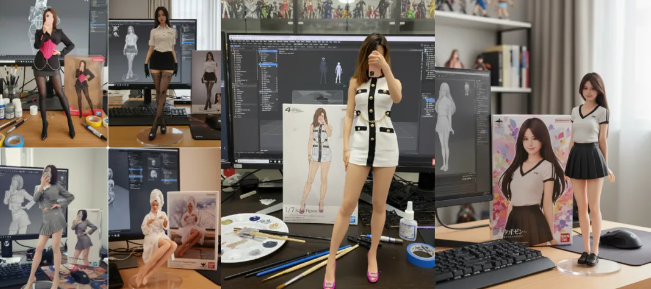
Make ID photos/professional photos

Predict your appearance in N years
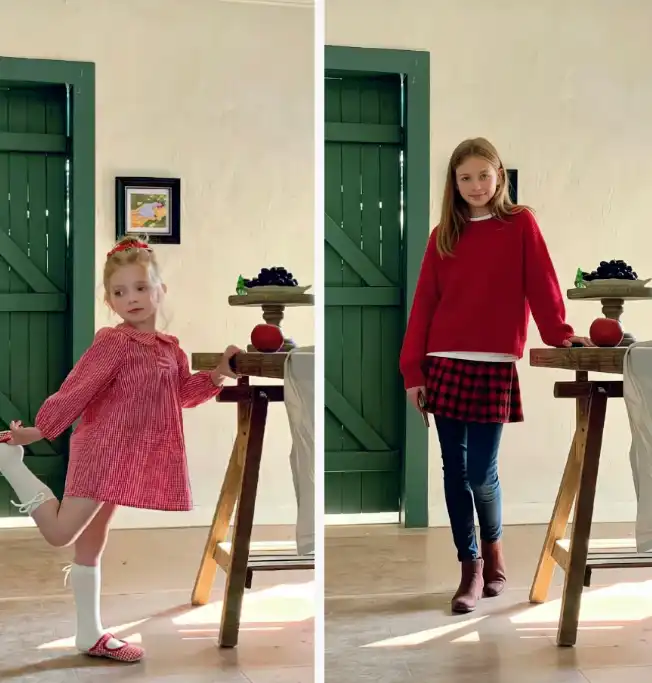
Separate specified blurred characters from the crowd + HD generation

(Some cases come from the Internet)
The Strategic Integration: Why AILogoCreator Chose Nano Banana
Addressing Industry Pain Points
Speed vs. Quality Dilemma in Logo Design
Anyone who’s ever needed a logo knows the frustration. Good design takes time, but business moves fast. You want something that looks professional and represents your brand well, but you also can’t wait three weeks for revisions.
Traditional design processes involve a lot of back-and-forth. The designer creates concepts, you provide feedback, they make revisions, and the cycle repeats. Each round can take days, and sometimes the final result still isn’t quite right.
Nano Banana changes this equation completely. Instead of waiting days between iterations, you can see changes in real-time. The AI generates options in seconds, so you can explore ideas quickly and make decisions faster. This doesn’t mean rushing the creative process – it means spending more time on strategy and refinement instead of waiting.
Scalability Challenges for Growing Businesses
For platforms like AILogoCreator, growth creates interesting challenges. More clients means more design requests, but hiring designers linearly doesn’t always make business sense. There’s also the challenge of maintaining consistent quality across different designers and projects.
AI integration helps solve this scalability problem. The platform can handle more clients without proportionally increasing staff, while maintaining consistent quality standards. This isn’t about replacing human creativity – it’s about augmenting it and making the whole process more efficient.
The scalability benefits go beyond just handling volume. AI can help with initial concept generation, rapid prototyping, and handling routine requests, which frees up human designers to focus on complex projects that require strategic thinking and creative problem-solving.
Cost-Effectiveness for Small Business Clients
Let’s talk numbers for a minute. A professional logo design can easily cost $2,000-$5,000 or more. For a small business just starting out, that’s a significant investment that might not be feasible. The alternative has been DIY solutions or cheap template sites, but these rarely produce results that actually work for business.
AI-powered design creates a middle path. Businesses can get quality that approaches professional design at a fraction of the cost. This isn’t about undercutting designers – it’s about making good design accessible to businesses that couldn’t afford it before.
The cost benefits compound over time too. When businesses need variations of their logo, additional brand materials, or updates to their design, the AI can handle these requests quickly and affordably.
Technical Compatibility and Platform Enhancement
Seamless API Integration Process
Integrating new AI technology into an existing platform isn’t always straightforward. The AILogoCreator team had to ensure that adding Nano Banana wouldn’t disrupt their current workflows or confuse existing users.
The integration process involved testing different ways to present the new capabilities without overwhelming users. Some people want simple, automated solutions, while others prefer more control over the process. Finding the right balance required careful planning and user testing.
The technical implementation also had to maintain the platform’s existing quality standards. Just because the AI can generate images quickly doesn’t mean all of them meet professional design standards. The integration includes quality filters and human oversight to ensure outputs are consistently good.
Enhanced Creative Workflow Possibilities
The integration doesn’t just add a new feature – it opens up entirely new ways of working. Designers can now start projects with rapid AI-generated concepts, then refine and customize them based on client feedback.
This creates opportunities for more collaborative design processes. Clients can be involved in real-time as concepts evolve, providing immediate feedback and seeing their ideas come to life instantly. This level of collaboration was practically impossible with traditional design workflows.
The new workflows also allow for more experimentation. When generating variations is fast and cheap, designers can explore more creative directions without worrying about time constraints. This often leads to better final results because there’s more opportunity to try different approaches.
Quality Control and Brand Consistency Measures
Adding AI to the design process raises important questions about quality control. How do you ensure that AI-generated designs meet professional standards? How do you maintain brand consistency across multiple AI-assisted projects?
AILogoCreator has implemented several measures to address these concerns. All AI-generated designs go through quality review processes. There are guidelines and templates that help ensure consistency. And there’s always human oversight available when projects require special attention.
The platform also tracks performance metrics to continuously improve the AI integration. This includes monitoring client satisfaction, revision rates, and project completion times to identify areas for improvement.
Transformative Benefits: What Nano Banana Brings to AILogoCreator
Revolutionary Speed and Efficiency Improvements
From Hours to Seconds: Design Timeline Revolution
The speed improvement is honestly hard to believe until you experience it. Tasks that used to take hours can now be completed in minutes. Initial concept generation, which might have taken a designer half a day, now happens in seconds.
This speed improvement isn’t just about efficiency – it changes the entire creative process. When you can generate and test ideas quickly, you’re more likely to explore creative directions you might not have considered before. The low cost of experimentation leads to better results.
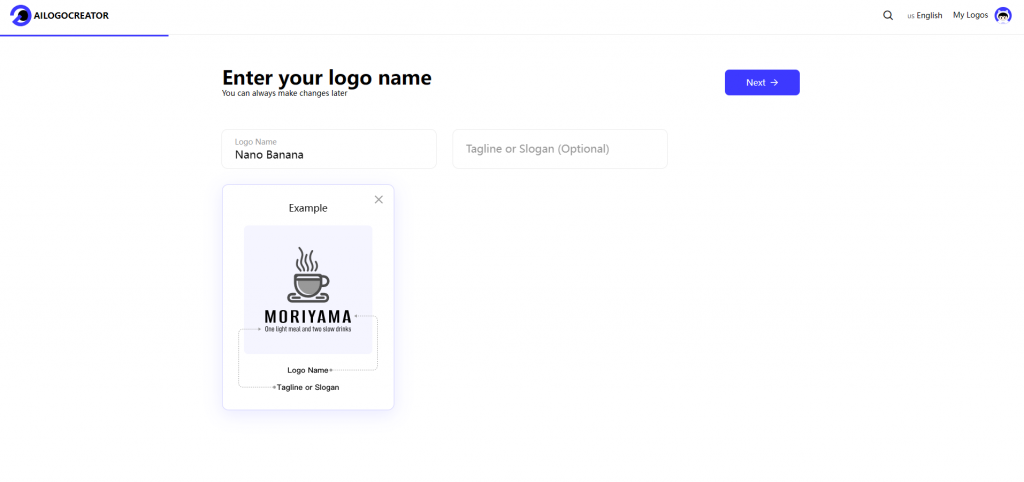
Client projects that used to take weeks can now be completed in days. This faster turnaround doesn’t just benefit the platform – it helps clients launch their businesses sooner and start building their brands earlier.
Real-Time Client Collaboration Capabilities
One of the most exciting developments is the ability to collaborate with clients in real-time. Instead of scheduling separate meetings to review concepts, clients can watch as designs evolve and provide immediate feedback.
This real-time collaboration eliminates a lot of the miscommunication that happens in traditional design processes. When clients can see changes happen instantly, they can provide more specific and useful feedback. This leads to better results and fewer revision rounds.
The collaborative aspect also helps educate clients about design principles. As they see how different changes affect the overall design, they develop a better understanding of what works and why.
Increased Project Capacity and Revenue Potential
The efficiency gains translate directly into business benefits. AILogoCreator can now handle more projects with the same team, which means better profit margins and the ability to serve more clients.
The platform can also offer new services that weren’t practical before. Quick logo variations, rapid brand identity development, and same-day design services become possible when the underlying technology is fast enough.
These new capabilities open up different market segments. Businesses that need designs quickly for time-sensitive launches can now be served effectively. This creates new revenue streams and helps the platform differentiate itself from competitors.
Enhanced Creative Capabilities and Design Quality
Advanced Style Versatility and Adaptation
Nano Banana’s training gives it exposure to an incredible range of design styles. It can create everything from minimalist modern logos to detailed vintage designs, and it understands the nuances that make each style work.
This versatility means that AILogoCreator can serve clients across different industries and aesthetic preferences without needing specialists for each style. The AI adapts its approach based on the project requirements and industry context.
The style adaptation goes beyond just visual appearance. The AI understands the cultural and contextual associations of different design approaches, so it can create designs that feel appropriate for specific markets and audiences.
Superior Brand Identity Consistency
One of the biggest challenges in logo design has always been creating variations that feel cohesive. You need versions for different applications – business cards, websites, signage – but they all need to feel like parts of the same brand.
Nano Banana excels at maintaining visual consistency across variations. Once it establishes the core elements of a brand identity, it can create multiple versions that all feel connected. This consistency is crucial for building strong brand recognition.
The AI also understands how logos need to work across different media. It can automatically adjust elements like line weight, spacing, and detail level to ensure the logo works well whether it’s printed small on a business card or displayed large on a website.
Intelligent Design Decision Making
The AI brings a level of design intelligence that goes beyond just following instructions. It understands principles like color psychology, typography hierarchy, and composition balance, and applies these principles automatically.
This intelligence means that even clients who don’t have design backgrounds can create logos that follow professional design principles. The AI guides them away from common mistakes and toward solutions that actually work.
The decision-making capabilities also extend to practical considerations. The AI understands how different design choices will affect things like printing costs, web performance, and brand scalability.
Competitive Advantages in the Design Market
Differentiation from Template-Based Solutions
Template-based logo solutions have flooded the market, but they have obvious limitations. Everyone ends up with similar-looking logos, and customization options are usually limited.
Nano Banana creates truly unique designs for each project. While it learns from existing design patterns, it doesn’t just recombine templates. Each logo is generated specifically for the client’s needs and brand personality.
This uniqueness is crucial for businesses that want to stand out in crowded markets. Generic templates might be cheap, but they don’t help businesses differentiate themselves from competitors.
Professional Edge Over Generic AI Tools
Many AI image generators can create impressive artwork, but they’re not specifically optimized for logo design. They don’t understand the unique requirements of creating brands – things like scalability, versatility, and commercial applications.
AILogoCreator’s integration with Nano Banana combines the AI’s general capabilities with specialized knowledge about logo design. This results in outputs that aren’t just visually appealing, but actually work as professional brand identities.
The platform also provides the business infrastructure that generic AI tools lack – proper file formats, licensing clarity, and professional support. This makes it suitable for actual business use, not just experimentation.
Market Positioning and Brand Authority
Being among the first to integrate cutting-edge AI technology positions AILogoCreator as an innovation leader. This early adoption creates marketing advantages and helps establish the platform as the go-to solution for AI-powered design.
The association with Google’s technology also builds credibility. Clients feel more confident using a platform that incorporates technology from a trusted, established company.
This positioning helps attract both clients and designers who want to work with the latest technology. It creates a virtuous cycle where better technology attracts better projects, which leads to better results and stronger market position.
Impact on the Design Industry: Nano Banana’s Broader Implications
Democratization of Professional Design
Breaking Down Traditional Barriers to Quality Design
For years, there’s been a clear divide between “professional design” and “DIY design.” Professional design was expensive and required specialized knowledge, while DIY options were cheap but often looked amateur.
AI is blurring this line in interesting ways. Small business owners can now create logos that look professional without needing years of design training or large budgets. This doesn’t eliminate the need for professional designers, but it does change who can access quality design.
The barrier removal is especially significant for underserved markets. Small businesses in rural areas, startups with tight budgets, and entrepreneurs in developing markets can now access design quality that was previously out of reach.
Empowering Non-Designers with Creative Tools
One of the most interesting developments is watching non-designers discover their creative capabilities. When the technical barriers are removed, people can focus on communicating their vision instead of learning software.
AI tools like Nano Banana speak the language that regular people speak. Instead of learning about layers, vectors, and color modes, users can just say “make it look more professional” or “add some energy to this design.”
This empowerment often leads to better results because the business owner understands their brand better than anyone else. When they can communicate directly with design tools, their vision comes through more clearly.
Global Access to Western Design Standards
Design trends and standards have historically been concentrated in major design centers like New York, London, and San Francisco. Businesses in other parts of the world often struggled to access current design trends and professional standards.
AI democratizes access to these design standards. A business owner in a small town can now create logos that follow the same principles and aesthetics as designs created in major design centers.
This global access helps level the playing field for businesses competing in international markets. Brand presentation no longer depends on geographical proximity to design talent.
Evolution of the Designer’s Role
From Executors to Strategic Consultants
The most significant change for professional designers isn’t that AI can create designs – it’s that AI frees designers from routine execution tasks. This allows them to focus on strategy, brand thinking, and creative problem-solving.
Many designers are finding that AI actually makes their work more interesting. Instead of spending time on technical execution, they can focus on understanding client needs, developing creative strategies, and solving complex branding challenges.
This shift requires different skills, but it often leads to more fulfilling work and better client relationships. Designers become partners in building brands rather than just service providers who execute specific requests.
New Skill Requirements in the AI Era
Designers who want to thrive in the AI era need to develop new competencies. Understanding how to work with AI tools effectively is becoming as important as traditional design skills.
This includes learning how to write effective prompts, understanding AI capabilities and limitations, and knowing when human intervention is necessary. These skills complement rather than replace traditional design knowledge.
Client communication becomes even more important when AI is involved. Designers need to help clients understand what AI can and can’t do, and how to get the best results from AI-assisted design processes.
Opportunities for Specialization and Growth
AI creates new opportunities for designers who adapt quickly. Specialists in AI-assisted design, prompt engineering for creative applications, and AI quality control are emerging as valuable niches.
There are also opportunities to scale creative services in ways that weren’t possible before. Designers can handle more clients, offer faster turnaround times, and provide services at different price points.
The key is finding ways to add value that complement AI capabilities rather than competing with them. This might mean focusing on strategy, specializing in complex projects, or developing expertise in specific industries.
Industry Standards and Quality Evolution
Raising the Baseline for Design Quality
AI is pushing up the minimum standard for what’s considered acceptable design. When small businesses can easily create professional-looking logos, the bar for what counts as “good enough” rises across the board.
This elevation in standards benefits everyone in the long run. Consumers develop better design literacy, which creates demand for higher quality work. Businesses understand the value of good design because they can see the difference more clearly.
The rising baseline also means that professional designers need to deliver even more value to justify higher fees. This pushes the industry toward better strategic thinking and more comprehensive brand solutions.
Standardization vs. Creative Uniqueness Balance
One concern about AI-generated design is that it might lead to homogenization – everything starting to look similar because it’s all created by the same AI models.
This is a legitimate concern, but early evidence suggests that AI actually enables more creative exploration rather than less. When iteration is fast and cheap, designers and clients are more likely to try unusual approaches.
The key is using AI as a starting point for creativity rather than an end point. The best results come from using AI to generate initial concepts, then applying human creativity to refine and customize them.
Ethical Considerations and Professional Responsibility
AI integration raises important ethical questions about transparency, attribution, and professional responsibility. Should clients know when AI was used in their design process? How much modification is required before an AI-generated design becomes “original”?
Different platforms and designers are handling these questions differently. Some are completely transparent about AI use, while others treat it as just another tool in the design process.
The industry is still developing standards around these issues. Professional organizations are starting to provide guidance, but there’s still a lot of uncertainty about best practices.
Future Implications and Industry Transformation
The Next Phase of AI Design Evolution
Predicted Advancements in AI Design Technology
The current generation of AI design tools is impressive, but it’s clearly just the beginning. Future developments will likely include better understanding of brand strategy, more sophisticated style transfer, and integration with other business tools.
Real-time collaboration capabilities will probably expand beyond just visual design to include strategy sessions, brand development workshops, and client presentations. The AI might become a more active participant in creative discussions.
We’re also likely to see AI that can handle more complex design challenges – complete brand systems, packaging design, and even marketing campaigns. The integration between different creative disciplines will probably become much more seamless.
Market Disruption and New Business Models
The design industry is already seeing new business models emerge around AI capabilities. Subscription-based design services, on-demand design platforms, and hybrid human-AI agencies are all gaining traction.
Traditional design agencies will need to evolve their service offerings and pricing models. Some are embracing AI to increase efficiency and reduce costs, while others are positioning themselves as premium, human-only alternatives.
New types of design businesses are emerging that couldn’t exist without AI. These include platforms that provide instant design services, AI-specialized agencies, and tools that integrate design with other business functions.
Long-term Impact on Design Education and Training
Design schools are starting to grapple with how to prepare students for an AI-integrated future. This includes teaching AI collaboration skills alongside traditional design principles.
The curriculum changes aren’t just about learning new tools – they’re about understanding how creativity works in partnership with artificial intelligence. Students need to learn when to rely on AI and when to override it.
Professional development for existing designers is equally important. Continuing education programs, workshops, and certification courses focused on AI collaboration are becoming more common.
Preparing for the AI-Driven Design Future
Strategic Adaptation for Design Professionals
Designers who want to thrive in the AI era should start by experimenting with current tools to understand their capabilities and limitations. This hands-on experience is more valuable than theoretical knowledge.
Building relationships with clients who are interested in AI-assisted design can provide opportunities to develop expertise in real projects. These early adopters often become advocates for designers who can work effectively with AI.
Staying informed about AI developments is crucial, but it’s equally important to maintain focus on fundamental design principles. AI amplifies design skills rather than replacing them.
Business Strategy Evolution for Design Agencies
Design agencies need to think carefully about how AI fits into their service offerings and business model. This might mean investing in AI tools, training staff, or repositioning services to focus on areas where human expertise remains essential.
Client communication strategies need to evolve to address AI-related questions and concerns. Agencies should be prepared to explain how AI enhances their services rather than replacing human creativity.
Pricing models may need adjustment to reflect the efficiency gains from AI assistance. This could mean faster project completion, lower costs for certain services, or premium pricing for strategic consulting.
Industry Collaboration and Standards Development
The design industry benefits from collaborative approaches to AI adoption. Professional organizations, educational institutions, and technology companies all have roles to play in developing best practices.
Sharing knowledge about effective AI integration helps the entire industry evolve more quickly. This includes case studies, training materials, and ethical guidelines.
Standards development for AI-assisted design is still in early stages, but it’s important for maintaining professional credibility and client trust.
Embracing the Nano Banana Revolution in Logo Design
Key Takeaways and Action Items
Summary of Transformative Benefits
The integration of Nano Banana into AILogoCreator represents more than just a technology upgrade – it’s a fundamental shift in how logo design works. The speed improvements, quality enhancements, and accessibility gains create value for everyone involved in the design process.
For businesses, this means access to professional-quality logos without the traditional barriers of cost and time. For designers, it means opportunities to focus on strategy and creativity while handling more clients efficiently.
The broader industry impact includes democratization of quality design, evolution of designer roles, and new standards for what’s possible in creative services.
Implementation Recommendations for Businesses
Businesses considering AI-assisted design should start by clearly defining their brand requirements and design goals. This helps ensure that AI tools are used effectively rather than just for novelty.
Working with platforms like AILogoCreator that specialize in AI-assisted design often produces better results than trying to use generic AI tools for business purposes. The specialized knowledge and quality controls make a significant difference.
Budget planning should account for the iterative nature of AI-assisted design. While individual requests are inexpensive, the ability to experiment and refine quickly can lead to exploration of more options than originally planned.
Future-Proofing Design Strategies
The pace of AI development means that today’s cutting-edge tools will be tomorrow’s standard features. Businesses and designers should plan for continuous evolution rather than treating current AI capabilities as a final destination.
Building relationships with AI-savvy design professionals and platforms provides access to new capabilities as they become available. Early adoption of proven technologies often provides competitive advantages.
Maintaining focus on brand strategy and business goals helps ensure that AI tools serve the business rather than driving it. Technology should enhance brand building, not replace strategic thinking.
Frequently Asked Questions
What makes Nano Banana different from other AI image generators?
Nano Banana stands out because of its conversational approach and contextual memory. Unlike other AI tools where each request is independent, Nano Banana remembers what you’ve discussed and builds on previous work. This makes the design process feel more like working with a human designer who understands your project.
The speed is another major differentiator. Most AI image generators take 30 seconds to several minutes per image, while Nano Banana produces results in just a few seconds. This quick response time changes how you interact with the tool and encourages more experimentation.
The text rendering capabilities are also superior to most alternatives. If you need a logo with specific text, Nano Banana actually gets the letters right, which has been a persistent problem with other AI image generators.
How does AILogoCreator ensure quality when using AI-generated designs?
AILogoCreator has implemented multiple quality control measures to ensure that AI-generated designs meet professional standards. All outputs go through automated quality checks that evaluate things like resolution, composition, and technical requirements.
There’s also human oversight built into the process. Experienced designers review AI-generated concepts and can make adjustments or provide guidance when needed. This hybrid approach combines AI efficiency with human expertise.
The platform tracks client satisfaction and project success metrics to continuously improve the AI integration. When patterns emerge that suggest quality issues, the team can adjust the AI parameters or provide additional guidance to ensure better results.
Can Nano Banana replace human designers completely?
No, Nano Banana and similar AI tools are best understood as powerful design assistants rather than replacements for human creativity. While AI can generate impressive visual content quickly, it doesn’t understand business strategy, brand positioning, or complex client needs the way human designers do.
The most effective approach is collaboration between AI and human designers. AI handles routine generation tasks and provides rapid iteration capabilities, while humans focus on strategy, quality control, and client relationships.
Many successful design projects using AI involve human designers who guide the AI process, make strategic decisions about direction, and refine the outputs to meet specific client needs.
How quickly can I expect to receive my AI-generated logo designs?
Initial concept generation typically happens within seconds of submitting your request. However, the total project timeline depends on how much refinement and iteration you want to do.
Many clients can complete their entire logo design process within a few hours, including exploration of different concepts and styles. More complex projects that require multiple variations or extensive customization might take a day or two.
The platform provides real-time updates throughout the process, so you can see progress immediately and provide feedback quickly. This eliminates the waiting periods that are common with traditional design services.
Are there any copyright or intellectual property concerns with AI-generated logos?
AILogoCreator provides clear ownership rights for all designs created through their platform. Clients receive full commercial usage rights and ownership of their final logo designs, regardless of whether AI was used in the creation process.
The AI models are trained on publicly available images and design principles rather than copying specific existing logos. This means that AI-generated designs are original creations, not derivatives of copyrighted material.
The platform also includes safeguards to prevent the AI from creating designs that are too similar to well-known existing logos. If potential trademark conflicts are identified, the system provides guidance on making appropriate modifications.
Nano Banana AI,AI logo design,Google Gemini AI,AILogoCreator,artificial intelligence design,automated logo generation,AI-powered branding,machine learning design tools,
CommentsTake the first comment