
Injecting genuine warmth into your visual identity is the fastest way to turn casual browsers into loyal advocates. If you are a startup founder struggling to find a unique voice in a sterile digital market, leveraging the subtle power of typography is your most accessible secret weapon. By embracing Cursive logo fonts and understanding the nuances of Font psychology, you can transform a static business name into a vibrant Brand personality that resonates on a deeply human level.
- Handwritten typefaces trigger subconscious feelings of intimacy and authenticity that rigid geometric fonts cannot match.
- Modern script fonts act as a visual disruptor, helping new businesses stand out in a sea of minimalist, sans-serif homogeneity.
- Emotional branding relies on the fluid, organic nature of cursive to convey approachability and “human” warmth.
- Strategic application of these fonts can define a startup’s character before a single word of copy is read.
The Psychology of Curves: Why Your Brain Craves Handwritten Typefaces
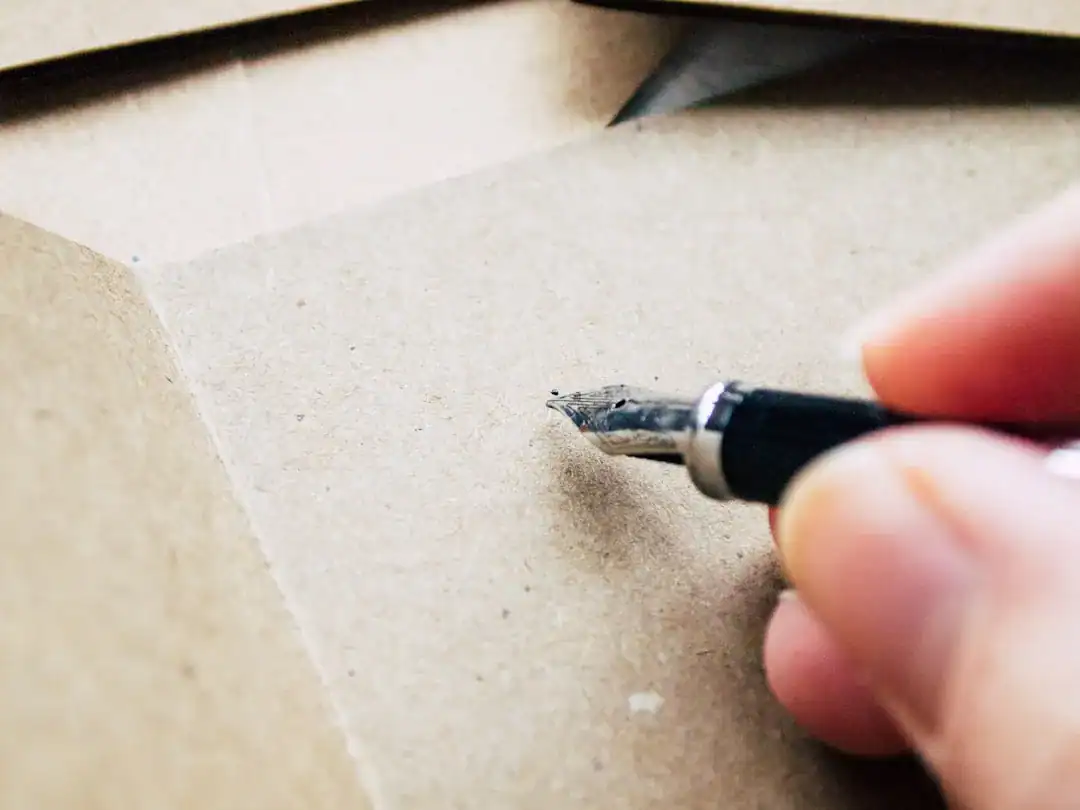
I have observed a fascinating shift in how consumers process visual data: we are starving for human connection. In a digital landscape dominated by grids and pixels, Handwritten typefaces act as a psychological relief. They signal that a human being, not just an algorithm, is behind the brand.
According to design psychology research, our brains interpret the loops and fluid strokes of cursive writing similarly to how we interpret body language. It feels personal. When a startup uses a script style, it isn’t just displaying a name; it is offering a handshake. This is the core of Emotional branding. While serif fonts scream “tradition” and sans-serifs whisper “efficiency,” cursive speaks the language of empathy and creativity.
For a new business, this is critical. You don’t have decades of reputation to lean on. You need to build trust instantly. I believe that choosing a font that mimics the natural flow of a pen on paper creates a shortcut to that trust. It suggests craftsmanship and care, qualities that are often lost in the “tech-bro” aesthetic of modern startups.
Breaking the Minimalist Curse with Modern Script Fonts
Let’s be honest: the startup world has a “blanding” problem. Everyone wants to look like the next big tech giant, so they all adopt the same clean, soulless sans-serif look. This is where Modern script fonts become a powerful tool for disruption.
Industry analysis suggests that Cursive logo fonts are effectively “anti-corporate.” They possess a “come as you are” energy that rejects the veneer of perfection. This is incredibly appealing to younger generations who value authenticity over polish. By using a script font, you are signaling that your brand is agile, creative, and perhaps a bit rebellious.
I recently looked at data regarding visual differentiation, and the results are clear: brands that break the geometric mold are memorable. If your competitors are all using rigid, blocky letters, a fluid script logo acts as a visual stop-sign. It forces the eye to linger. It’s the difference between a typed invoice and a handwritten thank-you note. Which one do you keep?
Strategic Warmth: Matching Font to Industry
Not every startup should use a script font, and I want to be clear about that. It works best when your Brand personality relies on approachability, creativity, or personalized service.
The “Artisanal” Factor
If you are in the lifestyle, beauty, or wellness space, Cursive logo fonts are almost a requirement. They convey elegance and fluidity. Think about the difference between a bold, heavy font and a light, airy script. The latter implies gentleness—a crucial attribute for skincare or wellness brands.
The “Human” Tech Brand
Even in tech, I see a massive opportunity for Handwritten typefaces. SaaS tools are notoriously cold. Using a script element in your logo or sub-branding can soften that image. It says, “We build software, but we are people first.” This strategy helps lower the barrier to entry for non-technical users who might feel intimidated by overly “techy” branding.
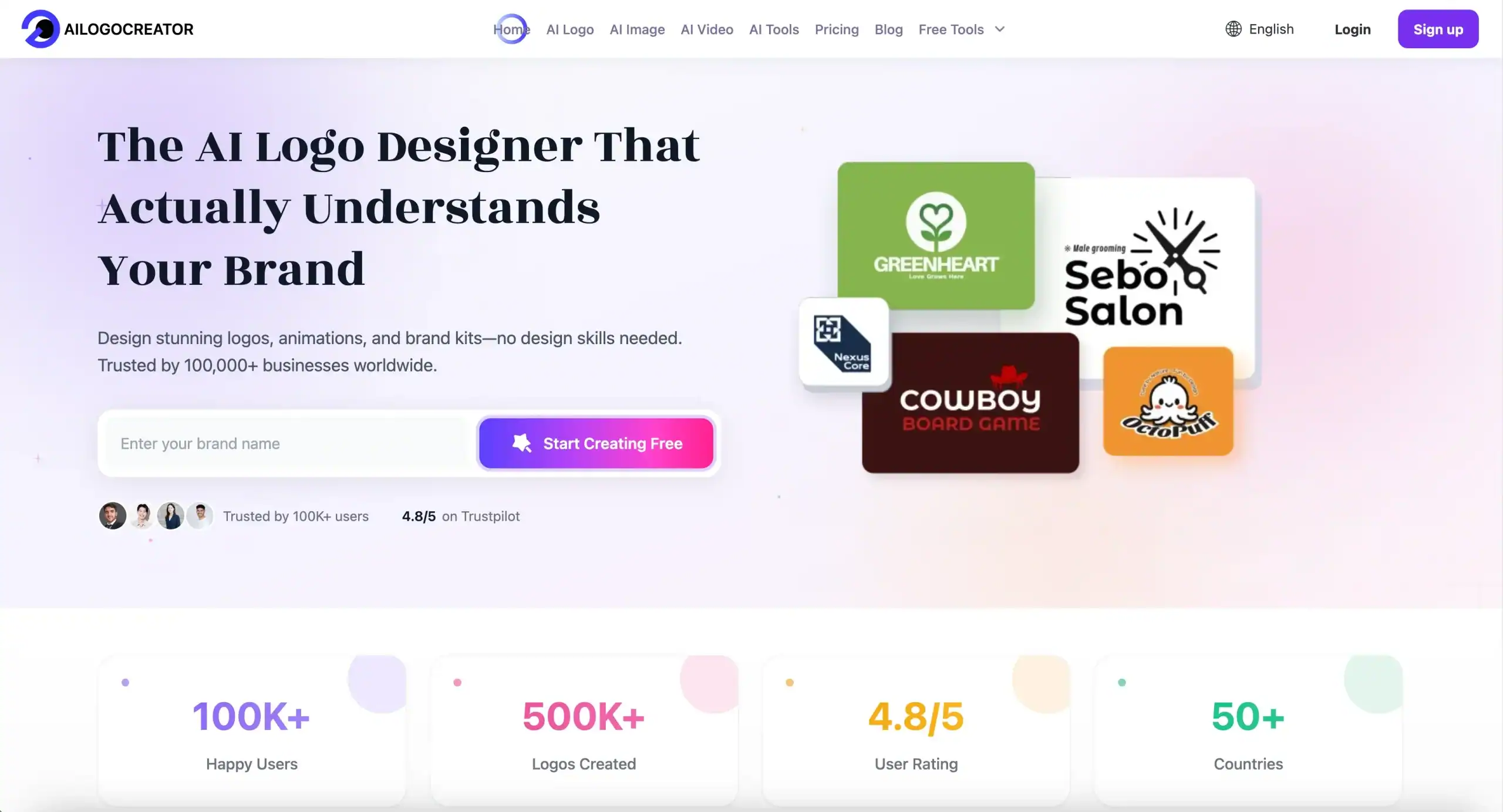
However, execution matters. You cannot simply pick a default script font and call it a day. The balance between legibility and style is fragile. This is where advanced tools come in handy. Platforms like Ailogocreator allow founders to test dozens of script variations instantly, ensuring the “handwritten” look doesn’t compromise readability. Finding that sweet spot between chaotic scrawl and legible elegance is what separates a professional brand from an amateur project.
The Risk of Legibility and How to Fix It
The biggest argument against cursive is always legibility. It is a valid concern. If people can’t read your name, you have failed. But I believe this fear is often blown out of proportion, leading brands to choose boring options.
The solution is contrast. You rarely want your entire visual identity to be in cursive. The magic happens when you pair a Modern script font logo with a clean sans-serif tagline. This combination balances Font psychology: the script provides the emotion and personality, while the sans-serif provides the stability and information.
Market data indicates that complex logos (like detailed signatures) can convey “sincerity,” while simple logos convey “competence.” For a startup, you often want a mix. A semi-connected script font can offer the best of both worlds—it retains the human warmth of handwriting but maintains the structural integrity needed for digital screens.
Actionable Steps to Define Your Brand Personality
To truly infuse “temperature” into your brand, you need to treat your font choice as a strategic business decision, not just an aesthetic one.
- Audit Your Competitors: If they are all shouting with bold, blocky letters, whisper with a script. Differentiation is key to survival.
- Test for Emotion: Don’t just ask “Is it pretty?” Ask “How does it feel?” Does the font feel aggressive? Gentle? Energetic? Your font’s mood must match your product’s promise.
- Check Scalability: Cursive logo fonts can lose detail when shrunk down for a mobile app icon. Ensure your chosen typeface has enough weight to survive on a smartphone screen.
- Iterate Rapidly: Don’t settle on the first “nice” font you see. Use generative tools to see how your brand name looks in fifty different handwritten styles.
FAQ
Are cursive fonts bad for web accessibility?
Not necessarily for logos, but they are terrible for body text. Use Cursive logo fonts for your main identity or headers, but always use clear, standard fonts for long paragraphs to ensure everyone can read your content.
Can a B2B startup use handwritten typefaces?
Yes, but proceed with caution. A B2B brand can use a structured script to signal creativity (like an ad agency) or personal care (like a consultancy). Avoid overly frilly scripts that look too informal for a corporate setting.
What is the difference between script and handwritten fonts?
Script fonts are often based on calligraphy and have a structured flow, often connecting letters. Handwritten typefaces can be disconnected and look more like printing or casual scrawling. Handwritten styles feel more modern and casual, while scripts feel more traditional and elegant.
Do cursive fonts make a brand look cheap?
Only if you use the default ones that come installed on every computer (like Comic Sans or Papyrus). A high-quality Modern script font looks bespoke and expensive. It implies you hired a designer to sign your work.
How do I know if a font fits my brand personality?
Look at the shapes. Round, wide loops suggest happiness and welcome. Sharp, jagged scribbles suggest energy and aggression. Match the geometry of the font to the “vibe” of your product.
Conclusion and Actionable Suggestions
Your font is the outfit your brand wears to the meeting. If you want your startup to feel warm, approachable, and distinct, you must stop fearing the curve. Cursive logo fonts are not just for wedding invitations; they are powerful tools for Emotional branding in a cold digital economy.
To move forward effectively:
- Identify your emotional hook: Decide if you want to be “elegant” (calligraphic script) or “authentic” (rough handwritten style).
- Prioritize contrast: Pair your emotive script logo with a highly legible secondary font for your website copy.
- Validate with your audience: Show your script logo to potential customers and ask them to describe the “person” behind the brand.
- Use efficient tools: Don’t waste weeks manually sketching. Utilize platforms like Ailogocreator to generate and refine professional script concepts that balance style with readability.
- Commit to the personality: Once you choose a handwritten style, let that “human” vibe permeate your marketing copy and customer service tone.
CommentsTake the first comment