
Mastering the art of visual silence allows your brand to command attention without screaming for it. If you are a business owner or designer aiming for global reach, understanding the mechanics behind textless branding is essential. This analysis explores how Apple logo design utilizes minimalist branding to achieve unparalleled brand recognition, proving that pictorial marks often outperform complex wordmarks in a cluttered visual identity landscape.
- The Power of Omission: Why removing text amplifies brand authority.
- Psychological Impact: How pictorial marks bypass language barriers.
- Premium Positioning: The link between minimalism and high-value perception.
- Actionable Strategy: Steps to transition your visual identity toward simplicity.
The Evolution to Visual Silence
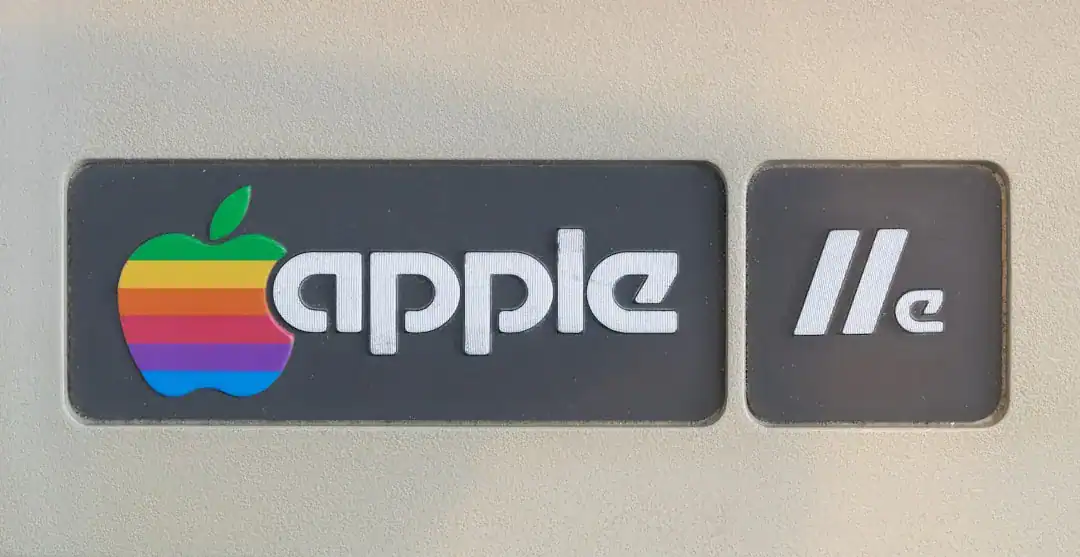
I find Apple’s journey from a complex, Victorian-style etching to a flat, monochromatic shape fascinating because it mirrors the maturation of the tech industry itself. Initially, the company felt the need to explain itself. The rainbow stripes on the original bitten apple served a specific function: they signaled that the computer could display color. However, as the brand matured, the need for literal explanation vanished. The shift to a solid, textless icon wasn’t just an aesthetic choice; it was a declaration of confidence.
When a brand removes its name from its logo, it asserts that it no longer needs an introduction. This strategy creates an exclusive club for consumers. Recognizing the symbol makes you an “insider.” Industry observations suggest that this reductionist approach forces the brain to focus on shape and form, creating a stronger memory imprint than text ever could.
Stages of Apple’s Visual Reduction:
- Complexity (1976): Detailed illustration with text (Isaac Newton).
- Differentiation (1977): Rainbow stripes to show technical capability.
- Modernization (1998): Translucent and monochrome to match hardware.
- Flat Design (Current): minimal black, white, or silver for universal application.
Actionable Suggestion: Audit your current logo. If you removed the brand name, would the icon still hold up? If not, your visual symbol lacks the necessary weight to stand alone.
The Psychology of Pictorial Marks
There is a reason why traffic signs use symbols rather than paragraphs of text: speed. The human brain processes images vastly faster than text. In my analysis of consumer behavior, I see that pictorial marks like the Apple logo design work because they function as cognitive shortcuts. You don’t read them; you absorb them. This is critical in a digital age where attention spans are measured in milliseconds.
Research on visual memory indicates that while people might struggle to draw the Apple logo perfectly from memory (getting the leaf direction wrong, for instance), the recognition is near instant. This distinction between recall and recognition is vital. You don’t need customers to draw your logo; you need them to spot it on a crowded screen. A simple pictorial mark reduces cognitive load, making the brand feel more accessible and less demanding of the user’s energy.
Why Symbols Outperform Text:
- Speed: Instant decoding by the brain.
- Emotion: Shapes convey feelings (curves for friendliness, squares for stability) better than fonts.
- Scalability: Icons remain legible on a smartwatch or a billboard; text does not.
Actionable Suggestion: Test your logo at 16×16 pixels. If the details blur into a smudge, your design is too complex. Simplify the geometry until it remains clear at the smallest size.
Minimalism as a Signal of Premium Value
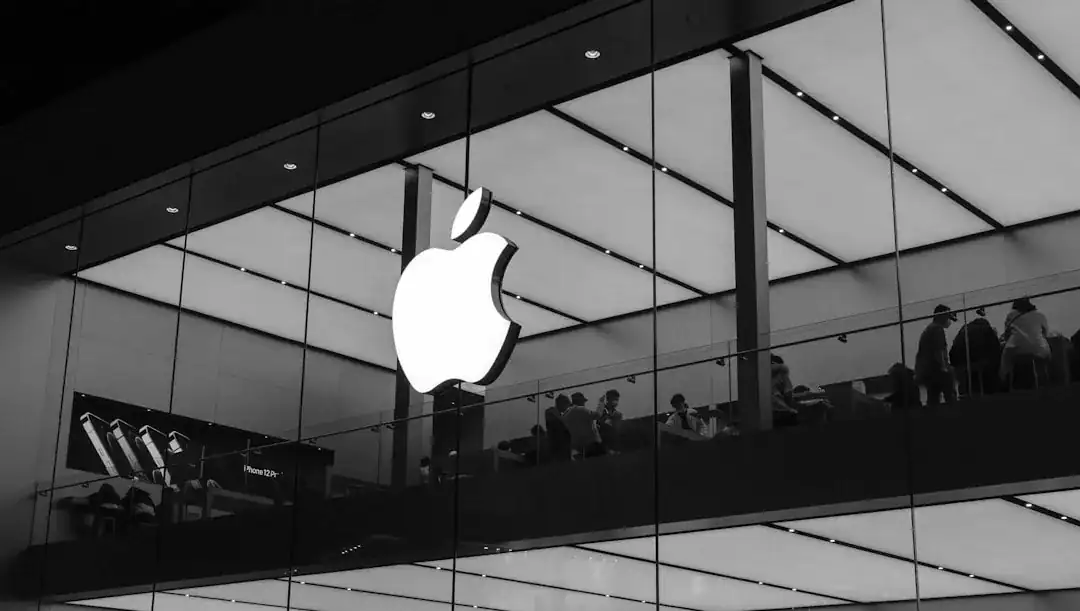
I often argue that clutter is the language of the discount bin. High-end brands embrace “quiet luxury,” where the absence of noise signals quality. Apple’s minimalist branding utilizes negative space and clean lines to create a sense of calm and order. This is a deliberate contrast to lower-tier electronics brands that often plaster features, specs, and slogans all over their visual identity.
Market analysis shows that consumers associate minimalist packaging and branding with higher price points. The logic is subconscious: if the product is truly great, it speaks for itself. By stripping away the decorative elements, Apple forces the consumer to look at the materials and the build quality. The logo becomes a stamp of approval rather than a billboard.
The Luxury Design Playbook:
- Monochromatic Palettes: Black, white, and silver dominate.
- Generous Margins: Negative space is used as an active design element.
- San-Serif Typography: When text is used, it is clean and unadorned.
Actionable Suggestion: Remove one element from your current branding materials. It could be a stroke, a shadow, or a secondary color. Observe how the design feels more “expensive” with less going on.
Global Recognition Without Translation
One of the most pragmatic arguments for Apple’s strategy is global efficiency. Text requires translation; icons do not. If your logo relies on a specific font or an English word, you immediately create friction in non-English speaking markets. A pictorial mark bypasses the language center of the brain entirely.
According to global brand strategy reports, standardized visual identities allow for faster expansion. Apple does not need to redesign its logo for Japan, Germany, or Brazil. The “bitten apple” carries the same meaning everywhere: innovation and premium status. This consistency builds a unified global brand culture that is incredibly difficult for fragmented competitors to replicate.
Benefits of Textless Branding for Expansion:
- Zero Translation Costs: No need to localize the logo.
- Cultural Neutrality: Abstract or natural symbols often carry fewer cultural taboos than words.
- Uniformity: The physical storefront looks the same in Tokyo as it does in New York.
Actionable Suggestion: If you plan to export, check if your logo symbol has negative connotations in target cultures. A neutral, geometric, or nature-based icon is usually the safest bet.
Leveraging Modern Tools for Minimalist Design
In the past, achieving the level of refinement found in Apple’s visual identity required a massive budget and months of agency work. However, the landscape of design has shifted. I see a democratization of high-quality branding tools that allows startups to achieve this “corporate minimalist” look without the corporate price tag. The barrier to entry for professional, clean design has collapsed.
Smart algorithms now understand the principles of balance and negative space that define successful minimalist branding. For instance, platforms like Ailogocreator utilize advanced logic to generate logos that adhere to these strict aesthetic rules. They can iterate through hundreds of minimalist concepts—focusing on geometry and reduction—in minutes. This allows a business to experiment with the “Apple philosophy” of simplicity before committing to a final direction.
Modern Design Workflow:
- Concept Generation: rapid iteration of simple shapes.
- Reduction: Systematically removing elements until the design breaks, then taking one step back.
- Application: Testing the icon on various backgrounds immediately.
Actionable Suggestion: Use digital tools to generate a “black and white” version of your brand concept first. If the structure works without color, it is solid. Color should be an enhancement, not a crutch.
Consistency Builds the Myth
The logo is just the tip of the spear. Apple’s true power lies in the relentless consistency of its visual identity. It is not just that the logo is simple; it is that the website, the packaging, the store interiors, and the software interface all speak the same visual language. This repetition builds trust.
When I analyze successful brands, I see that they are boringly consistent. They don’t change their style every year to chase trends. Apple has kept the same basic silhouette for decades. This discipline creates a compounding effect on brand recognition. Every time a consumer sees that shape, the neural pathway reinforces the association with quality.
The Pillars of Visual Consistency:
- Repetition: Use the same logo version everywhere.
- Constraint: Limit the color palette strictly.
- Alignment: Ensure the logo placement follows a grid system.
Actionable Suggestion: Create a one-page brand guideline. Define exactly how your logo should be used and, more importantly, how it should not be used. Stick to this document religiously.
FAQ
Why did Apple choose a bitten apple as its logo?
While many myths exist, including a tribute to Alan Turing, the designer Rob Janoff stated the “bite” was added simply for scale. Without it, the simple silhouette looked too much like a cherry. The bite provided distinct context and scale to the fruit.
Can small businesses use textless logos?
It is risky for new businesses. Apple only dropped the word “Apple” after decades of building brand equity. For new companies, I recommend a “lockup” version where the icon and text are paired, allowing you to use the icon alone only after brand recognition is established.
Does minimalist design work for every industry?
Not always. While it works for tech and fashion, industries like toys or food sometimes benefit from more complex, vibrant, or illustrative logos to convey fun and appetite. However, the trend is generally moving toward simplification across all sectors.
How does minimalism affect printing and production costs?
It significantly lowers them. A one-color logo is cheaper to print on merchandise, packaging, and signage. It also causes fewer issues with embroidery or low-resolution screens, making it a pragmatic financial choice.
What is the “squircle” in Apple’s design?
Apple uses a specific shape known as a “squircle” (a superellipse) for its app icons and hardware corners. It is not a standard rounded rectangle; the curvature is continuous. This subtle mathematical detail contributes to the “friendly” and premium feel of their visual identity.
Conclusion and Actionable Suggestions
Apple’s minimalist philosophy proves that the strongest statement a brand can make is often silence. By removing the unnecessary, you amplify the essential. This approach requires the confidence to let your product and reputation fill the void left by the missing text.
To apply this philosophy to your own brand strategy:
- Simplify Immediately: Stripping your logo down to its barest geometric form helps ensure it survives in a digital-first world.
- Prioritize Shape: Ensure your icon is recognizable by silhouette alone, without color or text context.
- Enforce Consistency: Use a strict set of rules for where and how your logo appears to build trust over time.
- Think Global: Choose symbols that transcend language barriers to future-proof your business for international markets.
- Iterate Efficiently: Utilize modern resources to test minimalist concepts quickly before finalizing your visual identity.
CommentsTake the first comment